REVIEW · BALI
Ubud: Virgin Coconut Oil Making Class and Market Tour
Book on GetYourGuide →Operated by Trip Gotik - Bali Tours · Bookable on GetYourGuide
Coconut oil class in Ubud is seriously hands-on. You’ll start with a market tour, then cook Balinese-style green curry and learn how virgin coconut oil starts from real coconuts. It feels like a small, local day—more practical than a “watch and leave” cooking show.
Two things I really like: you get to work with the ingredients yourself (chopping, grinding, mixing, cooking), and the food is made with natural, locally-sourced ingredients without MSG. One thing to consider: the aromas can be strong, and the tour includes walking on uneven paths, so comfortable shoes matter.
In This Review
- Quick takeaways
- Why virgin coconut oil and green curry belong together in Ubud
- Market walk in a Balinese family day: what you’ll be buying
- Virgin coconut oil: the hot, hands-on part you can understand
- Balinese green curry cooking: your paste, your pace, your tasting
- Family-home visits and guide energy: Kar, Sanaa, Noman, Kal, and Iwayan Kar
- Price and what you actually get for $36 (4 hours)
- Optional add-ons: when coffee tasting or massage makes sense
- What to bring, what to watch for, and who this is best for
- Should you book this Ubud virgin coconut oil and green curry class?
- FAQ
- How long is the Ubud virgin coconut oil and green curry class?
- What’s included in the price?
- Do I need cash for this experience?
- Is the class taught in English?
- Is this experience suitable for wheelchair users or mobility impairments?
- What should I do if I have allergies?
Quick takeaways
- Market first, cook second: you’ll shop for what you’ll actually use in your curry paste.
- Virgin coconut oil from scratch: you’ll learn the coconut types and the hot-process steps that make it “virgin.”
- Green curry with real technique: from spice grinding to balancing flavor, then tasting what you made.
- Guides matter: English-speaking instructors with strong local storytelling, like Kar, Sanaa, Noman, Kal, and Iwayan Kar.
- Pickup quality is a strong point: transport gets excellent marks, and pickups are usually on time.
- Add-ons are optional: coffee tasting and massage are common add-on themes, if you want to extend the day.
Why virgin coconut oil and green curry belong together in Ubud
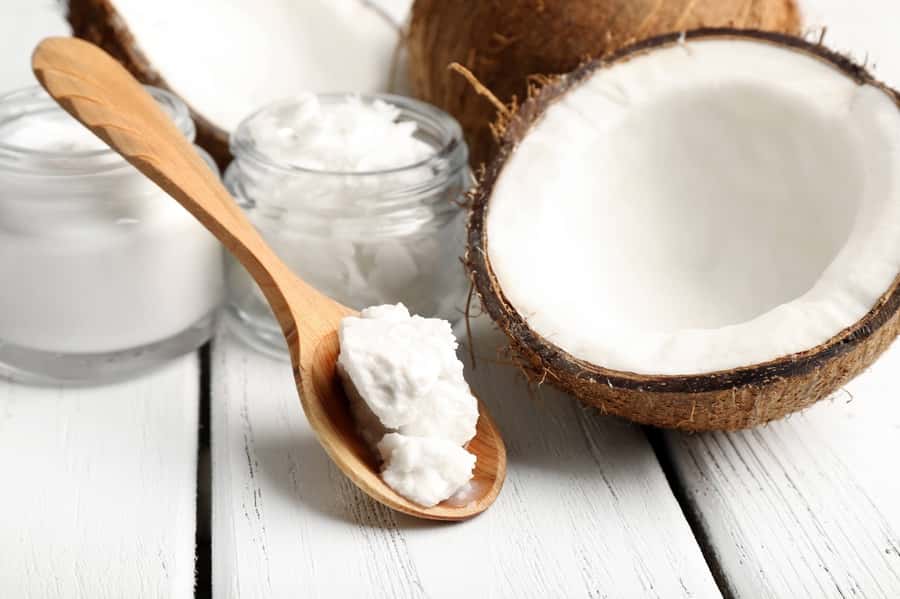
This class isn’t just about cooking one dish. It’s about how coconuts show up in everyday Bali life, and how spices and herbs turn those basic ingredients into something fragrant, satisfying, and very “this place” specific. In other words, virgin coconut oil and green curry are a match: one teaches you about coconut use and processing, the other shows you how coconut-based cooking meets Balinese flavor.
You’ll also appreciate the tone. Everything is described as relaxed and informal, with step-by-step guidance from a professional chef and instructor. That matters if you’re the type who wants to understand why you’re doing each step—not just follow it.
Market walk in a Balinese family day: what you’ll be buying
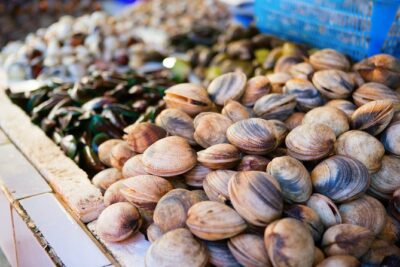
The day starts with a traditional Bali market, where you’ll see the produce and ingredients up close before you cook. This is one of the best parts for me, because it turns “cooking class ingredients” into real things you can point at: herbs, spices, aromatics, and fresh items you may not see the same way back home.
You should expect some walking on uneven or narrow paths, so plan for comfort, not style. Bring cash too—some vendors may not accept cards, and you’ll probably want snacks or small personal purchases while you browse.
A small but smart tip: if you’re hoping to eat heartily later, don’t arrive hungry in the big-meal sense. You’ll taste what you cook, and the class includes the meal you cook, so keep your appetite steady rather than maxed out.
Virgin coconut oil: the hot, hands-on part you can understand
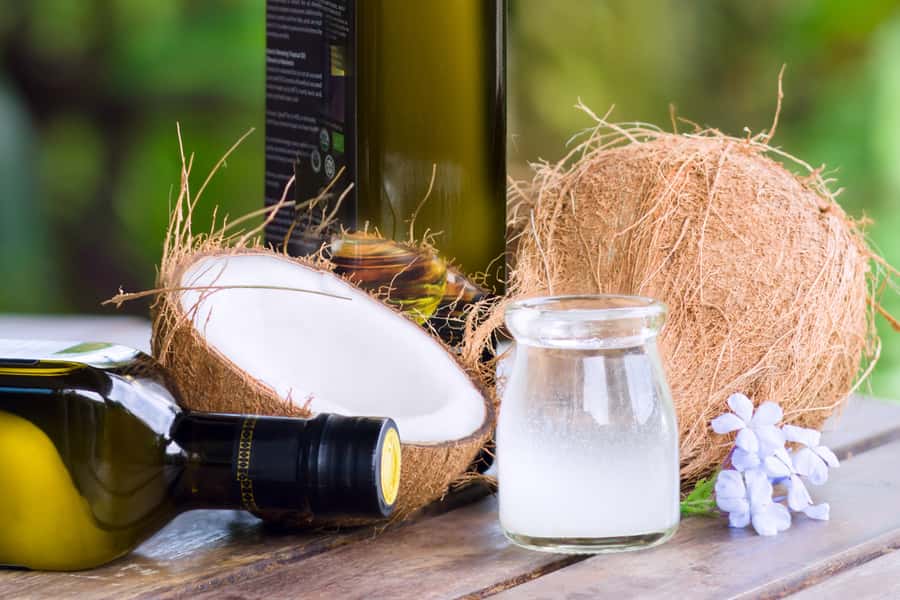
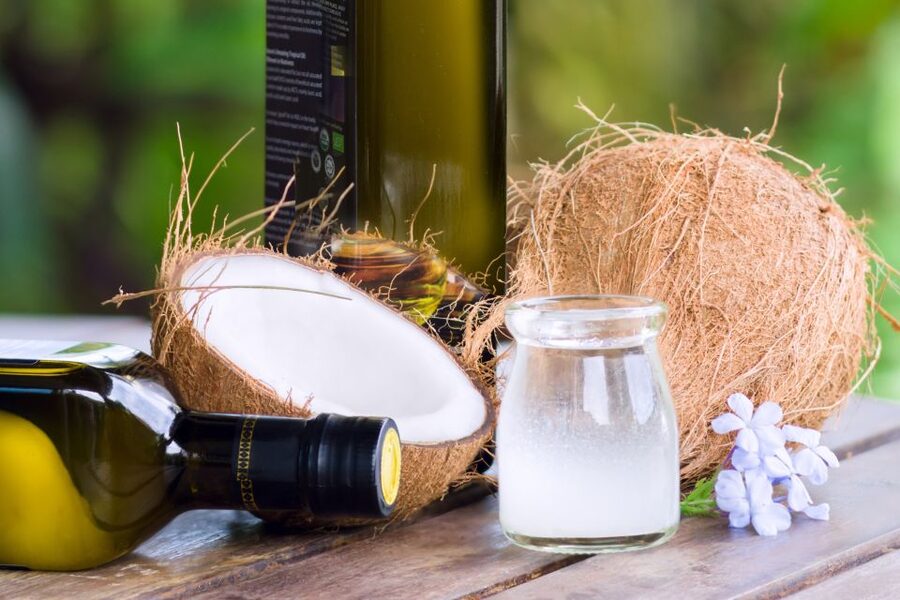
Virgin coconut oil is where this class gets real. Instead of treating oil like a magic bottle, you’ll learn about the types of coconuts that grow in Bali and why coconuts matter in daily life. Then comes the process: you’ll hear about how virgin coconut oil is made, including heating processes and handling raw ingredients.
This is hands-on, meaning you can expect to chop, mix, and work through stages alongside your instructor. The tour also notes safety is important here, since you’ll be dealing with hot oil during the heating process. Listen closely to the guide’s safety instructions and keep your focus—this isn’t the kind of activity where you can zone out.
One more consideration: coconut oil, herbs, and spices all have strong aromas. If scents bother you, or if you’re sensitive to heavy herbal/spice smells, this might be rough.
Balinese green curry cooking: your paste, your pace, your tasting
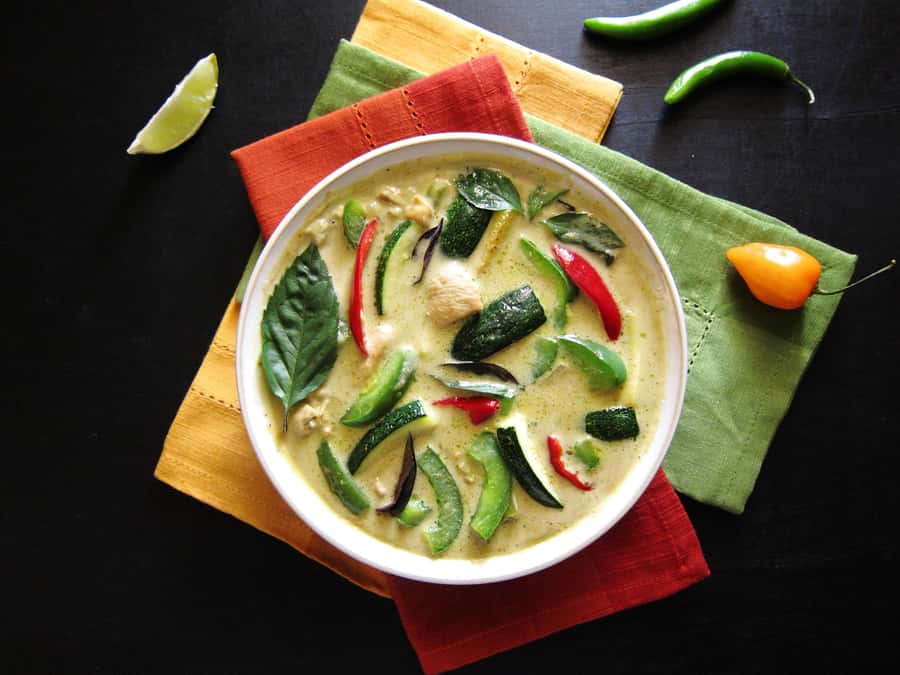
After the market, you move into the cooking portion where you’ll learn Balinese green curry and how the flavors and aromas come together. Green curry in Bali is known for its fragrant spice profile, and the class is built around learning the core technique: grinding and mixing the ingredients into a curry paste, then cooking with natural, locally sourced components.
The class is explicitly described as no MSG, and it’s meant to feel fresh and healthy, not loaded with restaurant shortcuts. That’s a meaningful difference. If you’re trying to cook more “real food” at home, learning how spices behave without artificial flavor boosts gives you a better foundation.
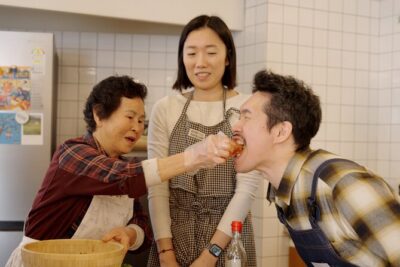
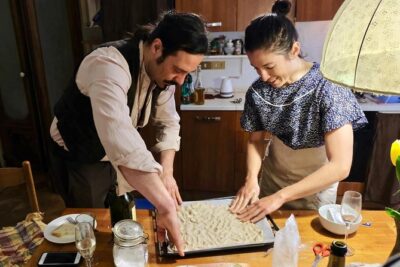
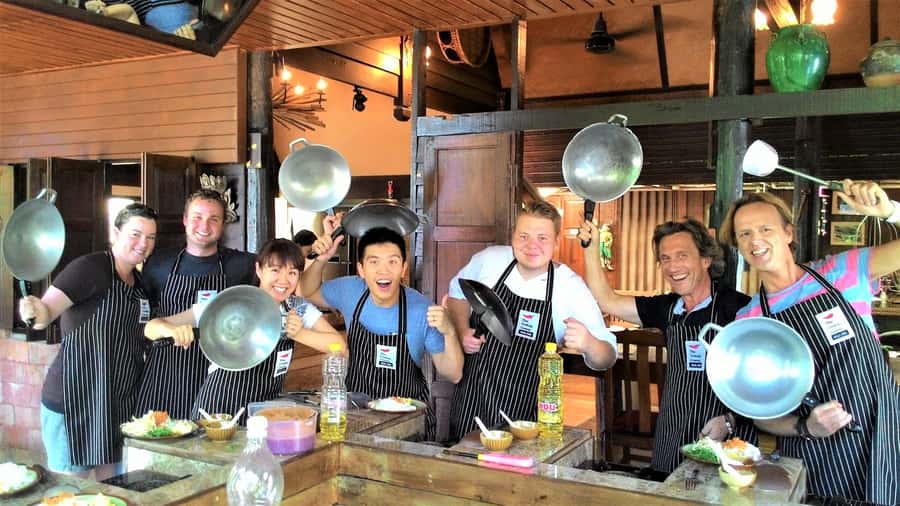
You’ll cook inside the house of a professional chef, in a relaxed but guided setup. In practical terms, you can expect step-by-step instructions, plus time where you’re actually doing the work—chopping, grinding, cooking, and mixing. At the end, you taste the green curry you made, so you get that instant feedback loop most cooking classes skip.
Family-home visits and guide energy: Kar, Sanaa, Noman, Kal, and Iwayan Kar
A big reason this experience gets high marks is the human side. Many sessions are led by guides who mix instruction with local context—talking about Balinese culture and history, sometimes even on the drive to the market. Names that show up in the guide experience include Kar, Sanaa, Noman, Kal, and Iwayan Kar.
What you’ll feel is not scripted. You’re not just sitting in a chair; you’re being welcomed into a working home kitchen environment, where the chef and family are involved. In some homes, the setup can include extra glimpses into family traditions or temple life, but the sure thing is the cooking and cultural explanation.
If you’re traveling solo, this kind of home-based format can be reassuring. The transport is rated highly, the guides are described as professional and polite, and pickup/drop-off is included for hotels in the Ubud area. Also, the pace is informal rather than rigid, so questions don’t feel like a disruption.
Price and what you actually get for $36 (4 hours)
$36 for four hours sounds simple until you look at what’s included. You’re not paying only for the curry. Your price includes:
- Hotel pickup and drop-off (Ubud area only)
- Market tour
- Hands-on cooking class
- Recipe book
- Bottle of water
- The meal you cook in the class
That’s strong value if you compare it to typical “cook once, watch twice” formats. Here, the market stop makes the class feel grounded, and the recipe book gives you something to do after you return home. Plus, the class ends with tasting what you cooked, which helps you judge flavor and technique right away.
One note: pickup only covers hotels in the Ubud area. If you’re staying outside that zone, you may need to plan your own meeting point. It’s worth confirming where pickup works before you book.
Also, the class is listed as instructor-led in English. That’s another practical win if you want real explanations of ingredients and process, not just gestures and guesswork.
Optional add-ons: when coffee tasting or massage makes sense
This experience is customizable with optional add-ons. Coffee tasting and traditional massage are specifically mentioned options, and some add-ons are available only with certain choices.
If you want your Bali day to feel fuller without turning it into a theme park circuit, add-ons are best when they match your energy:
- If you love flavors, tack on coffee tasting. It’s a natural follow-up after spices, herbs, and curry.
- If you want recovery time, a massage after the cooking can be perfect. You’ll be on your feet for parts of the market and doing hands-on prep.
I’d also treat add-ons as flexible. Some people end up doing spontaneous extras like browsing local markets or visiting related craft areas, depending on the guide and timing. If you’re the type who likes free time, ask about options after the main cooking portion is done.
What to bring, what to watch for, and who this is best for
Bring comfortable shoes and expect some walking on uneven or narrow paths. A camera is useful too, since you’ll see ingredients and the market environment up close. Don’t forget cash for personal purchases.
You also need to be upfront about allergies or dietary restrictions before the class begins. The class involves handling raw ingredients, herbs, and spices, and your safety depends on clear communication. If you’re worried about ingredient intensity, say so early.
Kids need adult supervision, especially around the hot oil and active cooking steps. This isn’t automatically a no for families, but it does mean you should plan the day with extra attention.
Not suitable if you have mobility impairments or use a wheelchair. That’s important—paths in markets and the way a home kitchen is set up can be tricky.
And again: if strong aromas are an issue for you, this class might feel like too much. Coconut oil plus fresh herbs plus spice paste is part of the point, not a side detail.
Should you book this Ubud virgin coconut oil and green curry class?
Book it if you want a hands-on Bali cooking day that connects food to place—market ingredients, coconut processing, and green curry technique in one 4-hour block. The included market tour and meal make it feel like a complete experience, and the English instruction helps you learn something you can actually repeat later.
Skip it or rethink your fit if:
- you have mobility limitations that make uneven walking hard,
- strong herbal/spice/coconut aromas are a problem for you,
- you want a purely light “snack-sized” activity with minimal cooking.
If you’re on the fence, my practical advice is simple: choose this when you’re ready to participate. The best part of this class is not watching—it’s doing, tasting, and walking away with a real understanding of how virgin coconut oil and Balinese green curry come together.
FAQ
How long is the Ubud virgin coconut oil and green curry class?
It runs for about 4 hours.
What’s included in the price?
You get hotel pickup and drop-off within the Ubud area, a local market tour, a hands-on cooking class, a recipe book, a bottle of water, and the meal you cook.
Do I need cash for this experience?
Yes. Bring cash for personal purchases because some market vendors may not accept cards.
Is the class taught in English?
Yes. The instructor is English-speaking.
Is this experience suitable for wheelchair users or mobility impairments?
No. It’s not suitable for people with mobility impairments or wheelchair users.
What should I do if I have allergies?
Tell the instructor before the class begins. The activity involves raw ingredients, herbs, and spices, so sharing allergies and dietary restrictions early is important.