REVIEW · PORTO
Chef Led Porto Market Tour and Portuguese Tapas Class with Wine
Book on Viator →Operated by Canto Cooking · Bookable on Viator
Porto tastes better when you shop first. This Chef-led Mercado de Bolhão tour mixes market tastings with a hands-on tapiscos cooking class, then finishes with lunch and a crisp glass of Douro Valley wine. It’s a great way to eat like a local without spending your whole vacation chained to a food tour schedule.
I like how the chef-led market stop helps you understand ingredients you’ll actually use in the kitchen later, not just snack on. I also like that the class is truly hands-on, so you’re not watching while someone else does all the work.
One thing to think about: there’s no pickup or drop-off from your accommodation, so you’ll want to plan how you’ll reach the start point in central Porto.
In This Review
- Key highlights at a glance
- Mercado do Bolhão with a chef: where Porto flavor starts
- The kitchen walk to Boutique Maison Canto De Luz (and why that matters)
- Hands-on Tapiscos cooking: what you’ll actually make
- Flame-grilled chourizo (and the cooking mindset behind it)
- Fresh clams in white wine and lemon sauce
- Cod fish pancakes / cod fritters style bites
- Green beans and vegetable tapiscos (including tempura-style options)
- A Portuguese dessert finish: coffee and leche de dulce
- Lunch in the Orangerie: eating as part of the lesson
- Douro Valley wine pairing: how to use it, not just drink it
- The recipe goodie bag and Aguardente: turning class into a future meal
- Price and value: is $168.10 worth 4 hours of Porto cooking?
- Who should book this Porto tapas class
- Should you book? My take on the decision
- FAQ
- What does the tour include?
- What wine is included?
- How many people are in the group?
- Is pickup or drop-off included?
- Where does it start and when?
- Are vegetarian options available?
Key highlights at a glance
- Mercado de Bolhão ingredient sourcing with tastings that set you up for real cooking
- Hands-on tapiscos workshop where you help prep and cook multiple dishes
- Douro Valley wine with lunch (plus options to buy more)
- Barista coffee at the kitchen stop before you start cooking
- Recipe goodie bag + Aguardente bottle for flame-grilling chorizo back home
- Small group size (max 8) for better instruction and workflow in the kitchen
Mercado do Bolhão with a chef: where Porto flavor starts
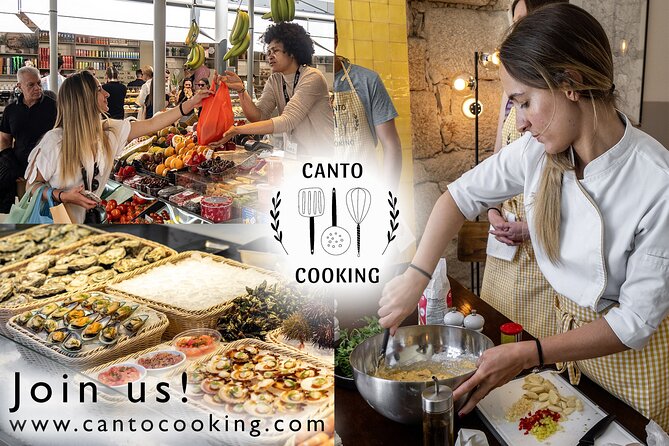
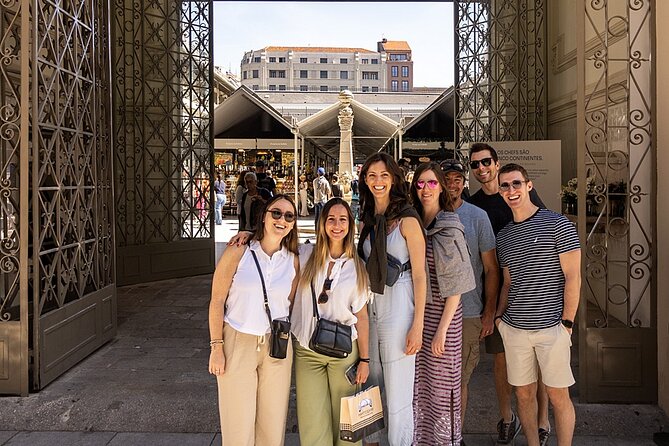
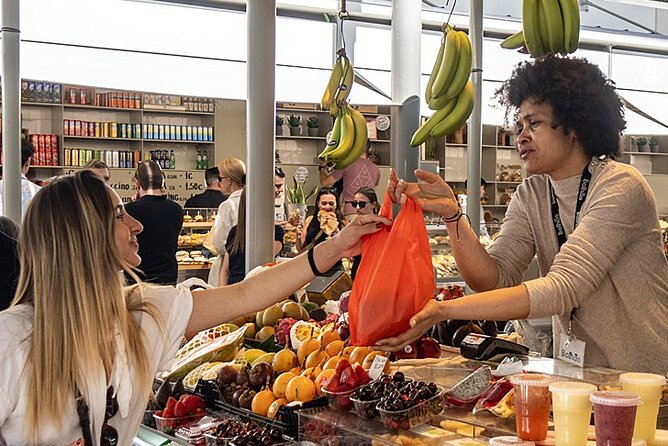
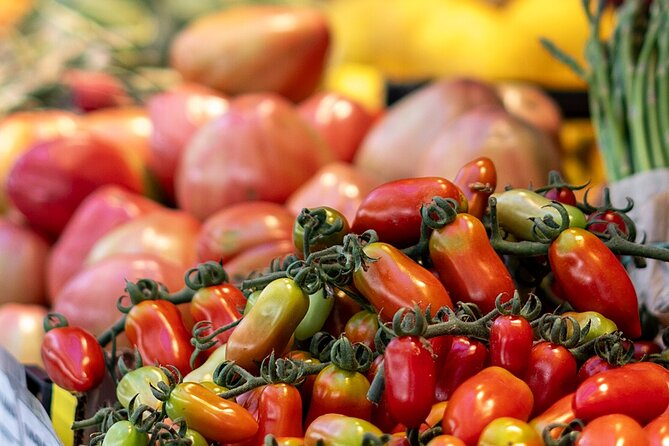
The heart of this experience is the Mercado do Bolhão walk, the kind of place where your senses get a workout. You’ll be sampling along the way, and the guide focuses on helping you understand what you’re eating and why it matters for Portuguese tapas.
This is also where the class becomes more than a cooking demo. When you see ingredients in the market context, it’s easier to replicate the basics later. Think: knowing what fresh clams look like before they become a lemon-and-white-wine style dish, or learning what spices you’ll want to recognize when you shop at home.
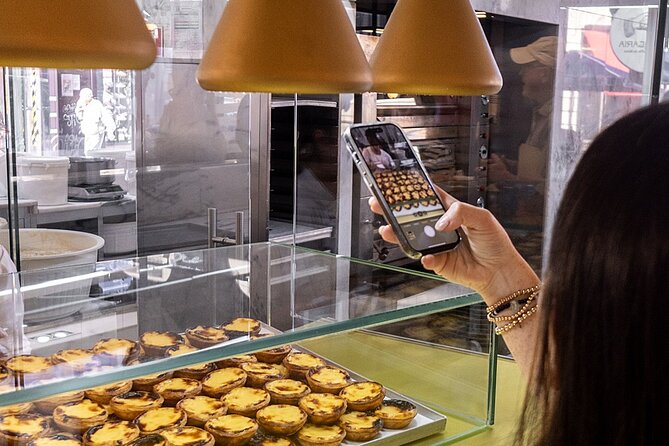
A few specific things to expect during the market phase, based on how the experience runs: tastings like olive oil and oysters, stops where you can smell spices, and time spent talking with vendors. Some groups also mention a quick bakery-focused detour (like pastéis de nata stops), but the reliable part is the market education plus tastings.
Practical tip: come hungry enough to enjoy tastings, but not so empty that you’re overwhelmed when you start cooking. Porto markets can move fast, and you’re on your feet for part of the day.
You can also read our reviews of more tours and experiences in Porto.
The kitchen walk to Boutique Maison Canto De Luz (and why that matters)
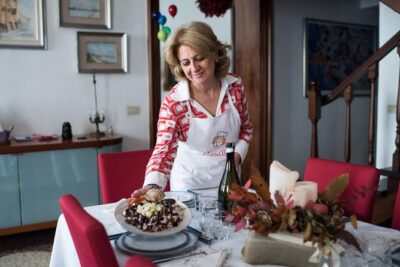
After the market, you head to Boutique Maison Canto De Luz for the kitchen portion. This is a smart setup because you get the contrast between market chaos and a calm workspace where you can concentrate.
Before cooking, there’s a barista coffee stop. It sounds simple, but it helps you reset. After the sights, smells, and samples, coffee gives you a breather before you start chopping, mixing, frying, and plating.
The kitchen environment is also part of the value. In feedback from different hosts, guests consistently note that instructions stay clear and that the setup feels comfortable. Names that come up include Priscilla, Mackensie, Mia, Anna, Rita, Emmy, and Gemma/Gemny, which is a good sign that the hosting team keeps the experience friendly and organized, not stiff or overly formal.
Hands-on Tapiscos cooking: what you’ll actually make
The cooking class is the main event. The format is hands-on, and you’ll help prepare multiple dishes, not just one. In past runs, groups have cooked a mix of seafood, meat, and vegetables, and the menu can shift by season.
Here are the tapiscos styles you can reasonably expect based on the provided menu examples:
Flame-grilled chourizo (and the cooking mindset behind it)
You’ll make flame-grilled chourizo. This dish is a great “start here” option because it teaches how Portuguese cooks think about heat, oil, and seasoning without overcomplicating things. It’s also one of those tapas that scales well at home if you follow the approach—high heat, quick action, and letting the sausage do what sausage does.
You’ll also take home an extra piece of this idea later, via the Aguardente bottle for flame grilling chorizo back home. More on that in the take-home section.
Fresh clams in white wine and lemon sauce
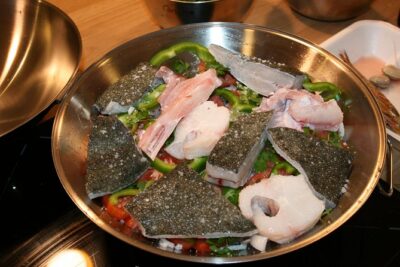
Another standout is fresh clams in white wine and lemon sauce. This is classic Portuguese comfort food energy: bright citrus, gentle wine flavor, and seafood that stays tender instead of rubbery. Watching the timing matters here, because shellfish is one of the few foods where “almost done” still tastes wrong.
If you’re not a huge seafood person, this is a good way to try it. It’s flavorful without being heavy.
Cod fish pancakes / cod fritters style bites
The class also includes a cod component, described as cod fish pancakes and in some runs as cod fritters. The lesson is about structure: fish mixed and shaped so it crisps up nicely. It’s practical cooking, not fancy plating—exactly what you want if you plan to reproduce it later.
Green beans and vegetable tapiscos (including tempura-style options)
You’ll make something vegetable-based too. Examples include green beans and green-bean tempura styles (runner green bean tempura has shown up in class examples). Vegetable tapas are a big part of Porto eating, and it’s a nice counterweight to meat and shellfish.
The experience also notes that vegan and vegetarian tapas are growing in stature. You won’t get a separate vegan menu promised here, but it’s worth knowing that the overall class approach is flexible enough to include vegetable-forward dishes.
A Portuguese dessert finish: coffee and leche de dulce
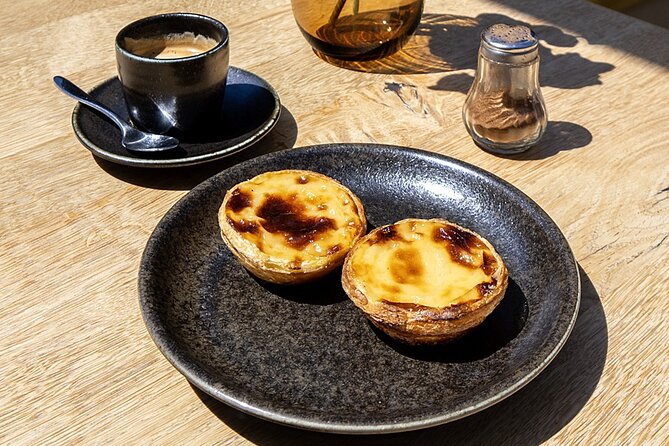
For dessert, the menu example includes traditional coffee and leche de dulce. That combo brings it back to familiar Portuguese sweets: creamy custard-like flavor plus coffee to round out the meal.
In some class examples, guests also mention a lemon crema style dessert element. Since menus change seasonally, treat dessert as “Portuguese sweet with coffee,” not as one single guaranteed recipe every day.
Practical tip: pay attention during the class about pacing. Tapas cooks move fast because multiple dishes are happening in parallel. You’ll get better results if you follow the chef’s timing and don’t multitask too much.
Lunch in the Orangerie: eating as part of the lesson
After cooking, you eat what you make. Lunch is served with what you prepared, and it’s in a lovely Orangerie setting, eaten with your classmates.
This matters because it turns the day into an actual “finish” experience, not just cooking and rushing off. You get to taste your own work right away, while the flavors are still fresh and the cooking logic makes sense.
The wine pairing is part of the meal. You’ll have a crisp glass of Douro Valley wine—served as white, rosé, or red depending on what’s offered that day. You can also purchase more wine by the glass or bottle.
One more detail that adds comfort: lunch happens after coffee and cooking, so you’re not going long stretches without something to drink or eat. That’s especially helpful if you’re coming from a morning of exploring Porto streets.
Douro Valley wine pairing: how to use it, not just drink it
This class is built around Douro Valley wine, which is a practical choice for tapas because it tends to handle salty, briny, and lemon-bright flavors pretty well. The cork comes out right when your dishes are hot enough to smell strong, so you taste the wine with real heat and real seasoning.
Don’t overthink it. You’re not in a formal tasting seminar. The point is simple: pairing wine with what you made helps you understand what kinds of flavors work together—like how white wine style sauces and citrus-forward dishes often pair well with crisp whites, while heartier items match better with more structured options (even if you’re drinking a different color wine that day).
Also, if you do want to add more alcohol, the tour notes that additional wine can be bought. That means you can keep the pairings flexible without feeling stuck with only one glass.
The recipe goodie bag and Aguardente: turning class into a future meal
When you finish, you don’t leave empty-handed. Each participant gets:
- a goodie bag of recipes
- a travel-friendly bottle of Aguardente
That Aguardente piece is clever. Aguardente is traditionally used for flame-style grilling and adds a direct “memory hook” from the class. It’s not a vague souvenir; it’s something that helps you recreate the specific vibe of Portuguese grilling at home.
The recipes also matter. Lots of cooking classes give you “notes.” This one gives you actual recipes you can pack and use. That’s what makes the experience feel like value beyond a single meal.
Practical tip: if you’re taking the Aguardente home, check airline rules for liquids before you pack. Keep it secure and don’t plan to carry it in a fragile bag.
Price and value: is $168.10 worth 4 hours of Porto cooking?
At $168.10 per person for about 4 hours, you’re paying for a specific combo:
- chef-led market tour
- tastings along the way
- walking to the kitchen location
- hands-on cooking workshop
- lunch (the plates you made)
- a glass of Douro Valley wine
- barista coffee, plus coffee/tea included
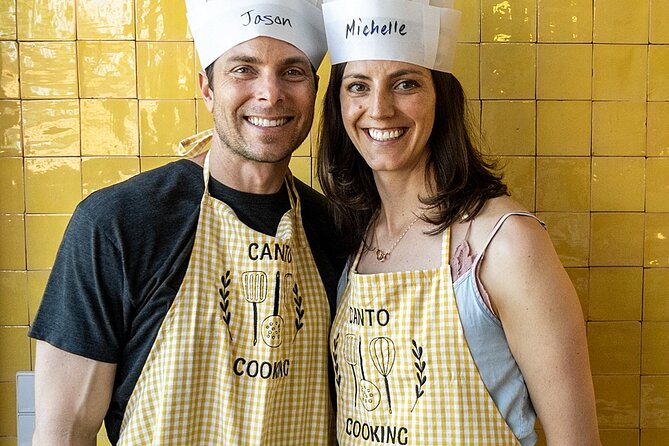
- apron provided for the class
- and take-home recipes plus Aguardente
For Porto, this is one of the more complete ways to do “food education” without stitching together multiple activities. If you tried to copy it on your own, you’d need to manage market tastings, find the right ingredients, and then pay for a kitchen setup and chef instruction.
Is it cheap? No. But if you like hands-on learning and you want a structured day that ends with a full meal and wine, the package price starts to make sense. You’re buying time with a chef plus a guided market context that most people skip.
Who should book this Porto tapas class
This experience fits best if you want:
- a small-group cooking setup (max 8), where the chef can actually help you
- a market walk that teaches you what you’re tasting
- hands-on cooking you can repeat at home
- lunch plus Douro wine rather than “snacks only”
It’s also a good couples activity. In feedback examples, people mention it as a fun shared kitchen day that feels lighter than you’d expect, even if one partner doesn’t cook often.
If you’re traveling solo and you like structured activities, the small group size helps you feel included rather than stuck as a spectator.
If you dislike walking through crowded spaces, you might find the market part uncomfortable. But the main kitchen time is where you’ll spend most of your attention.
Should you book? My take on the decision
Book it if you want a single day that covers Porto’s food in three steps: market ingredients, chef-led cooking, and a sit-down lunch with wine. This is the kind of experience that gives you skills, not just photos.
Think twice if you don’t want to handle your own route to the meeting point. There’s no pickup, and the start is 10:30 am at Flores do Bolho Apartment, Rua Alexandre Braga, n26 1, 4000-248 Porto.
If you’re okay being on your feet for part of the morning and you like learning by doing, this is a strong choice. Add in the recipe bag and Aguardente, and you’re not just passing time—you’re leaving with tools for your next home meal.
FAQ
What does the tour include?
The experience includes a market tour, a hands-on cooking workshop, and lunch featuring the dishes you prepare plus a glass of Douro Valley wine. It also includes barista coffee (and coffee/tea), an apron, and a goodie bag with recipes and a travel-friendly bottle of Aguardente.
What wine is included?
You’ll get one crisp glass of Douro Valley wine, served as white, rosé, or red. Additional wine can be purchased by the glass or by the bottle.
How many people are in the group?
The maximum group size is 8 travelers.
Is pickup or drop-off included?
No. Pick up and drop off from accommodation are not included, and the activity ends back at the meeting point.
Where does it start and when?
It starts at 10:30 am. The meeting point is Flores do Bolho Apartment, Rua Alexandre Braga, n26 1, 4000-248 Porto, Portugal.
Are vegetarian options available?
The information says vegan and vegetarian tapiscos are growing in Portuguese tapas culture, and the class menus include a range of traditional and modern tapas favourites. Specific vegetarian dishes can vary with seasonal menus.