REVIEW · NEGOMBO
Cooking Class and Market Visit in Negombo
Book on Viator →Operated by Real Lanka Holidays · Bookable on Viator
Curry starts with a morning market. I love how this market visit turns shopping into part of the lesson, so you’re not just watching food happen—you’re choosing ingredients that drive the flavors.
The hands-on pace of the cooking class is what makes it worth your time: you learn how Sri Lankan dishes are built around rice, coconut, chilies, and fragrant spices.
One thing to keep in mind is timing. The market stop is only about 30 minutes, so this is more mission-and-make-it than a slow stroll.
In This Review
- Key Highlights You’ll Feel During This Negombo Cooking Experience
- A Three-Hour Taste Plan in Negombo (Pickups and Real Timing)
- Picking Produce at the Negombo Vegetable Market (What You’re Actually Shopping For)
- From Market to Kitchen: How Sri Lankan Curry Flavors Get Built
- Cooking a Full Sri Lankan Meal: Curries, Sambols, and Rice You’ll Actually Finish
- Shashi, the Host, and the Home-Kitchen Style Learning Approach
- Price and Value: Is $70 Per Person Worth the Sri Lanka Market-to-Meal Swap?
- Should You Book This Negombo Cooking Class and Market Visit?
- FAQ
- How long is the Negombo cooking class and market visit?
- What’s included in the experience?
- Is pickup included, and what time does it happen?
- How long do you spend at the market?
- How long is the cooking class portion?
- Is this a private tour?
- Who hosts the class?
- Can I cancel for a full refund?
- Is there a mobile ticket?
Key Highlights You’ll Feel During This Negombo Cooking Experience
- Market-to-kitchen flow: You pick produce and spices first, then cook with what you bought
- Sri Lankan home-style instruction: Practical guidance for building curry, sambol, and rice flavors
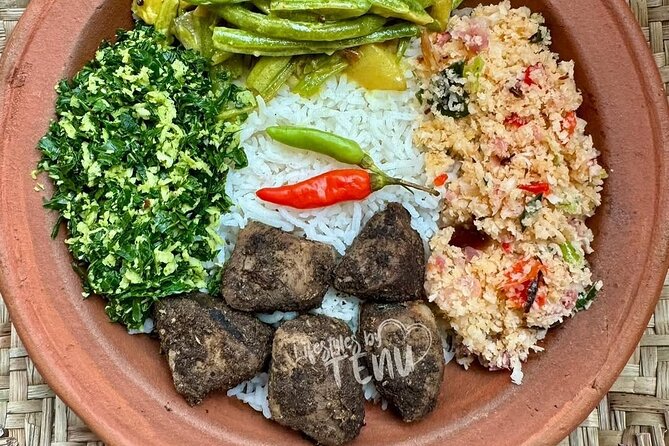
- Classic flavor anchors: coconut-based curries, spicy sambols, and perfectly cooked rice
- Seafood curry possibilities: one past menu mentioned tuna and devilled prawn curry
- Hotel pickup plus private format: pickup is offered, and it’s only your group
- Host support you can actually talk to: one review specifically praised Shashi for clear communication
A Three-Hour Taste Plan in Negombo (Pickups and Real Timing)
This is a focused, 3-hour, market-and-cook experience in Negombo, designed for people who want skills—not just photos and a passing taste.
You’ll have one of two pickup windows from your Negombo hotel: late morning around 11:00–12:00, or early evening around 18:00–19:00. From there, the route is simple: quick driving, a short market stop, then you head to the kitchen for the cooking portion, and finish with a return drop-off.
What that means for you: you should come with an appetite and a sense of “okay, let’s work.” The structure is tight enough that you’ll finish full, but not so rushed that you can’t ask questions while you cook. If you prefer half-day sightseeing, this won’t scratch that itch. If you want food skills you can recreate later, it’s a great fit.
Picking Produce at the Negombo Vegetable Market (What You’re Actually Shopping For)
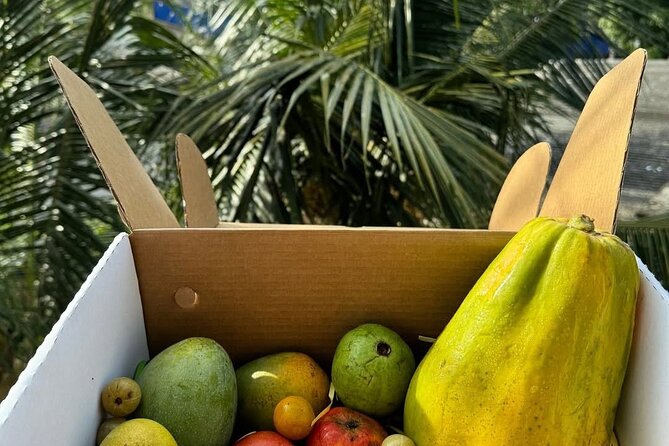
The market visit is the start button for the whole class. You’ll drive about 15 minutes to the Negombo Vegetable Market, and you’ll have about 30 minutes there.
In a short time, the goal isn’t to “see everything.” It’s to train your eye on what matters for Sri Lankan cooking:
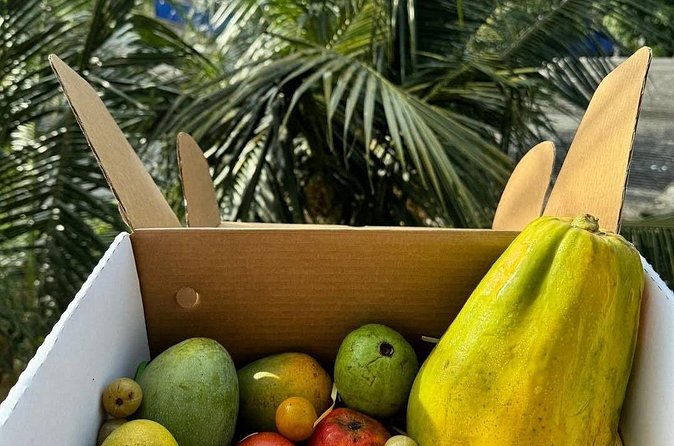
- how to spot fresh vegetables and herbs you’ll actually use in curry and sambol
- how spices and aromatics show up in daily meals
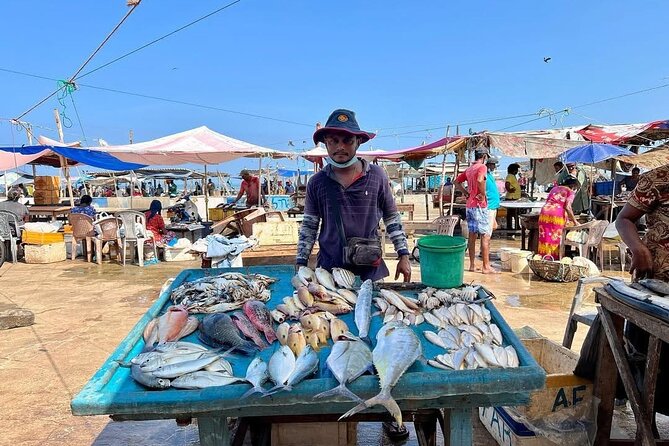
- how the day’s seafood can influence what you cook next
One past participant called out the pleasure of gathering ingredients in local Negombo life, then using what they picked to make dishes like tuna curry and devilled prawn curry. That’s the real value here: you’re learning the logic of choices, not just collecting ingredients for a demo.
Practical note: since you only have around 30 minutes, wear something comfortable and don’t overpack your hands with too many purchases. You’ll want to keep moving with the group and focus on the ingredients that will show up in your meal plan.
From Market to Kitchen: How Sri Lankan Curry Flavors Get Built
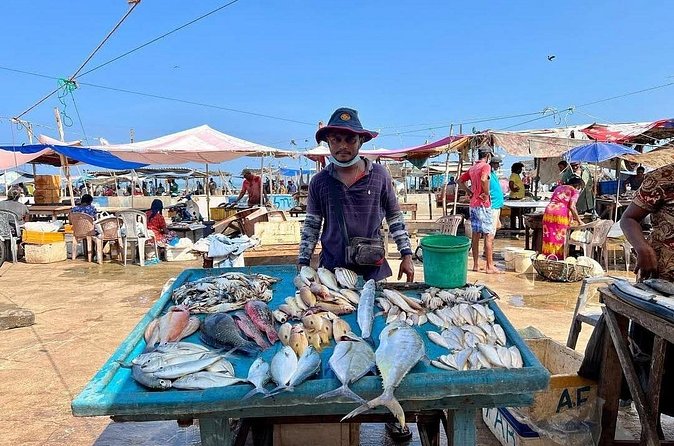
After the market, you’ll head to the cooking space with a short drive (about 10 minutes). Then the class portion starts—about 1.5 hours of cooking with guidance.
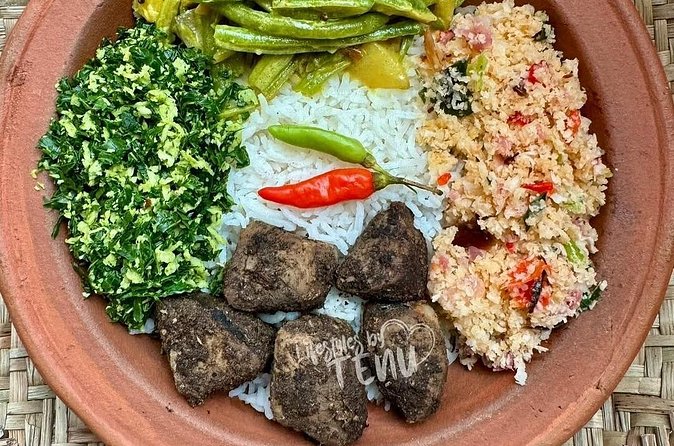
Sri Lankan cuisine is shaped by a mix of influences—Indian, Arab, Portuguese, Dutch, and Malay—and you feel those layers in the way spices, coconut, and rice work together. The cooking here is centered on everyday anchors you’ll recognize fast:
- coconut-based curries (creamy, warming, and built on spice balance)
- sambols (spicy, punchy flavor boosters)
- rice (the base that turns the whole plate into a proper meal)
What you’ll learn is how those flavors connect. For example, spices like cinnamon and chili aren’t just added for heat or smell. They’re part of a structure that helps coconut feel rich instead of heavy, and helps savory curry stay interesting all the way to the last bite.
The overview also points to aromatics like curry leaves, fresh herbs, and ground spices. Even if you’re not an advanced cook, you’ll come away with a clearer sense of what to buy and why it works—so later, when you’re cooking at home, you’ll know what’s doing the heavy lifting.
Cooking a Full Sri Lankan Meal: Curries, Sambols, and Rice You’ll Actually Finish
This class aims for a full meal you make yourself, not just one dish. Expect a hands-on session where you prepare multiple components that work as a unit.
Based on the tour description, the core menu style is:
- coconut-based curries
- spicy sambols
- rice cooked to a proper finish
Past feedback also mentioned dishes such as tuna and devilled prawn curry. That’s a helpful clue about how the class can line up with what’s available—especially when seafood shows up at the market. In real-life cooking, the “what’s fresh” question is always the starting point. Here, you’ll feel that connection firsthand.
Here’s how to get the most out of the meal part:
- Pay attention to how the sambol is treated as a flavor counterweight. It’s not just “hot sauce.” It’s a balance tool.
- Watch how the curry’s coconut profile changes as ingredients come together. You’re building toward a result, not mixing randomness.
- Focus on rice timing and texture. The description calls out perfectly cooked rice, and that matters because it’s what carries every scoop of curry and every bite of sambol.
If you’re sensitive to spice, tell your instructor when you start. The class is interactive, and the whole point is learning, so adjustment should be possible in a way that still keeps the flavors meaningful.
Shashi, the Host, and the Home-Kitchen Style Learning Approach
One of the most praised parts of this experience is the people side. Communication is highlighted as excellent, and the host named in feedback is Shashi—praised for being an excellent, knowledgeable guide.
That’s not a small point. Cooking classes can drift into a lecture where you just stand around. Here, the focus is hands-on. You’re working through steps with support, which is how you actually learn what to do again later.
Because it’s a private tour/activity—only your group participates—you don’t have to “wait your turn” in a crowded classroom. That also makes it easier to ask specific questions about ingredients you’re holding right then: What’s the right herb? How do these spices change the curry? Why is this sambol made this way?
If you like learning by doing, this is the right structure. If you’re expecting a theater-style show with everything prepped for you, you might find it more hands-on than you planned.
Price and Value: Is $70 Per Person Worth the Sri Lanka Market-to-Meal Swap?
At $70.00 per person, this is not a bargain, but it also doesn’t try to be a luxury dining experience. It’s priced like a practical, guided cooking lesson that includes:
- hotel pickup
- a market visit
- cooking instruction
- a full meal you helped create
- a private setup for your group
- mobile ticket delivery
- group discounts (depending on how you book)
The best value part is the market-cooking connection. Many classes teach cooking, but they don’t teach ingredient choice. Here, you get a short training session on selecting items that match Sri Lankan cooking logic—rice, coconut, spices, herbs, and seafood when it’s available.
Also, being booked on average about 35 days in advance tells you something: this isn’t the kind of activity you should try to add last-minute if you want the time slot that works best for your schedule.
Who gets the best value:
- foodies who want more than tasting
- curious cooks who want a repeatable framework
- couples and small groups who prefer private instruction
Who might pause before booking:
- people who want a long market experience (this one is about 30 minutes)
- anyone who hates spice and doesn’t want to adjust sambol heat
Should You Book This Negombo Cooking Class and Market Visit?
If you want a quick, high-satisfaction way to understand Sri Lankan food, I’d say yes—with one condition: you’re okay with a timed market stop and you’re ready to cook.
Book it if:
- you love the idea of shopping for the meal and then making it
- you want to take home more than recipes—an ingredient mindset for curry, sambols, and rice
- you like small, private-group instruction in a home-style format
- you’d enjoy dishes like coconut curries and sambols, with seafood options such as tuna or devilled prawn curry when available
Consider another option if:
- you want a more relaxed, slow market wander with lots of extra time
- you’d rather watch a chef cook while you snack
- you’re hoping for a full day of sightseeing beyond food
FAQ
How long is the Negombo cooking class and market visit?
It lasts about 3 hours.
What’s included in the experience?
You’ll visit the local market, then participate in a hands-on Sri Lankan cooking class where you prepare a full meal that includes coconut-based curries, sambols, and rice.
Is pickup included, and what time does it happen?
Yes, pickup from your Negombo hotel is offered. Pickup windows are listed as 11:00–12:00 and 18:00–19:00.
How long do you spend at the market?
The market visit is about 30 minutes.
How long is the cooking class portion?
The cooking class portion is about 1 hour and 30 minutes.
Is this a private tour?
Yes. It’s a private tour/activity, so only your group participates.
Who hosts the class?
The host mentioned in participant feedback is Shashi.
Can I cancel for a full refund?
Yes. You can cancel up to 24 hours in advance for a full refund.
Is there a mobile ticket?
Yes, a mobile ticket is included.
—
If you tell me your travel dates and whether you prefer the late-morning or early-evening pickup, I can help you decide which slot fits better with your Negombo plans.