REVIEW · TOKYO
Tsukiji Fish Market: Street Food Tour with Tasting
Book on Viator →Operated by Local Guide Stars · Bookable on Viator
Crowds, seafood, and a plan that works. This Tsukiji street food experience strings together market sights and tastings with a guide who keeps the momentum going. I especially like the built-in fish-cutting show, because it explains what you’re about to eat instead of tossing food at you.
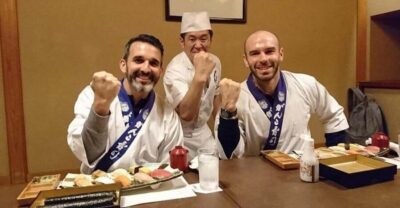
I also like the food lineup: premium sushi or a seafood rice bowl, Wagyu beef skewer, Wagyu menchi katsu, tamagoyaki (sweet omelette), grilled eel, shumai, and a strawberry dessert. And yes, the special wasabi set matters here, since pairing is part of the point.
One possible drawback: Tsukiji can be busy, and the whole experience is about 2 hours, so expect to stand, walk, and eat at a steady pace.
In This Review
- Key Highlights You’ll Actually Feel
- Tsukiji Street Food Tasting: What the 2 Hours Really Covers
- Meeting Point and Group Flow at Tsukiji
- Stop 1: Tsukiji Jogai Market Street Food and Japanese Food Culture
- Stop 2: The Whole Fish Filleting Show and Your Fresh Seafood Bowl
- Stop 3: Tsukiji Fish Market Atmosphere Where Traders Work
- Stop 4: Tsukiji Hongwanji Temple and Buddhism in 15 Minutes
- What’s Included in the Tastings (and Why the Combo Works)
- Price and Value: What $97.55 Buys in Tsukiji
- Is This Tour Right for You?
- Book It or Pass: My Practical Take
- FAQ
- How long is the Tsukiji Fish Market street food tour with tasting?
- What does the tour cost per person?
- What food is included in the tasting?
- Where does the tour stop during the experience?
- How big is the group?
- Is cancellation free?
Key Highlights You’ll Actually Feel
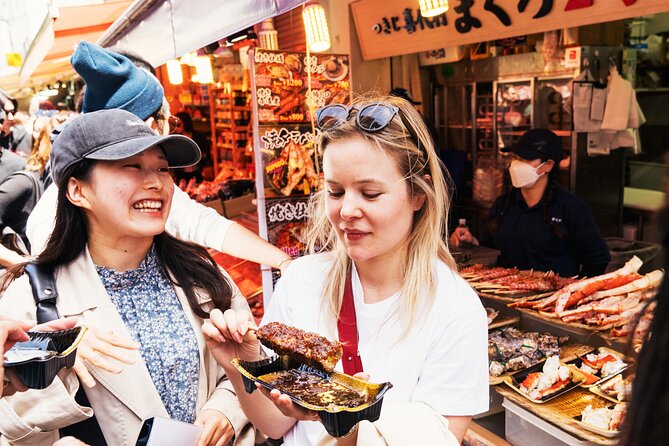
- Small group (max 15) helps you move without getting lost in the crowd
- Wasabi set from your guide is part of the tasting logic, not a random add-on
- Whole fish filleting show teaches traditional technique, then you eat a fresh seafood bowl
- Trader-only market atmosphere shows how the working fish market feels in real time
- Tsukiji Hongwanji Temple adds cultural context with Buddhism in a short stop
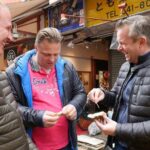
- Guides like Kawa and Tomo are praised for navigating crowds and asking stall owners questions for you
Tsukiji Street Food Tasting: What the 2 Hours Really Covers
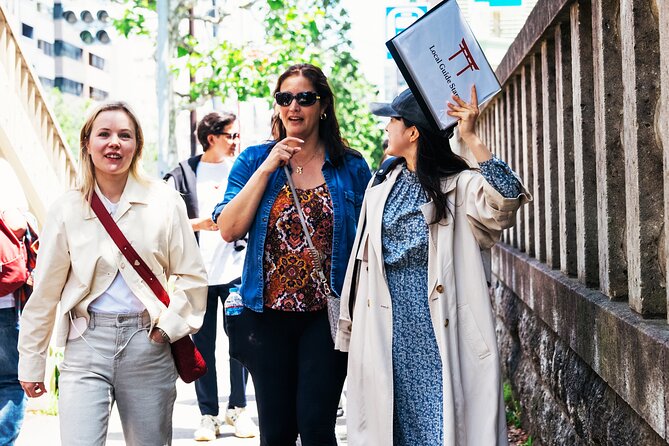
This isn’t a long “slow food” stroll. It’s a tight, high-signal food run through Tokyo’s best-known seafood area. You get guided access to the places where people buy and process seafood, plus tastings that match what you’re seeing.
The value is that the tour teaches by pairing. You’re not only tasting sushi, Wagyu, eel, and dumplings—you’re also hearing how artisan methods and preservation techniques affect flavor. That makes the food more memorable, because you understand why something tastes clean, bold, or a little sweet.
The tour also mixes three kinds of stops: food-market street level (where you eat), a craft moment (where you watch technique), and a culture stop (where you put food into a bigger Japanese context). If you’re the type who likes a clear plan instead of wandering and guessing, this format fits.
You can also read our reviews of more tours and experiences in Tokyo.
Meeting Point and Group Flow at Tsukiji
You’ll start at 築地本願寺本堂3-chōme-15-1 Tsukiji, Chuo City, Tokyo 104-0045, Japan. It’s a practical anchor point, and the tour ends back around the same place.
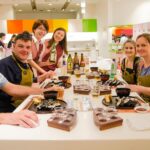
This is designed as a small-group experience with a maximum of 15 people. That matters more than you might think in Tsukiji. With a bigger group, you end up waiting or getting squeezed between stalls. Here, the pacing feels more controlled, so you can actually taste instead of queue.
You also get a mobile ticket, which cuts down on the little friction points that eat up time on market days. And because you’re near public transportation, you can plan your day in a normal Tokyo way: arrive, meet, tour, then head onward without building your entire schedule around one complicated transfer.
Stop 1: Tsukiji Jogai Market Street Food and Japanese Food Culture
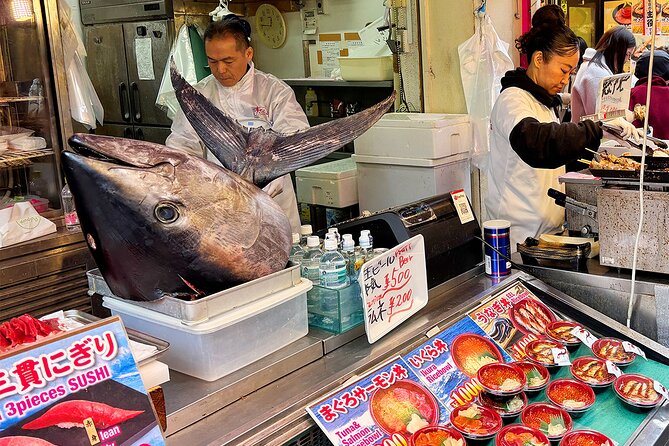
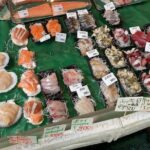
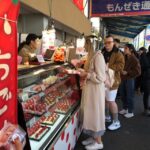
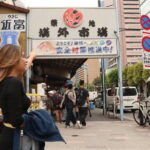
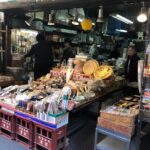
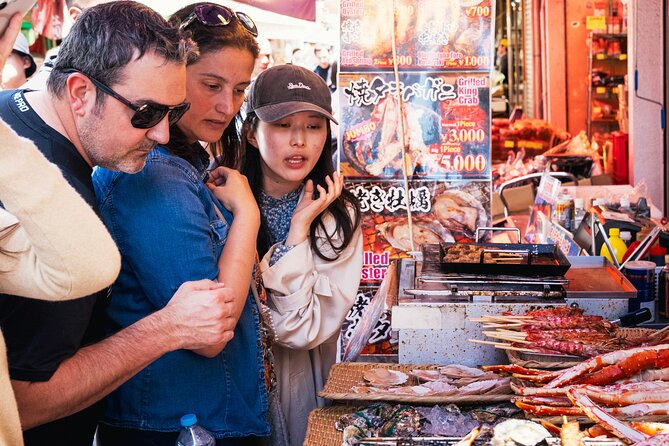
Your first stop is Tsukiji Jogai Market, focused on street food and food culture. You get about 45 minutes here, and admission is free. That time window is enough to get oriented and start tasting while you still have energy to compare flavors.
What I like about this opening is that it helps you read the market quickly. Tsukiji can look like a blur if you’re just walking in. With a local guide, you learn what to pay attention to—how vendors present items, what kinds of seafood preparations show up where, and what “everyday market food” looks like in practice.
This is also the stop that sets expectations for the rest of the tour. Once you’ve had the first round of street bites, the later items—like the Wagyu skewers and the dumpling—make more sense. You understand the logic of the tasting route instead of treating it like a random sampler.
A practical tip: come hungry and plan to stand. Street-market tastings are usually quick, and the guide’s job is to keep the group moving. If you slow down too much, you’ll feel rushed. So try to keep your pace consistent for the first 30 minutes, then you’ll settle into the flow.
Stop 2: The Whole Fish Filleting Show and Your Fresh Seafood Bowl
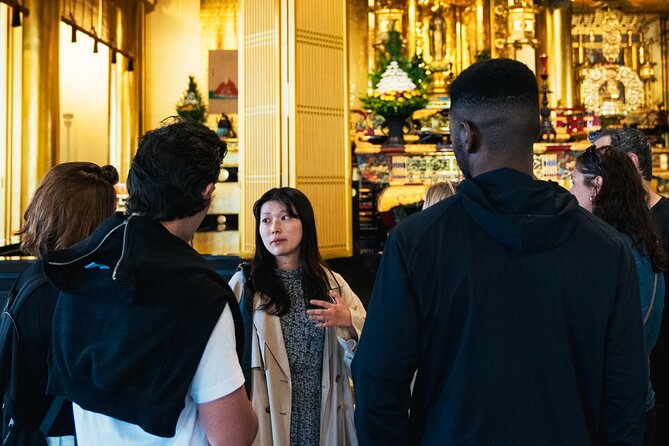
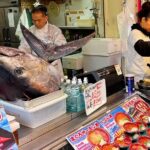
Next comes the craft stop, still around Tsukiji Jogai Market, with about 30 minutes of attention on an exclusive fish-cutting show. Admission is included for this portion.
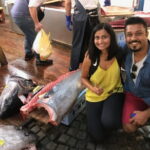
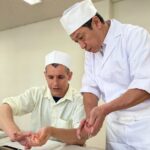
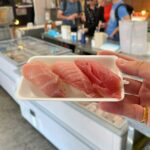
This is the “why does it taste like that?” segment. A skilled chef fillets a whole fish using traditional techniques. Even if you don’t speak Japanese, watching the steps gives you a sensory education: how cuts change texture, how the flesh is handled, and how precision affects bite quality.
Then you get to eat the result with a fresh seafood bowl. That pairing is a smart move. You don’t have to mentally connect a watched skill to a random tasting later. You watch technique, then you taste a bowl that reflects what the chef is doing.
This section is also where the guide’s role really earns its fee. The tour is built to connect flavors to methods, and guides help you notice details you might otherwise miss—things like how freshness and preparation shape umami (the savory depth people chase in Japanese cooking). If you’ve ever wondered why raw or lightly prepared seafood tastes so clean in Japan, this is the kind of explanation that helps it click.
Stop 3: Tsukiji Fish Market Atmosphere Where Traders Work
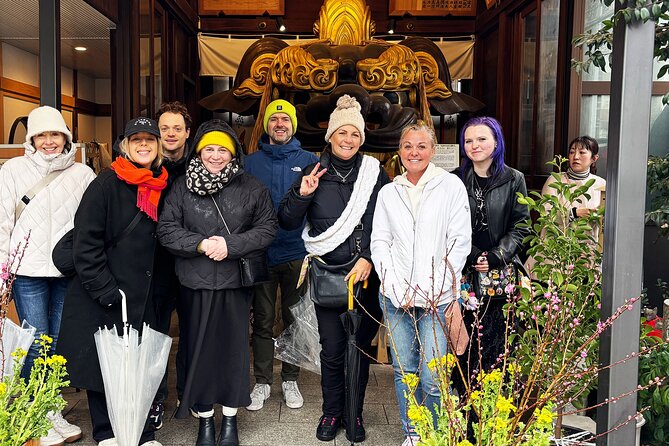
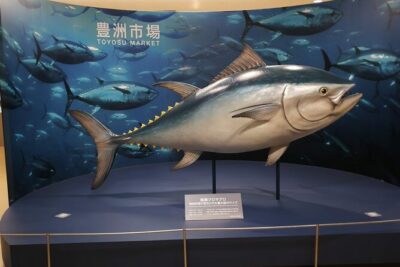
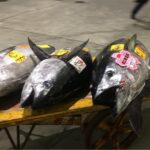
After the show and bowl, you head into Tsukiji Fish Market for about 30 minutes. Admission is free here, and the focus shifts from eating to atmosphere.
This is one of those Tokyo experiences that can’t be fully replicated by photos. The working market feel is different from a tourist-style food hall. You’re in an environment where professionals operate, and that changes the vibe fast. Even if you’re not buying anything, you can feel how the place runs on timing, repetition, and expertise.
Why this stop matters: it turns your food day into a food story. The previous moments explained technique and flavor logic. This one shows you the system behind it—how seafood moves through the market and why that affects what you can taste nearby.
If you’re sensitive to crowds, go in with realistic expectations. Tsukiji is busy, and you’ll be shoulder-to-shoulder at times. The best strategy is to follow your guide closely during transitions, then give yourself a small moment to look around once you’re in place.
Stop 4: Tsukiji Hongwanji Temple and Buddhism in 15 Minutes
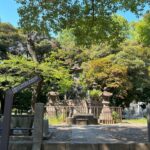
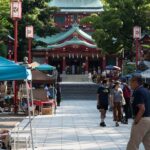
The tour ends with Tsukiji Hongwanji Temple for about 15 minutes. Admission is free, and you’ll enter with a local guide who explains Japanese culture and Buddhism.
This part is short, but it adds balance. Food-only tours can leave you feeling like Japan is just snacks and shopping bags. A temple stop brings you back to the slower, more reflective side of the city. It’s a reminder that Japanese food culture grew in a society shaped by ritual, community, and everyday tradition.
Also, it helps reset your senses. After standing around markets and tasting multiple items, a calm cultural stop gives you a break from the noise and the smell of seafood. Think of it as a palate reset plus cultural context—fast, but useful.
What’s Included in the Tastings (and Why the Combo Works)
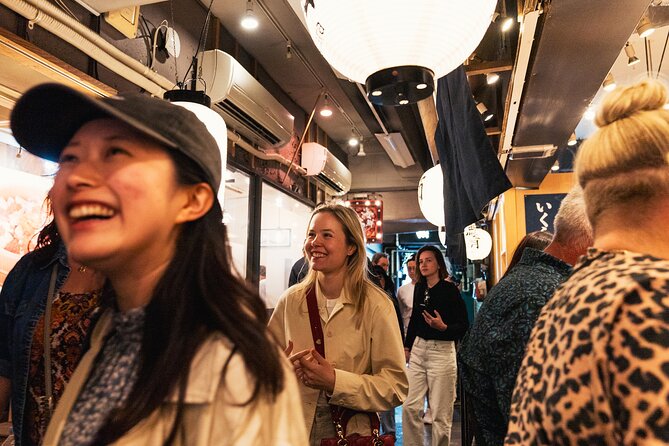
The tour includes a full set of tastings. Here’s the lineup you should expect:
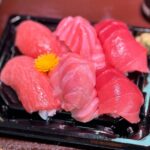
- Premium sushi or a seafood rice bowl
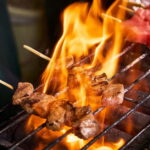
- Wagyu beef skewer
- Wagyu menchi katsu
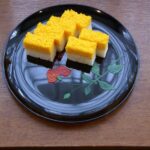
- Tamagoyaki (sweet omelette)
- Grilled eel
- Shumai (dumpling)
- Strawberry dessert
- A special wasabi set provided by your guide to enhance the flavor
The reason this combo works is variety with logic. You get:
- Clean seafood (sushi or a bowl, plus seafood elements)
- Rich meat (Wagyu skewers)
- A fried, savory bite (menchi katsu)
- An egg-based sweet-savory touch (tamagoyaki)
- A smoky, sweet depth (grilled eel)
- Steamed dumpling comfort (shumai)
- Something refreshing at the end (strawberry dessert)
And the wasabi set isn’t treated like a gimmick. Guides explain how fresh wasabi can sharpen raw fish flavors, which is why it’s included in the experience plan rather than offered optionally at checkout. That pairing helps you taste more than one dimension in the same bite: freshness first, then the bite and heat.
One smart move: when your guide offers guidance on pairings, don’t ignore it. These markets are fast, and the flavor differences can be subtle unless you know what to look for. Use the guide’s instructions to slow your attention down for a second at each stall.
Price and Value: What $97.55 Buys in Tsukiji
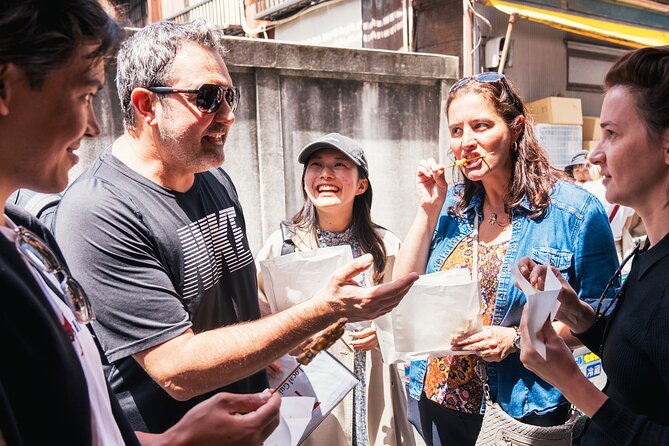
At $97.55 per person, you’re paying for speed, structure, and a lot of food in a short window. The tour lasts about 2 hours, so you’re essentially buying a guided tasting program plus a craft demonstration, not just access to stalls.
To judge value, look at what’s included. This isn’t a single bite or two. You get multiple items that would be hard to replicate alone in the exact same order: sushi or a rice bowl, Wagyu dishes, tamagoyaki, grilled eel, shumai, and dessert, plus the wasabi set.
You’re also paying for interpretation. A big part of why this tour feels worth it is that you’re not just eating. You’re learning how techniques and preservation methods affect flavor and umami. That’s why the filleting show matters. The experience is designed so your tastings connect to what you’re watching.
If you like markets but don’t want to spend your entire morning figuring out what to try, this price can feel fair. If you’re the type who enjoys slow independent exploration and already knows exactly where to eat, you might compare. But for most first-timers, the guide-led order and packed menu are what justify the cost.
Is This Tour Right for You?
I think this tour is best for:
- First-timers to Tsukiji who want a clear tasting path
- Food lovers who care about how things are made, not only how they taste
- People who like small groups and hate getting stuck in lines without a plan
- Travelers who want market energy plus a quick cultural stop
You might skip it if:
- You prefer long, wandering market time with no structure
- You can’t handle standing and moving at a steady pace
- You’re on a very strict diet or have many food restrictions, since the tasting set is part of the package
It also helps if you’re comfortable being outdoors and around crowds. This is a working market area. Even with a guide, you’ll feel the real Tsukiji atmosphere.
Book It or Pass: My Practical Take
I’d book this tour if you want Tsukiji food with context. The best part isn’t any one dish—it’s the sequence: market street bites, a whole-fish craft moment, an active market atmosphere, and then a temple stop. That structure makes the experience feel organized, not random.
I’d pass if you already have a strong plan for Tsukiji meals and you’d rather spend more time roaming independently. In that case, a self-guided route can feel more flexible.
If you do book, choose comfortable shoes and plan to eat steadily. And when your guide offers help with selections or pairing, take it. That guidance is what turns a crowded market into a smooth, satisfying food story.
FAQ
How long is the Tsukiji Fish Market street food tour with tasting?
The tour lasts about 2 hours.
What does the tour cost per person?
The price is $97.55 per person.
What food is included in the tasting?
You’ll get premium sushi or a seafood rice bowl, Wagyu beef skewer, Wagyu menchi katsu, tamagoyaki, grilled eel, shumai, a strawberry dessert, and a special wasabi set provided by your guide.
Where does the tour stop during the experience?
It includes stops at Tsukiji Jogai Market, Tsukiji Fish Market, and Tsukiji Hongwanji Temple.
How big is the group?
The maximum group size is 15 travelers.
Is cancellation free?
Yes. You can cancel up to 24 hours in advance for a full refund.