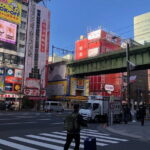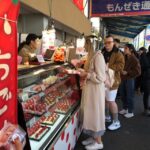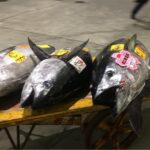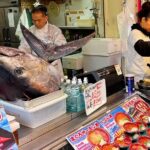
Tokyo’s fish market is loud in spirit, even on a walk. This small-group tour mixes Tsukiji food sampling with Japanese temple and shrine stops, so you don’t just eat—you learn how locals see the place. You’ll also finish at a sky deck with a better sense of where everything sits around the former Tsukiji market area.
Two things I really like: first, the tour keeps a tight focus on what you can actually taste. Snacks are included (2–3 samples), and a guide helps you handle the language gap as you graze. Second, the itinerary doesn’t stop at fish counters—it brings you to Tsukiji Hongwanji Temple and Namiyoke Inari Shrine, which makes the whole experience feel tied to the neighborhood, not just the market floor.
One drawback to consider: lunch isn’t included, and the tour is only about 2 hours. If you’re expecting a full sit-down meal or a long market hang, you’ll want to plan your own time and budget for the extra meal stop.
In This Review
- Key highlights you’ll feel fast
- Tsukiji on Foot: Why This Walk Makes Sense for Food Lovers
- Tsukiji Hongwanji Temple Etiquette: Incense, Prayer, and How Not to Stick Out
- Fish Market Grazing in the Real World: Snacks, Street Stops, and a Lunch Option
- What to watch for during the market walk
- Namiyoke Inari Shrine: The Local Map Behind the Fish Market
- Caretta Shiodome Sky Deck: Views That Put Tsukiji in Perspective
- Good to know
- Price and Value: Is $26.16 Worth It?
- Who This Tour Fits Best (and Who Might Prefer Something Else)
- Practical Things to Do Before You Go
- Should You Book This Tokyo Tsukiji Market Walking Tour?
- FAQ
- How long is the Tokyo Tsukiji Fish Market Walking and Exploring Hidden Gems Tour?
- How much does the tour cost?
- What’s included in the tour price?
- Is lunch included?
- Where does the tour start and end?
- What is the maximum group size?
- FAQ
- What time does the tour start?
- Is there free cancellation?
- What happens if I’m late?
- Is the temple/shrine entry fee included?
Key highlights you’ll feel fast
- Max 10 people means you’re not swallowed by the crowd crush
- Temple etiquette at Tsukiji Hongwanji teaches how to behave with incense and prayer
- 2–3 snack samples included so you can sample Tsukiji flavors without guessing
- Namiyoke Inari Shrine adds local context, including market-area history
- Caretta Shiodome sky deck finish gives you a view of the former Tsukiji footprint
Tsukiji on Foot: Why This Walk Makes Sense for Food Lovers
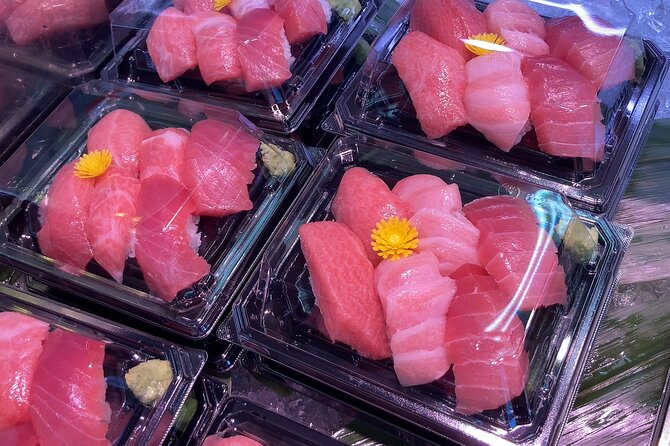
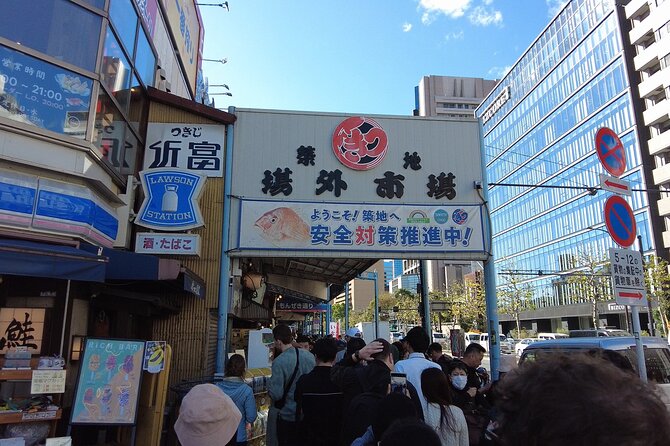
Tsukiji is one of those Tokyo areas where you can eat your way through history—if you know where to look. This tour works because it’s not just a shopping stroll. It’s a planned route that pairs food with cultural stops, so you understand what you’re seeing and why it matters to the local neighborhood.
The pacing is friendly. It runs about 2 hours with a small group capped at 10. That matters in Tsukiji, where crowds can make even simple things—like figuring out what’s worth trying—feel like a side quest.
And the guide angle is a real value add. You’re in Japan, and you’re dealing with food choices where the right ordering word can make your life easier. A local guide helps you navigate those moments and keeps you moving through the right lanes at the right times.
You can also read our reviews of more tours and experiences in Tokyo.


Tsukiji Hongwanji Temple Etiquette: Incense, Prayer, and How Not to Stick Out
You start at Tsukiji Hongan-ji Temple near 3-chōme-15-1 Tsukiji. The first stop is about 20 minutes, and admission is free. This isn’t a long lecture. It’s more practical than that: you learn how to behave at a temple in a way that reads as respectful in Japan.
The tour includes a traditional ritual element tied to Johdo Shinsyu style, including what people do around incense and prayer. Even if you’ve visited temples before, the benefit here is timing and guidance. You’ll avoid the common tourist habits—standing in the wrong place, rushing the ritual, or accidentally treating it like a photo moment.
If you like learning by doing, this is a smart opener. It sets a tone for the rest of the route. Then you shift from temple calm to market energy, with your brain already in the right mode: watch, follow, then eat.
Practical tip: temples and shrines can have rules about where you can walk and how you handle items. Wear shoes you can move in comfortably. You’ll be doing more standing and walking than you might expect for a “short” start.
Fish Market Grazing in the Real World: Snacks, Street Stops, and a Lunch Option
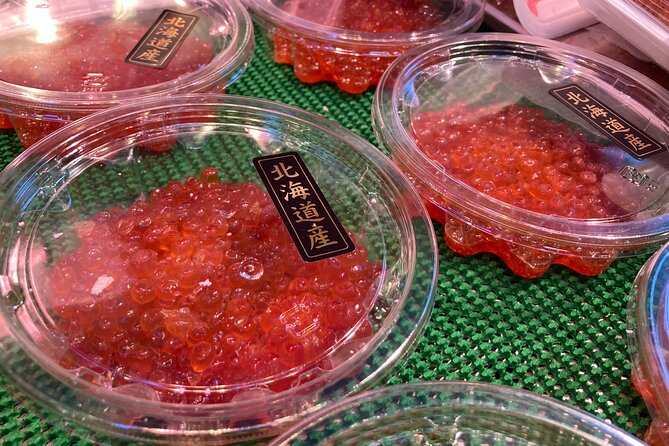
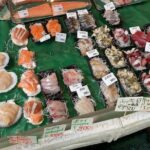
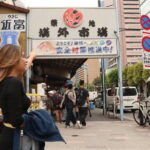
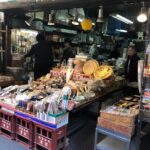
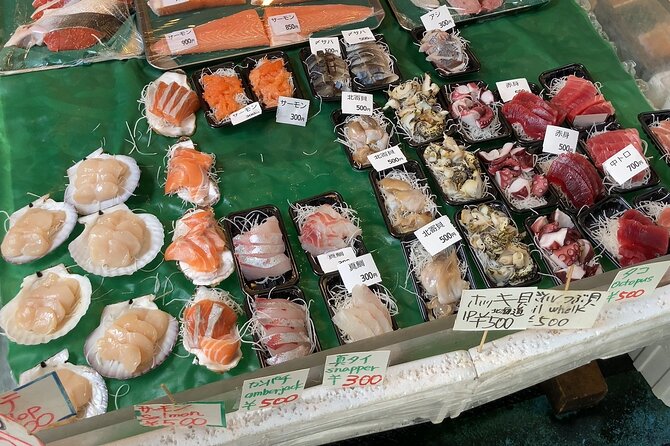
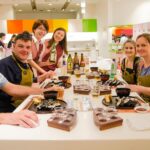
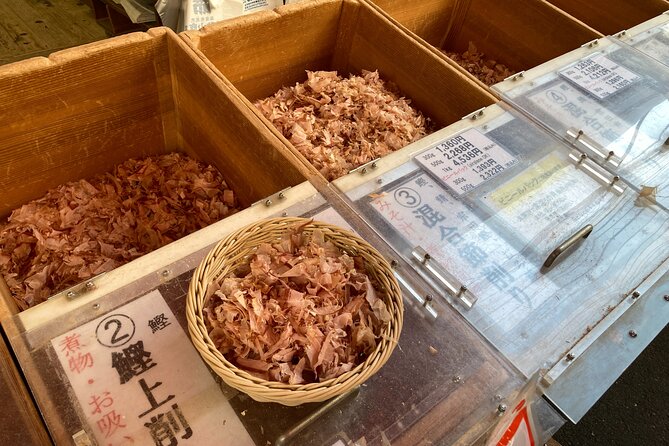
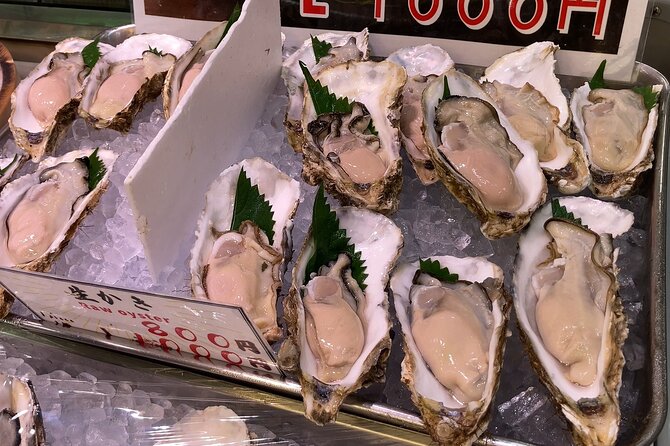
The heart of the experience is the Tsukiji area tasting. The market portion takes about 1 hour. You’ll walk and explore Tsukiji outside the market, then focus on eating—street food style—with guide help.
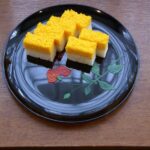
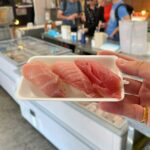
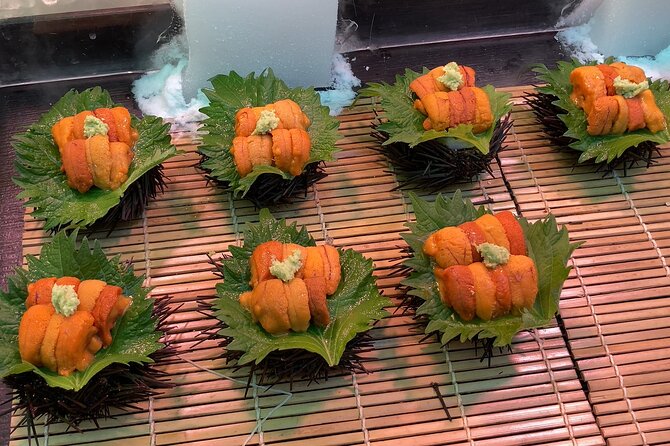
Here’s where the tour earns its keep: snacks are included. You get 2 or 3 food samples, and the guide supports you through ordering and choosing. That means less time staring at menus, more time eating what’s actually good right now.
The route also includes a guided stop at a smaller restaurant inside the market area for lunch together. Lunch itself is not included (and soda/pop isn’t included either). So you should treat this as a smart structure: you get shown where to go, then you cover your own meal.
One thing that comes up in the food success stories for this tour is how well the guide reads the situation. The guide Inok is praised for knowing the best stops for items like tuna, wagyu, and even an ice cream break. That’s exactly what you want from a market walk: not just eating, but eating the right things.
What to watch for during the market walk
- Expect lots of small choices. If you have a strong allergy or food restriction, you’ll want to flag it early so the guide can steer you toward safer options.
- You’re not here for a long sit-down. The schedule is built for grazing and quick local meals, not a multi-hour restaurant binge.
- Bring the right mindset: you’ll get more out of this if you stay flexible and let the guide choose some of the stops.
If you’re the kind of eater who loves “one bite, then next bite,” this section is tailor-made.
Namiyoke Inari Shrine: The Local Map Behind the Fish Market
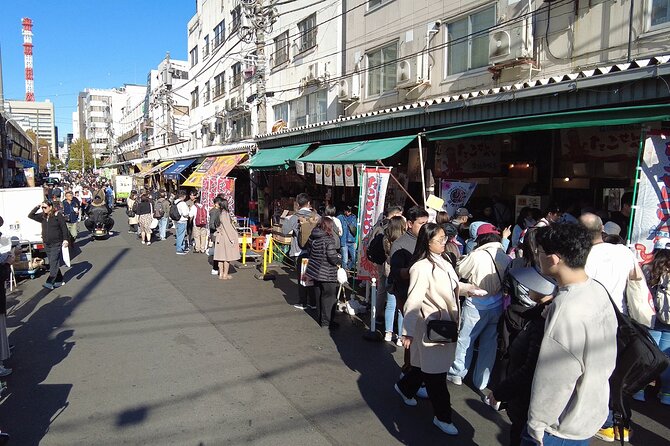
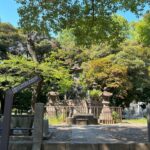
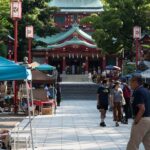
After the market tasting, you head to Namiyoke Inari Shrine for about 20 minutes. Admission is free. This stop is more than a scenic break. It gives you local Tsukiji context and helps explain why this area has always been tied to the sea, work, and daily life.
The shrine is described as being for the local Tsukiji area. You’ll also see references to Tsukiji fish market history and learn about what Shito is. That’s the kind of detail that makes the market walk feel less random. It connects the food you’re tasting to the human side of the neighborhood—beliefs, roles, and local continuity.
Another detail that’s helpful: the area is guided in a way that locals know. You’ll see routes and sales-shop views along the way to the shrine that typical first-time wandering often misses. It’s not about “finding a secret.” It’s about moving along the right paths so the market feels like a working district, not just a photo set.
Practical tip: shrines are usually easy to visit, but you’ll still want to follow the pace of the group. This is a guided learning stop, not a free-for-all where you pop off for extra photos.

Caretta Shiodome Sky Deck: Views That Put Tsukiji in Perspective
The tour wraps at Caretta Shiodome, finishing at the sky deck. The stop is about 20 minutes, and it’s free. This is where the tour turns from tasting to understanding.
From above, you can start to see how Tsukiji’s old footprint fits into the surrounding blocks. You’ll also get a sense of remnant elements tied to the Tsukiji fish market area—enough to help the ground-level sights click into place.
This is a useful ending for most people. Market tours can make you feel like you walked through a food maze. The sky view helps you get your bearings fast and makes it easier to remember what you saw—and where you saw it.
Good to know
The sky deck finish also means you’re not spending your last minutes hunting for transit. You’ll already be in the end zone, and you can plan your next stop from there.
Price and Value: Is $26.16 Worth It?
At $26.16 per person for about 2 hours, this is priced like a budget-friendly food-and-culture sampler. The real value isn’t just the price tag. It’s what you get inside that short window.
You’re buying:
- A local guide for roughly 2 hours
- Snacks: 2–3 food samples included
- Tour photos
- Temple and shrine visits with free admission noted for those stops
Lunch and soda/pop aren’t included, so yes, you’ll likely spend a bit more if you choose to eat the lunch option. Still, the tour reduces the hardest part of food travel: figuring out where to go and what’s worth your time.
Also, the group size cap of 10 is meaningful at Tsukiji. You get guidance without feeling like you’re herded. That’s a comfort and value factor, not just a “nice to have.”
If you’re weighing this against a self-guided Tsukiji walk, the cost difference often comes down to one thing: time. With a guide, you waste less time deciding and you miss fewer key moments like temple etiquette and the shrine context.
Who This Tour Fits Best (and Who Might Prefer Something Else)
This works especially well if:
- You’re a foodie who likes organized tasting, not guessing
- You want a small-group experience in a place that can get crowded
- You’d rather learn proper temple behavior than just snap photos
- You prefer a route that mixes food with local culture in a short time
You might consider skipping this if:
- You want a full-day market experience with lots of seated time (this is about 2 hours)
- You expect lunch to be included in the price (it isn’t)
- You have very specific dietary needs and want full control over every bite (the guide can help, but snacks and lunch details aren’t listed here)
For most visitors who want a smart, not-too-long Tsukiji stop, this is a strong match.
Practical Things to Do Before You Go
A few habits will make this smoother:
- Wear comfortable walking shoes. Market sidewalks can be uneven, and you’ll do several stops in a row.
- Arrive a bit early. The tour starts at 10:00 am, and the guide waits up to 10 minutes after the start time (until 10:40). After that, refunds aren’t available per the tour rules.
- Plan on bringing money for lunch since it’s not included. Soda/pop also isn’t included.
- If you want photos, let the guide do their job. Tour photos are included, so you can focus on eating and watching.
This is the kind of tour where you’ll enjoy the day more if you let the schedule guide you.
Should You Book This Tokyo Tsukiji Market Walking Tour?
If you want a short, high-impact Tsukiji experience with real local guidance, I’d book it. The included snacks, the small group size, and the cultural stops at Tsukiji Hongwanji Temple and Namiyoke Inari Shrine make it more than a simple food walk. And ending at the Caretta Shiodome sky deck is a smart way to lock in what you saw below.
Book it if you’re thinking: I want to eat, I want a plan, and I’d like to understand what I’m looking at. Skip it if you’re chasing a long market marathon or you only want restaurant time. For everyone else, it’s a solid way to make Tsukiji feel like a neighborhood with stories, not just a checklist of bites.
FAQ
How long is the Tokyo Tsukiji Fish Market Walking and Exploring Hidden Gems Tour?
It’s about 2 hours.
How much does the tour cost?
The price is $26.16 per person.
What’s included in the tour price?
The tour includes a 2-hour guided experience, tour photos, and snacks consisting of 2 or 3 food samples in Tsukiji Fish Market.
Is lunch included?
Lunch is not included, and soda/pop is also not included.
Where does the tour start and end?
It starts at Tsukiji Hongan-ji Temple and ends at Caretta Shiodome at the sky deck.
What is the maximum group size?
The tour has a maximum of 10 travelers.
FAQ
What time does the tour start?
The start time is 10:00 am.
Is there free cancellation?
Yes. You can cancel up to 24 hours in advance for a full refund.
What happens if I’m late?
The guide waits up to 10 minutes after the tour starting time (until 10:40am). After that, the tour begins and refunds aren’t available for the tour fee.
Is the temple/shrine entry fee included?
The tour lists admission as free for the temple and shrine stops.