REVIEW · TOKYO
Tsukiji Fish Market Small-Group Food Walking Tour
Book on Viator →Operated by MagicalTrip Inc. · Bookable on Viator
Fresh seafood and shrine sights in Tokyo.
This small-group Tsukiji walk is built around eating as you go, with a set seafood lunch that keeps the morning from turning into a wandering snack hunt. You’ll also get the cultural layer—religious spots inside the Tsukiji area—so it’s more than just food photos.
Two things I especially like: first, the pace is set for tasting, not sprinting. You sample at multiple market stalls and shops, then sit down for a real lunch. Second, the tour blends food with place—so you learn why Tsukiji isn’t only a market, but also a spiritual corner of the city, including a Shinto shrine and a Buddhist temple.
One thing to consider: this is not a special-diet tour. Vegan options are not available, and they can’t guarantee allergy-free food (food is prepared in kitchens not belonging to MagicalTrip), so you’ll want to think carefully if you have serious restrictions.
In This Review
- Key highlights you’ll feel right away
- Tsukiji Outer Market: what you’re really seeing (and why it still works)
- From Tsukiji Station Exit 1 to a 3-hour food loop
- The seafood sampling: how the snacks add up to real satisfaction
- Old Tsukiji Market: the history + religion angle you don’t get on a self-walk
- Jogai Market for more bites, plus that Tokyo view moment
- Lunch at the market: what’s included and how to order
- Guides: the difference between tasting and understanding
- Price and value: why $87.37 can make sense in Tokyo
- Practical tips so your morning stays pleasant
- Who this tour fits best
- Should you book the Tsukiji Fish Market Small-Group Food Walking Tour?
- FAQ
- How long is the Tsukiji Fish Market Small-Group Food Walking Tour?
- What is included in the price?
- Where do I meet for the tour?
- Where does the tour end?
- How many people are in the group?
- Does the tour include religious or cultural stops?
- Are vegan options available?
- Can you accommodate allergies or dietary restrictions?
- Is admission charged for market stops?
- What should I bring for summer in Tokyo?
- Is free cancellation available?
Key highlights you’ll feel right away
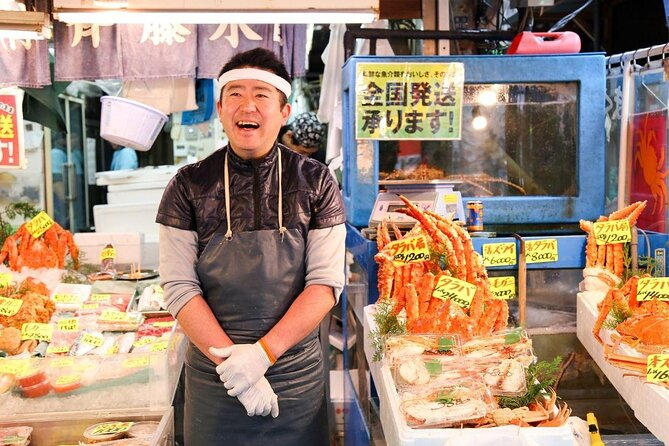
- Max 7 people means you’re not stuck behind a crowd and you get time to ask questions.
- Fresh seafood lunch included so you leave full, not just “a few bites” happy.
- Outer market focus (the wholesale auction moved to Toyosu long ago), but Tsukiji is still very much active.
- Temple + shrine stops give you context for Japanese food culture and everyday ritual.
- Tokyo bay / city view moment breaks up the walking with a proper payoff.
- Summer-ready advice: hot and humid, so bring water and a hat.
Tsukiji Outer Market: what you’re really seeing (and why it still works)
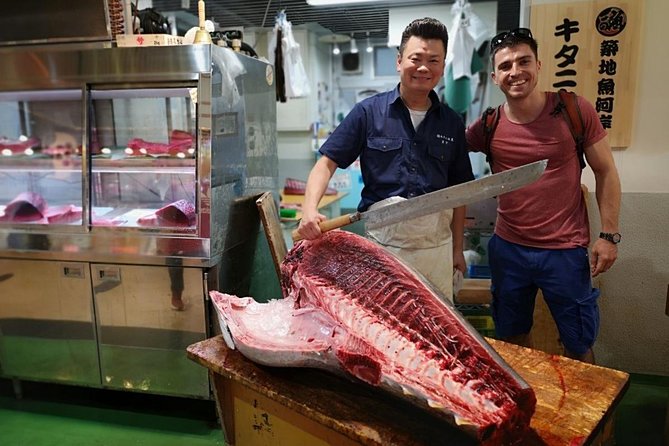
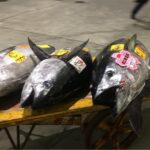
First, let’s set expectations. Tsukiji’s famed inner wholesale auction area moved to Toyosu years ago. That means you won’t be touring the exact same “auction-floor” scene people picture from old documentaries.
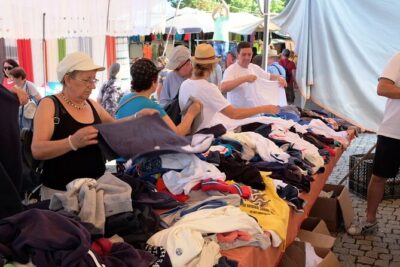
But the good news is this: Tsukiji’s Outer Market area and nearby food lanes are still alive with seafood vendors, snack counters, and everyday market energy. This tour leans into that reality. You’re not paying to chase a vanished auction. You’re paying to eat well in the part of Tsukiji that still serves the public, then connect it to the human side of the neighborhood—its religious sites and history.
The result feels practical. You’re walking through working market streets, trying food where locals and buyers show up, and learning just enough to make it make sense.
You can also read our reviews of more tours and experiences in Tokyo.


From Tsukiji Station Exit 1 to a 3-hour food loop
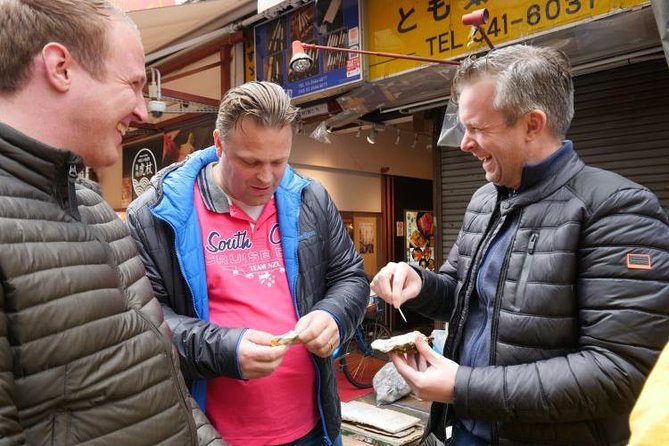
Your tour starts at Tsukiji Station, Exit 1, with your guide waiting for you at Tsukiji Eki mae. The meeting point matters here because the streets are tight and signposting can be confusing, especially if you’re arriving early before your brain switches into “Tokyo mode.”
After you meet, you head straight into the market area, where the tour style is simple: stop, taste, move on. It’s structured for a 3-hour experience, which is a sweet spot. Long enough to sample several items and enjoy lunch. Short enough that you’re not exhausted by the time you reach the religious stops and the view.
One more plus: the small group limit (up to 7 travelers) keeps the pace smoother. You can actually look at what you’re eating and not just follow the back of someone’s camera bag.
The seafood sampling: how the snacks add up to real satisfaction
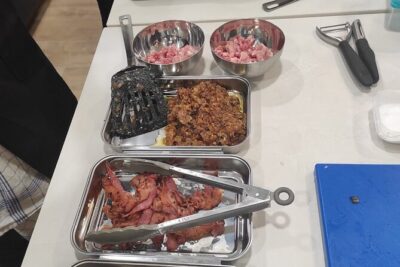
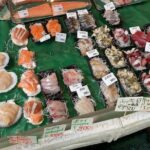
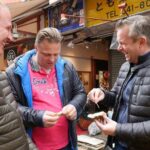
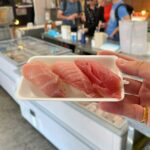
This tour is very clear about one thing: you should come hungry. You’ll try fresh seafood and local snacks at several market stops around the Outer Market area.
Here’s why I think the sampling format is good value. In many food tours, snacks are tiny—pretty, but not memorable. Here, the tasting rhythm includes bigger bites as well as smaller items, so you leave with the feeling you ate your way through Tsukiji, not around it. Some guides also help you navigate what’s worth ordering at each place, which matters because stall menus can move fast and choices can be confusing.
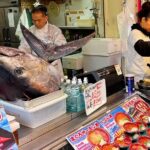
You also get a mix of textures and styles, not just one repeated item. Expect things like seafood preparations you’ll recognize (sushi and tamagoyaki show up in the kinds of meals people report) and other market-forward choices like grilled seafood and eel dishes. If you’re a seafood lover, this variety is where Tsukiji shines.
Old Tsukiji Market: the history + religion angle you don’t get on a self-walk
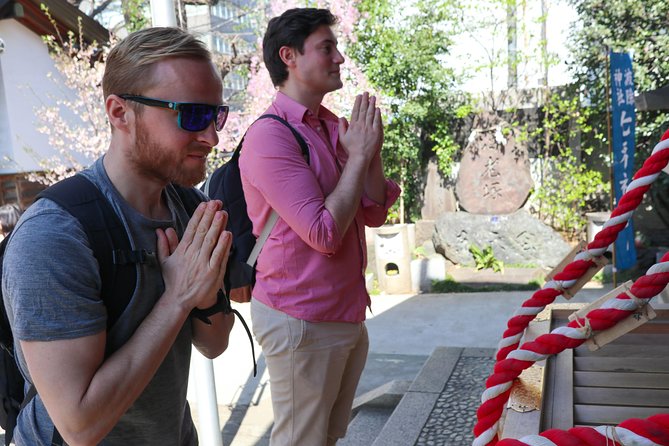
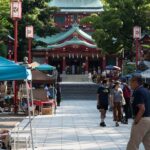
One of the tour’s best “non-food” sections happens around the Old Tsukiji Market. You’ll spend about 20 minutes there, and it’s not just about eating more. It’s where the guide adds context: the history of the market building and the religions that intersect with daily Japanese life.
Why that matters: markets in Japan aren’t just commercial spaces. They’re part of how people orient themselves in the world—through routine, respect, and ritual. When you learn that background while you’re standing in the same lanes you’re tasting in, it changes the way you experience everything. A shrine stop later on lands harder because you’re already thinking that way.
Also, the scale of Tsukiji’s market world is massive. You’re near an area with hundreds of stores—around 460—covering fresh fish, fruit and vegetables, meat, dried goods, seasonings, utensils, and tableware. Even if you’re not visiting every shop, knowing the size helps you understand why the lanes feel so intense.
Jogai Market for more bites, plus that Tokyo view moment
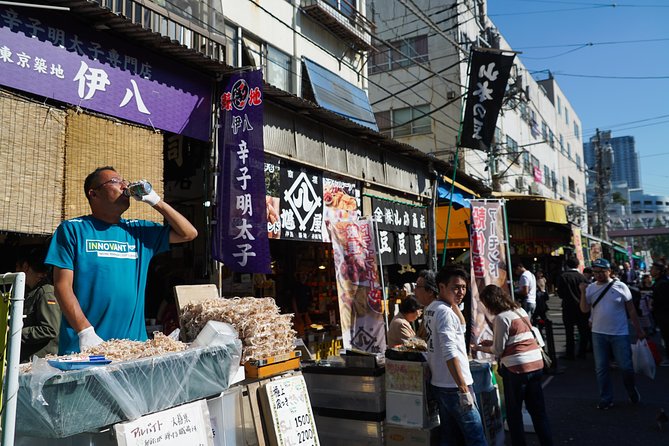
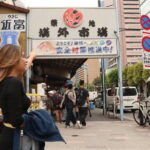
After the Old Tsukiji area, the tour shifts to Tsukiji Jogai Market for more “hunt and taste” time—again about 20 minutes. This is where the experience keeps moving forward: more snacks, more seafood choices, more of that real market atmosphere.
Then you get a breather in the program: a chance to see a beautiful view of Tokyo, including Tokyo bay scenery mentioned as part of the experience. That’s not a random sightseeing add-on. It’s a palate reset—physically and mentally—after you’ve spent time in narrow lanes and busy stalls.
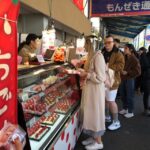
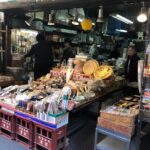
Practical note: Tsukiji lanes can feel very tightly packed, and you’ll see signs asking you not to stop and eat in certain spots. That’s normal market behavior, and it’s exactly why having a guide helps. They keep the group flowing so you can focus on tasting instead of constantly negotiating space.

Lunch at the market: what’s included and how to order
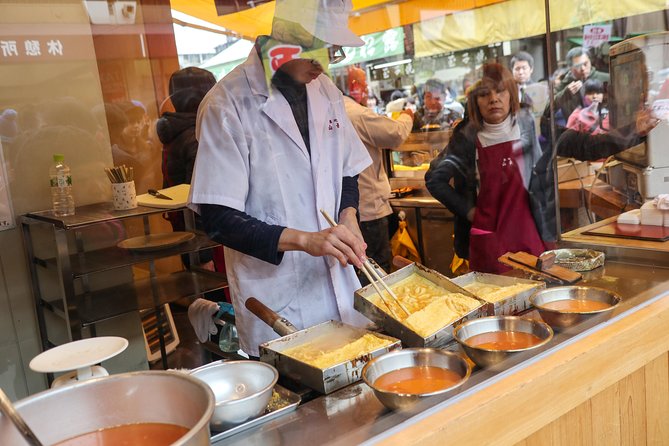
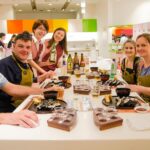
A key part of the value here is that a fresh seafood lunch is included. You’re not simply buying one item and calling it lunch. The tour builds the meal into the route so it feels like a payoff, not a separate activity you have to plan.
In some versions of this kind of tour, lunch is fixed. Here, people have noted being allowed to choose what they want for the sit-down meal. That’s a big deal in a market setting because your appetite will change based on what you sampled before lunch. If you start with richer items, you might want something lighter. If you were saving room, you’ll want the heartier stuff.
If you have a dietary restriction, read the fine print carefully. Vegan options aren’t available, and allergy-free guarantees aren’t provided. Still, there are examples of guides going out of their way to help with needs like coeliac-related concerns, including substitutions. The safest move is to tell the operator ahead of time so they can do their best within what’s possible.
Guides: the difference between tasting and understanding
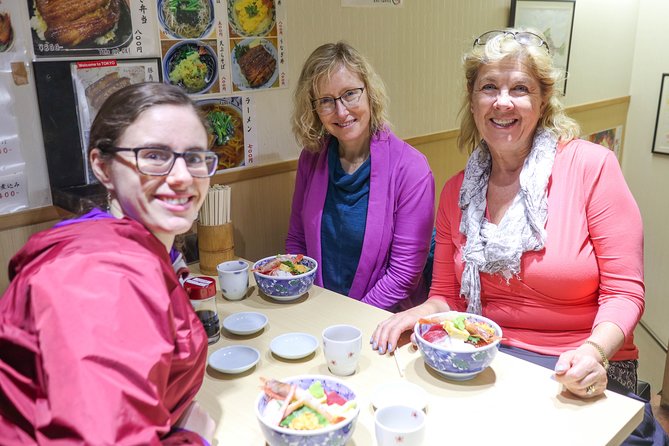
A big reason this tour earns very high ratings is the guides’ role. People specifically call out guides by name—Hitomi, Yuki, Mark, Kazu, Tiger, and Mia—and mention that the tour is fun, not just instructional.
What you should look for in a good Tsukiji guide comes down to three things:
1) They time your stops so lines don’t derail the flow.
2) They explain what you’re eating in plain terms, not lecture mode.
3) They help the group move respectfully through crowded areas.
Small groups help, but the guide still drives the experience. When you’re paying for “small-group food,” you’re paying for fewer bottlenecks and a human who can translate the market into choices you’ll actually enjoy.
Price and value: why $87.37 can make sense in Tokyo
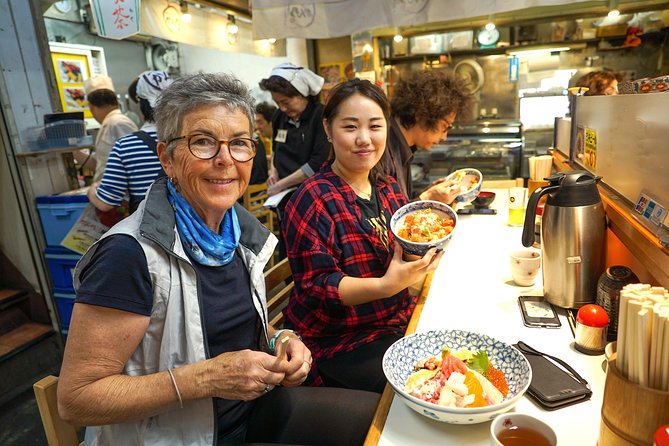
At about $87.37 per person for roughly 3 hours, this isn’t the cheapest way to eat in Tokyo. But it can be good value because the tour includes three things that add up fast on your own:
- Multiple food samples across market stops
- A sit-down lunch
- A guided route that includes the shrine-temple cultural layer and a viewpoint
If you tried to DIY it, you’d likely spend money on lunch and several snacks anyway. The pricing question becomes: are you also getting time-saving route guidance and context that improves your experience? For a place like Tsukiji—tight lanes, strong smells, and lots of decision points—the guided structure can save effort and help you pick more confidently.
Also, bookings tend to happen ahead of time (it’s commonly booked about 40 days in advance). That’s a hint the demand is real, and the best approach is to book early if your dates are firm.
Practical tips so your morning stays pleasant
Tsukiji is a food experience, but it’s also a walking experience. Keep it comfortable.
- In summer it’s hot and humid. Bring water and a hat to reduce heat-stress.
- Wear shoes you can stand in for a few hours.
- Expect tight lanes and signs about where you can’t stop to eat. Follow your guide’s lead.
- If you care about allergies or strict diets, don’t assume the tour can “make it work.” Vegan options aren’t listed, and allergy-free guarantees aren’t provided. Plan ahead.
One more practical tip that helps: give yourself a little buffer before you meet. Tokyo transit moves well, but you’ll want to arrive calm so you can start eating sooner.
Who this tour fits best
This is a strong fit if you:
- Love seafood and want to try multiple styles in one morning
- Want a guided introduction to Tsukiji that includes more than food
- Prefer small groups (max 7) for easier movement and questions
- Like the idea of a market walk that ties into Japanese shrine and temple culture
It’s not ideal if you:
- Need guaranteed allergy-safe or vegan meals
- Want a purely “historical auction floor” experience (the wholesale auction moved to Toyosu)
Should you book the Tsukiji Fish Market Small-Group Food Walking Tour?
Yes, I’d book it if your goal is a structured morning of tastings plus lunch, with a guide who helps you get context while you’re standing in the market area. The small group size and included meal make the price easier to justify than a grab-and-go day.
Skip it or reconsider if you’re relying on vegan food or allergy-safe handling. And if you’re coming for the old-style inner auction imagery, know this tour focuses on the Outer/neighboring market experience and related cultural stops, not the moved wholesale auction area.
If you fit the “seafood + guided food tasting + shrine/temple context” vibe, this is a very solid way to spend a few hours in Tokyo.
FAQ
How long is the Tsukiji Fish Market Small-Group Food Walking Tour?
The tour is about 3 hours.
What is included in the price?
The price includes food samples around the market and a fresh seafood lunch. A mobile ticket is also used for this experience.
Where do I meet for the tour?
You meet at Tsukiji Station, Exit 1 (Tsukiji Eki mae). Your guide will be waiting for you.
Where does the tour end?
The tour ends at Shiodome Tower (1-chōme-6-3 Higashishinbashi, Minato City, Tokyo).
How many people are in the group?
The tour has a maximum of 7 travelers.
Does the tour include religious or cultural stops?
Yes. The tour includes a Buddhist temple and a Shinto shrine.
Are vegan options available?
No, vegan options are not available.
Can you accommodate allergies or dietary restrictions?
The tour notes that it is unable to guarantee allergy-free or cater to dietary restrictions because food is prepared in kitchens not belonging to MagicalTrip. Substitutions may not always be possible.
Is admission charged for market stops?
Admission is listed as free for the market sampling portions (including the Old Tsukiji Market and Tsukiji Jogai Market).
What should I bring for summer in Tokyo?
The tour recommends bringing water and wearing a hat because summer is hot and humid.
Is free cancellation available?
Yes. You can cancel up to 24 hours in advance for a full refund.