REVIEW · TOKYO
Creative Japanese Cooking in a Beautiful Tokyo Home with Makiko
Book on Viator →Operated by Traveling Spoon · Bookable on Viator
Cooking in Tokyo gets personal fast. This intimate night with Makiko mixes a hands-on Japanese cooking lesson with a real neighborhood market walk.
I love the way you get to see daily ingredient shopping up close, and I love that the meal happens right where the cooking happens, at her dining table. You can also expect the menu to shift with the seasons.
One thing to keep in mind: because it is seasonal and home-based, you may not get to choose exact dishes, and you’ll want to communicate dietary needs early.
- A private, local-market tour built around how Japanese households actually shop
- Makiko meets you at the station (Komazawa-Daigaku) and pickup is listed from Sakurashinmachi on the Tokyu Denentoshi Line
- A real home kitchen rather than a commercial classroom setup
- Hands-on cooking + a sit-down meal you help prepare
- Seasonal menus mean the dishes vary by time of year
- A shy cat lives upstairs, so don’t be surprised if you hear about it or spot it being cautious
In This Review
- A Tokyo Home-Cooking Night, Not a Studio Class
- Meet Makiko Near Komazawa: The Part That Sets the Tone
- The Market Tour: How to Shop Like You Live Here
- Cooking in Makiko’s Home Kitchen: Skills, Timing, and Real Tips
- The Seasonal Menu: What You Gain Even If Dishes Change
- Dining at the Table: Eating What You Actually Made
- Price and Value: Is $89 a Good Deal?
- Who This Experience Is Best For
- The Cat Factor and Other Home-Kitchen Reality Checks
- Before You Book: How to Set Yourself Up for Success
- Should You Book Makiko’s Cooking Experience?
- FAQ
- Where does the experience start?
- How do I meet Makiko?
- How long does the cooking lesson last?
- Is this a private tour?
- What if I only want cooking and not the shopping tour?
- Do the dishes change during the year?
- Can I request dietary accommodations?
- Is the class in a commercial kitchen?
- Is there anything in the home I should know about?
A Tokyo Home-Cooking Night, Not a Studio Class
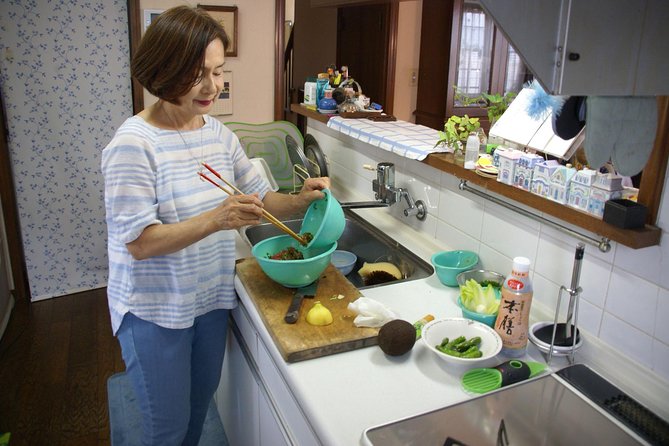
This experience is built around a simple idea: learning Japanese food works best when you see ingredients in context and then cook in the rhythm of a home kitchen. You start with a neighborhood shopping route and then shift to Makiko’s kitchen for a practical lesson that ends with a shared meal.
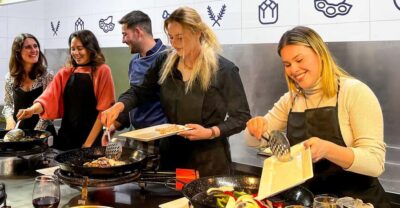
That home setting matters. This is not a commercial cooking class where you stand at a station and follow a scripted program. Instead, you’re visiting a Tokyo household where Makiko can explain what she’s doing and why, and where you can ask questions as you cook. Expect a more conversational pace than a factory-style class.
It’s also private. Only your group participates, so you’re not fighting for attention, and you can get answers tailored to your questions and your cooking preferences (as long as you share them ahead of time).
Meet Makiko Near Komazawa: The Part That Sets the Tone
Makiko starts by meeting you at the station area mentioned for the tour. The details list Komazawa-Daigaku station as where she greets you, and the included pickup is Sakurashinmachi station on the Tokyu Denentoshi Line. Either way, the point is the same: you’re not left to figure out logistics solo after you arrive.
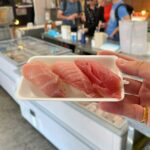
Once you’re together, you head into the local shopping zone with a food-focused plan. This is where the tour becomes more than just cooking. It teaches you how to think about Japanese ingredients in day-to-day terms: what’s worth buying, what to look for in meat and produce, and how fish and vegetables show up in normal meals.
The reviews you’ll see for this kind of experience tend to praise this exact handoff—meeting the host, walking through shops with a local eye, and then walking back into a home kitchen that feels welcoming rather than staged.
You can also read our reviews of more tours and experiences in Tokyo.

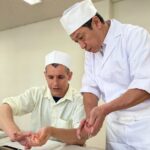
The Market Tour: How to Shop Like You Live Here
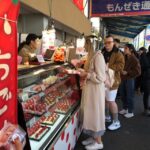
The market portion is a private supermarket tour with your host, plus you’ll also stop at shops along the way to learn about ingredients that show up in daily Japanese cooking. The emphasis is on learning, not just sightseeing with a shopping list.
You can expect a route that includes things like:
- Meat shopping (including time in butcher-style areas)
- Convenience-style shopping habits
- Fruit and vegetables and how they’re selected
- Fish and vegetable shops tied to everyday use
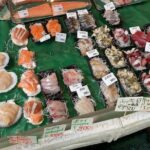
In a review context, the butcher shop and meat section come up more than once, and one account also mentions stopping at a sweet shop. Even if your route varies, the overall pattern is consistent: you get to see what locals actually buy and how it’s grouped, displayed, and chosen.
Why this matters: most Japan cooking classes focus on techniques after the shopping has already been done for you. Here, you learn the front end. When you understand what ingredients look like and where they come from in a normal neighborhood, it becomes easier to recreate flavors back home.
Also, you’re not expected to be a Japanese shopping expert. The point is learning from Makiko as you go.
Cooking in Makiko’s Home Kitchen: Skills, Timing, and Real Tips
After the shopping walk, you shift to Makiko’s home in a neighborhood near Komazawa Olympic Park. The cooking segment typically runs 1.5 to 2 hours, depending on group size.
This is the heart of the experience. Makiko explains the cooking process in detail and shares important tips that you don’t usually find in standard recipe formats. Think less about memorizing steps and more about understanding the logic behind what you’re doing—when things get added, how you can tell when something is ready, and what to watch for as you cook.
You also get to steer the experience through questions. Makiko is described as an expert on Japanese cuisine, so if you’re curious about ingredient choices or substitutions, this is the moment to ask. A key part of the value here is that you’re not just taking instructions—you’re getting reasoning.
Because it’s private, the lesson can be adjusted to your group. One review specifically notes Makiko being accommodating for larger groups. That’s reassuring if you’re traveling with friends and don’t want a class that turns into chaos.
One practical point: since dietary restrictions and preferences are handled by advising at booking time, don’t wait until the day before. If you have allergies, you’ll want to be clear early.
The Seasonal Menu: What You Gain Even If Dishes Change
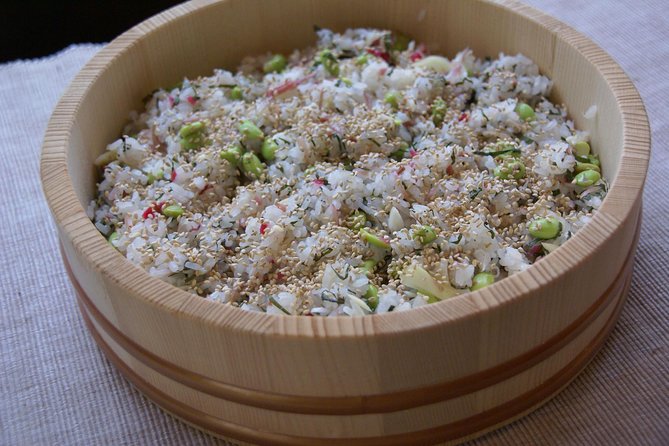
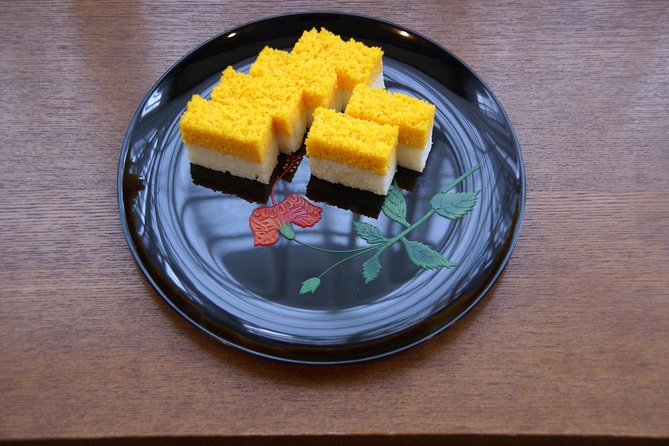
The menu can vary depending on the season. That’s not a downside by default—it’s part of how Japanese home cooking works. Seasonal rotation affects flavor, ingredient availability, and even how families think about balance during the year.
For you, the best mindset is to treat the dishes as a study tool. Even if you don’t get the exact dish you hoped for, you learn the building blocks behind Japanese cooking style: ingredient handling, sequencing, and the way flavors come together across a simple homemade meal.
If you booked expecting a specific recipe title, you might feel a little frustrated when the menu changes. But if you want techniques you can reuse and a deeper understanding of how Japanese cooking thinks, seasonal variation becomes a feature, not a bug.
Dining at the Table: Eating What You Actually Made
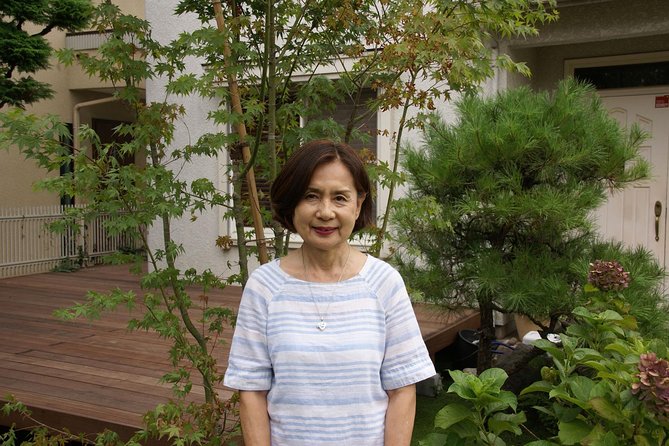
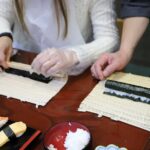
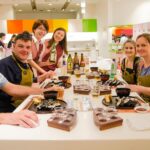
Once you’ve cooked, you sit down together at Makiko’s dining table and enjoy the feast you helped prepare. This is where a home setup shines. There’s no line for the next class, no reset, no rush to clear counters. You get the full arc: ingredient selection, cooking, then eating in a relaxed social setting.
The meal format also makes the experience stick. When you taste what you made right after learning it, you start noticing the differences between what you expected and what actually happened. That is where cooking lessons often become real skills.
If you’re trying to understand Japanese cuisine beyond stereotypes, this is also a great moment for conversation. You can ask about ingredients you noticed during shopping, and you can connect flavors back to what Makiko taught you during cooking.

Price and Value: Is $89 a Good Deal?
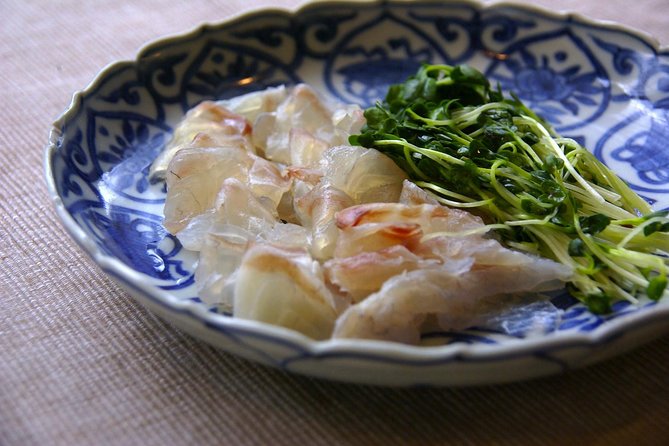
At $89 per person for about 3 hours, this isn’t the cheapest option in Tokyo. But it’s also not priced like a faceless group workshop. You’re paying for three things that are hard to replicate on your own:
- Private host attention, both in the shops and in the kitchen
- A home kitchen experience, not a commercial cooking studio setup
- A built-in market-learning segment that helps you shop and cook smarter later
If you’ve ever taken a cooking class where you leave with a couple of printed recipes, you know the gap between cooking at home and cooking with context. Here, you’re getting context first. That’s usually what makes this kind of experience worth it.
Also, it’s booked about 72 days in advance on average. That doesn’t guarantee availability, but it does suggest demand stays steady. If you’re set on it, don’t leave it to the last minute.
Who This Experience Is Best For
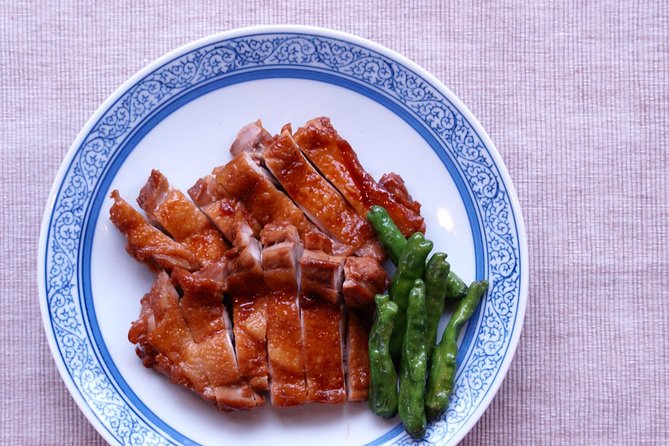
This experience fits best if you want a true Tokyo neighborhood evening, not just a themed meal. Here’s who tends to get the most out of it:
- Food lovers who like understanding ingredients, not just recipes
- Travelers who enjoy small-group, local-host exchanges
- People who want to learn how Japanese households think about shopping and cooking
- Anyone comfortable with a home environment and a casual, conversational flow
It may be less ideal if you:
- Want a big, structured “cookbook style” class with a fixed menu and scripted curriculum
- Have very strict allergy needs and haven’t planned ahead to communicate them at booking
- Are uncomfortable with the fact that it’s a lived-in home
The Cat Factor and Other Home-Kitchen Reality Checks
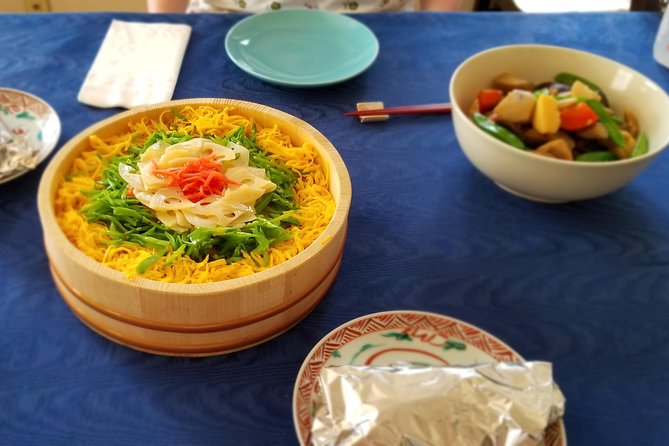
There is a cat in the house that is shy and quiet, and it usually hides upstairs when guests are in the home. You don’t need to worry about it, but it’s good to know the house has a cat and the host is honest about it.
More broadly, a home visit means you should expect a normal, lived-in environment. The atmosphere is part of the charm, but it also means the experience is less formal than a studio class. If that sounds like your kind of evening, you’ll likely feel right at home.
Also, the experience ends back at the meeting point. So plan your night with that in mind.
Before You Book: How to Set Yourself Up for Success
A little prep goes a long way here, especially because the tour is private and the menu can vary.
- Send your dietary requirements at booking time. The host asks that directly for allergies, dietary restrictions, and cooking preferences.
- Be open-minded about the seasonal menu. If you choose this as a technique-focused experience, the changing dishes will feel normal.
- Ask questions during both the market walk and cooking. That’s where you’ll pick up the cooking tips that don’t show up in typical recipe sheets.
- Wear comfortable shoes for the shopping portion. You’ll be walking around local shops, including specialty areas.
Should You Book Makiko’s Cooking Experience?
If you want a cooking night with real Tokyo context—shopping with a local eye, cooking with a host who can answer your questions, then eating what you made—this is an easy yes. The best part is the combination: market learning + hands-on cooking + a home meal in a private setting.
Skip it only if you’re expecting a fixed, commercial-style class with a predictable menu. And if allergies are a concern, book it only if you’re confident you can communicate your needs clearly during booking.
For the price and time, $89 buys you access, attention, and practical food knowledge you can actually use when you’re back shopping in your own city. For many people, that’s the difference between a fun evening and a skill that lasts.
FAQ
Where does the experience start?
The tour starts at 2-chōme-8 Sakurashinmachi, Setagaya City, Tokyo 154-0015, Japan.
How do I meet Makiko?
The host will greet you at Komazawa-Daigaku station. Pickup is also listed as from Sakurashinmachi station on the Tokyu Denentoshi Line.
How long does the cooking lesson last?
The full experience is about 3 hours. The cooking portion takes about 1.5 to 2 hours depending on group size.
Is this a private tour?
Yes. It is private, personalized, and only your group participates.
What if I only want cooking and not the shopping tour?
There is a Cooking Class Only option if you prefer to skip the market portion.
Do the dishes change during the year?
Yes. The menu items vary depending on the season.
Can I request dietary accommodations?
You should advise any allergies, dietary restrictions, or cooking preferences at the time of booking in the Special Requirements box.
Is the class in a commercial kitchen?
No. This is described as not a commercial cooking class, but a visit into a Tokyo home to meet a local who shares Japanese culture and cuisine.
Is there anything in the home I should know about?
The home has a cat that is shy and quiet, usually hiding upstairs when guests are in the home.