REVIEW · TOKYO
Tokyo: Tsukiji Fish Market Tour with 6 Stops & Seafood Lunch
Book on GetYourGuide →Operated by MagicalTrip · Bookable on GetYourGuide
Three hours in Tsukiji can taste like a lifetime. I love the way this tour pairs the morning market chaos with a visit to Tsukiji Hongan-ji, so Japanese worship and food customs make more sense; and I love the donburi lunch that gives you a proper, satisfying finish. One drawback to plan for: Tsukiji is crowded, and the walking pace is not slow, plus drinks like beer or sake are not included.
You’ll keep moving with an English-speaking guide in a small group (up to 7), which matters in a place this tight. I’ve seen guides praised for clear explanations and smart stall choices, like Mai and Meg, and that kind of help can save time when you’re surrounded by fish you’ve only heard of.
In This Review
- Key points that make this Tsukiji tour worth your time
- Tsukiji in 3 hours: what this tour gives you
- Price and value: why $94 can work (or not)
- Finding your start point at Tsukiji Station (not the other one)
- Tsukiji Hongan-ji: the temple stop that changes how you see food
- Outer Market walking: tastings, shopping, and staying out of trouble
- What the tastings help you figure out
- Shopping tips that actually help
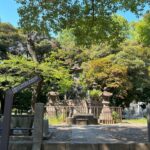
- Namiyoke Inari Jinja: a short shrine stop with real meaning
- Seafood lunch donburi: the sit-down payoff
- Vegetarian and allergy reality check
- Shiodome Media Tower: Tokyo’s view from above the harbor area
- Guides make the difference: English explanations and smart pacing
- What you should taste (so you leave Tsukiji smarter)
- Who this Tsukiji seafood + temple tour is best for
- Before you go: cash, crowds, and what your guide can’t promise
- Should you book this Tsukiji tour?
Key points that make this Tsukiji tour worth your time
- Tsukiji Hongan-ji and Namiyoke Inari Jinja add culture and etiquette context to your seafood stop
- 5+ tastings in the Outer Market let you try more than you could easily pick on your own
- A sit-down seafood donburi lunch keeps the experience from turning into snack-only chaos
- Shiodome Media Tower views give you a “step back” moment over Tokyo’s harbor area
- Up to 7 people keeps the guide close enough to hear and help with ordering and pacing
- Cash helps because street food add-ons and shopping usually cost extra
Tsukiji in 3 hours: what this tour gives you
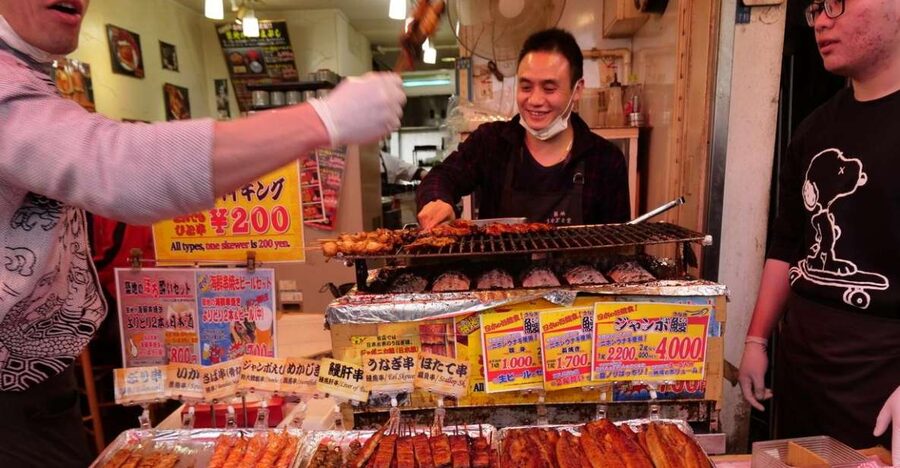
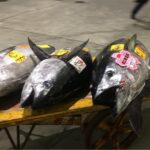
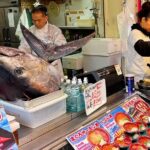
Tsukiji is where Tokyo’s seafood stories start. Yes, the main wholesale market moved to Toyosu, but the Tsukiji you’ll see here still carries that old rhythm: sharp smells, quick bargaining, and a constant sense that the day’s best fish is already spoken for.
This tour is built for people who want results fast. You get market walking plus tastings, then you slow down for temple/shrine culture, then you land at lunch. For $94, you’re paying for three things: a guide who can navigate the crush, multiple tastings bundled into the price, and a proper donburi meal that ends the morning cleanly.
You can also read our reviews of more tours and experiences in Tokyo.
Price and value: why $94 can work (or not)
$94 is not a bargain price for Tokyo. But it can still be good value if you’re the type who would otherwise waste time guessing where to eat and what to order.
You’re getting:
- a certified English guide
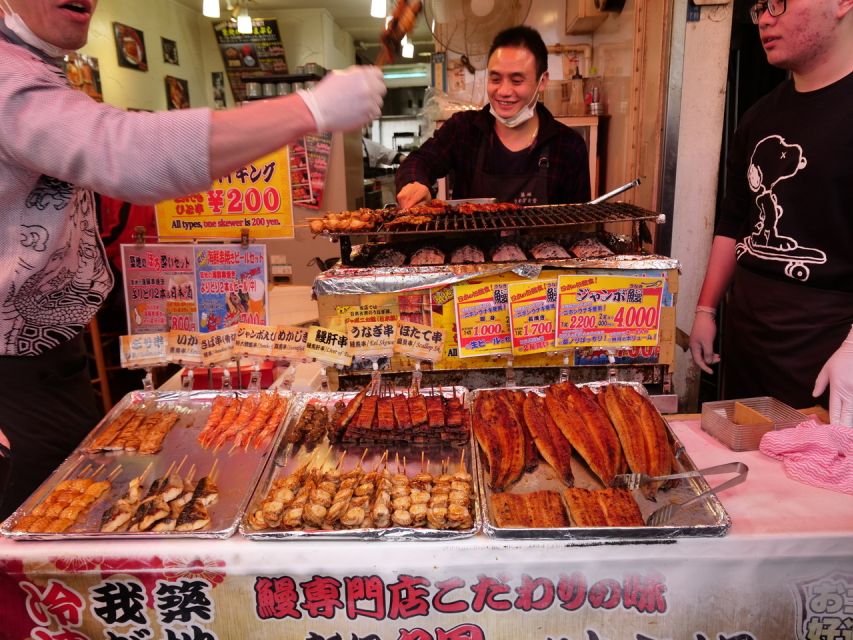
- 5+ food tastings in the market
- lunch included (with a stated maximum of 1,500 yen)
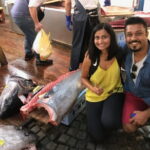
- tour photos
If you were planning to do a half-day on your own, you’d still pay for lunch, plus you’d likely buy multiple snacks to replace the tastings you didn’t organize. The guide also helps with pacing through crowds, and the lunch reservation aspect has come up in guide feedback, which is exactly the kind of detail that saves you stress.
If you’re hoping for a no-guided-hours “wander freely” experience, this isn’t that. It’s structured, and you move.
Finding your start point at Tsukiji Station (not the other one)
Your meeting point is Tsukiji Station, and the tour guide will hold a red/orange sign reading MagicalTrip.
This detail matters because it’s easy to mix up nearby stations. One station name is the right one for this tour; the other one is a common mistake. Double-check your map before you leave the hotel, and give yourself extra time at the station gates.
Practical tip: once you arrive, look for the sign first. Don’t trust memory from photos online. The crowd at train stations can swallow you fast.
Tsukiji Hongan-ji: the temple stop that changes how you see food
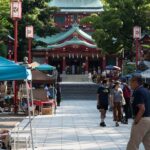
The tour begins at the front gate of 築地本願寺 (Tsukiji Hongan-ji) and includes a guided visit there. This isn’t just a quick photo stop. The temple visit is designed to teach you how Japanese worship works—what people do, why they do it, and how etiquette fits into daily life.
Why I like this part: it makes the market experience feel less like a theme park. In a seafood place where everything is about freshness and speed, the temple moment gives you the human side: routines, respect, and the idea that food culture isn’t only about eating—it’s about belonging.
You’ll also learn how to read the space. Even if you don’t speak Japanese, you can follow what’s happening when someone explains it in plain English.
Outer Market walking: tastings, shopping, and staying out of trouble
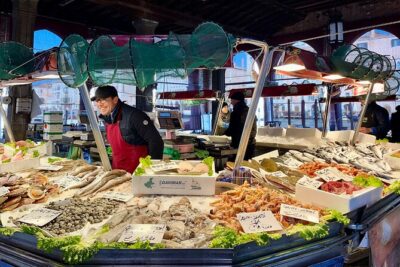
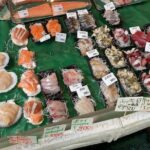
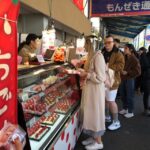
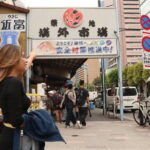
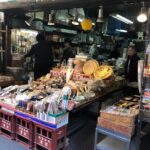
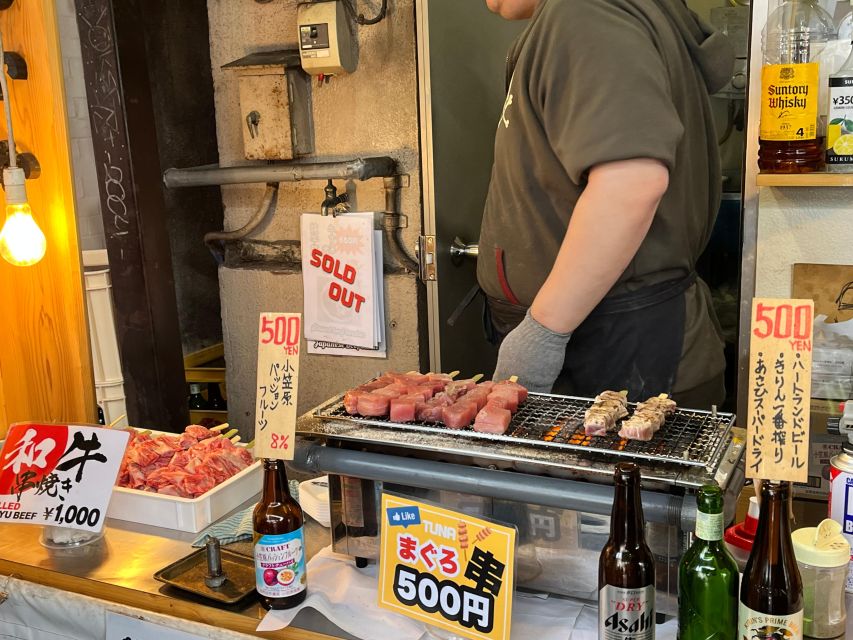
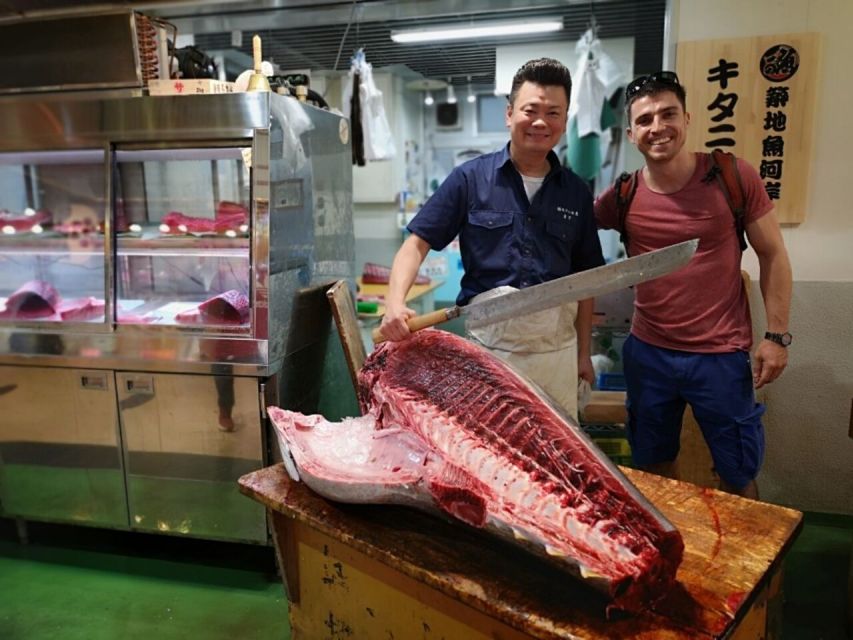
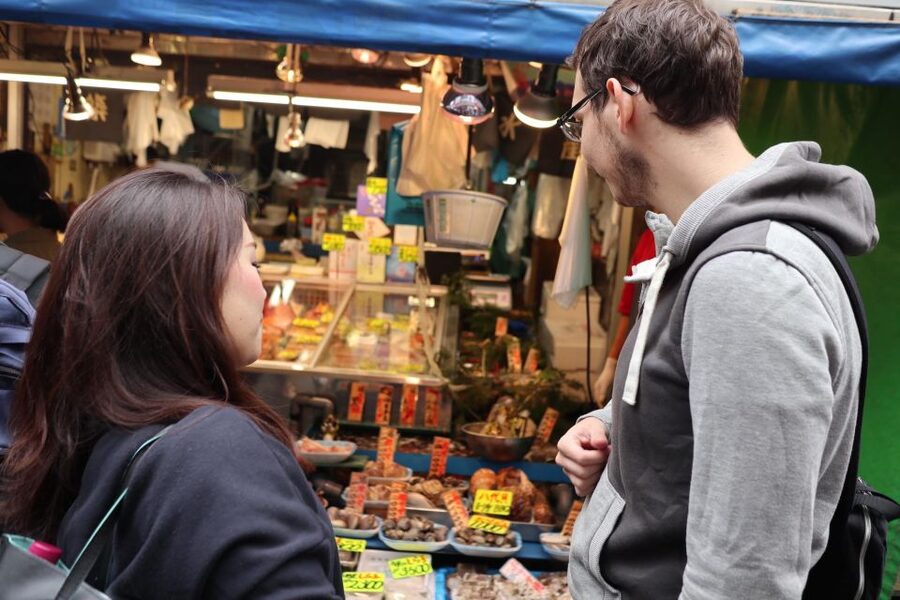
After the temple stop, you head into the Tsukiji Outer Market, where the pace ramps up. This is where most of the action lives: stall-lined streets, strong smells, stacks of seafood, and plenty of people trying to do the same thing you’re doing—find the best bite before it’s gone.
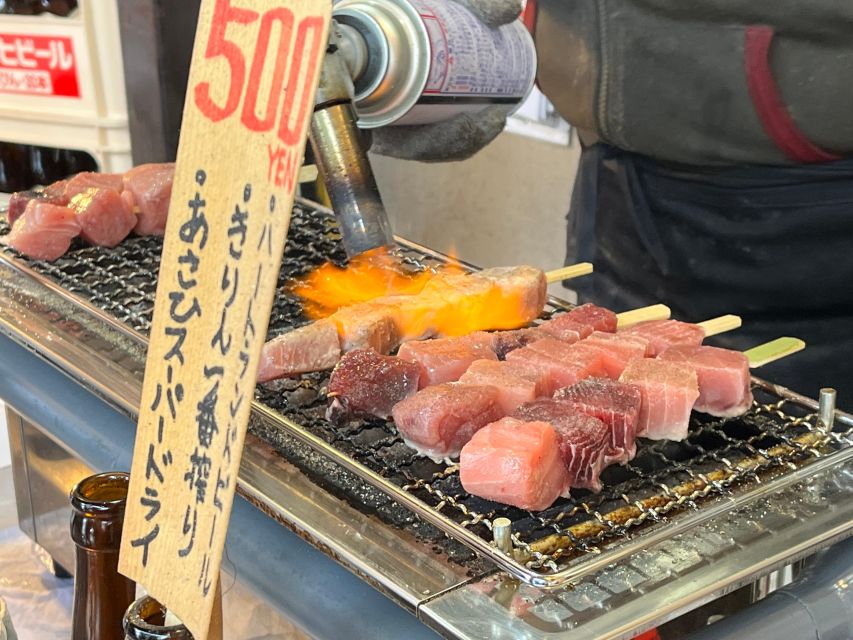
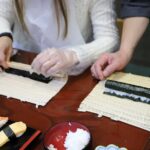
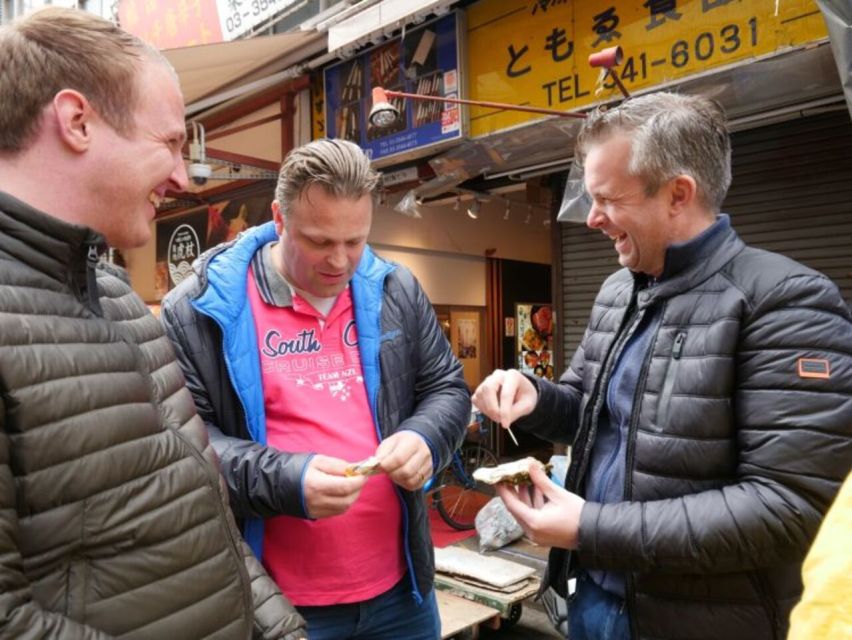
You’ll get a guided walk with food tastings and shopping time. That tasting component is the difference between seeing Tsukiji and sampling Tsukiji. Instead of standing at one stand, guessing, and paying full price for one item, you get a mini variety menu handled by your guide.
What the tastings help you figure out
In a market like this, the hard part isn’t just finding food. It’s understanding what to choose when you don’t know your way around types of fish and prep styles.
Guides tend to explain those differences while you sample. That helps you avoid the classic mistake: buying the most expensive-looking thing without understanding whether it matches what you like. If you’re an adventurous eater, this portion is fun. If you’re cautious, it still works because you can sample before you commit.
Shopping tips that actually help
The guide will show you where people shop for seafood-related items and seasonings. You’ll also likely be encouraged to bring extra cash for any street food you want beyond what’s included. That’s normal here. The market is an open buffet of small decisions.
If you want souvenirs that aren’t just random packages, ask your guide what locals buy. That kind of advice is usually more useful than a generic shopping list.
Namiyoke Inari Jinja: a short shrine stop with real meaning
Between the market segments, you visit Namiyoke Inari Jinja. This is one of those places that’s easy to overlook if you’re only chasing food, but it adds a nice layer to the morning.
Inari shrines are tied to prosperity and everyday luck in Japan, and this stop helps connect the dots between belief and daily life. For me, it also acts like a reset button: you get a break from the crowd pressure, then you return to the market with a clearer head.
This is also a good moment to step back and slow your brain down. The market moves fast. Shrines don’t. That contrast is part of what makes this tour feel different from a standard food walk.
Seafood lunch donburi: the sit-down payoff
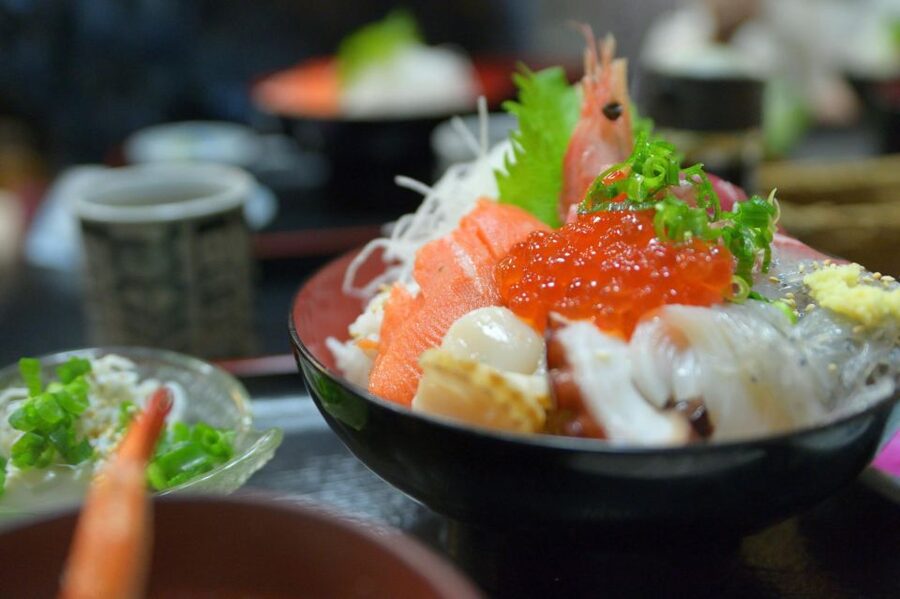
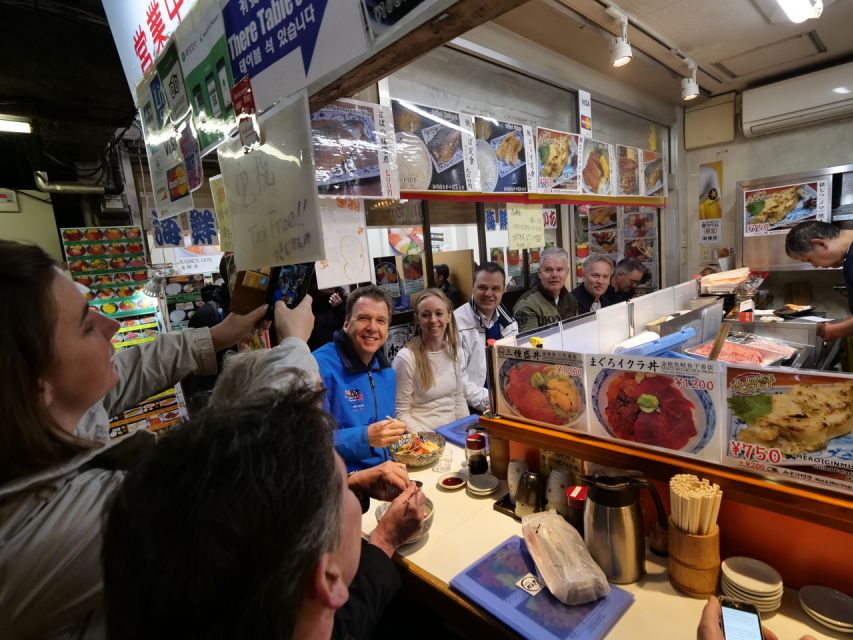
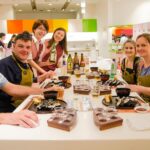
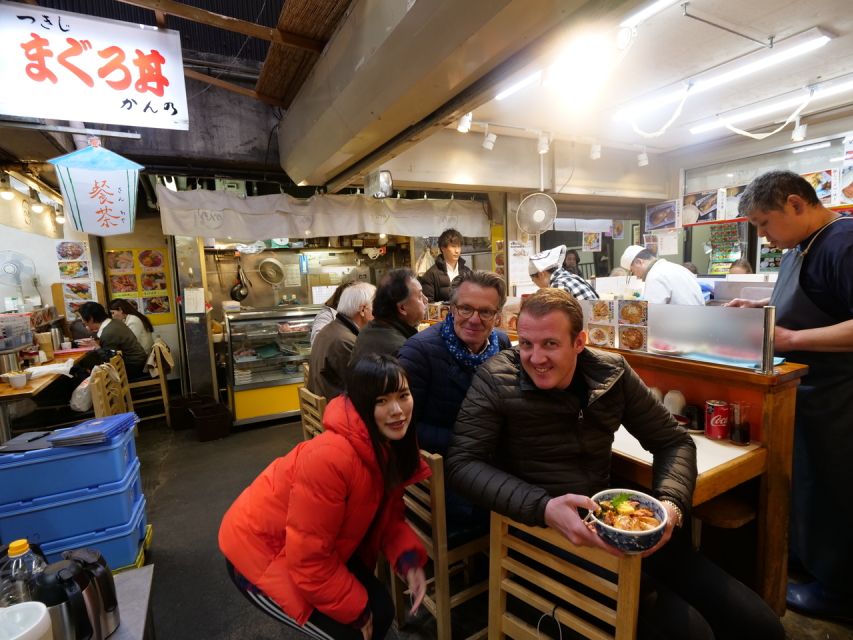
Lunch is a key part of the value here, not an afterthought. You’ll finish with a seafood donburi bowl at a restaurant included in the tour.
Donburi is great because it’s simple and satisfying. You sit down, eat something made for you, and you stop negotiating the market crush for a while. Multiple guides have been praised for arranging lunch spots where locals go, which matters because the best market food isn’t always the easiest place to walk into without local guidance.
Vegetarian and allergy reality check
The tour description includes a claim that the lunch restaurant offers vegetarian options, but the provided tour notes also say vegan and vegetarian options are not available. That conflict is exactly why you should confirm your needs before booking if diet matters to you.
Allergies are also not guaranteed safe here. The food is prepared in kitchens that don’t belong to the tour operator, and the notes say allergy-free isn’t something they can assure. If allergies are a serious concern, message the operator with specifics before you go.
Shiodome Media Tower: Tokyo’s view from above the harbor area
At the end, you head to Shiodome Media Tower for a guided visit with city views. Reviews commonly mention the observation deck being around the 46th floor, with a clear look over the area near the harbor.
This part is more than sightseeing. It helps you connect the dots. You’ve spent hours on the ground level in Tsukiji—now you see how dense and organized Tokyo is from above.
It’s also a smart way to end a food tour. After eating, your legs want a break. A viewpoint gives you that break without feeling like the tour just stopped.
Guides make the difference: English explanations and smart pacing
The biggest pattern in the guide feedback is not just friendliness. It’s the fact that guides can keep the experience flowing without losing the group.
Names that come up often include Mai, Meg, Naoki, Kentake, Kiyo, Tsubasa, and Maiko. Across these guides, people repeatedly mention strong English and clear explanations. That’s crucial in Tsukiji, where menus and seafood terms can look intimidating even for someone who’s done sushi before.
A guide also helps with timing. You can’t wait for stragglers in a packed market. The tour keeps you moving so you don’t miss the tastings or the lunch seat.
What you should taste (so you leave Tsukiji smarter)
You won’t control every tasting, but you can still set yourself up for success.
Here’s what you’ll likely encounter based on the kind of market bites that come up in feedback:
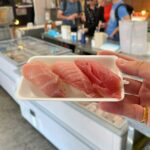
- raw seafood highlights (people mention very fresh fish and excellent raw fish experiences)
- oysters
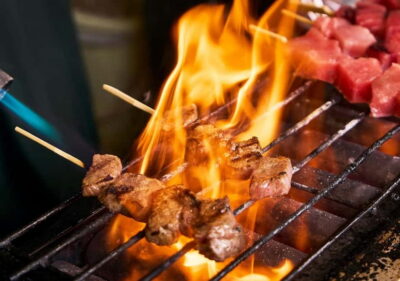
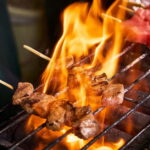
- grilled eel skewers (unagi shows up often in feedback)
- tuna sushi and other seafood bites
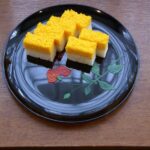
- custard-filled mochi in some guide-led tastings
How to think about it: treat the tastings as research. Your goal isn’t to eat everything. It’s to figure out what seafood styles and textures you actually enjoy, then use that knowledge to order confidently later.
And yes, that means your appetite should be flexible. If you only want one flavor profile, markets like Tsukiji can feel like too much. But if you’re curious, it’s a great match.
Who this Tsukiji seafood + temple tour is best for
This tour shines if you’re:
- a first-time Tokyo visitor who wants a strong start
- a food-minded traveler who wants tastings plus lunch, not just wandering
- someone who likes cultural context, not only food photos
- traveling with a small group (or as a solo eater who wants company that helps you order)
It also fits families because it’s short at three hours, and the pacing is guided rather than totally free-form.
If you’re a mobility-restricted traveler, note that some places on the tour are not accessible by wheelchair or stroller. Tsukiji’s surfaces and crowd flow are part of the experience, and they aren’t designed for easy slow movement.
Before you go: cash, crowds, and what your guide can’t promise
Tsukiji is busy. It’s also narrow in places, and the crowd can feel like part of the food. Wear shoes you can stand in for a few hours. If you hate tight spaces, this tour will still work, but you’ll want to keep your expectations realistic.
Also bring cash. You’ll likely want extra street food or shopping items beyond tastings and lunch, and the tour notes suggest having some yen ready.
Finally, remember the tour is about walking and food. It’s not a museum-style stop where you linger.
Should you book this Tsukiji tour?
If you want a structured morning that mixes seafood tasting with real Japanese cultural stops, I think it’s an easy yes. The small group size helps, the food is the main event, and the lunch plus tastings make the price feel more justified than a “just walk the market” tour.
I’d skip it (or at least double-check) if:
- you need guaranteed allergy-safe meals
- you expect vegan/vegetarian options with certainty, given the conflicting notes
- you want drinks like beer or sake included in the ticket price
- you dislike crowds or can’t handle walking through a dense market environment
If you fit the sweet spot—curious eater, first-time Tsukiji admirer, and someone who likes a temple stop—this is one of the more sensible ways to do Tsukiji in a short window without getting lost in the noise.