REVIEW · TOKYO
【Spanish/ English】Tsukiji Matcha at a 100-Year old Japanese shop
Book on Viator →Operated by Shibuya Exclusive Local Tours · Bookable on Viator
Matcha tastes different when it is quiet. This private, beginner-friendly session combines a temple stop with a guided tasting led by a certified tea master, all in a century-old shop. I especially liked the four cold-brew matcha varieties served in wine glasses, plus the calm, unhurried pace that feels like a real break from sightseeing. One thing to consider: it is a focused 1 hour 30 minutes of tea and sweets, not a long sit-down meal.
You get stories tied to tea-growing regions and cultivation styles, which helps you understand what you are tasting instead of just sipping. I also think the pairing format, with seasonal wagashi, makes the flavors easier to notice and remember. Bring your curiosity, and plan to fit lunch outside the experience.
In This Review
- Key highlights I think you will care about
- Why Tsukiji Hongan-ji makes your matcha tasting feel more meaningful
- A beginner-friendly matcha session in a 100-year Tsukiji tea shop
- Four cold-brew matcha varieties, served in wine glasses
- Wagashi pairings: the seasonal sweetness that teaches balance
- The guide’s role: stories you can taste, not just facts
- What you get for $65.04: value in the details
- Where you meet and how the timing works
- Language, tickets, and the small practical stuff that matters
- Who this experience is best for (and who may want to skip)
- Should you book Tsukiji Matcha at a 100-Year old Japanese shop?
- FAQ
- How long is the Tsukiji matcha tasting experience?
- What does it cost?
- What is included in the experience?
- Is the matcha served hot or cold?
- What kinds of sweets do I get with the matcha?
- Where do I meet the group?
- Where does the experience end?
- Is this a private tour?
- Can I get a refund if my plans change?
- What languages are the guides?
Key highlights I think you will care about
- A calm, reservation-only matcha tasting away from the loudest crowds
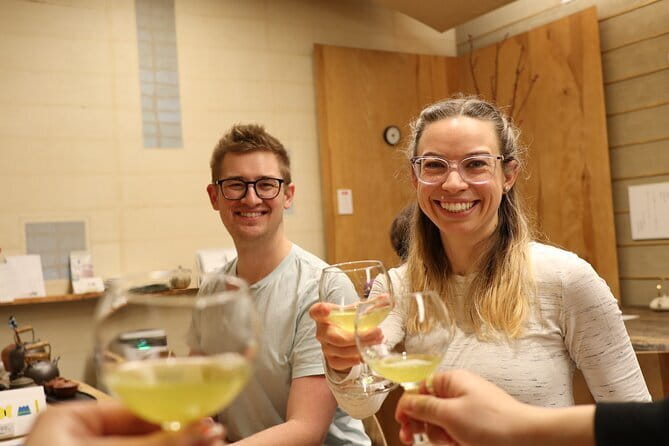
- Four premium cold-brew matcha types served in wine glasses
- Seasonal wagashi pairings that teach you how sweetness changes the tea
- Beginner-friendly guidance from a certified tea master, with flavor explanations
- Photos taken by the guide so you can enjoy the moment, not your camera
- A small souvenir to take home after the session
Why Tsukiji Hongan-ji makes your matcha tasting feel more meaningful
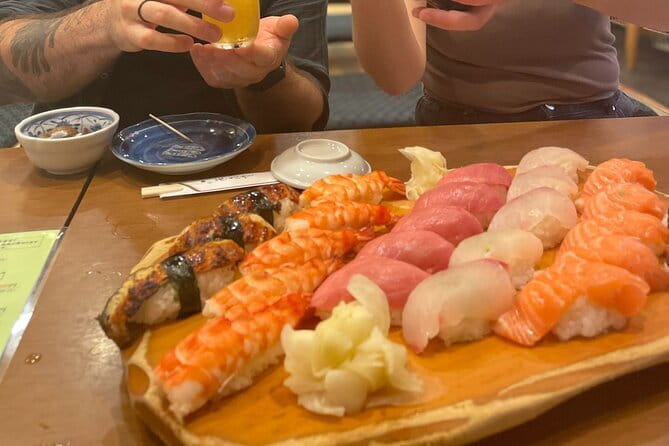
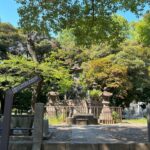
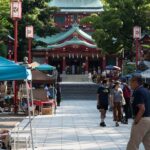
The experience starts at Tsukiji Hongan-ji Temple, one of Tokyo’s bigger, more impressive temple stops. Even if you only have a short window, it is a strong way to set the mood: stone, space, and quiet that puts tea culture in context. Admission here is free, and the visit is about 30 minutes.
This first stop also helps you slow down. Tsukiji can be fast and crowded around the market area, so arriving at a temple first gives you that mental gear shift. You are not rushing to food right away. You are building a sense of place.
You can also read our reviews of more tours and experiences in Tokyo.

A beginner-friendly matcha session in a 100-year Tsukiji tea shop
After the temple, you shift into a traditional tea setting with nearly 100 years of history. The format is private for your group, and it is designed to be approachable even if you do not know matcha vocabulary yet. This is a big deal because matcha tastings can sometimes turn into lectures you cannot follow.
In this shop setting, the tone is calm and guided. You are tasting four premium cold-brewed matcha varieties, and you get explanations along the way. That guidance matters because cold matcha can hide or soften flavors compared to hot tea, so having someone point out what to look for helps you taste more accurately.
Four cold-brew matcha varieties, served in wine glasses
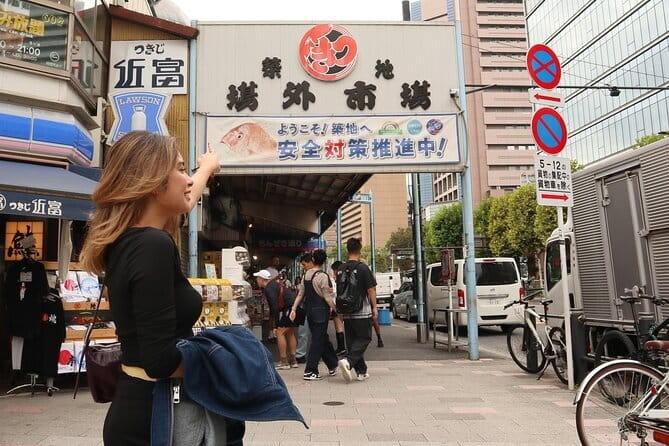
The core tasting is four different cold premium matcha, served in wine glasses. Yes, wine glasses. That choice sounds quirky until you realize it is practical: it makes the tea easy to see and smell, not just drink. Cold-brew also changes the experience. It tends to feel smoother and can shift the balance between bitterness and sweetness.
The guide walks you through what you are tasting, including flavor origins linked to tea-growing regions and cultivation styles. Instead of memorizing types, you learn the logic behind the taste. For example, you start connecting how cultivation methods can affect aroma and how growing conditions influence what you experience as brightness or depth.
Wagashi pairings: the seasonal sweetness that teaches balance
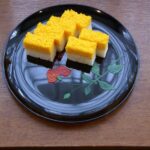
You also get seasonal wagashi, which is traditional Japanese confectionery. The pairing is not random. Wagashi is meant to work with tea, and it often highlights different parts of the flavor—sometimes by contrast, sometimes by smoothing edges.
This is one of the best parts for beginners. When you have a sweet bite alongside matcha, your palate gets a clearer signal for what the tea is doing. You can start noticing how matcha sweetness, bitterness, and aroma interact with sugar and texture. If you have ever felt that matcha tastes the same across brands, pairings like this are a shortcut to real understanding.
The guide’s role: stories you can taste, not just facts
A certified tea master leads the tasting, and your guide is bilingual in English and Spanish. I like that the day mixes tasting with stories about flavor origins tied to cultivation styles and tea-growing regions. That kind of context turns a drink into a mini cultural lesson.
You also get photos taken by the guide. That is a small inclusion, but it changes the whole vibe. You can focus on the tasting instead of stopping every few minutes to stage shots. It also makes sense for a calm, indoor experience where you might not want to handle your camera constantly.


What you get for $65.04: value in the details
Price for this experience is $65.04 per person. For a 1 hour 30 minutes session, it is not a budget snack. But the value comes from what is included and what is handled for you.
You are getting:
- A guided workshop matcha tasting with four premium cold-brew matcha varieties
- Seasonal wagashi and traditional sweets/snacks
- Coffee and/or tea
- Photos taken by the guide
- A small souvenir to take home
That is a lot more than a single drink. You are also paying for guided instruction in a private setting, rather than walking into an open counter tasting with no explanation. If you want to taste matcha and understand it, this format feels like a fair trade.
Where you meet and how the timing works
You meet at Tsukiji Hongan-ji Temple at 3-chōme-15-1 Tsukiji, Chuo City, Tokyo. The end point is Fish Market Tsukiji Outer Market area, at 4-chōme 16 and some parts of 6-chōme in Tsukiji. Expect the temple portion to be around 30 minutes, and the full experience is about 1 hour 30 minutes in total.
It helps to plan your day around that flow. You start with the temple, then move into the tea shop tasting. Since lunch is not included, I recommend booking this earlier or later than your main meal, so you do not end up hungry during the tasting.
Language, tickets, and the small practical stuff that matters
The tour is guided by a local Japanese English/Spanish speaking guide. You also get a mobile ticket, which is convenient and reduces hassle on the day. The experience is private for your group, so you are not sharing the tasting experience with strangers.
It also runs on set hours during the listed date range, with Monday hours shown as 12:00 PM to 3:00 PM. If your schedule is tight, double-check the specific session time you book so you do not accidentally plan something immediately after the tasting.
Who this experience is best for (and who may want to skip)
This works well if you:
- Love matcha and want to learn what makes different varieties taste different
- Prefer a calm, structured food culture break from busy Tokyo areas
- Want an experience that is beginner-friendly without needing prior matcha knowledge
- Like guided pacing, where explanations happen alongside tasting
It may not be the best fit if you are looking for a long food crawl or an all-day plan. This experience is intentionally focused on matcha tasting and paired sweets, not a full meal program.
Should you book Tsukiji Matcha at a 100-Year old Japanese shop?
If you want matcha to be more than a souvenir drink, I would book it. The combination of a temple start, a private setting, a certified tea master, and four cold-brew matcha varieties gives you enough variety to learn without feeling overwhelmed. Add seasonal wagashi and a small takeaway souvenir, and you get a clean, satisfying cultural experience in 90 minutes.
If your top goal is a huge spread of food, skip this and pick something built around dining. This one is for tea lovers who enjoy learning by tasting, especially in a calmer corner of Tsukiji.
FAQ
How long is the Tsukiji matcha tasting experience?
The duration is about 1 hour 30 minutes.
What does it cost?
The price is $65.04 per person.
What is included in the experience?
You get a local Japanese English/Spanish speaking guide, photos taken by the guide, a matcha workshop, traditional snacks/sweets, coffee and/or tea, and four types of premium cold matcha.
Is the matcha served hot or cold?
It is served as cold-brewed matcha.
What kinds of sweets do I get with the matcha?
You receive traditional sweets, including seasonal wagashi paired with the matcha.
Where do I meet the group?
The start point is Tsukiji Hongan-ji Temple at 3-chōme-15-1 Tsukiji, Chuo City, Tokyo.
Where does the experience end?
It ends at the Fish Market Tsukiji Outer Market area.
Is this a private tour?
Yes. Only your group participates.
Can I get a refund if my plans change?
Free cancellation is available up to 24 hours in advance for a full refund.
What languages are the guides?
The guide is Japanese and speaks English/Spanish.