REVIEW · OSAKA
Osaka Market Tour & Cooking Class with Local Expert Masato/Shohei
Book on Viator →Operated by Traveling Spoon · Bookable on Viator
Sushi starts at the market. This Osaka experience links a guided trip to Karahori Shotengai (if you pick the market option) with a chef-led hands-on cooking session with Masato or Shohei, so you learn ingredients and technique, not just steps. I also like that you can ask questions as you cook, which makes the food feel doable.
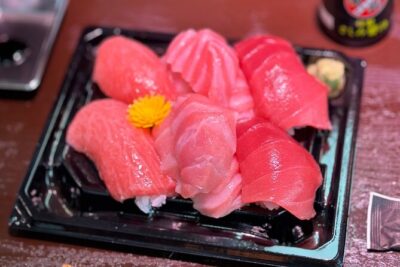
One thing to consider: in the sushi option, raw fish is not included, so plan for cooked/assembled sushi elements instead of sashimi-style learning.
In This Review
- Key highlights you should know
- Karahori Shotengai Market: What You’re Shopping For
- Matsuyamachi Meeting Point and the 2.5-Hour Pace
- Cooking with Masato or Shohei: How the Class Teaches, Not Just Feeds
- The Sushi-Making Option: Tamagoyaki, Wagyu, and Seasonal Veg
- Other Menu Choices: Character Bento and Japanese Curry Rice
- Market-to-Kitchen Flow: Making the Ingredients Click
- Price and Value: Is $120 Worth It?
- Who Should Book This Osaka Class (and Who Might Not)
- Should You Book This Osaka Market and Cooking Class?
- FAQ
- How long is the Osaka market and cooking class?
- What will I cook during the class?
- Is raw fish included in the sushi option?
- If I select the market tour, what happens?
- Can you handle allergies or special diets?
- How large is the group?
- Where do I meet, and is hotel pickup included?
Key highlights you should know
- Karahori Shotengai market add-on: a nearby covered street tour with small stalls for ingredients and condiments
- Menu choice (or default sushi): specify what you want, otherwise you’ll start with sushi-making
- Sushi details that teach skills: tamagoyaki, Wagyu beef, and seasonal vegetables like lotus root and shiitake
- Three dishes plus tea: you cook from scratch, then sit down to eat what you made
- Small group size: shared class capped at 13 travelers
- Chef care for restrictions: lactose free, gluten free, vegetarian, and vegan are possible on request
Karahori Shotengai Market: What You’re Shopping For
If you choose the market tour option, you’ll visit the nearby Karahori Shotengai, a covered shopping street with lots of small stalls. The point isn’t to do big grocery runs. It’s to help you see the building blocks behind Japanese cooking.
Think in terms of categories: vegetables, fresh aromatics, condiments, and seasonings. Your guide can steer you toward ingredients you’ll actually use later in the class. That makes the kitchen part feel less like following a recipe sheet and more like understanding a system.
Also, the market time is short—about 30 minutes—so you’ll get focused exposure rather than getting lost in side streets. It’s ideal if you want local food context without turning your day into a full-on shopping mission.
One practical note: this tour is about learning. If you want to buy extra items to take home, those individual purchases aren’t included, so bring some budget for snacks or pantry staples you spot on the way.
You can also read our reviews of more tours and experiences in Osaka.
Matsuyamachi Meeting Point and the 2.5-Hour Pace
The class starts at Matsuyamachi Station (2 Chome-6 Andojimachi, Chuo Ward, Osaka). There’s no hotel pickup, so you’ll want to arrive on time and get your bearings quickly at the station area.
The full experience runs about 2 hours 30 minutes. That timing matters because it shapes what you’ll accomplish. You’re not doing a long, meandering food day. You’re doing a compact, hands-on session: market (optional), cooking (hands-on), then tea and eating.
Because it’s shared and capped at 13 people, the format stays social, but you won’t feel like you’re shouting across a huge table. The pacing also supports questions. When you can ask in the moment—why a sauce goes in now, or what texture you’re looking for—the skills stick.
And yes, there’s a mobile ticket. In Japan, that’s a minor detail, but it saves time and stress when you’re juggling trains, schedules, and hunger.
Cooking with Masato or Shohei: How the Class Teaches, Not Just Feeds
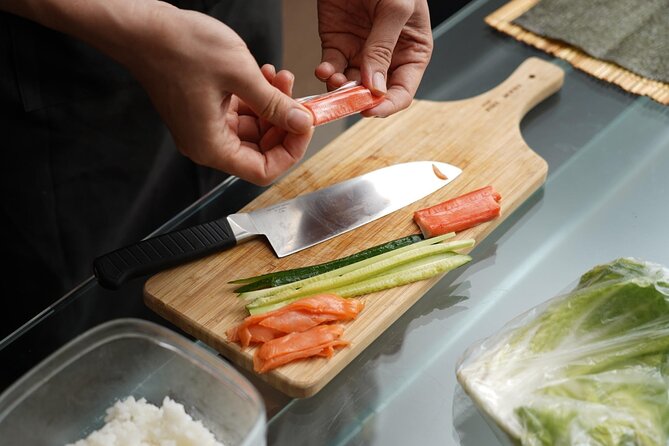
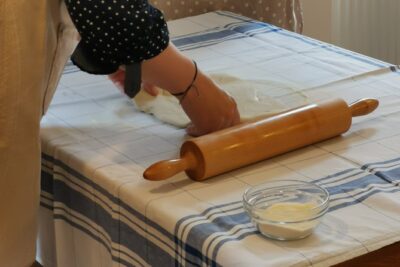
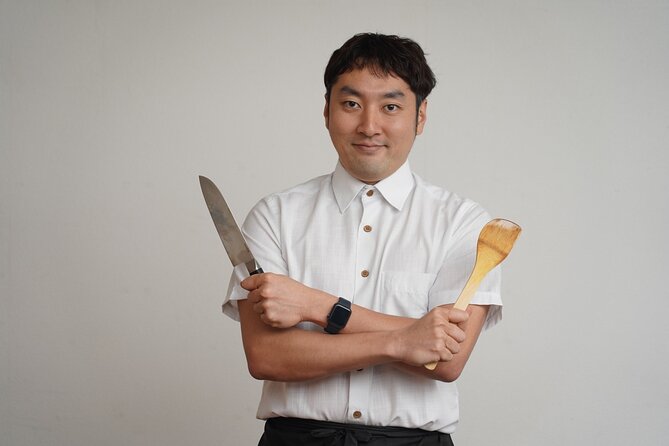
The core of the experience is a shared, hands-on cooking class led by an expert host. The program highlights professional instruction, and the vibe is practical: you cook, you ask, you correct, you learn.
You’ll prepare three dishes from scratch. That’s a sweet spot. You get variety—something rice-based, something structured like sushi or bento-style items, plus additional dishes that round out a meal—without spending the entire session on one technique.
You’ll also get cultural context tied to cooking choices. That’s one of the less obvious values of a chef-led class. It’s not just food theory. It’s understanding why certain flavors pair the way they do, and how Japanese kitchens think about balance.
One more helpful detail from past sessions: chefs have been careful about allergies and preferences. If you’ve got dietary limits, this is a big deal. You’re not stuck hoping everything works out. You’re supposed to advise at booking, and the host adjusts when possible.
The Sushi-Making Option: Tamagoyaki, Wagyu, and Seasonal Veg
If you don’t pick a menu preference, the default class is sushi-making. You should know what that means here.
Raw fish is not included, so you’ll be learning sushi construction and preparation using other elements. The class includes a selection of ingredients such as:
- tamagoyaki (rolled Japanese omelet)
- Wagyu beef
- seasonal vegetables like lotus root, bamboo shoots, and shiitake mushrooms
That ingredient list is the reason this sushi class can be more educational than you’d expect. Tamagoyaki teaches technique with texture and slicing. Wagyu brings richness and seasoning balance. And the seasonal vegetables show how Japanese cooking treats produce as part of flavor, not just filler.
Why this matters for your money and time: you’re paying for a skill-building class, not an expensive seafood tasting. You get structure—how pieces go together, how you think about cuts and fillings, and what seasonal add-ins do to the overall taste.
If you love sushi but don’t care about raw fish, this option can be a solid way to learn. If you specifically wanted to handle raw fish yourself, you’ll need to choose a different type of class.
Other Menu Choices: Character Bento and Japanese Curry Rice
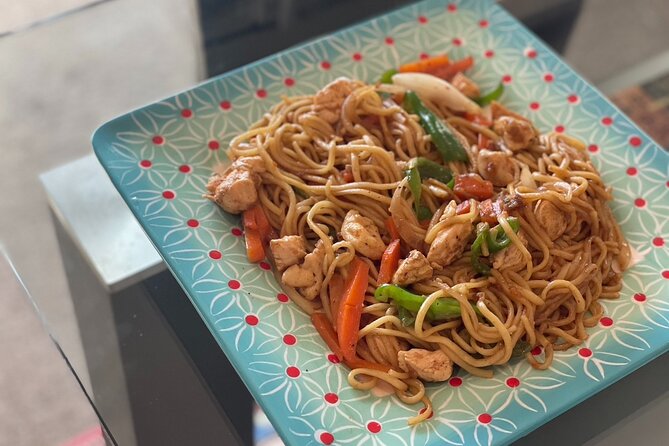
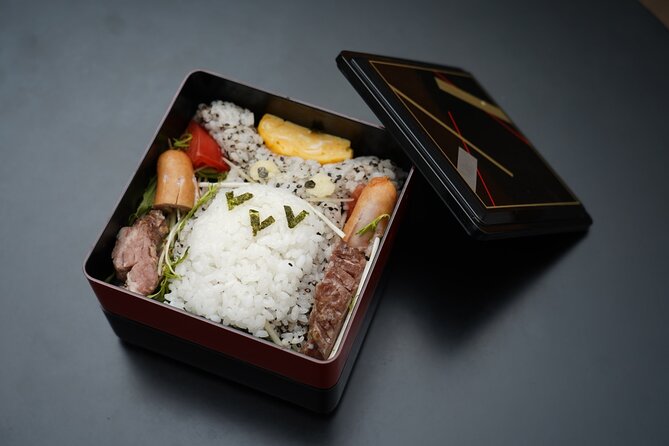
When you book, you can indicate your menu preference. The class is described as covering dishes such as sushi, character bento boxes, or Japanese curry rice.
Character bento is a great fit if you like food that’s playful and visual. It also pushes you to think about composition: how to shape, portion, and balance flavors in a compact format. Even if you’re not trying to make the most complex design, the technique of building a “complete meal” in small bites is useful and repeatable.
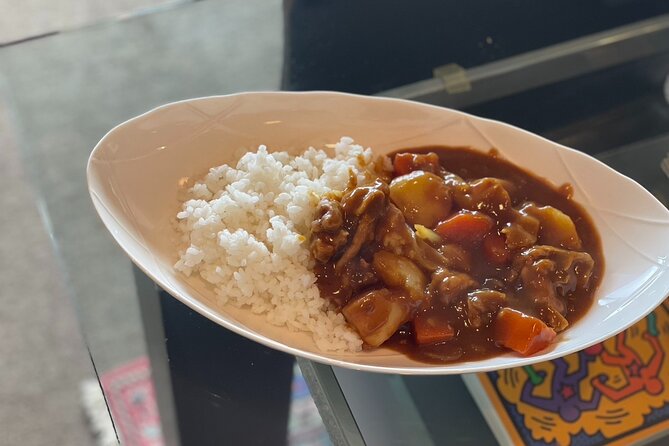
Japanese curry rice is a classic comfort approach to learn Japanese-style flavor layering. Curry classes tend to teach you how the dish gets balanced through seasoning timing and consistency—how it thickens, how you taste, and how you adjust for the right mouthfeel.
A practical tip: if you have a preference, say it clearly when booking. The experience runs on a schedule, and the host needs time to plan the ingredient setup for your group.
Market-to-Kitchen Flow: Making the Ingredients Click
One reason this kind of cooking class is worth doing in Osaka is that the food culture is close at hand. You don’t just watch from the sidelines. You connect what you saw at Karahori Shotengai with what you’re doing at the cutting board.
The menu option influences what you’ll notice in the market:
- If you’re doing sushi, you’ll likely focus on vegetables and condiments you can connect directly to fillings.
- If you’re doing curry, you’ll pay closer attention to aromatics and the kind of produce that supports a richer sauce.
- If you’re doing bento, you’ll likely look at ingredients that hold their shape and work well in portioned pieces.
That’s what turns the market visit from a “nice extra” into real value. You’re not just collecting souvenirs. You’re collecting inputs for a meal you’ll actually eat.
And once you sit down afterward, the meal feels personal because you made it. The class ends with tea, which is a small detail, but it helps bring the whole experience together. You’re not rushed out the door after cooking; you finish properly.
Price and Value: Is $120 Worth It?
At $120 per person, this isn’t a bargain-basement cooking activity. The value comes from a few specifics that matter more than the sticker price.
You’re getting:
- a professional- chef-led, shared class (max 13 people)
- three dishes cooked from scratch
- a home-style meal eating what you made
- optional guided market time (about 30 minutes)
Also, you’re not stuck with a narrow lesson. Sushi-making here can include multiple elements like tamagoyaki and Wagyu, plus seasonal vegetables. That’s more than the “one roll and a soy sauce lesson” version you sometimes see.
If you’re traveling for food skills, this price makes sense because it buys you real instruction plus a meal. If your goal is just to eat something tasty with minimal effort, you might find cheaper options. But if you want take-home recipes and technique, this is the right category.
Who Should Book This Osaka Class (and Who Might Not)
This fits best if you:
- want to learn Japanese cooking in a practical, question-friendly setting
- care about ingredient quality and want a guide to explain what you’re buying
- enjoy small-group learning rather than big group tours
It’s also a smart pick for families and groups who split interests. Even if everyone doesn’t love the same dish, the format is hands-on enough that people can stay engaged.
You might skip it if:
- you specifically want raw fish handling or sashimi-focused instruction (this class says raw fish is not included in the sushi option)
- you want a longer, deeper food tour day with lots of roaming time (this is compact by design)
- you’re looking for hotel pickup or a very heavy sightseeing schedule (it starts at Matsuyamachi Station, and hotel pickup isn’t included)
Should You Book This Osaka Market and Cooking Class?
Yes, if you want a food experience that teaches you something you’ll actually use later. The combo of guided market time, chef-led cooking, and finishing with a meal plus tea makes it feel complete. The best part is that you learn technique and ingredient logic, not just plating.
Book it especially if you have dietary needs. The class can accommodate lactose free, gluten free, vegetarian, and vegan diets on request, and the host is expected to handle allergies carefully if you flag them ahead of time.
If you’re hunting for sushi with raw fish, look elsewhere. Otherwise, this is a strong choice for learning Japanese cooking in Osaka without making the day overcomplicated.
FAQ
How long is the Osaka market and cooking class?
It lasts about 2 hours 30 minutes.
What will I cook during the class?
You’ll cook three authentic Japanese dishes from scratch. If you don’t choose a menu preference, the default class is sushi-making. Options mentioned include sushi, character bento boxes, or Japanese curry rice.
Is raw fish included in the sushi option?
No. The sushi class specifically notes that raw fish is NOT included.
If I select the market tour, what happens?
You’ll take a nearby guided tour of the Karahori Shotengai market, which is described as a covered shopping street. The market segment is about 30 minutes.
Can you handle allergies or special diets?
Yes. You should advise dietary restrictions or allergies at booking. The tour notes it can accommodate lactose free, gluten free, vegetarian, and vegan diets on request.
How large is the group?
The class has a maximum size of 13 travelers.
Where do I meet, and is hotel pickup included?
You meet at Matsuyamachi Station (2 Chome-6 Andojimachi, Chuo Ward, Osaka 542-0061). Hotel pickup and drop-off are not included. You also return to the meeting point at the end.