REVIEW · OSAKA
Osaka Food Walking Tour with Market Visit
Book on Viator →Operated by ALL STAR OSAKA WALK · Bookable on Viator
Four hours, two neighborhoods, one long food morning. This half-day Osaka tour is interesting because it pairs an early stop at the Osaka-Kizu Wholesale Market with a later lunch in Shinsekai, so you see how the city eats at both the supplier level and the neighborhood level. I love the hands-on food sampling, especially fresh sashimi and seasonal fruit, and I like how lunch turns into a mini crash-course in Osaka comfort food. One thing to consider: public transportation is extra (¥410 per person), so it’s not an all-in-one price.
You’ll start at Daikokucho Station at 9:00 am, walk part of the way, then take the subway over to Shinsekai. It stays small, with a maximum of six people per group, and it’s private for your group only, which keeps things from feeling like a cattle call. The tour ends near Dotonbori, by Ebisu Bridge, which is a nice landing spot if you want to keep eating after.
In This Review
- Key things I’d plan around
- Osaka food on foot: what this tour is really good for
- Price and value: what you get for about $130
- Start at Daikokucho, then move like a local
- Osaka-Kizu Wholesale Market: sashimi, fruit, and how markets teach you
- Tea shop and a kitchen knife stop: why it’s more than food
- Shinsekai lunch: Osaka comfort food with okonomiyaki pancakes
- Ebisu Bridge and Dotonbori: plan your next bite after the tour
- Who should book this Osaka food walking tour
- Book it or skip it: my straight answer
- FAQ
- FAQ
- How long is the Osaka food walking tour?
- What time does the tour start?
- Where does the tour start and where does it end?
- What areas will we visit?
- What is included in the tour price?
- Is transportation included?
- What kinds of food will I try?
- Is it a small group?
- Can I cancel for a full refund?
- Can children join the tour?
Key things I’d plan around
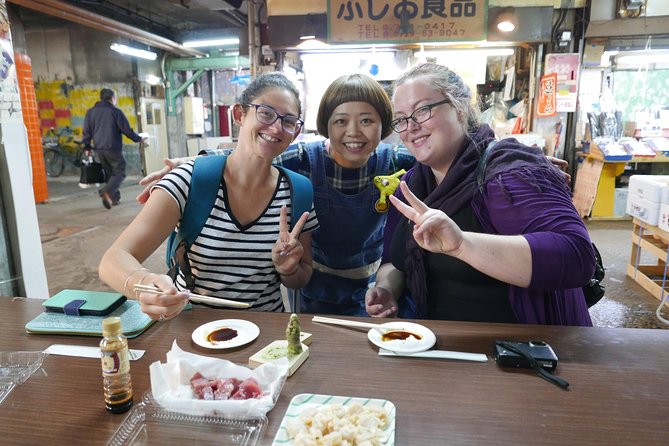
- Osaka-Kizu Wholesale Market tastings: fresh sashimi, seasonal Japanese fruit, and market snacks in a real buying zone
- Small group (up to six): you get more back-and-forth with your guide and fewer bottlenecks
- Subway transfer built in: you see more of the city without wasting time figuring out routes
- Shinsekai lunch focus: Osaka comfort food, including okonomiyaki cabbage pancakes
- Tea shop + kitchen knife shop stops: small culture details that explain why food in Japan feels so thoughtful
- Ends by Ebisu Bridge/Dotonbori: easy to continue your day in Namba afterward
Osaka food on foot: what this tour is really good for
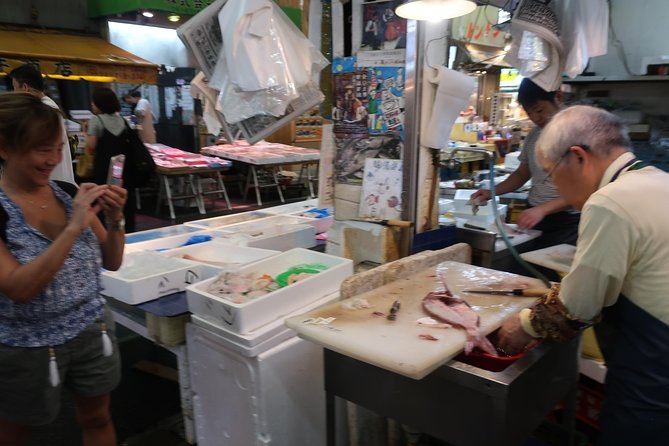
This experience is built for the way Osaka actually works: food starts upstream, then lands in neighborhood plates. The Osaka-Kizu Wholesale Market stop is where you learn what quality looks like before it becomes a menu item. Then Shinsekai gives you the other half of the story—warm, filling comfort food in a local food street setting.
I like that the format isn’t just walking and looking. You’re given food samples, and lunch is included, plus snacks. That matters because “food tours” sometimes turn into mostly photos and light tasting. Here, the structure is more practical: you’re eating often enough that the afternoon doesn’t feel like you’re still waiting for the good part.
The small-group limit is another real advantage. With up to six people, your guide can slow down when a question comes up, and the group doesn’t get stuck in a moving line as much. That adds up when you’re in a market where aisles can be tight and people come and go fast.
One more detail that makes it easier to enjoy: it ends near Ebisu Bridge in Dotonbori. After four hours, you’re not trapped at some random meeting point. You can roll straight into shopping, street life, and more snacks.
You can also read our reviews of more tours and experiences in Osaka.

Price and value: what you get for about $130
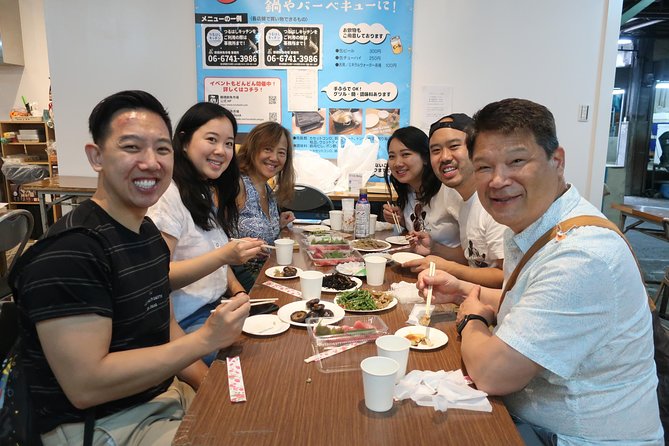
At $130.64 per person, this tour isn’t a bargain-basement deal. But it does include a lot that many cheaper tours skip: lunch and multiple food samples/snacks, plus a guide through a wholesale seafood market and then through Shinsekai. You’re also getting a guided subway transfer between the two areas, and the overall timing is tight enough to feel efficient without turning into a sprint.
That said, read your budget carefully. Public transportation is listed as ¥410 per person and is not included. Alcoholic beverages are also not included, so if you’re the type who likes a beer with food, you’ll want to plan that separately.
For me, the “value test” is simple: does this tour help me eat better and understand what I’m eating? The answer here is yes, especially at the market where you’re sampling fresh items and hearing context you wouldn’t easily pick up alone. If you want a hands-on Osaka intro that doesn’t require you to research seafood markets for days, this price can make sense.
Start at Daikokucho, then move like a local
The tour begins at Daikokucho Station (at 9:00 am). Meeting at a subway hub is a smart choice because it’s easy to reach and you don’t start with a long pre-walk. From there, you’ll do the market portion on foot, then head to Shinsekai via subway.
This structure is helpful if you’re on a schedule. Starting early gives you that “food day begins in the morning” feeling. And because the tour is only about four hours, you’re not surrendering an entire day to sightseeing logistics.
The mobile ticket format is also practical. You won’t be stuck hunting for paper vouchers while you’re trying to find the group. It’s a small thing, but it reduces stress at the start.
Finally, the tour is positioned as a small-group experience with a maximum of six people, and it’s private for your group only. If you like interaction (questions, explanations, pacing), that’s where you’ll feel the difference.
Osaka-Kizu Wholesale Market: sashimi, fruit, and how markets teach you
The highlight of the morning is the Osaka-Kizu Wholesale Market stop. This is a wholesale fish market in the city, not a themed market for tourists. That’s important because the vibe is different. You’re seeing what people actually buy, and you get a clearer sense of why Osaka is known as the kitchen of Japan.
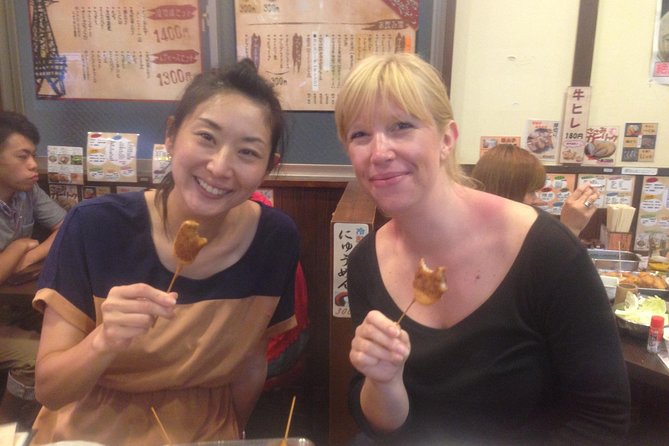
You’ll explore with a local guide, tasting things along the way. The tour description emphasizes fresh sashimi and seasonal Japanese fruit, and the experience is designed so you sample rather than just watch. You also have the chance to try street food and enjoy lunch that locals like. That “eat while you learn” approach is exactly what you want in a market setting.
A detail I really respect from guide-style experiences like this: quality isn’t just a claim. In a good market tour, you learn how to notice freshness—how seafood looks, how it smells, and how the guide explains what the market is known for. The review feedback also points to the guide, Ichiro-san, doing a patient job explaining the areas with some history and facts. That kind of guidance helps the market feel less mysterious.
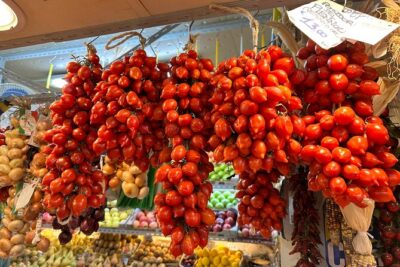
One more perk: reviews note that you can catch the contrast between different kinds of visitors. You’ll see professional-focused shopping alongside people enjoying market food, which makes the place feel like part of daily life, not a sightseeing stage. In one review, there was also mention of spotting rare Naniwa traditional vegetables, which is a nice reminder that this isn’t only about seafood.
Drawback to keep in mind: markets can be noisy and crowded by nature. If you’re sensitive to strong smells or a fast pace, go into it knowing you’ll be in active spaces. The payoff is that you’re eating real food in the real environment that creates it.
Tea shop and a kitchen knife stop: why it’s more than food
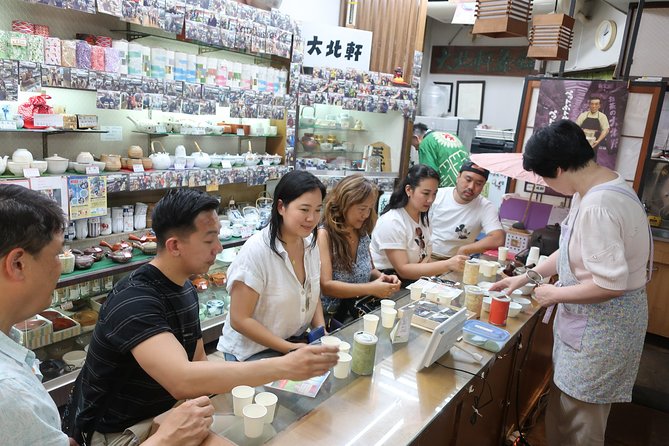
The Shinsekai portion includes a guide-led walk with stops that go beyond plates: the tour mentions a tea shop where you can compare different types of Japanese tea, and it also includes a stop by a kitchen knife shop.
These sound minor, but they’re actually useful. Tea comparisons can help you understand how bitterness, aroma, and sweetness show up alongside savory flavors. Even if you don’t become a tea expert, you come away with a practical sense of pairing.
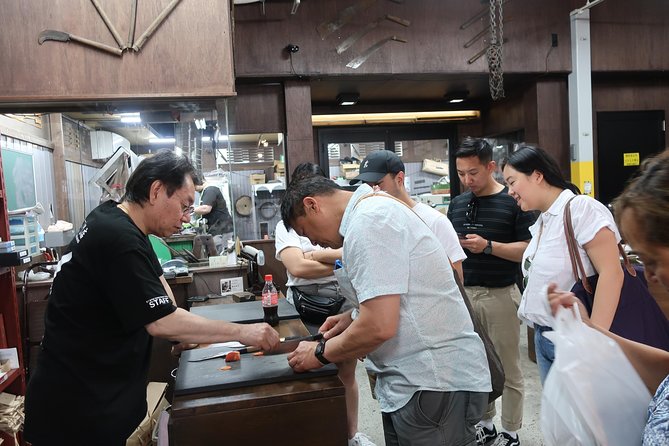
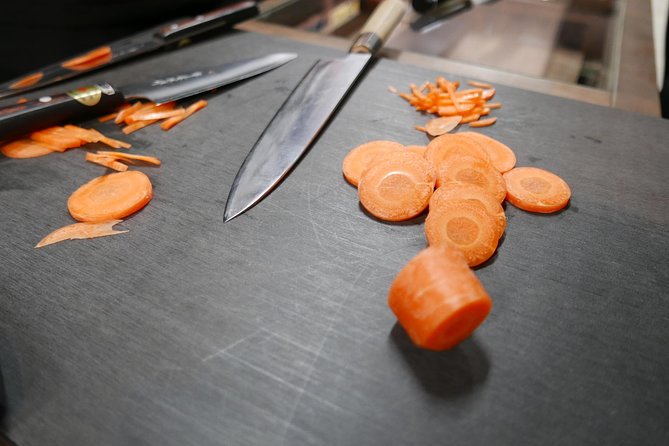
And the kitchen knife shop stop fits Osaka’s reputation for food craftsmanship. In Japan, tools and ingredients often sit in the same cultural conversation. You’re not just learning what to eat; you’re getting a glimpse of the mindset behind preparing food.
I wouldn’t treat these stops as the main reason to book. Instead, think of them as flavor context. When you later eat okonomiyaki, you’ll have a little more awareness of why Osaka food feels both casual and seriously made.
Shinsekai lunch: Osaka comfort food with okonomiyaki pancakes
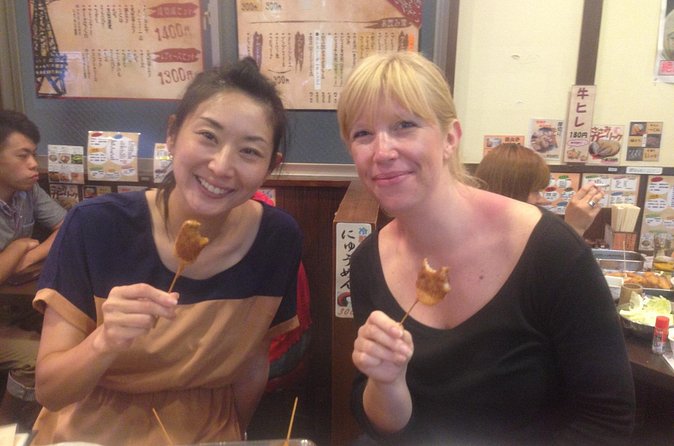
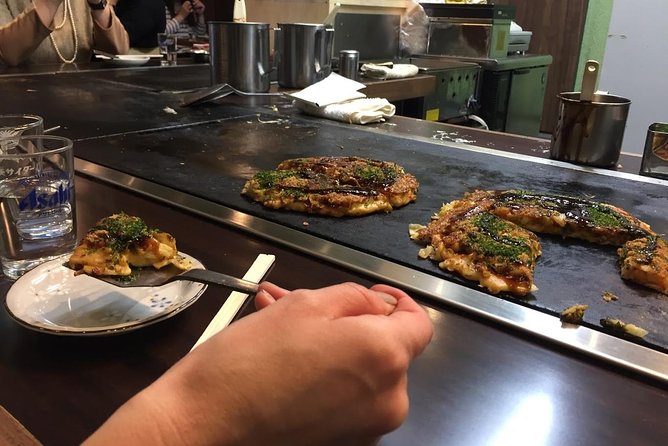
After the market, you head to Shinsekai for lunch. This is where the tour turns from “sourcing and tasting” to “sit down and enjoy Osaka.” The description calls it a traditional lunch at a restaurant in Shinsekai, and the highlights specifically mention trying Osaka comfort food like okonomiyaki cabbage pancakes.
Okonomiyaki is one of those dishes that can feel simple until you experience it where it’s treated as comfort food. In a Shinsekai setting, you’re more likely to get the full vibe: savory batter, cabbage, and toppings that make it satisfying without being fussy.
From a value perspective, lunch is doing real work here. Because lunch is included, you don’t have to decide on the spot where to eat or whether it’s touristy. You can focus on tasting and learning, then continue your day after the tour ends near Dotonbori.
One practical note: the tour doesn’t include alcoholic beverages. If you want a beer or a drink with your meal, you’ll need to pay for it separately. Snacks are included, but you should still treat lunch as your main meal anchor.
The small-group format helps here too. If you have questions about what you’re eating, you’re more likely to get answers while you’re seated rather than immediately moving on.
Ebisu Bridge and Dotonbori: plan your next bite after the tour
The tour can end at Osaka’s downtown area near Times Square/Dotonbori, by Ebisu Bridge. That’s a good finish point because Dotonbori is where people go for the lights, the street energy, and the next round of food.
Think of the end as a “launchpad.” The tour gets you full (lunch plus snacks), so you can keep exploring without feeling like you must eat immediately. If you want to keep going, you’re already in the right neighborhood for it.
I also like how the tour is timed. Ending after lunch keeps you from feeling like you’re wasting the afternoon. You can map out your next stops—shopping, photos, and whatever late snacks you feel like chasing—without needing to return to a faraway meeting point.
Who should book this Osaka food walking tour
I’d book this if you want:
- A guided start at a major seafood market with fresh sashimi and seasonal fruit rather than just wandering
- An Osaka comfort-food lunch in Shinsekai, including okonomiyaki cabbage pancakes
- A small group size (up to six) so you can actually ask questions and not feel shuffled
- A tour that ends in a useful spot near Dotonbori so you can keep your day going easily
It’s also a good pick if you don’t want to plan multiple reservations. The tour stitches together market learning, tea and knife culture stops, and lunch in one half-day block.
If you prefer to choose every restaurant yourself and control every bite, then this might feel a bit structured. But if you’d rather let someone else do the connecting and you just show up hungry, it fits well.
Book it or skip it: my straight answer
Book this tour if you want a hands-on Osaka food morning that balances sourcing (market) and comfort (Shinsekai lunch). The included lunch, snacks, and food sampling make it feel substantial for the cost, and the small-group size helps the experience feel personal rather than rushed. Add in a guide like Ichiro-san, who reviews describe as patient and good at explaining both practical facts and context, and you’ve got a solid recipe for a first-time Osaka food day.
Skip it only if you already know you want a fully independent food crawl, and you’d rather pay per stop than have lunch and tastings bundled for you. Also consider the extra transit cost (¥410 per person) in your budget.
FAQ
FAQ
How long is the Osaka food walking tour?
It runs for about 4 hours (half-day).
What time does the tour start?
The start time is 9:00 am.
Where does the tour start and where does it end?
It starts at Daikokucho Station and ends near Ebisu Bridge in Dotonbori (Namba area).
What areas will we visit?
You visit the Osaka-Kizu Wholesale Market, then Shinsekai, and the tour can end near Ebisu Bridge/Dotonbori.
What is included in the tour price?
The tour includes food samples for lunch, lunch, and snacks.
Is transportation included?
No. Public transportation is listed as ¥410 per person.
What kinds of food will I try?
You’ll sample fresh sashimi, seasonal Japanese fruit, and you’ll try Osaka comfort food such as okonomiyaki cabbage pancakes. The tea shop stop also lets you compare different types of Japanese tea.
Is it a small group?
Yes. It is limited to a maximum of six people per group, and it’s private for your group only.
Can I cancel for a full refund?
Yes. You can cancel up to 24 hours in advance for a full refund.
Can children join the tour?
Children must be accompanied by an adult, and the minimum age is 1 year old.