REVIEW · UBUD
From Ubud : Ubud Balinese cooking class with Market tour
Book on Viator →Operated by Wayan Aris · Bookable on Viator
Stepping into Balinese cooking starts with what’s for sale. This Ubud class blends a market tour and a hands-on cooking session so you learn flavors first, not just techniques.
I like how it stays practical: you cook a set of real dishes, eat what you make, and leave with a PDF recipe copy you can actually use later.
One thing to plan for is heat level. A past participant found the food very spicy even if they like spice, so it’s smart to ask how you can adjust chili early in the process.
In This Review
- Key highlights you should care about
- Ubud in one session: what the 5 hours really sets you up to do
- Pickup and getting there: easy inside Ubud center
- Market tour in Tampaksiring: spices start here (morning class only)
- Rice paddies and Subak context: making the food make sense
- Afternoon slot: making canang offerings
- Spice paste basics: the flavor engine of Balinese cooking
- Cooking nine recipes in a small group: what you can expect to make
- Bring an appetite, but also a plan
- Lunch buffet and the recipe PDF you’ll actually use later
- Price and value: what $58 includes, and what you should watch for
- Spice level and comfort: the only real drawback I’d prepare for
- Who should book this Ubud cooking class (and who might want a different option)
- Should you book this cooking class with market tour?
- FAQ
- How long is the Ubud Balinese cooking class?
- Is hotel pickup included?
- Is the market visit included every time?
- What do you cook during the class?
- Do you get recipes to take home?
- Can you request a vegetarian option?
Key highlights you should care about
- Tampaksiring market stop (morning only) to see ingredients and spice blends before cooking
- Rice paddy visit tied to the Subak context for how farming and water shape food
- Small group limit of 12 for more attention while you cook
- 9-recipe cooking run using a Balinese spice paste as the backbone for multiple dishes
- Buffer lunch at a Balinese home plus tasting as you go
- Recipe PDF for 9 dishes so you can recreate the dishes at home
Ubud in one session: what the 5 hours really sets you up to do
This is a straightforward, food-first experience in Ubud run through Wayan Aris. You’re in the kitchen for a while, but you’re also outside looking at ingredients and culture points that explain why Balinese food tastes the way it does.
The timing matters. At around 5 hours, you get enough time to learn basics, cook nine recipes, and eat a proper meal without feeling like you’re stuck in a classroom all day. If you’re short on time in Bali, it’s one of those activities that gives you both a story and a stomach-full payoff.
There’s also a simple structure: pick up, market or paddies depending on slot, then spice paste and cooking, then lunch and a recipe handoff. That flow is why this works so well for most people who want more than a photo stop.
You can also read our reviews of more tours and experiences in Ubud.
Pickup and getting there: easy inside Ubud center
If you’re staying in the Ubud center, hotel pickup and drop-off are included. You’ll travel in an air-conditioned vehicle, and you also get a welcome drink with cold ice tea, which is a nice reset if you’re starting in the morning heat.
Here’s the practical catch: pickup/drop-off is only guaranteed within Ubud center. If you’re outside that zone, you’ll need an additional transport charge. So if you’re staying farther out, check your exact hotel address against the pickup boundary before you go.
This matters for value. You’re paying for the full experience, and the included transport is part of what makes the $58 price feel reasonable instead of turning into a bigger taxi bill.
Market tour in Tampaksiring: spices start here (morning class only)
The morning version includes a traditional market stop in the Tampaksiring village area. The point isn’t just colorful photos. It’s to see the ingredients you’ll handle later: spices, aromatics, and local staples that show up across multiple dishes.
You also get a guide who knows the market scene. One highlight from a previous participant was how the guide (Wayan and his family) knew people there, which usually makes the browsing feel less tourist-y and more like you’re being introduced to a local rhythm.
What you should do during the market portion:
- Look for strong-smelling items and ask what they’re used for later
- Notice how spices are grouped or sold, since you’ll see how that becomes paste and sauces
- Take your time with produce and seasoning bases, not just the packaged snacks
Wear shoes you don’t mind getting a bit dusty. Markets tend to be a mix of smooth surfaces and uneven corners, and you’ll be moving.
Rice paddies and Subak context: making the food make sense
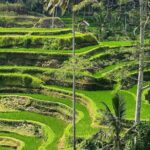
If you book the morning class, you’ll also visit rice paddies tied to the Subak context (a traditional water management system in Bali). Even if you’re not coming for theory, this stop helps you connect food to place.
Why I think this part is worth your time: Balinese cooking often relies on aromatics, herbs, and ingredients that grow in the island’s farming culture. Seeing paddies briefly gives you a mental picture for how “fresh and local” isn’t just marketing here.
Just know the trade-off: it’s a scenic stop, not a long hike. You’ll still be on schedule for the cooking portion, so plan to stay flexible and follow your guide’s timing.
Afternoon slot: making canang offerings
If you’re doing the afternoon class, you should expect a cultural cooking-adjacent activity: making canang offerings. This is one of those Bali practices that shows up in daily life, and it fits naturally alongside food, because offerings and ingredients often share the same world.
This isn’t described as optional in the provided plan. So if you care about the cooking only, you’ll still get a meaningful cultural step before you cook. If you’re curious about how food culture connects to religion and daily ritual, you’ll likely enjoy this piece.
Practical advice: wear comfortable clothes you can move in and handle a bit of mess. Offering making can be surprisingly hands-on.

Spice paste basics: the flavor engine of Balinese cooking
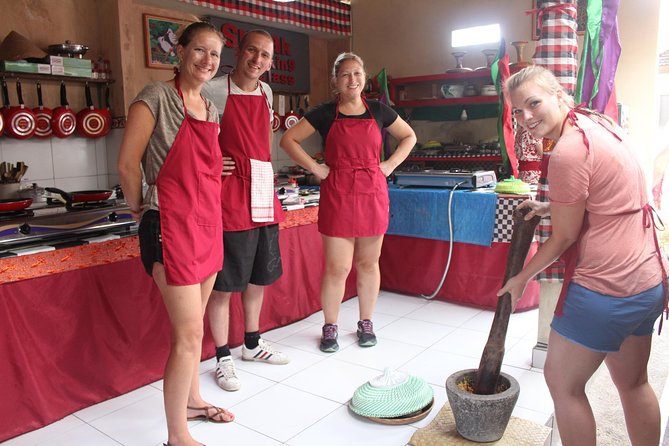
A key part of the class is learning the Balinese spice paste. This becomes the base used as a base sauce for multiple dishes, which is why the technique matters more than memorizing one recipe.
Instead of treating each dish as totally separate, you’ll learn how one paste leads to different flavors. That’s a huge value for home cooks, because you can reuse the method when you’re cooking later.
What to pay attention to:
- The balance of aromatics in the paste
- Texture and thickness, since that affects how sauces cling
- How the paste changes once cooked, not just how it smells raw
Also, there’s a practical benefit for your money: if the paste is the foundation, you’re not learning nine unrelated processes. You’re learning one system and applying it repeatedly while you cook.
Cooking nine recipes in a small group: what you can expect to make
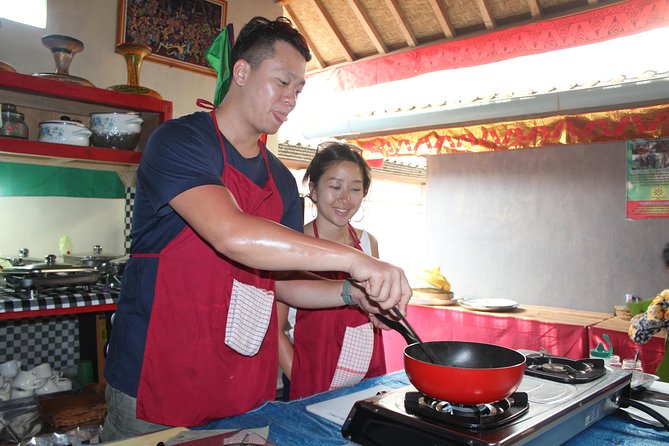
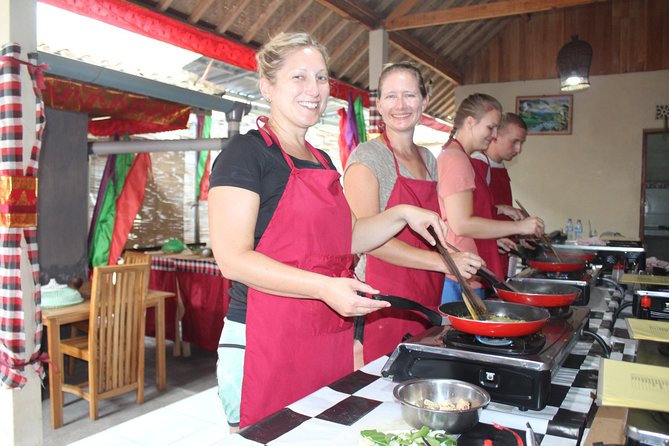
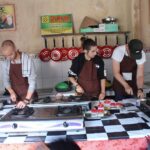
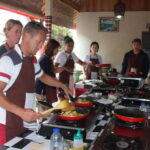
The cooking portion is the star. The experience is capped at 12 travelers, which means you’re less likely to get ignored while working with knives, pots, and hot pans.
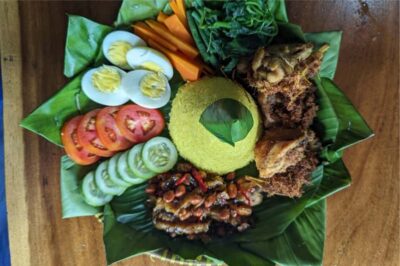
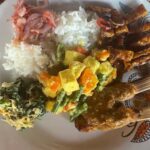
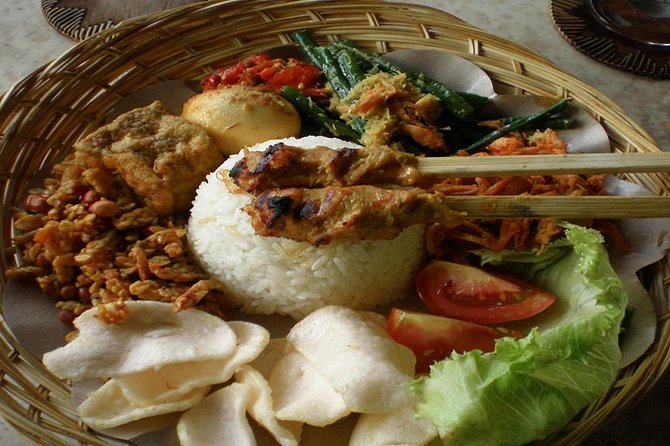
You’ll start from the spice paste, then move into a set of nine Balinese dishes. Specific examples mentioned include fried tempe, Balinese chicken, and vegetable soup, plus other dishes to complete the nine-recipe set.
What makes this “real cooking” and not a demo:
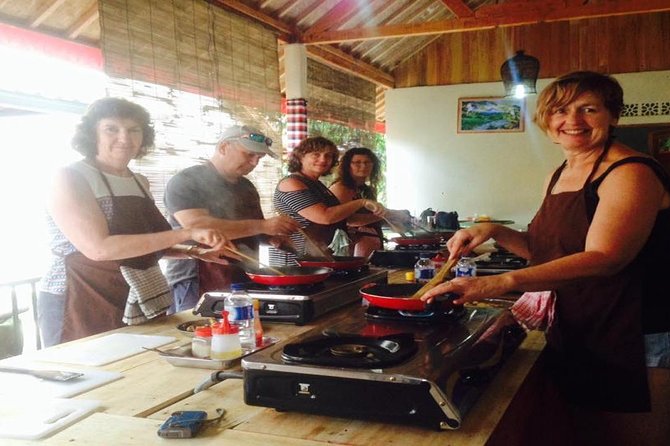
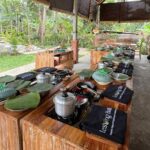
- You’re cooking in an outdoor or open-kitchen style setting
- You get to taste along the way
- You eat a buffet lunch after you cook
One useful note from a past participant: one person found the dishes way too spicy and struggled even to eat. That tells me chili levels can run hot. If you’re sensitive, tell your instructor early that you need a milder portion. Even if the core dishes are spicy, you may be able to adjust how much chili you add to your plate.
Bring an appetite, but also a plan
Expect a full session where you’ll be actively involved. If you’re the type who gets tired when you must stand and stir for a while, take short breaks when appropriate and stay hydrated. Bottled water is included.
Lunch buffet and the recipe PDF you’ll actually use later
After cooking, you’ll enjoy a buffet lunch at a Balinese house. You also get food tasting as the class goes, so you don’t just wait for the final meal to figure out what you made.
The recipe takeaway is also a big deal. You receive a PDF copy of the nine recipes, which is useful because cooking classes often end with only vague memories. Here you should be able to recreate the dishes at home with more accuracy than most similar tours.
One small tip: save the recipe PDF right away and skim it before cooking ends. That way you can connect each dish to the process you just did, and it becomes easier to repeat later.
Price and value: what $58 includes, and what you should watch for
At $58 for about 5 hours, this price looks fair because you’re getting more than a kitchen lesson. You also get:
- Morning market and rice paddies for the morning slot
- Canang offering making for the afternoon slot
- Hotel pickup and drop-off in Ubud center
- Welcome ice tea, bottled water, food tasting
- A buffer lunch
- Guiding and driver support in an air-conditioned vehicle
- A PDF recipe set for nine dishes
So you’re paying for an experience that covers transport, ingredients context, active cooking time, and meals. That’s better value than classes that only hand you a cooking station and then let you guess the rest.
What to watch:
- Alcohol isn’t included (you can buy it)
- If you’re outside Ubud center, expect possible extra transport charges
- You’ll likely want cash on hand for small additional purchases during the day (bring some just in case, since the plan notes bringing money cash)
Spice level and comfort: the only real drawback I’d prepare for
Spice is the main concern raised in the feedback you provided. One participant said the class was fun, but everything was too spicy, even for people who like spice.
Here’s how to protect your comfort without killing the experience:
- Tell your guide you want a milder version as soon as you sit down
- Ask where chili goes in the process so you can control your own portion
- If you don’t like heat, focus on tasting the balance of aromatics, not just chili intensity
Also, because the class is hands-on and active, wear comfortable clothes and closed shoes. The plan also notes a normal uniform, so expect basic practical attire rather than formal wear.
Who should book this Ubud cooking class (and who might want a different option)
This class is a strong fit if you want:
- A practical Balinese cooking lesson with a repeatable spice paste method
- A market-and-cooking combo in Ubud rather than a single kitchen demo
- A small group setting capped at 12 travelers
- A recipe handoff with a PDF for nine dishes
It may be less ideal if:
- You strongly avoid spicy food and don’t feel comfortable asking for adjustments
- You want a long, academic history lesson instead of active cooking and eating
- You’re staying well outside Ubud center and don’t want extra transport charges
If you’re traveling as a family, it also looks like a good choice because you’re cooking and eating, not watching a screen for hours. One family-focused review described it as a memorable day for adults and kids, with the cooking part landing as the highlight.
Should you book this cooking class with market tour?
If you want a real taste of Balinese food culture in one packed day, this is an easy yes. The combination of market ingredients, rice paddies context, and then cooking nine dishes with a recipe PDF is the kind of structure that helps you leave with something more than memories.
Book it especially if you like the idea of learning a spice paste system that you can reuse later. Just go in prepared for spice, and tell your guide early if you need it toned down.
FAQ
How long is the Ubud Balinese cooking class?
It lasts about 5 hours.
Is hotel pickup included?
Pickup and drop-off are included for hotels in Ubud center. If you’re outside that area, extra transport charges may apply.
Is the market visit included every time?
The traditional market visit is included for the morning class only.
What do you cook during the class?
You make nine Balinese recipes, including dishes like fried tempe, Balinese chicken, and vegetable soup, plus additional dishes to reach nine total.
Do you get recipes to take home?
Yes. You receive a PDF copy of the nine recipes.
Can you request a vegetarian option?
You can request a vegetarian menu, but you need to put the request in one day before the class.