REVIEW · UBUD
Balinese Cooking Class with Traditional Market Tour
Book on Viator →Operated by Bali SUN Tours · Bookable on Viator
You’ll smell the market before you taste it. This Ubud Balinese cooking class turns a morning market run into real flavor knowledge, then feeds you with a hands-on 5-course lunch you make yourself. I like that it’s not just a demo; you shop for ingredients, grind spices, and cook in an open setup.
My favorite part is the cooking technique. You’ll work with traditional tools, including a stone mortar for pastes and sauces, plus a second prep style using a wooden chopping block. It’s the kind of skill that makes your next meal taste more Balinese, not just more tasty.
One thing to consider: it’s a morning start and a full work session. Even though the cooking lesson is about 2.5 hours, pickup-to-drop-off is around 6 hours, and you’ll be doing a lot with your hands—so come ready.
In This Review
- Key Highlights You’ll Actually Notice
- Ubud Morning Market: Where the Day’s Flavors Start
- What to watch for
- Herbs, Garden Learning, and That First Sip of Coffee
- The Stone Mortar Lesson: Technique You Can Repeat
- A small but important detail: compound home cooking
- Your 5-Course Lunch: Eat the Proof, Not Just the Results
- The traditional open kitchen vibe
- Transfers and Timing: Why the Whole Day Feels Longer Than 2.5 Hours
- Group size and personal attention
- Price and Value Check for $58.16 in Ubud
- Who This Cooking Class Is Best For (And Who Should Skip)
- Practical Tips So Your Day Runs Smoothly
- Should You Book This Balinese Cooking Class and Market Tour?
- FAQ
- How long is the Balinese cooking class?
- What time does the tour start in Ubud?
- Does the tour include hotel pickup and drop-off?
- How many people are in the group?
- What will I do at the traditional market?
- Is there a garden stop before cooking?
- What cooking tools are used during the lesson?
- What do I eat at the end of the class?
- How does cancellation work?
Key Highlights You’ll Actually Notice
- Traditional market timing: Shop while it’s cooler, so buying ingredients feels comfortable and lively.
- Herbs, spices, and coffee-cake: A garden stop plus a welcome drink and snack set you up before cooking.
- Two spice-prep styles: Chop on a wooden block, or grind in a stone mortar for different textures.
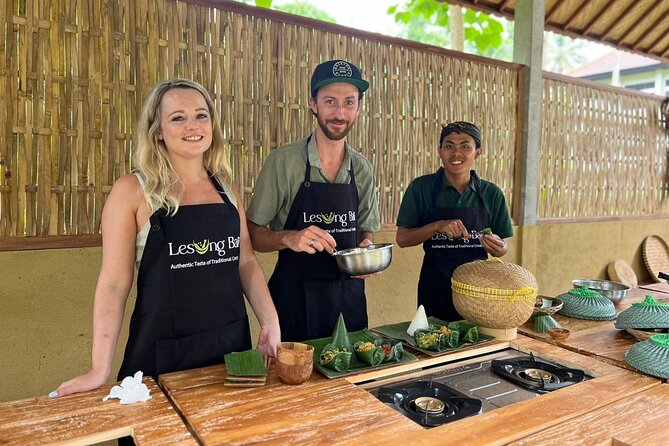
- Open kitchen, hands-on cooking: You prepare, cook, and then eat what you made, course by course.
- Small group feel: Personalized attention in a group listed at around four to 12 people.
Ubud Morning Market: Where the Day’s Flavors Start
The day begins with pickup from your accommodation, then you head to a traditional market in Ubud. The market visit starts around 7:30 to 8:00 am, which matters more than it sounds. Morning hours tend to be cooler outdoors, and that keeps the walk-through and ingredient-buying from feeling like an endurance test.
This is where the experience gets grounded in daily life. You’re not just picking up random items for your cooking class. You’re buying the foods and aromatics Balinese home cooks rely on, and you’ll see the rhythm of a real market—produce, snacks, and the kind of familiar hustle that makes the later cooking make sense.
I also like that your guide gives context while you shop. Names like Nyoman and Ron show up in the guide stories you’ll hear from previous groups, and the common thread is that they explain what you’re seeing—like how to identify vegetables and fruit and how market traditions fit into Balinese routines. If you enjoy understanding the why behind the what, this is the part you’ll remember.
You can also read our reviews of more tours and experiences in Ubud.
What to watch for
Markets involve heat, uneven surfaces, and lots of small decisions. Wear shoes you can walk in comfortably, and keep your energy for the next steps. Also, you’re going to cook and eat afterward, so think about snacks you might want to skip later.
Herbs, Garden Learning, and That First Sip of Coffee
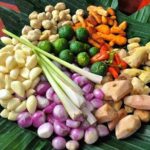
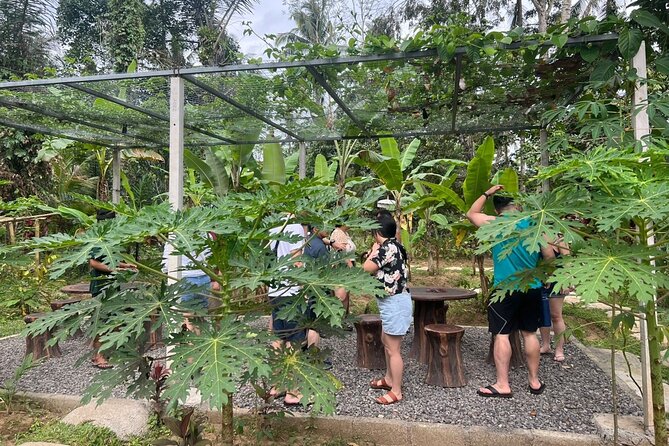
After the market, the pace shifts toward calm and preparation. You’ll visit an organic garden where herbs and spices are introduced before the main lesson starts. This isn’t just “look at plants” tourism. It’s practical. You learn what goes into Balinese cooking and you start connecting that ingredient list to the flavors you’ll make in your dishes.
Along the way, there’s a welcome drink and snack, plus coffee and cake as part of the garden break. This is a smart reset. You’ve already been shopping and walking, and now you get a moment to settle in before you start doing the real work: chopping, grinding, and cooking.
One reason this stop adds value is that it makes the class feel less generic. When you know which herb or spice came from which stage of the day, it’s easier to recreate the taste later. Even if you don’t cook Balinese food at home, you’ll leave with a clearer sense of how the flavors build.
The Stone Mortar Lesson: Technique You Can Repeat
Then comes the core of the class: learning Balinese cooking techniques with traditional utensils. This is where the experience stops being passive and starts turning into actual skills.
You’ll practice prep with two main approaches:
- Chopped preparation on a wooden chopping block
- Ground preparation using a stone mortar, especially for pastes and sauces
That difference matters. Chopping often gives you a more visible texture and a different release of flavor. Grinding tends to create a smoother paste, which can help sauces cling and blend more thoroughly during cooking. Either way, you’re learning the mechanics behind Balinese flavor, not just copying a recipe.
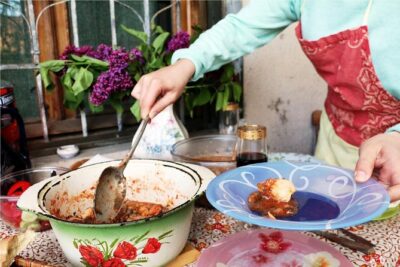
And you’re not watching someone else do it. The prep and cooking are hands-on, and everything is performed by you. This is the part you should mentally prepare for. Your fingers will do real work: chopping, pounding, mixing, tasting as you go. The payoff is that you can connect each step to the final dish you eat.
A small but important detail: compound home cooking
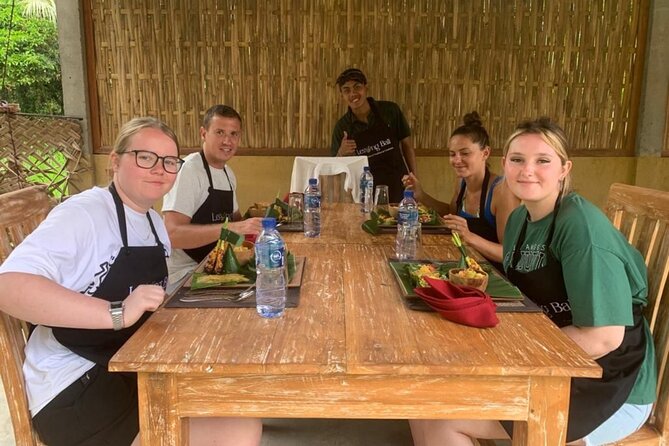
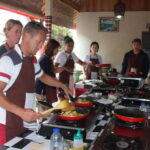
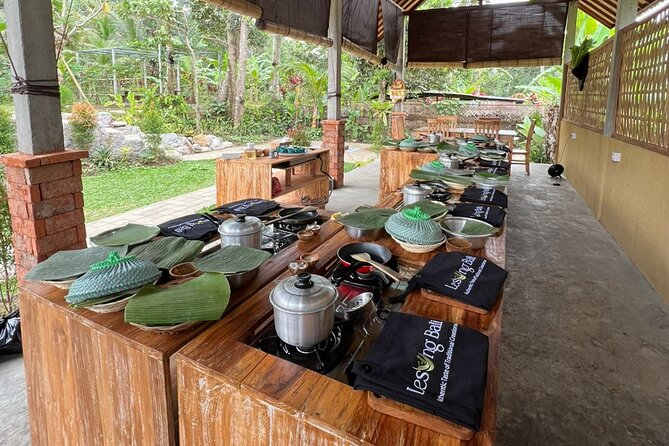
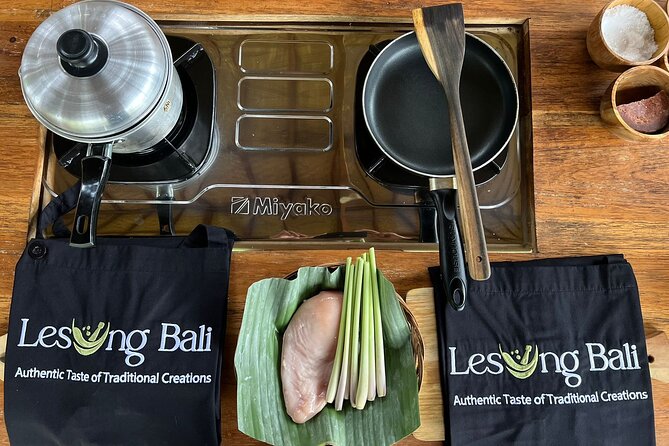
The cooking happens in a traditional compound home and in an open kitchen setup. Open kitchens tend to feel more “in the real world” than indoor classrooms, and they also make the session more communal. You’re working near the action, not shut inside a demo room.
If you like learning by doing—rather than taking notes—this is a huge reason the class earns such high scores.
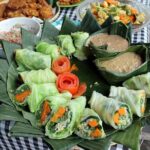

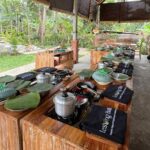


Your 5-Course Lunch: Eat the Proof, Not Just the Results
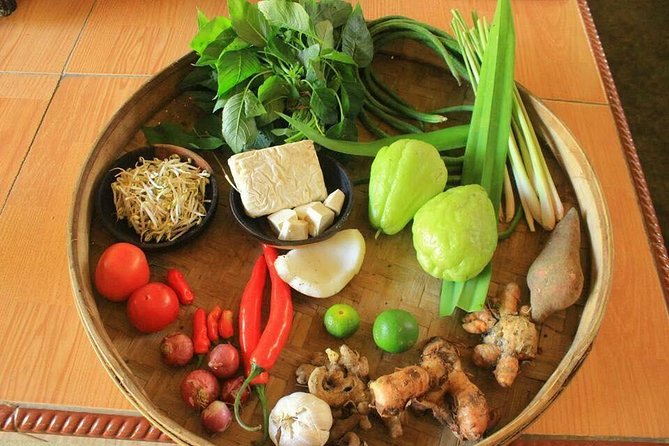
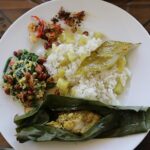
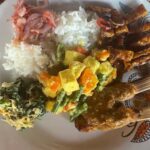
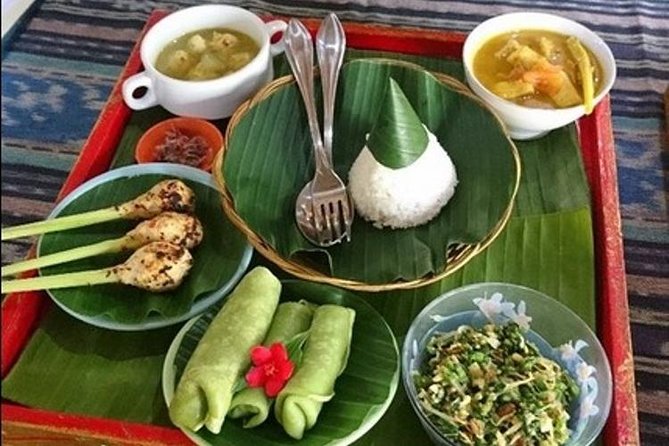
By the time lunch arrives, you’ll have already made everything. The class includes 5 dishes and 1 dessert, and all of them are part of your meal. That means you’re not paying for an instructional experience and then hoping the food is good. You’re going to taste what you cooked, course by course.
There’s something satisfying about eating your own work—especially when you’ve labored over spice paste and sauce prep. It also helps you learn faster. If something tastes too strong or too mild, you can connect that to the prep method and cooking step you just performed.
Many people go into these classes hungry, but this one’s a bit of a warning: the lunch is described as a full feast, and you may not finish everything. If you have a big appetite, great. If you don’t, plan how you’ll pace yourself so you can still enjoy the dessert at the end.
The traditional open kitchen vibe
Eating in an open kitchen feels normal, like you’re part of a home routine rather than a staged performance. You’ll feel the rhythm of the cooking process even while you eat, because the kitchen is where the work happens.
The class also includes bottled water, so you’re not scrambling for hydration mid-session.
Transfers and Timing: Why the Whole Day Feels Longer Than 2.5 Hours
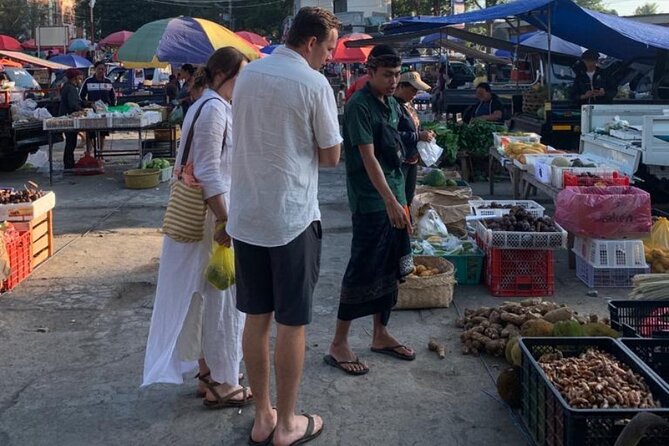
On paper, the cooking lesson is about 2 hours 30 minutes. But from pickup to drop-off, the experience runs closer to 6 hours. That’s typical for good morning tours in Ubud: you lose time to travel, market browsing, and prep breaks.
Start time is tied to the market schedule, beginning around 7:30 am. So yes, set an alarm. If you’re the kind of traveler who likes a slow start, this will feel like the opposite—early and active.
The good news is the day is structured. You’re not cooking nonstop without breaks. You get:
- pickup and travel
- market time
- garden introduction plus welcome drink and snack
- hands-on prep and cooking
- the full meal
- then drop-off
Group size and personal attention
The class is described as small-group with personalized attention. Group size is listed as four to 12 people, with a maximum of 12 travelers overall. One detail you’ll want to know: the booking limit is listed as a maximum of 6 people per booking, even though the class can accommodate 12 participants.
In practice, smaller groups usually mean you’ll get more help with your technique—especially with the stone mortar paste, where pressure and timing matter.
Price and Value Check for $58.16 in Ubud
Let’s talk money in a grounded way. The price is $58.16 per person, which includes a lot more than most “cook with us” experiences.
Here’s what’s included:
- hotel pickup and drop-off
- traditional market visit
- welcome drink and snack
- cooking instructor
- lunch of everything you make (5 dishes + dessert)
- certificate of cooking class
- bottled water
That’s a major value point. You’re paying for transportation, ingredients education, cooking instruction, and a full meal. For Ubud, it’s hard to beat when you factor in the fact that you’re eating what you make and not just tasting a small sample.
You’ll also want to consider timing. Booking on average about 21 days in advance suggests it’s a popular morning activity. If your Ubud stay is short, I’d book early so you can line it up with your schedule.
Who This Cooking Class Is Best For (And Who Should Skip)
This is ideal if you want real cultural context through food. You’ll get plenty of culture in the market: how people shop, what they choose, and how the day’s cooking ingredients connect to everyday life.
It’s especially good for:
- people who like hands-on learning
- food lovers who want to understand spice paste and sauce techniques
- travelers who enjoy small groups and personal coaching
- anyone who likes early starts if it means a full day of learning and eating
It’s less ideal if:
- you don’t want a morning start
- you dislike active cooking work with chopping and grinding
- you’re looking for a short, low-effort “tasting tour” style experience
Practical Tips So Your Day Runs Smoothly
A few things will help you enjoy the process more.
Wear:
- comfortable clothes you don’t mind getting a little messy
- closed-toe shoes for market walking and open kitchen areas
Mind your expectations:
- the lunch is substantial, and you may not finish everything
- the main draw is the technique, not just the final dishes
If you have special dietary needs:
- the data doesn’t specify options, so I recommend checking with the operator before booking and being clear about what you need.
Finally, for the stone mortar part, don’t rush. The goal is texture and consistency, and that takes a steady pace.
Should You Book This Balinese Cooking Class and Market Tour?
I think you should book it if you want more than a meal. This tour connects market ingredients → garden herbs → spice technique → a full 5-course lunch you personally cook. The hands-on stone mortar training and the two spice-prep methods are the sort of details that make the experience feel practical, not touristy.
I’d skip it if your ideal day is slow, quiet, and hands-off. The schedule is active, and you’re doing real work with your hands for multiple dishes.
If you’re in Ubud and you want one morning activity that gives you skills plus lunch plus real cultural context, this is an easy “yes.”
FAQ
How long is the Balinese cooking class?
The cooking class is about 2 hours 30 minutes, but pickup to drop-off is approximately 6 hours.
What time does the tour start in Ubud?
The market visit starts around 7:30 am, with the market portion running about 7:30 am to 8:00 am.
Does the tour include hotel pickup and drop-off?
Yes. Door-to-door round-trip transfers are included.
How many people are in the group?
It’s a small-group experience with personalized attention. The class can accommodate up to 12 people, and the booking limit is up to 6 per booking.
What will I do at the traditional market?
You’ll visit a traditional market to buy the cooking needs for your class, guided by your instructor.
Is there a garden stop before cooking?
Yes. You’ll visit an organic garden where herbs and spices are introduced, and you’ll also have a welcome drink and snack (with coffee and cake).
What cooking tools are used during the lesson?
You’ll use traditional utensils and techniques, including a stone mortar for grinding spice pastes and sauces, and you’ll also chop using a wooden chopping block.
What do I eat at the end of the class?
You’ll enjoy lunch made from what you cook, including 5 dishes and 1 dessert.
How does cancellation work?
Free cancellation is available. You can cancel up to 24 hours in advance of the start time for a full refund. Changes within 24 hours aren’t accepted.