
REVIEW · SIEM REAP
Angkor Wat Sunrise and Market Tour by Jeep
Book on Viator →Operated by Asean Angkor Guide · Bookable on Viator
Sunrise at Angkor Wat feels like a reset button. This Angkor Wat Sunrise and Market Tour by Jeep rolls you out of Siem Reap early, gets you to the temples with an English-speaking guide, then keeps the day moving through the big hits of Angkor Archaeological Park.
I especially like how the morning is structured to make the most of limited daylight. You get hotel pickup by jeep, a knowledgeable guide, and built-in comfort touches like towels, cool water, and breakfast.
One thing to consider: most temple admissions aren’t included. You’ll need the Angkor pass for major stops, and the early start is still early, no matter how you feel about mornings.
In This Review
- Key Things I’d Watch For
- Sunrise at Angkor Wat: what this early start gets you
- Angkor Wat admissions: the $37 detail that affects value
- Srah Srang: the calm village break and lunch-adjacent snack
- Pre Rup: Hindu temple structure, without the time sink
- Ta Prohm and the jungle roots: the temple that looks alive
- Ta Nei: quieter, smaller, and still meaningful
- Angkor Thom circuit: Bayon, elephant terrace, and the ghost gate
- Jeep transport and pacing: 7 to 8 hours that actually work
- What’s included (and why those extras matter)
- Price and value check: when $80 makes sense
- Who this tour fits best
- Should you book the Angkor Wat sunrise and jeep temple circuit?
- FAQ
- What does the Angkor Wat Sunrise and Market Tour by Jeep cost?
- How long is the tour?
- Is hotel pickup and drop-off included?
- Is an Angkor pass included in the price?
- What’s included for food and drinks during the tour?
- What temples and areas do you visit?
- Can I cancel for a full refund?
Key Things I’d Watch For
- Sunrise timing: you’re headed straight to Angkor Wat for the early light window
- Jeep + driver combo: less hassle getting between widely spaced ruins
- Guide quality (names you may see): tours have been led by people like Jan, August, and Mr David
- Local food at Srah Srang: rice noodles with fish-green curry soup plus palm cake
- Temple ticket math: Angkor pass is $37 per person, and only some stops include admission
Sunrise at Angkor Wat: what this early start gets you
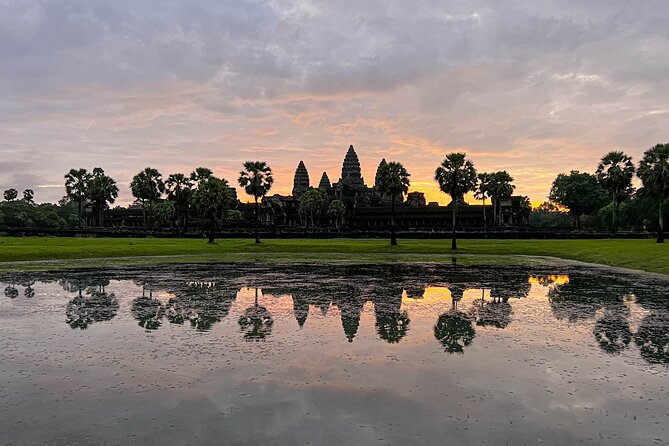
Angkor Wat is a photo magnet at any hour. But at sunrise, it changes from a landmark into a moment. The tour’s game plan is simple: you get picked up from your Siem Reap hotel and head out early so you can experience the awakening feel of the temple before the crowd wave hits hard.
You’ll spend about two hours at Angkor Wat. That’s long enough to see the first light, get some photos from a few angles, and still have time to walk at a human pace rather than sprinting from spot to spot. Bring a camera strap that you trust. Early mornings mean slippery surfaces and sweaty palms, even when the air is cool.
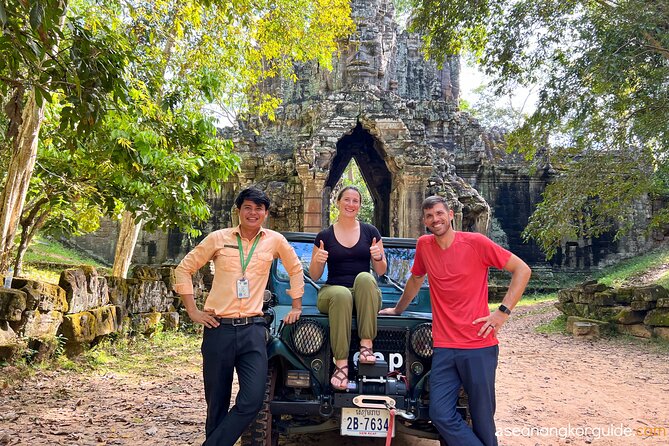
What I like here is the guide’s role. A good guide helps you read the temple layout fast: what you’re looking at, why it’s arranged that way, and how the Khmer rulers used religious symbolism to announce power. If you end up with someone like Jan, August, or Mr David (names that show up with this tour), you’ll be in good hands for that temple context.
You can also read our reviews of more tours and experiences in Siem Reap.

Angkor Wat admissions: the $37 detail that affects value
Here’s the part that can surprise people: the tour price is $80 per person, but temple admissions are not included for most stops. The Angkor pass is listed at $37 per person.
That matters for value. If you only compare the $80 to other tours, you might feel like you found a bargain. Add the pass and suddenly the price picture changes. Still, I think this tour can be good value if you’ll visit multiple major sites anyway, because you’re getting:
- A guided circuit that hits the biggest temple complex highlights
- Hotel pickup/drop-off by jeep
- Breakfast plus water/towels (small comfort, but it adds up)
Also, one stop does include admission: Srah Srang is listed with admission ticket included. The rest—Pre Rup, Ta Prohm, Ta Nei, and Angkor Thom—are not included, so don’t plan on skipping the pass.
Srah Srang: the calm village break and lunch-adjacent snack
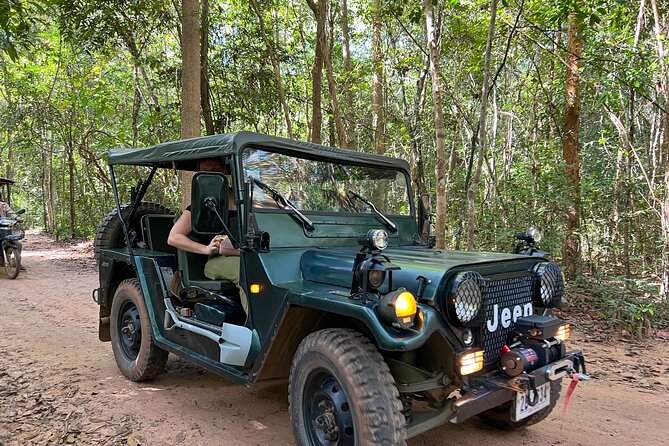
After Angkor Wat, the tour shifts gears with a short break at Srah Srang (about 45 minutes). This isn’t another temple sprint. It’s a chance to reset your legs, cool down, and eat something local.
You’ll get a meal prepared in a local-family style setting: Cambodian rice noodles with fish-green curry soup, plus traditional palm cake. It’s not a long sit-down restaurant moment, but it’s a real taste of the region rather than a convenience-store stop.
I like this stop because it balances the day. Temple touring can blur together after a while. A food break with a clear local connection helps you remember the people and daily life around the ruins, not just the stones themselves.
Pre Rup: Hindu temple structure, without the time sink
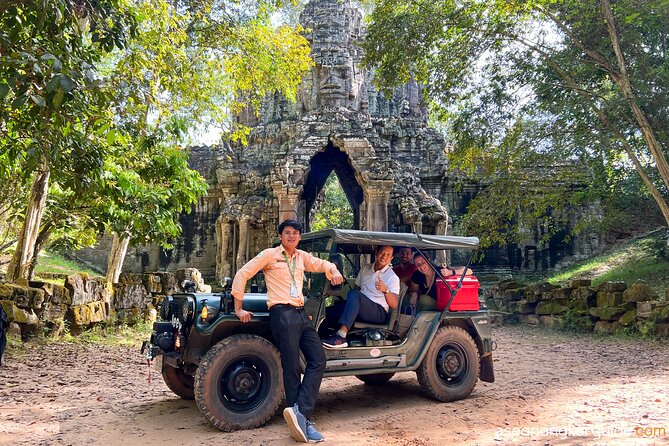
Next comes Pre Rup, a Hindu temple at Angkor built in 961 and dedicated to Khmer king Rajendravarman. You’ll have about 45 minutes here.
Pre Rup isn’t the biggest temple on the circuit, but it’s a smart stop. It gives you a different side of the Angkor story: not just Angkor Wat’s specific layout and sunrise theatrics, but the broader Khmer religious architecture and temple purpose. Even if you’re not a temple nerd, this is one of those stops where a guide can quickly turn scattered stone details into something you actually understand.
Practical note: the sun can hit hard later in the morning. Plan for photos that are quick and thoughtful rather than lingering on every angle.
Ta Prohm and the jungle roots: the temple that looks alive
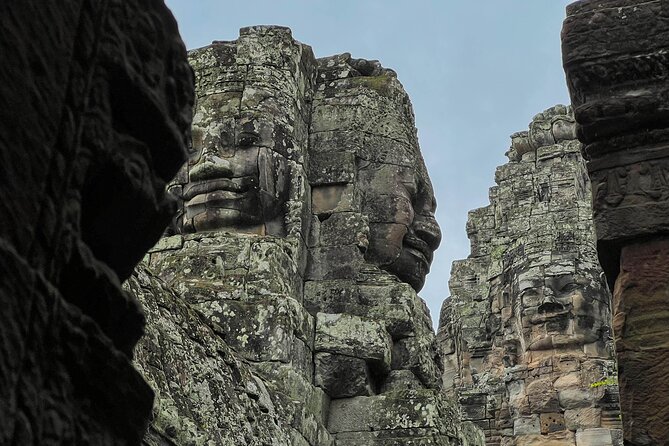
Then you get the stop that most people come to Angkor for: Ta Prohm. You’ll spend about one hour here, and the whole point is how the ruin was left and how nature has taken over. Expect a jungle-enveloped temple where large trees and roots wrap into the architecture, creating that famous, almost cinematic look.
I love Ta Prohm because it’s one of the few places where the “story” isn’t only in the carvings. It’s in the way time changes the environment. A guide can help too—so you notice key structural elements rather than only chasing the most obvious root photos.
Tip: wear shoes you trust. Roots, uneven stone, and occasional wet patches can make footing a little sketchy. You don’t need hiking boots, but you do want something stable.
Ta Nei: quieter, smaller, and still meaningful
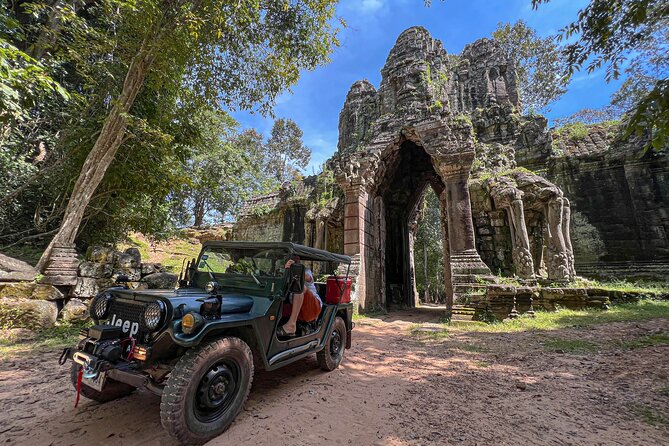
After the dramatic jungle scene, Ta Nei feels like a breather. It’s a late 12th century stone temple near the northwest corner of the East Baray, a large holy reservoir. The tour gives you about 30 minutes here.
Ta Nei was dedicated to the Buddha, which helps round out the overall spiritual picture across the circuit. It’s smaller than Ta Prohm, and that’s exactly why it works on this schedule. You get variety without burning too much time.
This is also a good place to slow down and look at details you’d miss when rushing. If you like photography, you’ll find composition opportunities here that aren’t so dominated by the busiest “wow” visuals.
Angkor Thom circuit: Bayon, elephant terrace, and the ghost gate
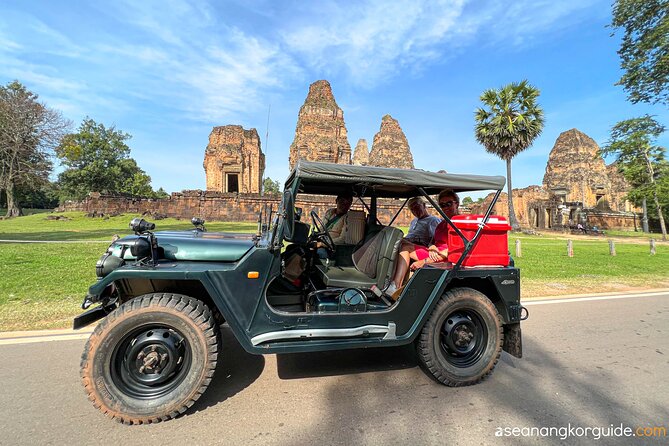
The final major temple cluster is Angkor Thom, with about two hours to explore. This is where the tour leans into the most iconic highlights inside the ancient capital.
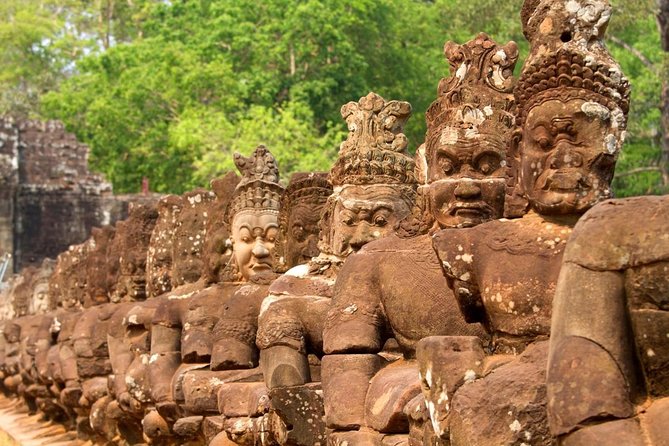
You’ll see a lineup of famous spots in the city area, including:
- Bayon Temple
- Baphoun Temple
- Phimeanakas Temple
- Terrace of the Elephant & Leper King
- Ghost gate of Angkor Thom
What I like about doing Angkor Thom with a guide is pacing and navigation. This is a large complex. With the right explanation, you start connecting how the city plan links religious and political symbolism. Without that, it can turn into “I saw cool towers and gates,” which is still nice, but you miss the why.
The elephant terrace part is especially memorable because it’s a reminder that these sites weren’t built only for worship. They were designed for spectacle, authority, and movement through sacred space. If you’ve got energy left after the morning temples, Angkor Thom is a strong payoff.
Jeep transport and pacing: 7 to 8 hours that actually work
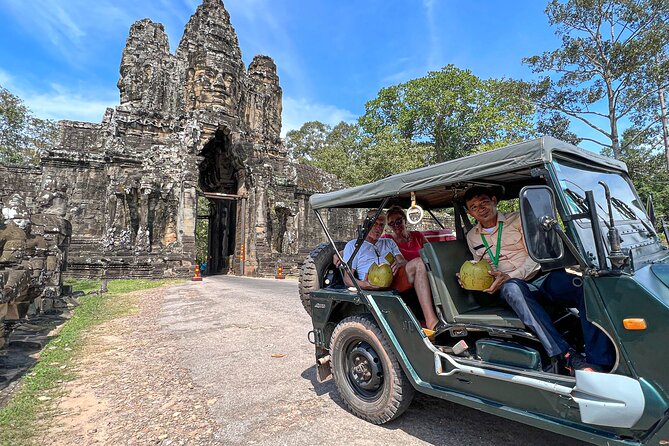
The total day runs about 7 to 8 hours. That’s long enough to see a lot, but it’s not a full-day marathon.
The jeep with an experience driver helps because temple sites are spread out, and road conditions can vary. In a schedule like this, having a driver who can keep timing reasonable matters. You’ll also have cool water and towels during the tour, which is one of those unglamorous perks that prevents the day from turning miserable.
One more practical point: this is listed as a private tour/activity, meaning it’s only your group. That’s a big deal at Angkor. Fewer people to negotiate timing with means more control over your photo stops and your walking pace.
What’s included (and why those extras matter)
This tour includes a lot of the “keep you comfortable” stuff that makes the long day easier:
- English-speaking tour guide
- Private vehicle by Jeep and an experienced driver
- Hotel pickup and drop-off
- Breakfast
- Cool bottle of water and towels
- Seasonal fruit & fresh coconut
I’m a fan of tours that include basic refreshers like fruit and coconut. It’s not just about snacks. It helps you stay steady through a morning of early waking and a day that involves plenty of moving around.
The breakfast inclusion is also helpful. If you’re heading out before you’ve properly eaten, you’ll thank yourself later.
Price and value check: when $80 makes sense
Let’s do the value check in plain terms. You’re paying $80 per person for guided transport and a full temple circuit. Then there’s the Angkor pass at $37 per person for the stops that require it.
So your likely total for the “must have” items is around $117 per person, not counting lunch and soft drinks (which are listed as not included).
That can still be a solid deal because you’re not buying tickets and figuring out timing and routes on your own. You’re also getting:
- A structured route through major sites
- A guide who can explain what you’re seeing
- Comfort support (water, towels, and breakfast)
- A local food stop at Srah Srang
If you already know you want to see multiple major temples and you dislike planning mornings, this tour is a sensible choice.
If you’re the type who hates an early start, or if you’re trying to minimize both cost and walking, you might prefer a later-start option. But based on the itinerary style, this is built for people who want the classic Angkor experience with strong guidance.
Who this tour fits best
This tour is a good match for you if:
- You want the Angkor Wat sunrise experience with less stress
- You like having a guide to interpret temple layout and symbolism
- You’re comfortable with a full morning and early afternoon of walking and heat management
- You prefer private-group flexibility rather than squeezing into a crowded bus
It also works well as a first Angkor day. You get the big temple hits plus a local food moment that breaks the pattern.
Should you book the Angkor Wat sunrise and jeep temple circuit?
I’d book it if you want a well-paced Angkor day with pickup, a real guide, and a route that hits the core temples people plan trips around. The sunrise timing at Angkor Wat is the big draw, and the rest of the day keeps variety through Ta Prohm’s jungle look, Ta Nei’s quieter feel, and Angkor Thom’s major city highlights.
You should think twice if you’re allergic to early starts or you don’t want to budget for the Angkor pass on top of the tour price. Also remember lunch and soft drinks aren’t included, so you’ll want to plan to eat afterward.
If you want a smooth, guided circuit that makes the temples easier to understand and more enjoyable to photograph, this is a strong pick.
FAQ
What does the Angkor Wat Sunrise and Market Tour by Jeep cost?
The tour price is $80.00 per person, and it’s separate from the Angkor pass.
How long is the tour?
It runs about 7 to 8 hours.
Is hotel pickup and drop-off included?
Yes. You’ll get hotel pickup and drop-off by jeep.
Is an Angkor pass included in the price?
No. The Angkor pass is listed as $37.00 per person. Admission is not included for most temple stops.
What’s included for food and drinks during the tour?
Breakfast is included, along with seasonal fruit and fresh coconut. Cool water and towels are also provided. Lunch and soft drinks are not included.
What temples and areas do you visit?
You’ll visit Angkor Wat at sunrise, then Srah Srang, Pre Rup, Ta Prohm, Ta Nei, and Angkor Thom (including Bayon, Baphoun, Phimeanakas, Terrace of the Elephant & Leper King, and the Ghost gate). You return to Siem Reap at the end.
Can I cancel for a full refund?
Yes. Free cancellation is available up to 24 hours in advance for a full refund. If you cancel less than 24 hours before the start time, it isn’t refunded.