REVIEW · SIEM REAP
Morning Cooking Class and Market Tour in Siem Reap
Book on Viator →Operated by Village Cooking Class. · Bookable on Viator
Fresh Khmer flavors start with a tuk-tuk market stroll. I love the chance to shop on the market tour with the chef, and I love that you leave with a recipe brochure for the dishes you make yourself. The only catch: it runs in the morning and may be rescheduled in poor weather.
You’ll get picked up from your hotel at 9:30am, then ride in a private vehicle to a local market area. After shopping and photos, you head back to a village-style cooking school for a chef-led demo, cooking, and tasting in pleasant Khmer surroundings.
In the background, service is personal. Booking and dish choices may be coordinated by people like Mai, and the on-the-ground explanations can be led by guides such as Ron or Tinan, depending on your group and day.
In This Review
- Key things that make this Siem Reap class worth your time
- Morning Pick-Up and the 9:30 Start in Siem Reap
- What to consider before you choose this morning slot
- Tuk-Tuk Market Tour With a Chef Who Names the Ingredients
- How to use your market time well
- Village Cooking School Setup: Dishes, Brochures, and the Classroom Rhythm
- A note on guidance and communication
- From Demonstration to Hands-On Khmer Cooking
- Tips for getting more out of your hands-on time
- What You Might Cook: Amok Fish, Curry, and Banana Dessert
- Tasting Your Meal in Khmer Village Surroundings
- Why this tasting moment is more valuable than it sounds
- Price and Value: What $35 Buys for a Morning of Real Cooking
- Who gets the best value
- Who This Class Fits Best in Your Siem Reap Plan
- A fair caution for some travelers
- Should You Book This Morning Cooking Class in Siem Reap?
- FAQ
- What time does the experience start?
- How long is the cooking class and market tour?
- Is hotel pickup included?
- Is transportation included?
- How many people are in the group?
- What do I get to take home after cooking?
- Does the class involve both a market tour and cooking?
- What is included in the price?
- What if the weather is bad?
- Are travel insurance and personal expenses included?
Key things that make this Siem Reap class worth your time
- A real market walkthrough where you learn what everyday Khmer ingredients look like before you cook them
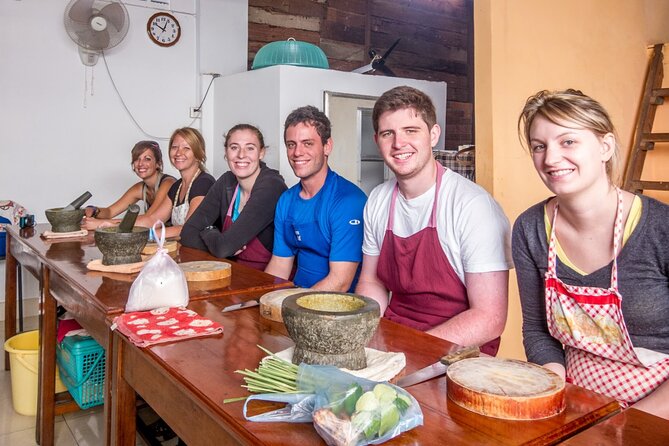
- Small group limits (max 8 people) so you’re not waiting around for the next step
- Chef-led demo first, then hands-on cooking, so you get both technique and confidence
- Village cooking school setting that feels like home, not a show
- Freshness focus, including examples like mushroom cultivation and foods that are prepared with care
Morning Pick-Up and the 9:30 Start in Siem Reap
This is a morning-first experience, which is exactly what I like about it. You start at 9:30am, and that timing matters because markets and village life tend to feel more relaxed earlier in the day. It also means you’ll usually be done before the hottest part of the afternoon, leaving you free to explore Angkor later.
Pickup is handled from your hotel, and you’ll travel with private transportation. You also get bottled water, so you can focus on the food part instead of hunting for basic comfort. Drop-off is included too, so you’re not stuck sorting out how to get back once the cooking is done.
You can also read our reviews of more tours and experiences in Siem Reap.

What to consider before you choose this morning slot
If you’re not a morning person, you’ll feel it. Also, the experience requires good weather. If conditions are bad, you may be offered another date or a full refund, so you’re not taking a total gamble—but you should still be ready for flexibility.
Tuk-Tuk Market Tour With a Chef Who Names the Ingredients
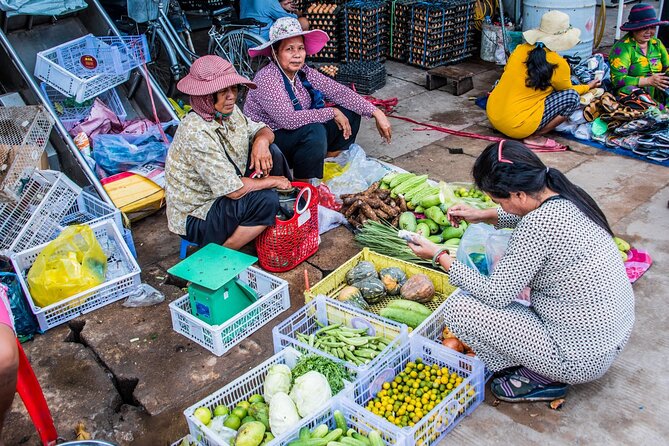
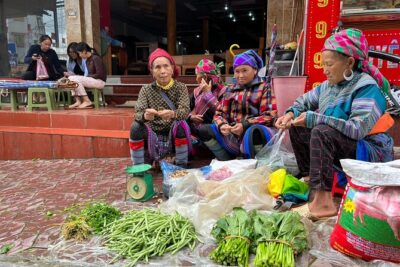
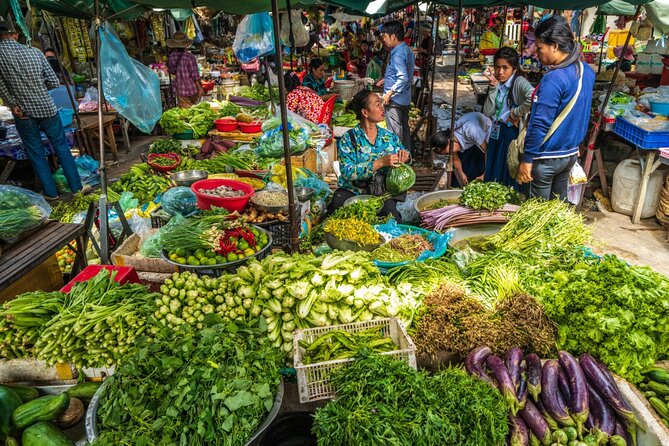
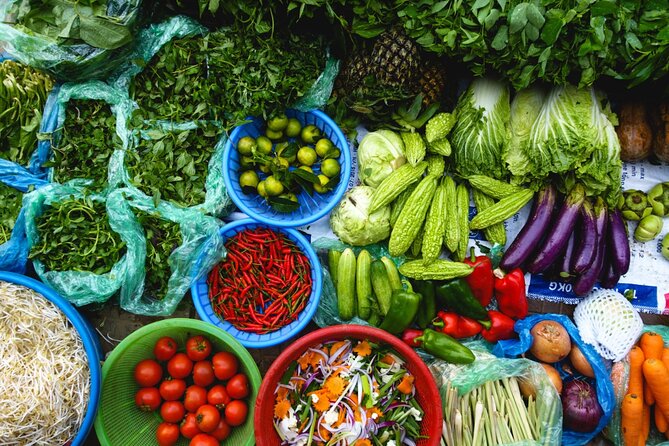
The market stop is where you get to connect Khmer cooking to real ingredients. You’ll hop on a tuk tuk from the pickup point, then the chef explains what’s in season and what different ingredients are used for. This is not just a drive-by photo stop. You get time to walk, look closely at vendors, and take pictures while the chef translates the logic of Khmer pantry staples.
I like that the chef doesn’t talk only in recipes. They talk in terms of variety—what the produce is, how it’s sold, and how it ends up in Khmer homes. That makes the later cooking feel less like following instructions and more like building understanding.
Some days may include additional rural glimpses such as farms and mushroom cultivation. One guide, Ron, is highlighted for explaining the mushroom process step by step, and you may see how mushrooms are grown and handled. In other cases, the day can feel even more life-on-the-ground, with small surprises like witnessing a local funeral procession. It’s a reminder that this area is lived-in, not staged.
How to use your market time well
Bring your camera instincts, but also slow down. The chef’s explanations land best when you’re looking at the actual ingredients while they’re describing them. Use your walk time to ask quick questions if you get the chance, especially about what looks similar in the market but cooks differently.
Village Cooking School Setup: Dishes, Brochures, and the Classroom Rhythm
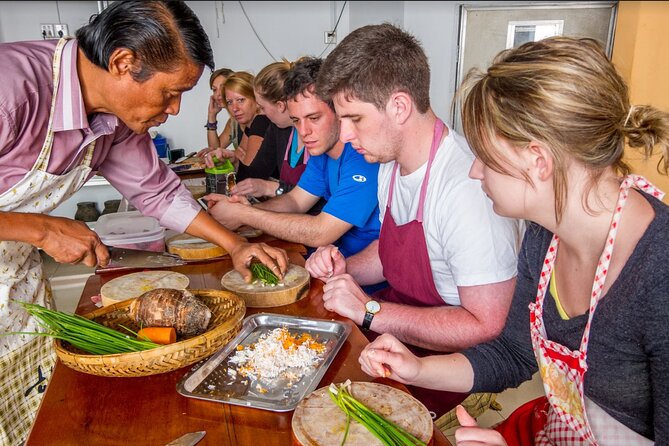
After the market, you return to the village cooking school for the cooking portion. The structure is simple and effective: the chef does a demonstration of the dishes you’ve chosen, then you cook.
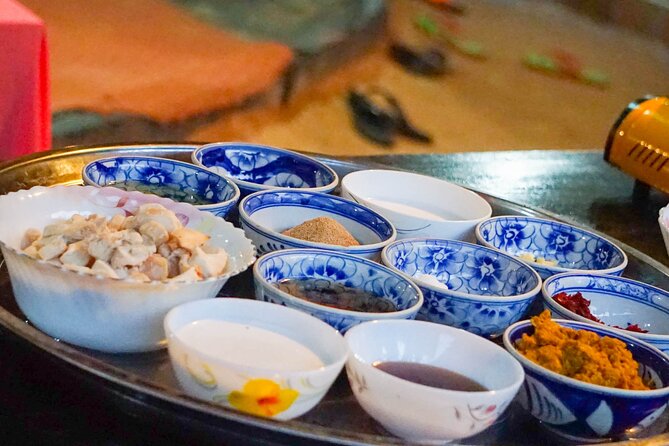
Before you start, you’ll receive a brochure with that day’s recipes. The recipes are for one serving unless otherwise stated. That sounds small, but it’s practical: you get realistic portions and you can recreate the dishes without doing a lot of math.
The class is designed as home-style Khmer cooking, and that comes through in the pace. It’s casual, not robotic. You’re given a demonstration to build confidence, then you get to handle the ingredients yourself. This is the kind of class where you should expect to learn by doing, not just watching.
A note on guidance and communication
The experience is capped at a maximum of 8 travelers, which typically makes it easier for the chef to keep an eye on what you’re doing. One booking example also shows how responsive the coordination can be—Mai reportedly sent a menu so people could select dishes ahead of time, and communication stayed active leading up to the pickup.
Also, one set of experiences mentions accommodating a seafood allergy. That doesn’t mean every dietary request will be handled the same way every day, but it does tell you this team has dealt with allergy needs. If you have restrictions, mention them when booking.
From Demonstration to Hands-On Khmer Cooking
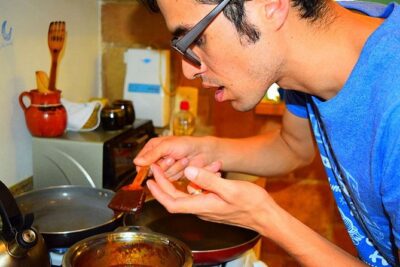
This class is built around a teach-then-tackle rhythm. First, you watch the chef make the dishes you selected, and you learn the steps in context. Then you move into preparing your own plates in the cooking area.
I like this format because it protects you from the most common cooking-class frustration: not knowing what the food should look like at each stage. Here, you get that reference point during the demonstration, then you can aim for the same textures and flavors while you cook.
The hands-on portion isn’t just chopping. You also get involved enough to understand the dish logic—how ingredients work together, when flavors come together, and why certain steps matter. That makes it easier to cook at home later, even if you don’t have the exact same equipment.
Tips for getting more out of your hands-on time
Focus on the chef’s visual cues during the demo. Khmer cooking often relies on balance—aroma, seasoning timing, and the way herbs or pastes blend. If you miss a step, ask. With a small group, you’re more likely to get a clear response.
What You Might Cook: Amok Fish, Curry, and Banana Dessert
You may cook dishes like amok fish, curry, and banana dessert. Those are real examples tied to what people have actually prepared during this experience, and they give you a good sense of the range: savory and creamy, spicy and fragrant, then something sweet and simple to finish.
Some days may also include ingredients connected to rural or specialty farming. Mushroom cultivation shows up in the stories around this class, including explanations of mushroom manufacturing processes. If you’re curious about how local ingredients move from farm to kitchen, this kind of detail can make the lesson feel more connected.
The key thing is that your menu choices drive your final cooking. That matters because it turns the class into something closer to a personal meal plan rather than a one-size-fits-all set of dishes.
Tasting Your Meal in Khmer Village Surroundings
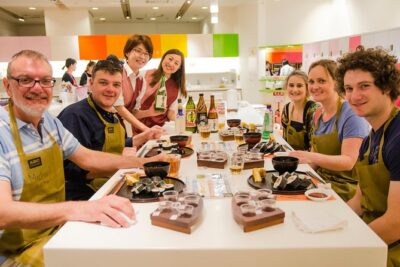
After cooking, you eat your own results. This is the part people tend to remember because it’s not just tasting; it’s tasting what you made. The surroundings are described as pleasant Khmer village setting, which helps you slow down and enjoy the food instead of treating the meal as a quick stamp-and-go.
In practical terms, tasting your dishes is where the class clicks. You can compare what you did in the kitchen with what the dish is supposed to taste like, and you get a sense of balance and seasoning. Even if you’re not taking notes, you’ll start building a mental checklist for how the flavors should feel.
Why this tasting moment is more valuable than it sounds
Cooking classes often end with a snack. Here, the meal is the point. When you taste what you cooked, you learn what adjustments would help next time—more lime, more herbs, a touch of spice, or a different texture. That’s the difference between collecting photos and taking home actual cooking confidence.
Price and Value: What $35 Buys for a Morning of Real Cooking
At $35 for about 4 hours, this falls into the affordable range for a guided cooking class in Siem Reap—especially because a lot is included. You’re getting hotel pickup, private transportation, bottled water, and a drop-off back to your accommodation. Then you have the market tour component, chef-led demo, hands-on cooking, and a recipe brochure for the dishes you make.
What I like about the value is that the experience doesn’t just sell the class. It sells the context. The market stop is not filler. It helps you understand what you’re cooking and why it’s used.
For $35, you’re basically paying for:
- a guided morning ride and market walkthrough
- professional instruction
- the ingredient experience
- recipes you can recreate at home
Who gets the best value
You’ll feel the value most if you like learning through doing and you enjoy Khmer flavors. If you want something purely passive, like a restaurant meal with a quick explanation, this may feel like more activity than you expect.
Who This Class Fits Best in Your Siem Reap Plan
This morning class works well for a few types of travelers:
- People who want a break from temple crowds and prefer a slower, local day
- Food lovers who enjoy markets and want to understand ingredients before cooking
- Couples and small groups who like personal attention during activities
- Travelers who want a morning plan that’s done early and doesn’t eat your entire day
It can be a great pairing with later sightseeing because it returns you to your hotel on the same schedule. You’ll likely be able to continue exploring after lunch rather than feeling drained.
A fair caution for some travelers
If you’re traveling with very specific mobility needs, you might want to ask the provider questions first. The experience includes walking time in the market area, and the cooking space is in a village setting. That’s not automatically a problem, but it’s smart to check.
Also, if you hate mornings, the 9:30 start will be the hardest part.
Should You Book This Morning Cooking Class in Siem Reap?
I think you should book this if you want a practical, hands-on introduction to Khmer cuisine that doesn’t feel like a tourist-only show. The market component gives you context, the small group size helps you get real instruction, and the recipe brochure means you can recreate what you learn later.
Skip it if you’re looking for a long, slow, full-day food journey. This is about a morning loop—market, demo, cooking, and tasting—then it’s over. For most people, that’s a plus. For someone who wants hours and hours of farming, it may feel too time-limited.
If you do book, send your dietary needs early and use your market time actively. Ask questions while you’re standing in front of the ingredients, not after you’re back at the cooking station.
FAQ
What time does the experience start?
It starts at 9:30am.
How long is the cooking class and market tour?
It lasts about 4 hours.
Is hotel pickup included?
Yes, pickup is offered from your hotel.
Is transportation included?
Yes. Private transportation is included, and you also get drop-off included.
How many people are in the group?
The experience has a maximum of 8 travelers.
What do I get to take home after cooking?
You receive a brochure with the day’s recipes.
Does the class involve both a market tour and cooking?
Yes. You start with a local market tour, then you return to the village cooking school for a chef demonstration and hands-on cooking, followed by tasting.
What is included in the price?
Included features are private transportation, bottled water, and drop-off included.
What if the weather is bad?
The experience requires good weather. If it’s canceled due to poor weather, you’ll be offered a different date or a full refund.
Are travel insurance and personal expenses included?
No. Travel insurance and personal expense are not included.