REVIEW · MANILA
Manila’s Culinary Expedition: The Ultimate Food and Market Tour
Book on Viator →Operated by Yolo Travel Philippines · Bookable on Viator
Hungry in Manila is never a problem. This small-group food tour turns Chinatown and Binondo into a walkable feast, with hotel transfers and plenty of tastings designed to tell the story of Filipino food. You start in Chinatown and keep moving on foot to sidestep Manila’s infamous gridlocked traffic.
What I like most is the personal attention. Your guide can tailor what you taste to your preferences, and the vibe stays friendly and interactive. I also love the “come hungry” plan—about 10 dishes across the tour means you’re not just sampling, you’re actually eating your way through the neighborhood.
One thing to consider: you’ll be on your feet for a few hours, and the food volume can feel like a lot. Go with sturdy walking shoes, and plan for the fact that after the first stretch you’ll need to pace yourself.
In This Review
- Key highlights at a glance
- Why Binondo and Chinatown Are the Best Place to Start in Manila
- The 3-Hour Plan: How the Walking Pace and Tastings Work
- Meet Your Guides: Mark and Pedro Set the Tone
- What You’ll Taste: Sampling Strategy for About 10 Dishes
- Learning Manila Through Food: Culture and History in Plain Terms
- The View and the Setting: Seeing Chinatown While You Eat
- Who This Tour Fits Best (and Who Might Want to Think Twice)
- Price and Value: Is $115 Worth It?
- Practical Tips So You Get the Most From the Tour
- Should You Book This Manila Culinary Expedition?
- FAQ
- What’s the duration of the Manila food and market tour?
- Where does the tour take place?
- What does the tour cost?
- How many tastings or dishes should I expect?
- Is pickup included?
- How big are the groups?
- Is the tour mostly walking?
- What time does the tour start?
- What if the weather is bad?
Key highlights at a glance
- Small-group focus (max 15): enough space to ask questions, not so many people that the tour feels rushed
- Hotel transfers included: you save time so you can spend your energy eating
- Street-food style tastings: roughly 10 dishes, served as you move between food spots
- Food-based culture lessons: you learn Manila’s history through what people cook and sell
- Come hungry pacing: the tastings stack up fast, so strategy matters
Why Binondo and Chinatown Are the Best Place to Start in Manila
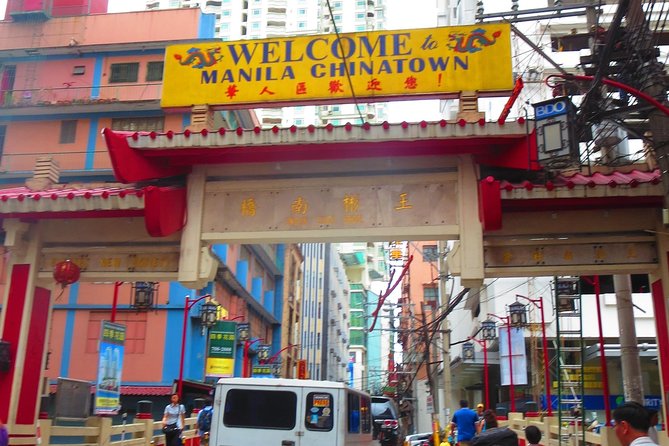
Manila can feel chaotic fast, but Chinatown and Binondo give you an easier entry point. This tour is built around walking in those areas so you can see what you’re eating—simple shops, busy food counters, and street-level everyday life. You’re not stuck in a bus watching the city blur past.
Binondo matters because it’s where food reflects lots of Filipino influences in one place. The tour’s whole angle is that cuisine is a map: what’s cooked, where it’s sold, and how people order it all points back to culture and history. You’ll hear those connections while you’re standing right where the food happens.
There’s also a practical win. Starting in Chinatown and doing most of the sightseeing on foot helps you avoid wasting time. Manila’s traffic can chew up your day, and this tour is designed around that reality from the start.
The 3-Hour Plan: How the Walking Pace and Tastings Work
The experience runs about 3 hours and it’s timed to start at 12:30 pm. That midday start is useful: you’re not fighting late-afternoon crowds, and you’re in a good window to enjoy multiple tastings without the tour feeling like it’s sprinting toward dinner.
You’ll be moving between different places for tastings, and the experience encourages you to keep your energy up. The basic pattern goes like this: you arrive at a food spot, taste, learn the context, then walk to the next stop. The walking is part of the point. You get your bearings fast, and you also learn how to read the neighborhood by its food.
Now for pacing. One guest described it as almost too much food after the early stops—then said they could still taste a little at later stops because the servings work as samples. That’s the sweet spot. You don’t need to go full “one dish, one meal.” Think of it as a tasting menu built from street-level favorites.
Meet Your Guides: Mark and Pedro Set the Tone
A tour lives or dies by the guides, and this one clearly takes that seriously. Guides like Mark are known for being personable and engaging, and several people highlighted how he took time to answer questions and shape the tastings around what they wanted. If you’re the type who likes explanations—why a dish tastes the way it does, where influences came from—this format fits.
There’s also a driver component that matters more than people expect. Pedro is mentioned as a great partner on the logistics side, helping keep the day smooth even with walking involved. When pickup and transfers are included, the tour can focus on food instead of getting stuck negotiating transport.
One especially helpful detail: guides here can tailor. That means if you’re more curious about street food, or if you want a more guided explanation of Filipino cuisine, your tour can flex without feeling chaotic. This is the difference between eating a checklist and understanding what you’re tasting.
What You’ll Taste: Sampling Strategy for About 10 Dishes
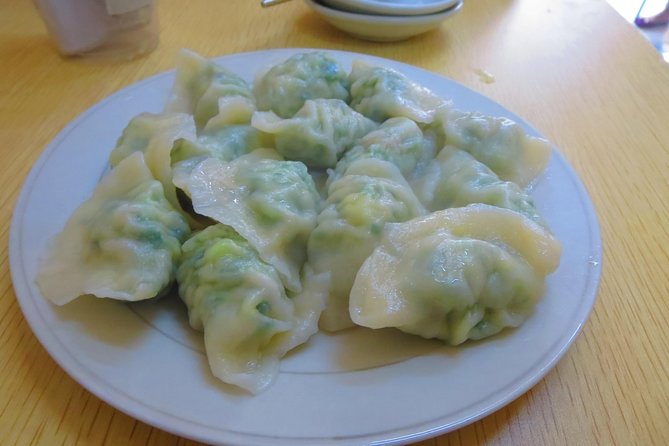
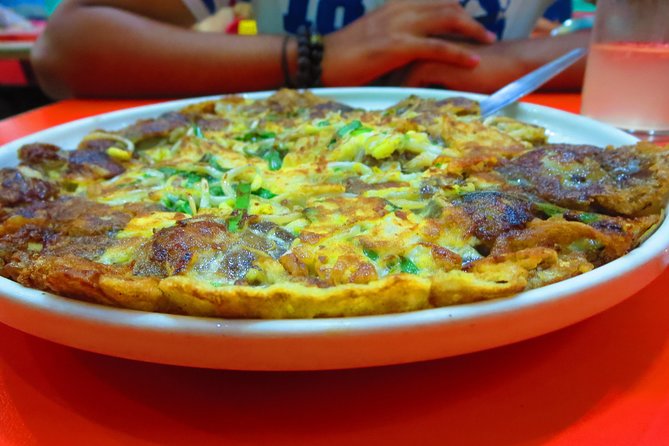
This tour is built around tasting about 10 dishes, and that’s the core value. You’re not paying for one “main” meal—you’re paying for an arranged sequence of bites that lets you compare flavors across the neighborhood.
You should expect a street-food and casual-restaurant feel. The experience is designed so you can come hungry and sample lots of local food, and that’s exactly what the enthusiastic feedback points toward. People also emphasized plentiful tastings, with the early part of the tour filling you up quickly.
So here’s your practical game plan:
- Start with an open mind. Don’t pre-decide what you want to like.
- Eat slowly at each stop. You’ll be glad later when you still want to taste.
- If you’re sensitive to spice or strong flavors, tell your guide early so they can steer your next tastings.
If you’re wondering about variety, the tour’s structure suggests you’ll cover different styles rather than repeating the same flavor profile. Since you’re moving through multiple food spots, you’ll naturally get variety in textures and ingredients.
Also, don’t ignore the learning part while you eat. The tour uses what you taste as a way to talk about Manila’s culture and history—so listening for the explanation helps the food stick in your memory.
Learning Manila Through Food: Culture and History in Plain Terms
This is not a museum-style “talk at you” tour. The concept is smarter: you learn Manila’s culture and history through its cuisine while you’re eating in the food places that shaped it.
Guides focus on how Filipino food developed from different influences, and how what you see in Chinatown connects to broader history. You’ll be asked questions and you’ll be able to ask your own, which keeps it from turning into a lecture. The best part is that the lessons feel grounded, because you’re tasting what people actually eat.
There’s also a very real human side to this. Several comments mentioned interacting with locals as something they won’t forget. Even if you don’t go looking for deep conversations, your presence in the line and at the stall makes the experience feel personal and present-day, not staged.
If you like your city learning tied to everyday life—food markets, vendors, ordering habits—this approach will make Manila feel more understandable fast.
The View and the Setting: Seeing Chinatown While You Eat
One of the reasons people love this tour is that it doesn’t only focus on food. You get a good view of Chinatown as you move, and that matters because Manila is a place where context helps. Street-level food can seem random until you see how the neighborhood is laid out and how people flow through it.
Because the tour includes walking and avoids some of the heavy traffic time, you’re better positioned to notice details. You’ll likely catch little moments: how people choose dishes, how the queue works, how vendors talk to customers. Those details are small, but they’re the ones that make a food tour feel like travel instead of just eating out.
It also means you’re not cooped up in a vehicle for the entire experience. You get to stretch your legs, take photos if you want, and keep your eyes open. Just remember: if you want photos, bring good light and keep an eye on your footing in busy areas.
Who This Tour Fits Best (and Who Might Want to Think Twice)
This is best for you if you:
- Want a short, high-impact Manila experience (about 3 hours)
- Love sampling multiple dishes instead of ordering one full meal
- Enjoy food with context—culture and history tied to what’s on the table
- Prefer a small-group setting (max 15) so questions don’t get lost
It’s also a strong choice if you want an easier day logistically, because hotel transfers are included. That’s a big deal in Manila, where time can evaporate in traffic.
Think twice if you:
- Don’t like walking or you’re planning around limited mobility
- Prefer lighter meals and get uncomfortable when portions stack up
- Are very picky about food and don’t like being nudged to try new things
Even with customization, the tour is built on eating lots of bites. If that’s not your style, a simpler dining experience might feel more relaxing.
Price and Value: Is $115 Worth It?
At $115 per person, the price isn’t “cheap,” but it also isn’t trying to be. You’re paying for a lot of practical components working together:
- About 3 hours with a guide to introduce food spots
- Hotel transfers included (reducing logistics stress)
- Small-group size (max 15), which usually means more attention
- Roughly 10 dishes, meaning you’re not only paying for guidance—you’re also paying for the food sampling itself
The value calculation becomes easier when you compare it to what you’d spend trying to recreate the day on your own: transport, figuring out where to go, and missing context that helps you order and understand what you’re tasting.
Where this tour really shines is that it avoids the common pitfall of food tours that are either too rushed or too vague. The personalization described by guests—tailoring tastings and answering questions—helps the day feel purposeful. You leave with a better sense of Manila, not just a stomach full of snacks.
Practical Tips So You Get the Most From the Tour
Do these and the day will feel smoother:
- Wear sturdy walking shoes. The tour includes walking, and the food stops keep you moving.
- Come hungry, but don’t rush. The early portion can fill you up fast.
- Bring your questions. If you’re curious about why certain flavors show up in Filipino food, ask.
- Let the guide know what you want to experience. People noted the guide can tailor tastings to preferences.
If you’re sensitive to weather, plan for the fact that the experience requires good weather. If it’s canceled due to poor weather, you’ll be offered a different date or a full refund—so you’ll have options, not a dead end.
Should You Book This Manila Culinary Expedition?
Yes, you should book this tour if you want a focused slice of Manila: Chinatown and Binondo food, guided in a small-group format, with hotel transfers and a tasting plan that’s designed to keep you eating and learning for about 3 hours.
I’d skip it only if walking and heavy tastings don’t sound like fun. But if you’re excited by street-food energy, prefer learning through real life instead of talking points, and want someone like Mark to guide your choices, this is a high-value way to experience Manila’s food culture fast.
If your schedule allows, book sooner rather than later. It’s commonly booked about 27 days in advance, and that usually means the best time slots don’t last forever.
FAQ
What’s the duration of the Manila food and market tour?
It runs for about 3 hours.
Where does the tour take place?
The tour is in Manila, with a focus on Chinatown and Binondo.
What does the tour cost?
The price is $115.00 per person.
How many tastings or dishes should I expect?
You’ll sample around 10 dishes during the tour.
Is pickup included?
Yes. Hotel transfers are included, and pickup is offered.
How big are the groups?
The tour has a maximum of 15 travelers.
Is the tour mostly walking?
Yes. Even with hotel transfers included, the tour includes walking between food spots.
What time does the tour start?
It starts at 12:30 pm.
What if the weather is bad?
The experience requires good weather. If it’s canceled due to poor weather, you’ll be offered a different date or a full refund.