REVIEW · TOKYO
Tsukiji Fish Market: Street Food & Culture Walking Tour
Book on GetYourGuide →Operated by Local Guide Stars · Bookable on GetYourGuide
Tsukiji can overwhelm you fast, so this tour helps. You get a guided walk through one of Tokyo’s best-known food zones, with tastings plus a cultural start at a temple that sets the tone before you hit the stalls. It’s a short 2-hour plan that still feels like you understand what you’re looking at, not just what you’re eating.
I like that the guide adds smart flavor moments, including a special wasabi that makes a noticeable difference with raw and grilled bites. I also like how the food stops mix seafood favorites like tuna and wagyu with the kind of everyday street snacks that are hard to pick out on your own.
One thing to plan around: on Wednesdays, Sundays, and national holidays, about half of the shops in the Tsukiji Outer Market may be closed, so the market can feel different than usual.
In This Review
- Key takeaways before you go
- Entering Tsukiji Hongwanji Temple: a quieter beginning
- Outer Market walking: how your guide saves time and picks better bites
- The tastings that people remember: tuna, wagyu, wasabi, and more
- Tsukiji’s craftsmanship lens: why the market feels different from other food stops
- Price and logistics: is $22 for 2 hours worth it
- Planning around closures: what changes on Wednesdays, Sundays, and holidays
- What to bring and how to make the walk easier
- Who should book this Tsukiji street-food tour
- Should you book it
- FAQ
- How long is the Tsukiji street food and culture walking tour?
- Where does the tour start?
- What language is the guide?
- Is the tour wheelchair accessible?
- Do I need cash?
- What food is included?
- Do you visit Tsukiji Hongwanji Temple?
- What should I expect on Wednesdays, Sundays, or national holidays?
- How big are the groups?
- What if I need to cancel?
Key takeaways before you go
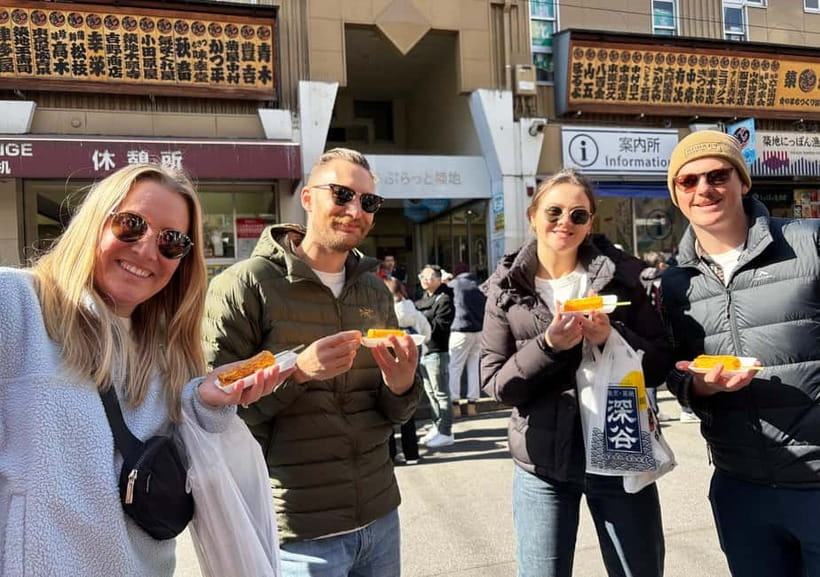
- Temple start for context: a guided visit at Tsukiji Hongwanji Temple helps you understand the area beyond food.
- Food tastings are built in: you’re not stuck wandering hungry; you get set tasting opportunities in the outer market.
- Wasabi can be a highlight: several stops include fresh wasabi preparation, which can make everything taste sharper and cleaner.
- Guides often handle the hard parts: many guides are praised for directing you to good vendors and efficient lines, so you spend less time guessing.
- Expect a smaller-group feel: the tour offers small group options, which makes questions and choices easier to manage.
- Closure days change the experience: on certain days, store availability drops, so the route and vibe won’t match a full-market day.
Entering Tsukiji Hongwanji Temple: a quieter beginning
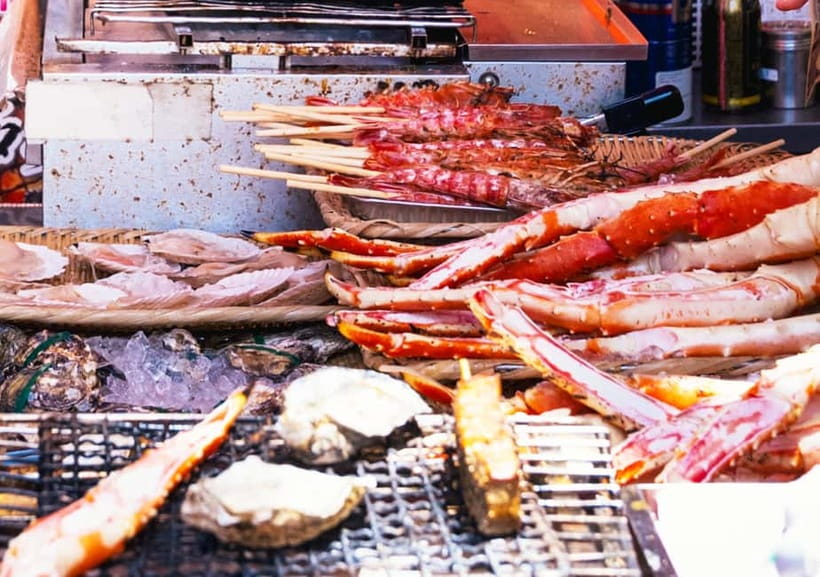
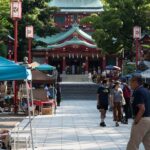
Most food tours start with noise. This one starts with Tsukiji Hongwanji Temple, with about 20 minutes of guided time and a chance to see the architecture and carvings up close before you head into the market chaos. That calm shift matters. Tokyo markets move fast, and a short cultural reset helps you pay better attention once you’re surrounded by seafood and smells.
You’ll also hear guidance that puts the area into a bigger frame, including how people think about purification and respectful entry into sacred spaces. Even if you’re not religious, it helps you read the place instead of treating it like a theme park.
Practical note: the temple is also a good first checkpoint for meeting your guide and figuring out how the group will move. It reduces that awkward feeling of arriving late and trying to match the pace of strangers.
You can also read our reviews of more tours and experiences in Tokyo.


Outer Market walking: how your guide saves time and picks better bites
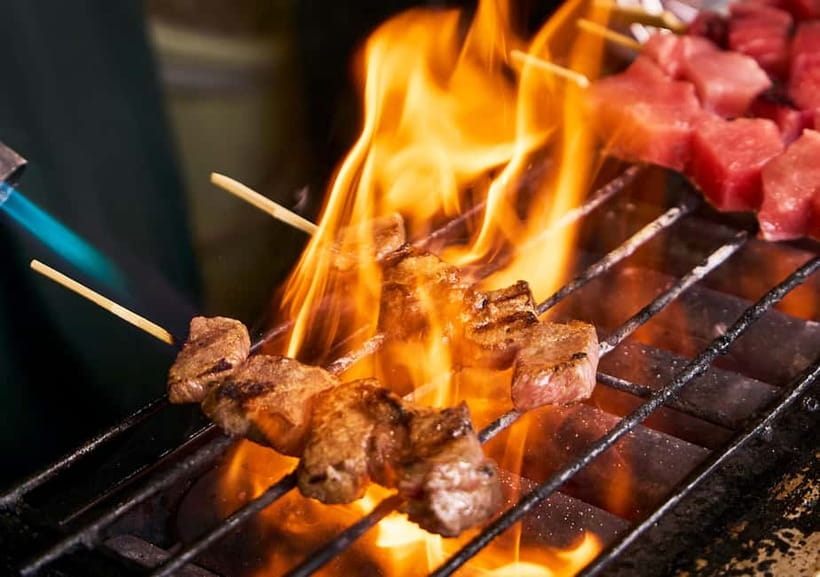
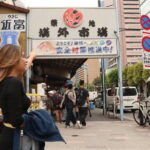
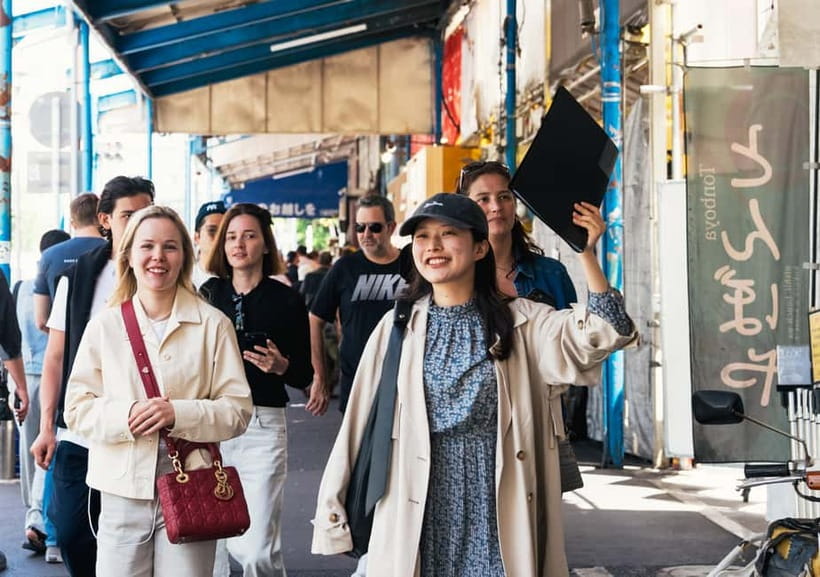
Once you’re in the Tsukiji Outer Market, the difference between free-roaming and going with a guide shows up immediately. The market is big, loud, and full of tempting choices that can look similar from the outside. A good guide helps you choose with confidence and keeps the walk moving at a pace that works for tastings.
In the many 5-star comments, the guides get praised for practical decision-making: directing people to the best stalls, helping them avoid overpriced picks, and handling lines so your group doesn’t lose time waiting. Names that come up often include Kenny, Kawa, George, Mao, Chihiro, and Naoto. The common thread is the same: they explain what you’re looking at and make it easier to order or sample without feeling lost.
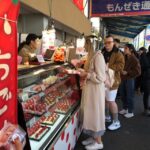
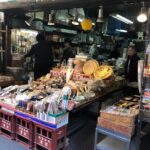
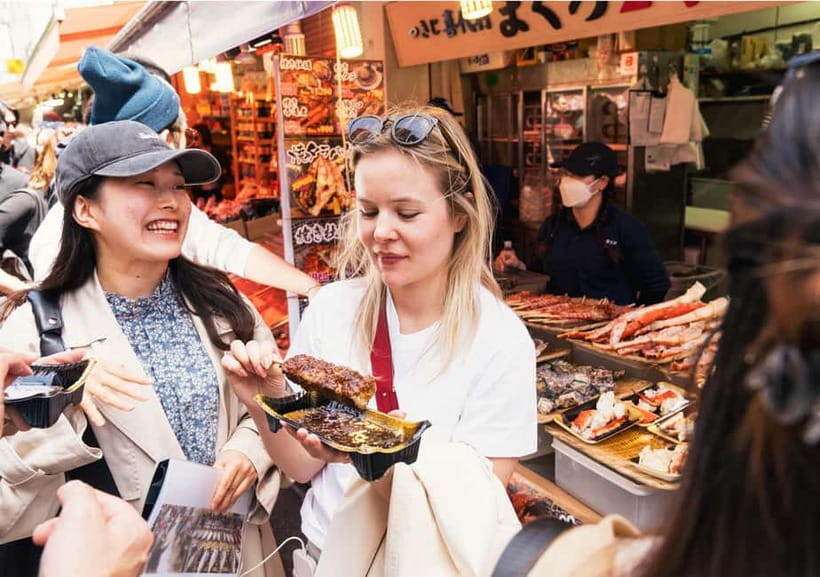
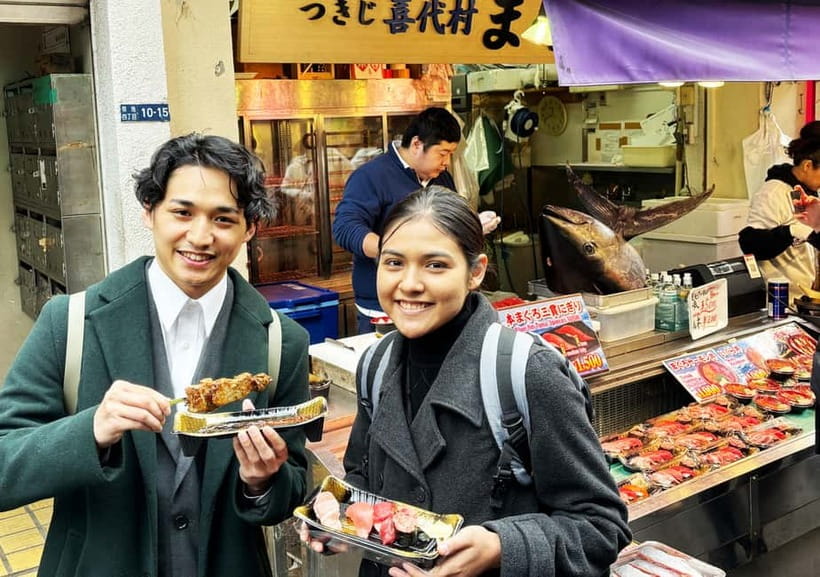
This is also where you’ll see a range of street-food formats: skewers, seafood snacks, grilled items, and small tasting portions that help you try more than one thing. If you like variety and you don’t want to commit to one big meal too early, this structure works well.
The tastings that people remember: tuna, wagyu, wasabi, and more
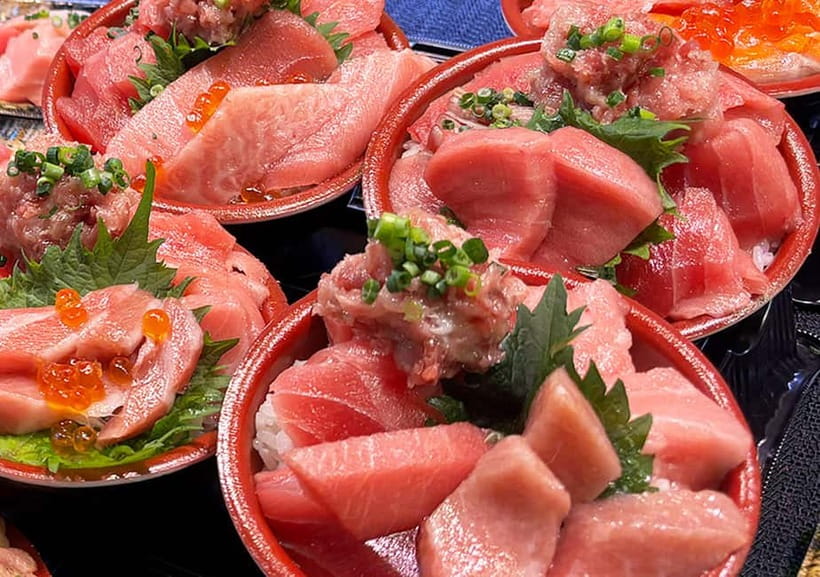
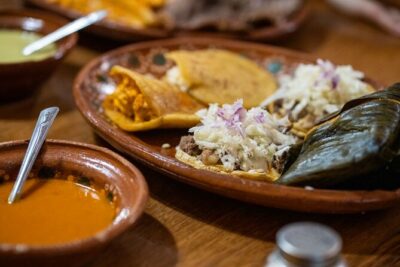
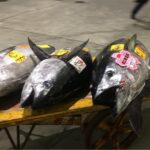
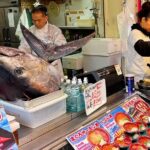
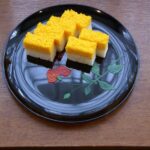
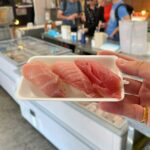
The tour includes food tasting during your time in the outer market, and the specific highlights tend to repeat in the reviews. Fresh tuna sushi-style bites show up as a favorite. Wagyu also appears often, sometimes as a skewered or grilled preparation. You’ll also see eel, grilled scallops, fish cake, dumplings, and other bite-sized snacks mentioned as part of the tasting mix.
But the most distinctive element in the highlights section is the guide’s fresh wasabi set. Wasabi isn’t just a condiment here; it’s part of how the flavor lands. When it’s freshly prepared, the taste tends to feel sharper and cleaner, and that changes how you perceive the fish’s sweetness and saltiness. It’s the kind of detail that makes you go, oh, that’s why they care.
Another theme in the information is tradition and technique: traditional preservation methods that support umami. You don’t need a chef’s degree to appreciate this when someone explains it clearly while you’re standing in front of the ingredients. It helps you understand why certain flavors repeat across Japanese cooking, even when the ingredients change.
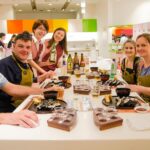
One more useful point: the tour setup encourages you to sample widely rather than fixating on one item. You’ll get more real comparison, which helps if you’re picky or if you’re traveling with someone who wants to try different things than you.
Tsukiji’s craftsmanship lens: why the market feels different from other food stops
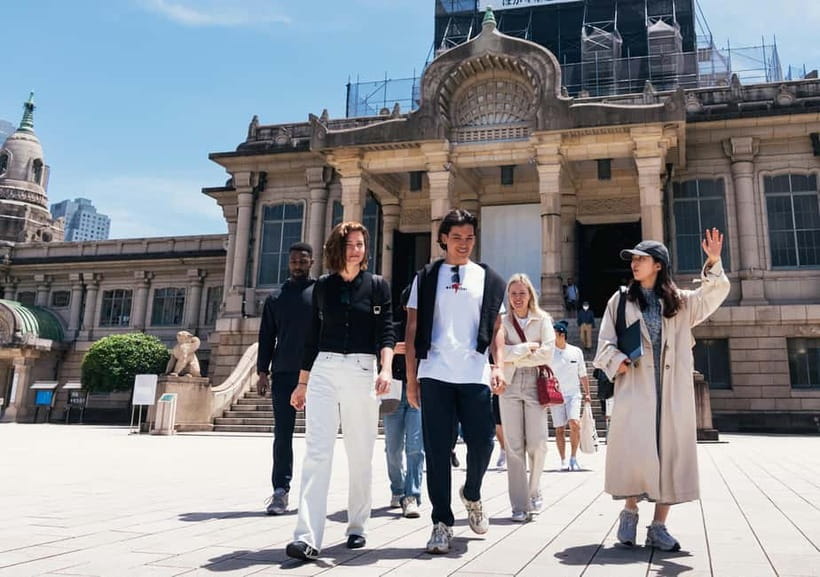
What you’re really buying with a guided Tsukiji experience isn’t just food access. It’s a quick lesson in how Japanese cuisine thinks about ingredients, preparation, and respect for freshness. The tour is structured around ingredients and cooking insights, so you’re not just collecting photos. You’re learning what those bites represent.
You’ll hear about the market’s role in Japanese culinary culture, and how Tsukiji has shaped what people expect from seafood and flavor. That context matters because the market can look chaotic if you only focus on the stalls. Once you know the why, the noise becomes useful. You can start noticing patterns: how vendors present cuts, how people choose, and how certain flavors are built and balanced.
The best tours also help you make sense of preservation and umami without getting overly technical. Instead of sounding like a lecture, the explanations tend to connect to what you’re tasting right there. That’s where you get the most value: learning something you can immediately taste and remember later when you’re ordering food in Tokyo restaurants.
Price and logistics: is $22 for 2 hours worth it
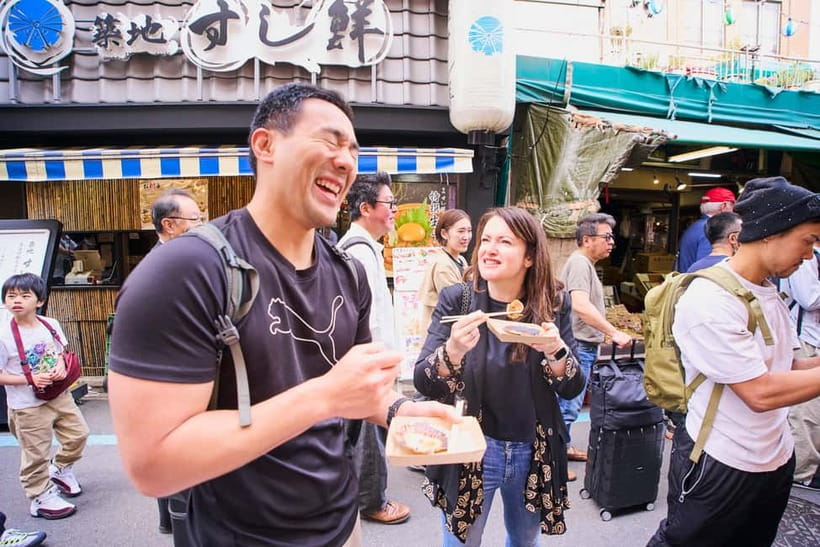
At $22 per person for a 2-hour walking and tasting experience, the value depends on your goal. If you want a simple market visit, you can probably wander for free. But if you want to spend less time figuring out where to go and more time tasting well-chosen bites, the price starts to make sense fast.
Here’s the practical math of the experience:
- The tour includes guided exploration and food tasting, so you’re not only paying for information.
- You also get a guided temple start, which many people would otherwise skip or see without understanding.
- The group format is small-group friendly, which tends to reduce the friction of asking questions and ordering.
In the reviews, a big reason people rate this highly is that the guide helps them avoid guesswork. When someone is standing in line for you, directing you to vendors for good value, and sharing what to try next, you’re effectively paying for time saved and better decisions made.
One caution: you should still expect you may want to buy extras beyond tastings, especially if you fall in love with a particular snack or ingredient. Since the only required item you’re told to bring is cash, you’ll be ready for on-the-spot purchases.


Planning around closures: what changes on Wednesdays, Sundays, and holidays
Tsukiji has a schedule rhythm, and your experience can change depending on the day. On Wednesdays, Sundays, and national holidays, about half of the shops in the Tsukiji Outer Market may be closed. The good news: tours may still run, and some shops remain open. The experience just won’t match a full, shop-everywhere day.
If you’re hoping for maximum variety, plan your visit on a day when more stalls are operating. If your schedule only allows a closure day, don’t cancel in panic. A strong guide can still steer you toward open vendors and make the route work. Just go in with the mindset that you’re learning the market through what’s available that day, not checking off a perfect list of stalls.
This is also why a guided visit helps even on closure days. When options shrink, you want someone who already knows which places are open and where the best tastings can still happen.
What to bring and how to make the walk easier
You’ll need cash. That’s the one clear must-do item in the information provided. I’d also suggest bringing a small amount more than you think you’ll need, since market food choices can multiply once you’re smelling everything in front of you.
Wear shoes you can walk in for 2 hours of steady movement. The market area is active and crowded, and you’ll want to keep your pace comfortable. If you’re sensitive to strong smells, expect seafood aromas everywhere once you enter the outer stalls area. That’s part of the experience, not a warning label.
Also, keep an eye on the small details that make tastings smoother. Many guides are praised for using practical tools like wipes/napkins and handling the flow so people can try different items without making a mess of their day. It’s not glamorous, but it makes the food stops feel easier and more fun.
If you have mobility needs, the tour is listed as wheelchair accessible. Small-group format can also make it easier to manage space and questions as you move.
Who should book this Tsukiji street-food tour
This tour is a strong match if:
- You’re short on time in Tokyo and want a high-impact food and culture experience in 2 hours.
- You want help choosing what to eat in the outer market instead of relying on luck.
- You enjoy seafood and like getting several bite-size tastings rather than one big meal.
- You want a guide who can explain ingredients and cooking logic as you go.
It’s also great if you’re the type who likes insider energy. Multiple guides get praised for being personable and for helping people feel confident trying foods they might hesitate to order alone.
You might skip it if:
- You already know the market well and prefer to wander independently with no structure.
- You only want a strict, checklist-style itinerary of specific vendors that might be closed on your travel day.
Should you book it
If your goal is to understand Tsukiji while tasting your way through it, I think this tour is a smart booking. The standout value is the combination of a cultural start at Tsukiji Hongwanji Temple plus guided outer-market tastings that come with clear explanations and (in many departures) memorable flavor details like fresh wasabi.
Book it when you want guidance and you’re excited to eat. If you’re traveling on a day when shops may be closed, book with flexible expectations and let the guide do the problem-solving.
FAQ
How long is the Tsukiji street food and culture walking tour?
It’s listed as a 2-hour guided experience.
Where does the tour start?
The starting point can vary based on the option booked, and it includes 築地本願寺本堂 / Tsukiji Hongan-ji as an option. The coordinates provided are 35.66661467955698, 139.77199430835137.
What language is the guide?
The tour is guided in English.
Is the tour wheelchair accessible?
Yes, the tour is listed as wheelchair accessible.
Do I need cash?
Yes. The information explicitly says to bring cash.
What food is included?
The tour includes exploration of the outer market and food tasting as part of the outer-market portion, with insights into Japanese cooking and ingredients.
Do you visit Tsukiji Hongwanji Temple?
Yes. You get a guided visit to Tsukiji Hongwanji Temple (listed as about 20 minutes).
What should I expect on Wednesdays, Sundays, or national holidays?
About half of the shops in the Tsukiji Outer Market may be closed. Some shops may remain open, and tours are still possible, but the experience may differ from usual.
How big are the groups?
The activity notes small group availability.
What if I need to cancel?
Free cancellation is available up to 24 hours in advance for a full refund.