REVIEW · TOKYO
Tsukiji Fish Market: Street Food & Culture Walking Tour
Book on Viator →Operated by Local Guide Stars · Bookable on Viator
A fish-cutting show in Tokyo in just two hours. That’s what makes this Tsukiji street-food and culture walk feel special, with hands-on food moments plus a guided look at how the market world works. I like that you start with street-food energy at Tsukiji Jogai Market, then shift into a real filleting display before you’re back among the working-market sights. One possible drawback: the route moves at a pace that can feel tight in peak crowds, so you’ll want to be ready for constant people-watching and some waiting around.
What I particularly like is how the guide connects food to place. You’re not just eating; you’re learning how ingredients and techniques fit into daily Tokyo culture, including what to notice in the market and why a fish-cutting show matters. I also like the small-group setup, capped at a max of 30, because it keeps the experience from turning into a shuffle line. Still, if you’re the kind of person who hates stopping and starting, keep expectations realistic: this is a multi-stop walk with scheduled viewing time.
The tour is also straightforward on logistics. It’s about 2 hours, ends back near where you start, and uses a mobile ticket. If you’re sensitive to sun or noise in dense areas, bring practical help like a hat and plan on sticking close to your guide.
In This Review
- Key reasons people book this Tsukiji tour
- Tsukiji in Two Hours: what you’re really paying for
- Tsukiji Jogai Market street food stop (45 minutes)
- The fish-cutting show and the seafood bowl (30 minutes)
- Tsukiji Fish Market atmosphere for working traders (30 minutes)
- Tsukiji Hongwanji Temple: Buddhism and Tokyo culture (15 minutes)
- Price, group size, and guide quality at $33.16
- How to get the most out of the tour (and avoid frustration)
- Who should book this Tsukiji street-food and culture walk
- Should you book the Tsukiji street food and culture walk?
- FAQ
- How long is the Tsukiji street food and culture walking tour?
- What is included in the tour price?
- Are meals included?
- Is the tour wheelchair and stroller accessible?
- Where does the tour start and end?
- Is this near public transportation?
- What happens if the weather is bad?
Key reasons people book this Tsukiji tour
- Fish-cutting show with traditional technique focus, plus a fresh seafood bowl right after
- Street-food time at Tsukiji Jogai Market, led by a local guide
- Actual market atmosphere stop where traders operate, not just a sightseeing loop
- Short Tsukiji Hongwanji Temple visit with cultural and Buddhism context
- Small-group experience with a max of 30 travelers
- Wheelchair and stroller accessible, with a guide who can adjust attention for the group
Tsukiji in Two Hours: what you’re really paying for
Tsukiji can be overwhelming. The sights, the smells, and the constant movement make it easy to wander around and sample things without truly understanding what you’re seeing. This tour is designed to solve that problem by giving you a guided route with planned moments, including a fish-cutting show and time at key market areas.
At $33.16 per person, you’re paying for guide time plus specific included experiences—mainly the fish-cutting show—rather than a guaranteed meal package. That’s important: the tour mentions food experiences, but meals are listed as not included, so you should treat the seafood bowl after the show as part of the provided program, and plan on buying anything else you want separately.
The 2-hour pacing is also part of the value equation. This isn’t a half-day that eats your schedule. It’s short enough to fit before or after other Tokyo plans, but packed enough that you’ll likely appreciate having someone point out the food and cultural context for you.
You can also read our reviews of more tours and experiences in Tokyo.
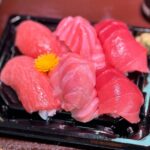
Tsukiji Jogai Market street food stop (45 minutes)
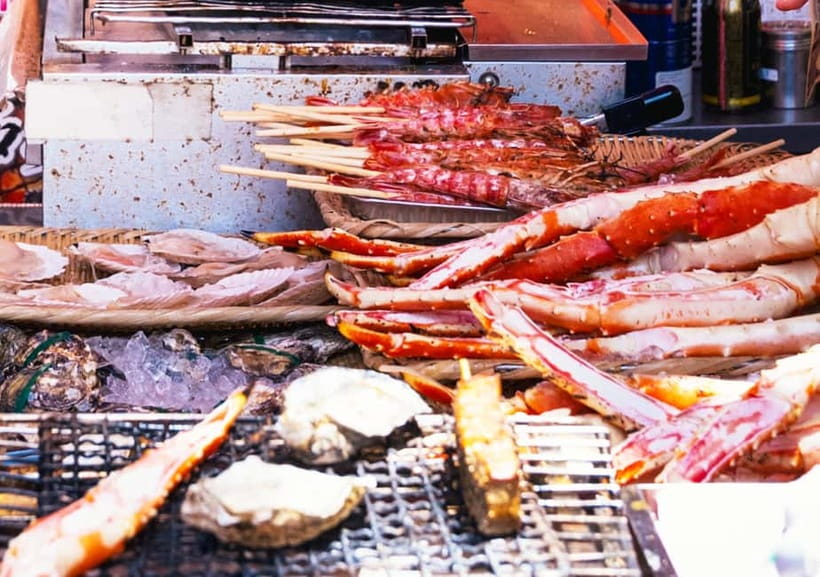
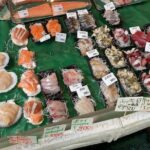
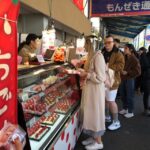
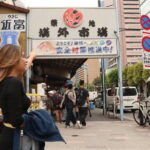
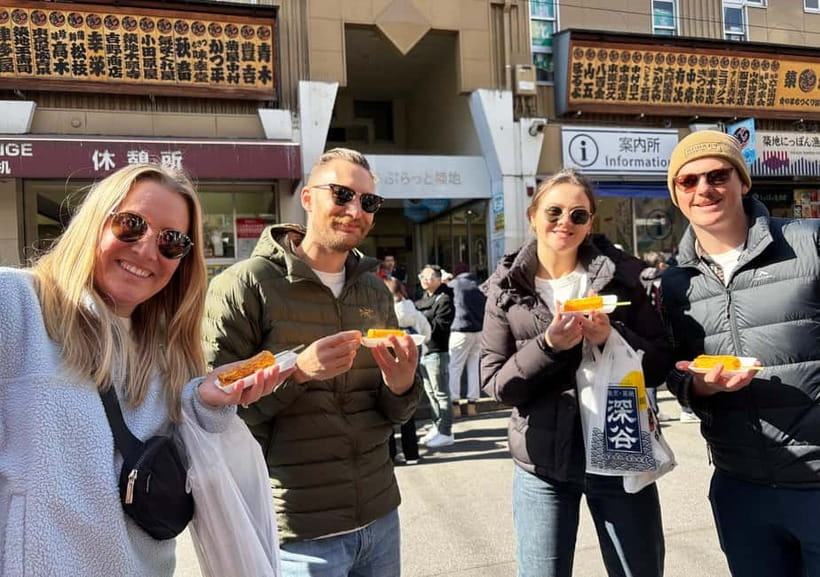
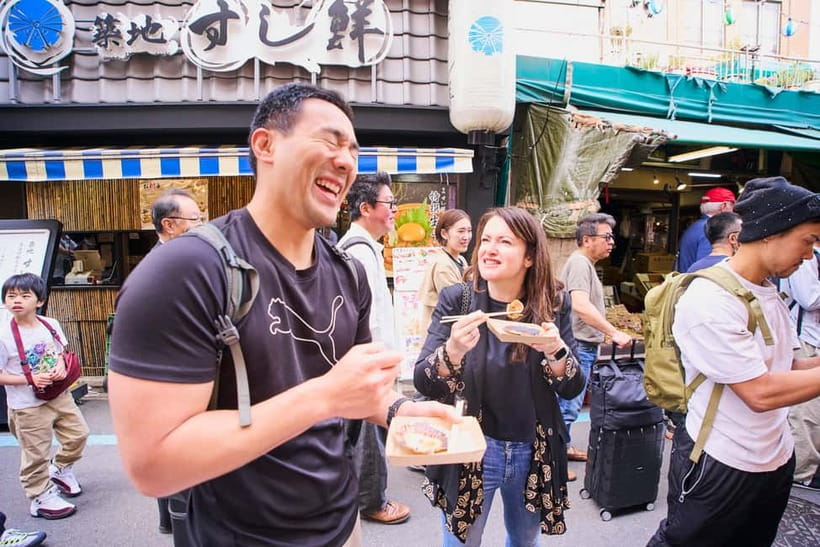
You start at Tsukiji Jogai Market, and the focus here is food culture with a local guide. 45 minutes sounds simple, but in Tsukiji that half hour turns into real variety—snacks, bites, and the kind of casual eating that tells you how people experience the market day-to-day.
This is also where you get your bearings. The market areas can look similar from street level, so having a guide walk you through what to try first helps you avoid the common mistake: buying something random that doesn’t match what the area is known for.
Why this stop is valuable: you’re learning the rhythm of the food scene. Rather than treating Tsukiji like a museum, you’re experiencing it as a working neighborhood where people snack while they shop, and where food is part of the market’s daily rhythm.
One consideration: this segment can mean lots of people, lots of lines, and some waiting around. That matters because your comfort level might depend on how sensitive you are to crowds. If you’re traveling in a busy season, plan to stay patient and close to the group so you don’t feel separated.
The fish-cutting show and the seafood bowl (30 minutes)
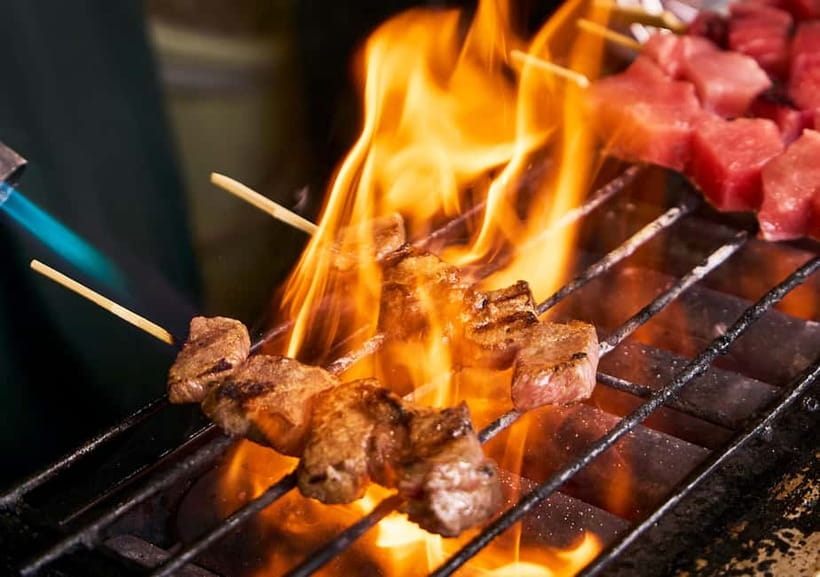
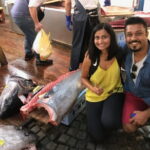
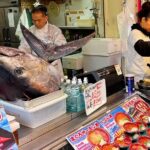
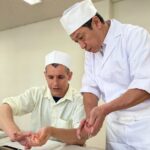
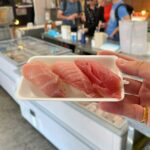
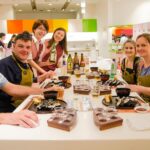
The tour’s signature moment is the fish-cutting show. You get about 30 minutes focused on a chef filleting a whole fish using traditional techniques, and then you enjoy a fresh seafood bowl afterward.
This is the portion you’re most likely to remember. A good fish-cutting display gives you context for what you taste later: the care in the cuts, the respect for the ingredient, and the skill behind what looks simple in a bowl. Even if you’re not a food-nerd, it’s a visual lesson in precision.
You’ll also appreciate how the tour structures the arc. First you sample the market’s street-food vibe, then you see the craftsmanship, then you eat something that reflects what you just watched. It turns the experience into one connected story instead of disconnected snack stops.
What to watch for: hearing and crowd flow. In dense spaces, sound can be hard to catch, even when the guide is doing their best. If you know you struggle to hear in noisy environments, pick a spot where you can see the guide clearly, and don’t be shy about asking for a pace adjustment if you need a moment.
Tsukiji Fish Market atmosphere for working traders (30 minutes)
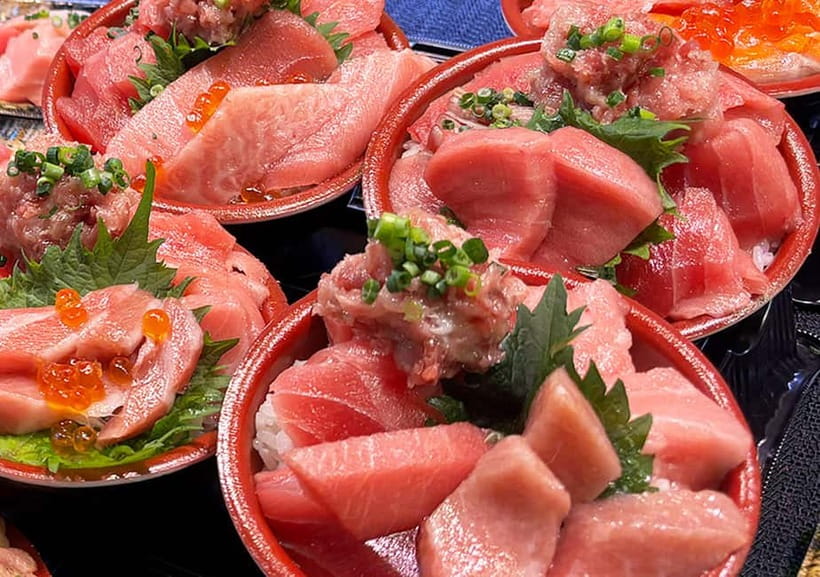
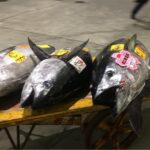
Next you move to Tsukiji Fish Market, where the tour emphasizes the authentic atmosphere—professional traders operating in a real market environment. This stop is less about a scripted performance and more about seeing how the place functions when business is the main event.
A big advantage here is that this segment helps you connect what you saw earlier (street-food culture and the cutting technique) to the bigger system behind it. You start to understand Tsukiji as a production-and-trade hub, not just a place where tourists snack and take photos.
Why this stop works: you learn to look. With a guide, you’re more likely to notice details you might otherwise gloss over—how people move through the space, what kinds of transactions look like on the ground, and how the market environment shapes what’s available.
Downside to consider: you may feel pressed for time. At 30 minutes, it’s not meant to be a deep, slow wander. If you want maximum photo time or prefer to browse at your own rhythm, this stop might feel a little structured.
Tsukiji Hongwanji Temple: Buddhism and Tokyo culture (15 minutes)
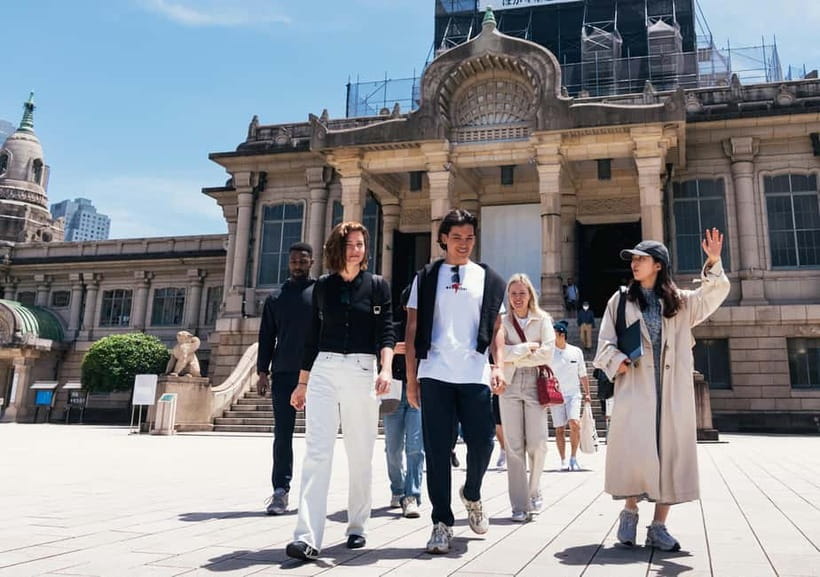
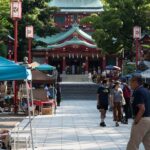
Then you step into something quieter at Tsukiji Hongwanji Temple. The tour includes about 15 minutes inside with a guide who shares the culture and history of Buddhism.
This is a helpful contrast, and I get why it’s included. The market can feel like pure sensory overload. A short temple stop gives your brain a reset, and it also grounds the day in the idea that food culture in Japan doesn’t exist in isolation—it’s tied to everyday life, tradition, and local institutions.
Still, this is the portion most likely to divide opinions because it’s brief. If you came for purely food, you might feel this chapter is more of a context add-on than a payoff.
If you want to make it count, focus on what you’re told rather than trying to read everything in a short window. Ask yourself what it reveals about how Tokyo communities value ritual and tradition alongside everyday commerce.

Price, group size, and guide quality at $33.16
Let’s talk value in plain terms. You pay $33.16, and the tour is roughly 2 hours. Included experiences are the guided tour plus the fish-cutting show segment, with a fresh seafood bowl afterward as part of that program.
So the best way to judge value is to ask yourself: do I want a guided route with a show included? If yes, the price feels reasonable because you’re buying more than just walking directions. You’re paying for access to a structured experience in a high-energy area where doing it solo can mean wasted time.
Group size is capped at 30 travelers, and the tour is described as a small-group experience. In market areas, fewer people generally means fewer bottlenecks at food stops and a better chance your guide can actually keep track of the group. Some feedback highlights guides like George and Tomo for clear English and strong explanations, which matters a lot when you’re in crowded streets where it’s hard to hear.
One more practical note: in busy periods, crowd pressure can make it harder for a guide to manage everyone’s timing. If your comfort depends on steady pacing, stick close and watch for the guide’s cues. If you need extra shade or a slower rhythm, communicate early rather than waiting for it to become stressful.
How to get the most out of the tour (and avoid frustration)
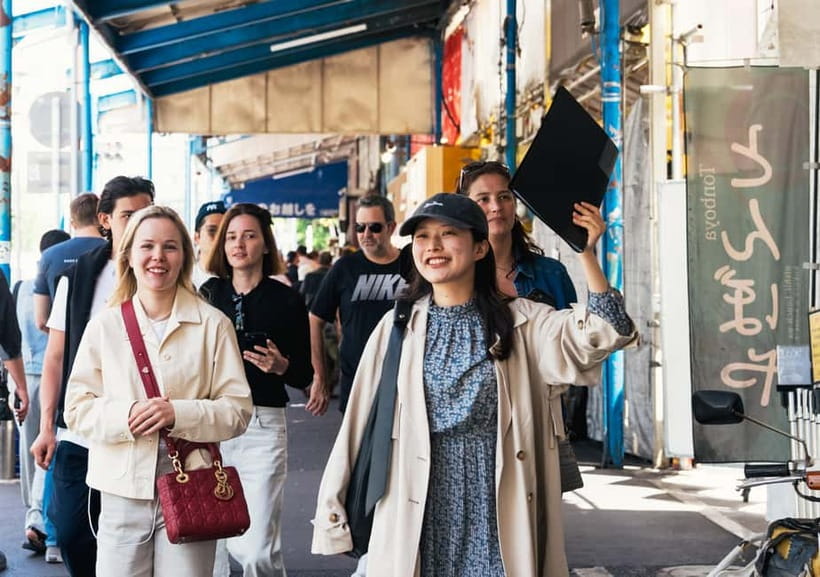
Tsukiji is one of those places where your attitude matters as much as the itinerary. This tour gives you structure, but you’ll still be surrounded by people, and there will be moments where you simply wait your turn to see or taste something.
Here’s how to get the best experience without fighting the crowd:
- Stay close during transitions. The route includes multiple stops, and the busy areas can make it easy to lose track of where the group is headed.
- Plan for sun and noise. Even with a guide, dense markets can mean long stretches under open sky and loud foot traffic.
- Go in with a flexible mindset. Some parts are short and scheduled. If you want long, slow wandering, pair this tour with extra independent time before or after.
- Treat the bowl as part of the show experience. The seafood bowl is your reward for watching technique and craftsmanship, so don’t rush it like it’s just another snack.
If you’re traveling with kids, or you need stroller-friendly pacing, the tour is listed as stroller and wheelchair accessible. That said, any market is still physically tight, so comfortable footwear and an adaptable plan will help.
Who should book this Tsukiji street-food and culture walk
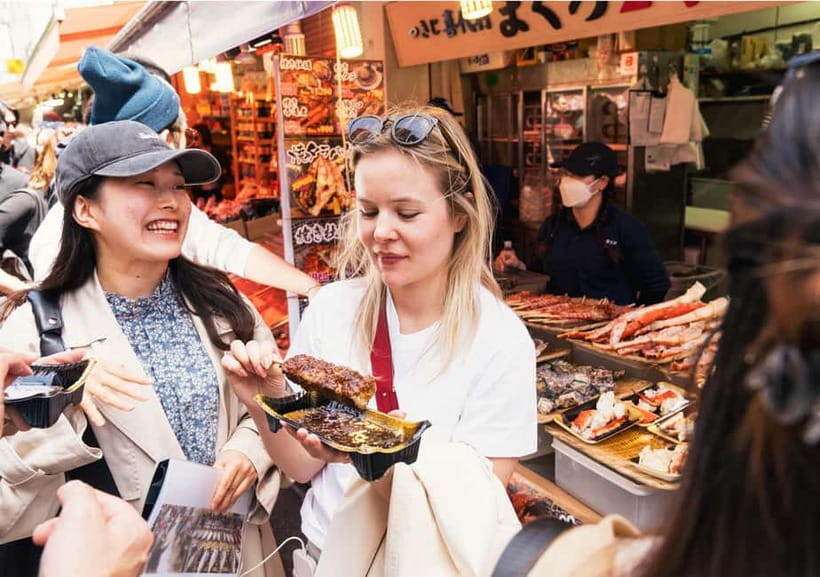
This is a great match if you want guided food culture plus a structured highlight like a fish-cutting show. It’s especially good when you don’t want to spend time figuring out what to eat first, or when you’d rather learn why certain ingredients and techniques matter.
Book it if:
- You like food experiences with context, not just tasting
- You want a short, efficient plan that fits into a Tokyo day
- You’re interested in seeing traditional fish filleting in action
You might skip it if:
- You hate crowd-heavy walks and prefer quiet attractions
- You want long temple time or lots of historical explanation
- You’re expecting a meal-included, sit-down food tour (meals aren’t included)
Should you book the Tsukiji street food and culture walk?
If you want a guided Tsukiji experience that connects street eating, craftsmanship, and a bit of culture in about two hours, I think it’s a solid booking. The biggest reason is simple: the tour includes a fish-cutting show and then turns that lesson into an actual taste moment with a seafood bowl. That kind of built-in flow is hard to replicate if you’re doing everything on your own.
That said, go in with realistic expectations about crowds and pacing. This is a market tour in a high-traffic area, so you’ll want to stay close to your guide and be ready for the “go, see, eat, move” rhythm.
If that sounds like your style, book it. If you crave a calmer, purely self-paced wander, you may feel happier spending more time exploring independently.
FAQ
How long is the Tsukiji street food and culture walking tour?
It’s about 2 hours (approx.), with multiple scheduled stops including a street-food segment, a fish-cutting show, a market atmosphere visit, and a brief temple visit.
What is included in the tour price?
The tour includes a guided experience of Tsukiji and includes the fish-cutting show segment. It also lists insights into Japanese cooking and ingredients. Meals are not listed as included.
Are meals included?
Not as a general package. The program includes a fresh seafood bowl afterward as part of the fish-cutting show stop, but additional meals are not included.
Is the tour wheelchair and stroller accessible?
Yes, the tour is listed as wheelchair and stroller accessible.
Where does the tour start and end?
It starts at 築地本願寺本堂3-chōme-15-1 Tsukiji, Chuo City, Tokyo 104-0045, Japan, and it ends back at the meeting point.
Is this near public transportation?
Yes, it’s described as near public transportation.
What happens if the weather is bad?
The experience requires good weather. If it’s canceled due to poor weather, you’ll be offered a different date or a full refund. Free cancellation is available up to 24 hours before the start time.