REVIEW · SHANGHAI
Private Wet Market Visit with Cooking Class in Shanghai
Book on Viator →Operated by China Vacation · Bookable on Viator
Shanghai smells like food.
This half-day tour takes you from your hotel straight into a Shanghai wet market shopping experience, then into a local chef’s home for a 3-course cooking class. Start at 9:00 am, spend about 4 hours total, and end back where you started—simple, efficient, and focused on the kind of ingredients that shape Shanghai cooking.
I like two parts the most: the private, English-speaking guide who can explain what you’re seeing (and help you buy small samplers if something looks unfamiliar), and the hands-on payoff of cooking a main dish, a seasonal vegetable, and a dim sum you’ll eat right afterward. It’s not just a food walk—it’s food with a purpose.
One thing to consider is communication timing. There’s at least one clear red flag from past customers where they couldn’t reach the operator shortly before departure and the tour couldn’t happen, so I’d treat confirmation details and contact info as important prep, not an afterthought.
In This Review
- Key things that make this tour worth your time
- Why a Shanghai wet market stop matters for food lovers
- Hotel pickup and meeting at 9:00 am (and why it’s a smart move)
- Walking the wet market with a private English-speaking guide
- What you might taste: century eggs, stinky tofu, and more
- From market to home: learning Shanghai cooking the practical way
- Dietary needs and allergies: tell them early
- Cooking class highlights: where you’ll actually spend your time
- Lunch at the end: eating what you made
- Price and value: is $238 per person worth it?
- Who this tour suits best (and who should pass)
- A quick, real-world caution: last-minute contact matters
- Should you book this private wet market cooking class?
- FAQ
- How long is the private wet market and cooking class?
- What time does the tour start?
- Is this tour private or shared with strangers?
- What dishes will you cook?
- Can the tour accommodate allergies or dietary restrictions?
- What’s included in the price?
- When should I book, and can I cancel?
Key things that make this tour worth your time
- Hotel pickup and drop-off so you’re not juggling transit while you’re hungry
- Private guide in English with help choosing and sampling odd-looking ingredients
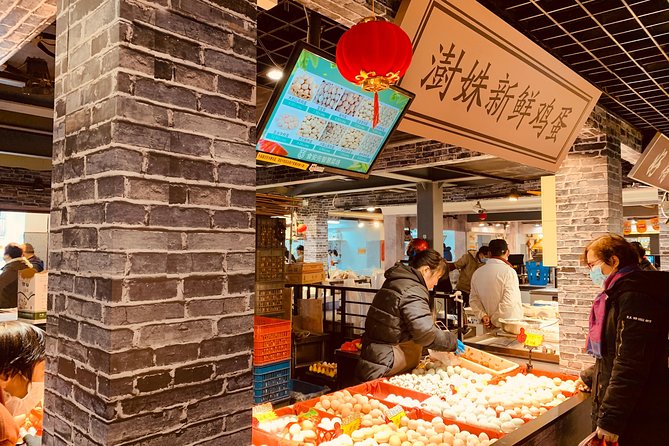
- Wet market shopping focused on daily ingredients like seafood, produce, and staples
- Cook three Shanghai-style courses: main + seasonal veg + dim sum
- Lunch is included—you eat what you make, not just watch from the side
- Chef-guide name mentioned in feedback: Kenny, who’s been praised for the class
Why a Shanghai wet market stop matters for food lovers
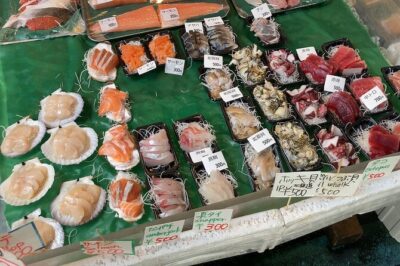
A Shanghai wet market is where the shopping rhythm of the city becomes visible. You’ll see how people buy what they need for the day—fresh produce, seafood, and everyday ingredients—without the gap that often happens between a supermarket and real cooking. For me, that’s the difference between learning a recipe and understanding why a recipe tastes the way it does.
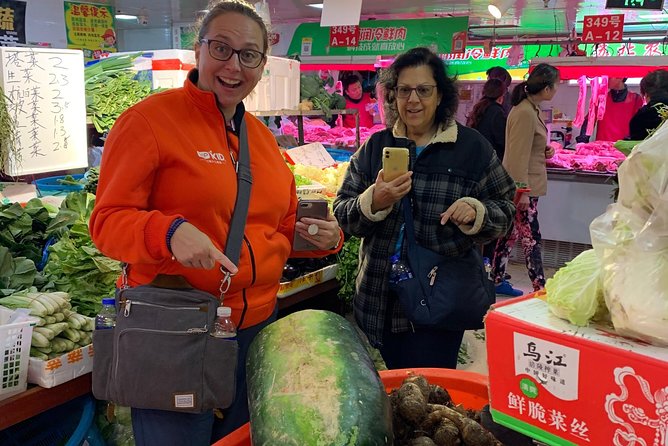
Wet markets also train your senses fast. You’ll likely notice strong smells, lively stalls, and ingredients that don’t look like they belong in a restaurant. That’s exactly why the presence of a guide matters: you’re not walking in blind.
And yes, you may be asked to be brave. The tour description specifically notes that if there’s something you don’t recognize, you’ll be supported in trying small sampler items—examples include hundred-year-old egg, stinky tofu, and unfamiliar fruit. You keep control. If it’s not your thing, you can usually scale back.
Hotel pickup and meeting at 9:00 am (and why it’s a smart move)
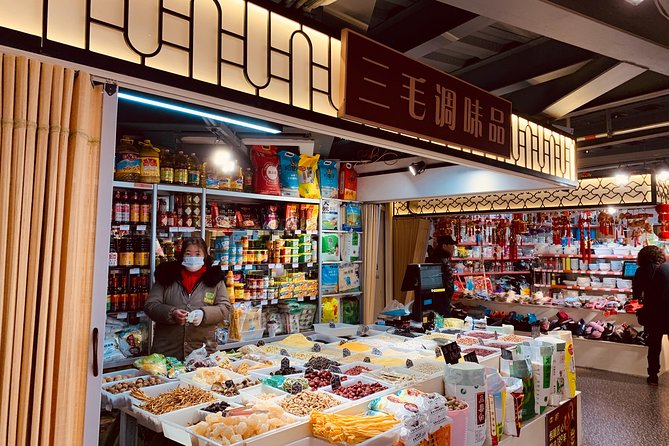
This is built for convenience. Your tour begins with pickup from your hotel area in Shanghai, and it ends back at the meeting point. Starting at 9:00 am is useful because markets are at their most active earlier, and you’ll avoid the dead zone where fewer stalls are ready with full options.
Because it’s private, you’re not trapped behind other groups’ slow pace or constant “wait, everyone’s coming.” Your guide can move at a speed that fits you, which is a big deal when you’re standing shoulder-to-shoulder and deciding what’s worth tasting or photographing.
Also, you get bottled water during the experience. It sounds small, but it helps when you’re doing market walking first and cooking second. Less dehydration, more focus on what you’re learning.
Walking the wet market with a private English-speaking guide
The market visit is the main event before the cooking starts. The goal isn’t shopping as a tourist novelty—it’s seeing how locals buy ingredients that later show up in familiar Shanghai dishes.
Here’s what I’d pay attention to while you’re there:
- Ingredient quality and freshness cues (how vendors present items, how they handle seafood and produce, and what looks best that day)
- What people are actually buying rather than what’s being promoted to tourists
- How prices and portions are handled when you’re not in a retail setting
The guide is there to translate more than language. You can ask why certain ingredients are used, what role they play in flavor, and what to expect after cooking. If you’re unsure about something, the tour’s approach includes help picking sampler items so you can try with less risk than committing to a full portion.
The standout aspect, based on the positive class feedback, is that the guide doesn’t just recite information. They guide you through decisions, and they keep the class feeling personal rather than scripted. In one piece of customer feedback, the cooking guide Kenny was specifically mentioned with praise.
What you might taste: century eggs, stinky tofu, and more
The tour description calls out a few sampler possibilities: hundred-year-old egg, stinky tofu, and unfamiliar fruit. These aren’t random shock tactics. They’re classic examples of ingredients that often feel intimidating to outsiders but make sense once someone explains how they’re used.
A few practical tips so you get more out of the tasting:
- Expect strong smells with items like stinky tofu. You can still decide to taste a small bite and stop.
- Ask your guide how the ingredient changes after cooking (or whether it’s eaten mostly as-is). That gives you a mental map for later.
- If you’re not ready to try something, it’s completely reasonable to pass. The guide can usually help you find a different sampler that fits your comfort level.
Also, the tour is designed around real shopping. You’re not collecting souvenirs. You’re collecting cues—what ingredients look like when they’re fresh, and how market shopping affects the final dish.
From market to home: learning Shanghai cooking the practical way
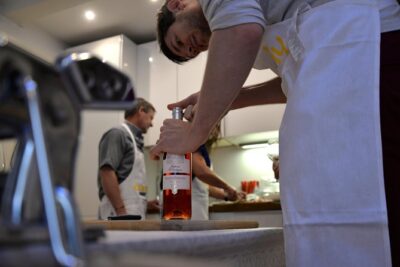
After the market, you’ll head to the chef’s home for the cooking part. This matters more than it sounds. Cooking at a local home usually means you’ll learn techniques and pacing that match real kitchens: how tools are set up, how ingredients are prepped, and how timing works when more than one dish is in motion.
The tour focuses on three courses, chosen to reflect Shanghai staples:
- 1 main course
- 1 seasonal vegetable
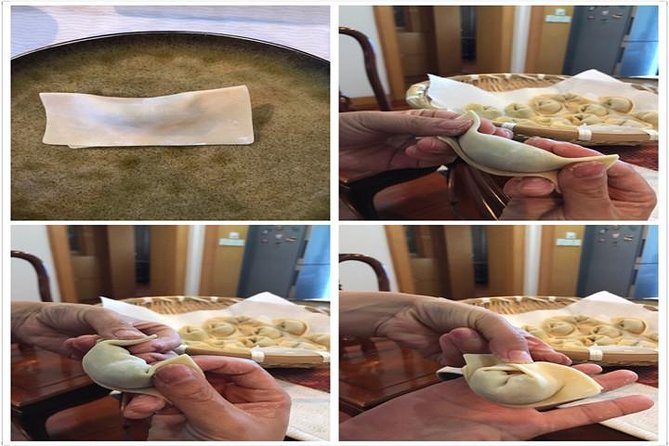
- 1 dim sum
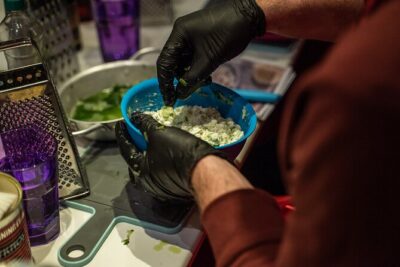
You’ll learn how to make them, not just watch. That hands-on approach is the key value driver—once you’ve handled the ingredients and followed the steps, you understand why a dish tastes the way it does.
Dietary needs and allergies: tell them early
The tour instructions are clear that you should inform the provider at booking if you have special dietary requirements or allergies. Vegetarian travelers should notify at booking as well. I’d treat this as non-negotiable prep. When you communicate early, the chef can adjust what goes into your menu and reduce the chance of last-minute gaps.
Cooking class highlights: where you’ll actually spend your time
The class is half-day, so everything runs on a tight schedule. That’s good and also why the private setup matters: you get more attention while you’re learning, especially if you’re slow at chopping, unfamiliar with a sauce, or just want better explanations.
During cooking, expect three things to happen:
- Your guide explains what’s going into each dish and why
- You do most of the active work (prep and cooking steps)
- You get feedback so you can adjust while you’re still in the process
Even without knowing the exact recipe names ahead of time, the format is reliable: main + seasonal veg + dim sum. That makes it easier to compare with other Shanghai cooking classes, because you know the structure: learn a core dish, learn seasonal flavor, then finish with something that represents everyday Shanghai eating.
Lunch at the end: eating what you made
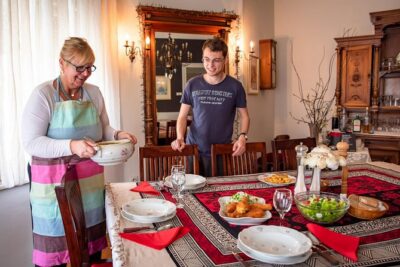
Finally, you sit down and enjoy the meal you cooked. This is a big reason cooking classes are worth your time in Shanghai. You don’t just take home photos; you take home taste memory.
I’d recommend you treat lunch like a tasting session:
- Notice how the sauce or seasoning changes the texture and smell.
- Compare the dim sum or vegetable dish to what you normally order in restaurants.
- If you sampled anything unusual at the market, see whether it shows up directly or whether it influenced something else you cooked.
The tour also includes lunch and bottled water, which helps keep the day focused on food without extra spending.
Price and value: is $238 per person worth it?
At $238 per person for about 4 hours, this is not a bargain-basement activity. But it can still be good value if you look at what’s included and what you’re buying.
Here’s the value math I’d use:
- Private English-speaking guide (market + cooking + translation)
- Hotel pickup and drop-off
- Cooking materials
- Lunch
- A full meal outcome (you eat what you cook)
Also, market visits and private home cooking often cost more than restaurant classes because the logistics are tighter. You’re paying for someone to handle route planning, local coordination, and instruction. If you compare this to the cost of a self-guided wet market visit plus a restaurant meal plus paid cooking instruction, the private package starts looking less extreme.
One caution: since it’s private, the cost per person depends on how many people are in your group. If you’re traveling solo, it may feel pricier than a shared-group class. If you’re traveling as a pair or small group, it can feel more reasonable because you’re splitting the guide’s time.
Who this tour suits best (and who should pass)
This experience is a strong fit if you:
- Like learning through hands-on cooking, not just eating
- Want a guided wet market visit with ingredient help (including samplers)
- Prefer private instruction so you can ask questions and move at your pace
- Are interested in Shanghai cuisine beyond dumplings and noodles
It may be less ideal if:
- You dislike strong smells and unusual ingredients. The tour specifically mentions century egg and stinky tofu as sampler options.
- You want a more sightseeing-heavy morning. This tour is strictly food-focused—good for food nerds, less so for people who want temples and views built in.
A quick, real-world caution: last-minute contact matters
I don’t love talking about failure cases, but it’s useful. There is at least one account where the operator couldn’t be reached by phone/email/WhatsApp within about 30 minutes of departure, and the tour couldn’t run, ruining a once-in-a-lifetime window. No tour is immune to human problems, so I’d do two things:
- Keep your booking confirmation accessible.
- Try contact earlier than the last minute, especially if your hotel front desk has limited help with international calls.
If communication is smooth for you, the rest of the experience is exactly the kind of Shanghai day that makes you feel like you understood the city through food.
Should you book this private wet market cooking class?
I’d book it if you want a short, focused day that combines two skills: seeing how locals shop and then cooking three dishes you can remember. The private setup, hotel pickup/drop-off, and the clear menu structure (main + seasonal veg + dim sum) make it easier to feel confident about what you’re getting.
Skip it if you’re highly sensitive to strong aromas, or if you’d be stressed by the need to stay on top of coordination. And if you’re traveling around a single key day in Shanghai, I’d handle confirmations like you handle museum tickets: early, organized, and not left to chance.
If your goal is authentic Shanghai food with real instruction and a meal at the end, this is a solid half-day choice.
FAQ
How long is the private wet market and cooking class?
It runs for about 4 hours (half-day).
What time does the tour start?
Start time is 9:00 am.
Is this tour private or shared with strangers?
This is a private tour/activity, so only your group participates.
What dishes will you cook?
You will cook three courses: one main course, one seasonal vegetable, and one dim sum.
Can the tour accommodate allergies or dietary restrictions?
Yes. You should inform the provider at booking about any allergies or special dietary requirements. Vegetarian travelers should notify at the time of booking too.
What’s included in the price?
Included are hotel pickup and drop-off, a private English-speaking guide, cooking materials, lunch, and bottled water.
When should I book, and can I cancel?
Confirmation is received within 48 hours of booking (subject to availability), and it’s recommended you book at least 3 days in advance. You can cancel for a full refund up to 24 hours before the experience’s start time.