REVIEW · SYDNEY
Sydney Fish Market Discovery Tour
Book on Viator →Operated by Sydney Fish Market · Bookable on Viator
Seafood has a whole backstory here. I love the seafood educator explanations and the chance to stand in the auction stands to see how the market really works. One consideration: it’s a walking tour, so comfortable shoes matter.
You’ll also pick up why this place matters, both in terms of history and the newer building’s design features. With a maximum of 20 people, you’ll get enough time to ask questions without feeling rushed, and the tour uses a mobile ticket for an easier arrival.
Meet at 1 Bridge Rd, Glebe, then you’ll return there when the hour is up. There’s no coffee, brunch, lunch, or bottled water included, so it’s smart to plan refreshments either before or after the walk.
In This Review
- Key things to know before you go
- Sydney Fish Market Discovery Tour: the best way to get oriented fast
- What happens in the 60 minutes: a guided walk through sea-to-plate reality
- 1) Start inside the Sydney Fish Market
- 2) Learn where seafood comes from and how it’s caught
- 3) Walk the commercial fishing wharves
- 4) Stand in the iconic auction stands
- 5) Get the fishmonger perspective
- The new seafood hub design and market history: why that matters on day one
- Auction stands and wharves: the practical parts people usually miss
- Price and value: is $35.86 worth it for a 1-hour guided walk?
- Who should book this Sydney Fish Market Discovery Tour (and who might skip it)
- Should you book this Discovery Tour?
- FAQ
- How long is the Sydney Fish Market Discovery Tour?
- What does the tour cost?
- Where do I meet for the tour?
- What’s included in the price?
- Is food or drink included?
- How big is the group?
- What is the cancellation policy?
Key things to know before you go

- A true guided orientation with a seafood educator, not just a self-walk through stalls
- Auction stands experience that helps you understand how fish moves through the system
- Ocean-to-plate context including where seafood comes from and how it’s caught
- A look at the new building’s design as you wander the market site
- Small group size (max 20) for a more human, question-friendly tour
- 1 hour, walk-focused pacing that fits well into a first-day itinerary
Sydney Fish Market Discovery Tour: the best way to get oriented fast
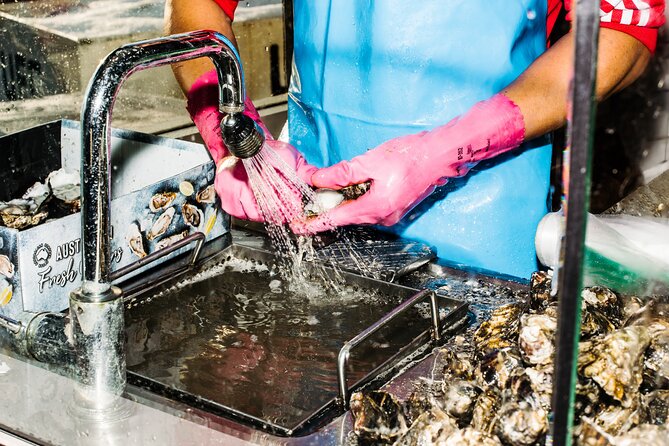
If you only have a short time in Sydney and you want something that feels genuinely local, this is a strong pick. Sydney Fish Market is one of those places where the food world makes sense in real time. You’re not just seeing fish. You’re seeing how the market connects ocean, fishing crews, buyers, and seafood businesses—right where it all happens.
What I like most is that the tour is built around people and processes. You learn where the seafood you love comes from and you get an idea of how it’s caught. That’s the stuff you can’t easily pick up by wandering alone. Plus, you’ll actually stand at the auction stands, which gives you a clearer picture of how trading works in a commercial setting.
The other big win is the combination of market knowledge and architecture/design. The new seafood hub isn’t just a backdrop; the guide points out standout design features as you walk through the site. That helps the whole place feel more understandable, like you’re reading a story rather than walking past rows of stalls.
One more practical note: this is a one-hour walking tour. It’s not a long, slow museum experience. You’ll feel the pace and you’ll likely want to grab a meal after, since there’s nothing included for brunch or lunch.
You can also read our reviews of more tours and experiences in Sydney.

What happens in the 60 minutes: a guided walk through sea-to-plate reality
The tour is about 60 minutes on foot, led by an in-person seafood educator. Your job is easy: show up, listen, ask questions, and keep your eyes open. The guide does the heavy lifting of turning a working market into something you can follow.
Here’s how the experience tends to feel as you move through it:
1) Start inside the Sydney Fish Market
You begin with an expert who sets the stage as you explore Australia’s home of seafood. This is where you get the baseline understanding: how a commercial fish market functions day to day, what “seafood industry” really means beyond the restaurant plate, and why this site matters so much.
You’ll also learn the market’s history at an orientation level. Even if you’re not a history buff, it helps. Knowing the “why” makes the “what you’re looking at” click faster.
2) Learn where seafood comes from and how it’s caught
The tour focuses on the journey of seafood—where it comes from and how it gets caught. That matters because people often eat seafood without thinking about the systems behind it. Once you understand the supply chain basics, you start noticing details differently when you later shop, eat, or even order fish at a café.
I like how this stays grounded. It’s not about fancy theories. It’s about practical origin and process.
3) Walk the commercial fishing wharves
Next, you get to see the commercial fishing wharves and understand how the market connects to fishing activity. This is the moment where the market stops being abstract. You’re standing near the work side of seafood, and you can feel the scale and purpose of the whole operation.
This part also gives context for what happens after a catch: who uses the market, how the supply is organized, and why timing and handling matter.
4) Stand in the iconic auction stands
Then you reach one of the highlights: the auction stands. This is where the tour earns its reputation for giving you a real sense of how fish is traded. You’re not just told about the auction process; you’re positioned where it happens, so the concept becomes concrete.
Even if auctions aren’t your thing, standing there helps you understand the market’s logic. Fish is perishable and valuable, so speed, organization, and buyer decisions are central. That’s what the auction stands help you grasp.
5) Get the fishmonger perspective
By the end, you’ll have a clearer idea of what it really means to be a fishmonger. That phrase can sound romantic, but the tour frames it as practical know-how—knowledge of product, quality, supply, and customer needs.
If you’ve ever wondered why some seafood vendors seem to know exactly what you should buy, this part helps you see where that expertise comes from.
The new seafood hub design and market history: why that matters on day one

One reason I’m glad this is a first-stop experience is simple: market design and history help you interpret what you see. Without that context, it’s easy to think you’re just walking through a food hall.
The tour specifically includes wandering the site and learning about the new building’s spectacular design features. You don’t need to be an architecture fan to enjoy this. The guide’s job is to connect design choices to function—how the space supports the flow of goods, movement of people, and the working rhythm of a seafood market.
On top of that, you’ll learn about the market’s history. Again, you don’t need a textbook background. The point is to understand that fish markets aren’t only about selling. They’re about logistics, trade, and systems that evolved over time.
For you, that means you’ll probably leave with two useful benefits:
- You’ll understand what you’re seeing next time you visit the market area.
- You’ll be more confident talking about seafood sourcing because you’ve seen the key steps.
Auction stands and wharves: the practical parts people usually miss
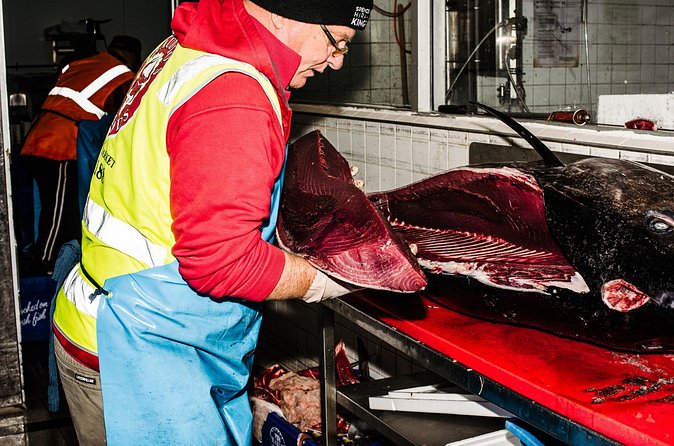
If your experience plan includes other Sydney stops, this tour fits surprisingly well. It’s short, and it gives you a kind of behind-the-scenes understanding that’s hard to get any other way.
The auction stands section is the standout “aha moment.” It’s one thing to hear about fish auctions in general, but another to stand where buying decisions play out. This helps you understand why market structure matters, especially for perishable products.
And then there’s the commercial wharves. Seeing them gives you a more complete picture of the supply chain. You’re not just learning how seafood ends up in stores. You’re learning how it arrives, and what the market needs to handle once it’s here.
This combination—wharves plus auction stands plus fishmonger perspective—is what turns the tour from a casual sightseeing stop into something genuinely informative.
Price and value: is $35.86 worth it for a 1-hour guided walk?

Let’s talk value like a traveler, not like a spreadsheet.
At $35.86 per person for about 1 hour, you’re paying for:
- A live, in-person seafood educator
- A guided walking tour experience
- A focused walkthrough of the market’s key parts
What’s helpful is that the tour is paced for understanding, not just attendance. You’ll see specific areas (including the auction stands and wharves) while getting explanations about sourcing and catching methods. That added context is often what makes a short tour worth the money.
Also, there’s no competing decision fatigue. You don’t have to figure out where to stand or what to ask. The guide leads you to the points that matter for orientation.
One trade-off: food and drinks aren’t included—no coffee, tea, brunch, lunch, or bottled water. If you’re taking this as part of a morning, plan a snack elsewhere or save your meal for after. The good news is that the tour ends back at the meeting point, so it’s easy to keep moving.
If you enjoy food experiences that explain the real system behind what you eat, this is good value for time.
Who should book this Sydney Fish Market Discovery Tour (and who might skip it)
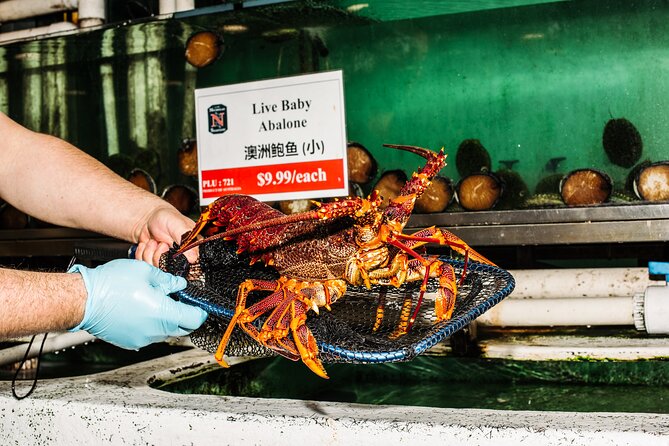
This tour is a strong match if you want:
- A short, structured introduction to Sydney’s seafood industry
- A guided explanation of where seafood comes from and how it’s caught
- Hands-on understanding by standing at the auction stands
- A small-group experience capped at 20 people
It’s also a good fit for first-time visitors who want something more grounded than a typical market stroll. You’ll walk away with better “where does it come from” and “how does it work” answers.
You might consider skipping if:
- You don’t like walking tours (since it’s an hour on foot)
- You’re only looking for casual browsing and shopping, not education
- You’re hoping for included refreshments or a meal (none are included)
Should you book this Discovery Tour?
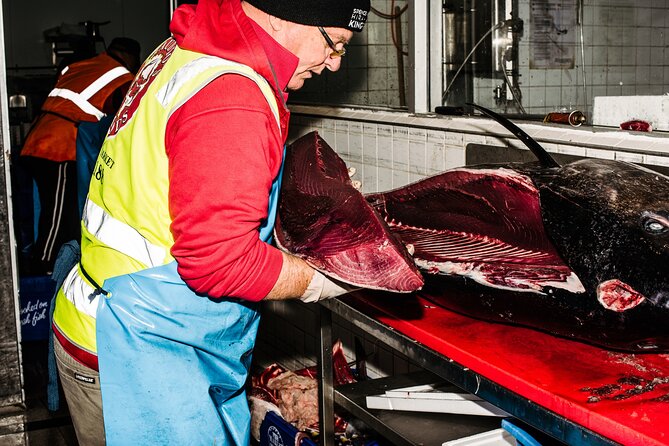
My take: book it if you want a smart, time-efficient way to understand Sydney Fish Market beyond the surface. The tour hits the key areas—the wharves, the auction stands, and the fishmonger lens—while a guide explains sourcing and how seafood is caught. For $35.86 and about an hour, it’s a solid introduction and a good setup for whatever seafood meal you plan next.
If you do book, show up with comfortable shoes and plan on grabbing coffee or food elsewhere, since the tour doesn’t include them. And treat the auction stands as your highlight moment—this is where the whole market starts to make sense.
FAQ
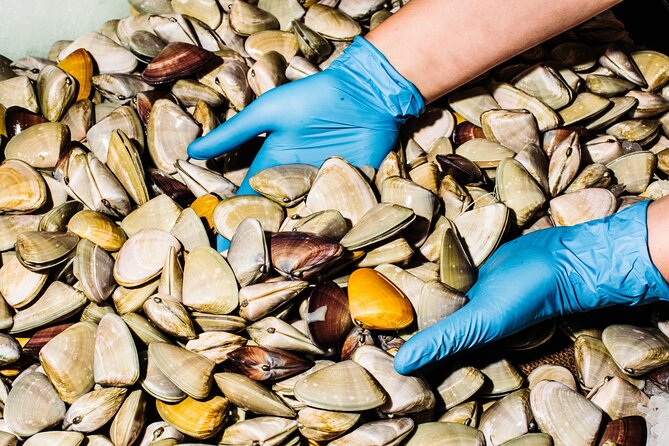
How long is the Sydney Fish Market Discovery Tour?
The tour is approximately 1 hour.
What does the tour cost?
It costs $35.86 per person.
Where do I meet for the tour?
The meeting point is 1 Bridge Rd, Glebe NSW 2037, Australia. The tour ends back at the meeting point.
What’s included in the price?
The tour includes a 60-minute walking tour and an in-person guide. The activity lists admission ticket free.
Is food or drink included?
No. Coffee and/or tea, brunch, lunch, and bottled water are not included.
How big is the group?
There is a maximum of 20 travelers per tour.
What is the cancellation policy?
The experience is non-refundable and cannot be changed for any reason. If it’s canceled because the minimum number of travelers isn’t met, you’ll be offered a different date/experience or a full refund.