REVIEW · MOSHI
Full-Day Moshi Private Forest Walk and Local Market Tour
Book on Viator →Operated by PINNACLE ADVENTURES & SAFARIS LTD. · Bookable on Viator
Kilimanjaro views and fresh fruit in one day. What I like most about this full-day private tour is the morning setup in Moshi, with Mt. Kilimanjaro views to frame the day, and the afternoon walk in Rau Forest where you get natural springs and plants in a reserve that’s all about underground water. It’s a smooth way to see both the everyday life of the town and the quieter side of the Kilimanjaro region without hopping between faraway places.
The main drawback to plan for is simple: it’s a 7 to 9 hour day, so you’ll want to be comfortable being on the move for long stretches. If you prefer a short, low-energy outing, this might feel like more day than you want.
In This Review
- Key highlights you’ll feel right away
- Moshi Town Orientation: Coffee-Country Setup With Kilimanjaro Views
- Rau Forest Walk at the Forest Industries Training Institute: Springs and Living Biodiversity
- Mbuyuni Market: Fresh-from-the-Farm Fruits and Local Food You Can Shop
- Coffee Region Visit With a Professional Guide: Moshi’s Real Reason for Being
- Private Transportation and Timing: How the 7–9 Hour Day Works
- Price and Value: What $120 Covers (and What to Budget For)
- Who This Moshi Day Fits Best (and Who Might Skip It)
- Should You Book This Moshi Private Forest Walk and Local Market Tour?
- FAQ
- How long is the Moshi Private Forest Walk and Local Market Tour?
- Is pickup included?
- What is the price per person?
- What does the tour include?
- What is not included?
- Is this a private tour?
- Can I cancel for free?
Key highlights you’ll feel right away
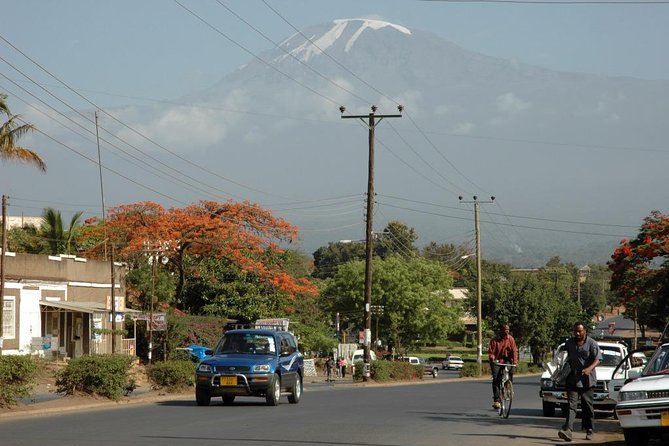
- Mt. Kilimanjaro views while you’re getting your bearings in Moshi
- Rau Forest springs in a reserve described as an underground water forest
- Mbuyuni Market produce: fresh-from-the-farm fruits and local food you can buy
- A professional local guide accompanying you from town to forest to market
- Coffee-region time so the Moshi story isn’t only scenery
Moshi Town Orientation: Coffee-Country Setup With Kilimanjaro Views
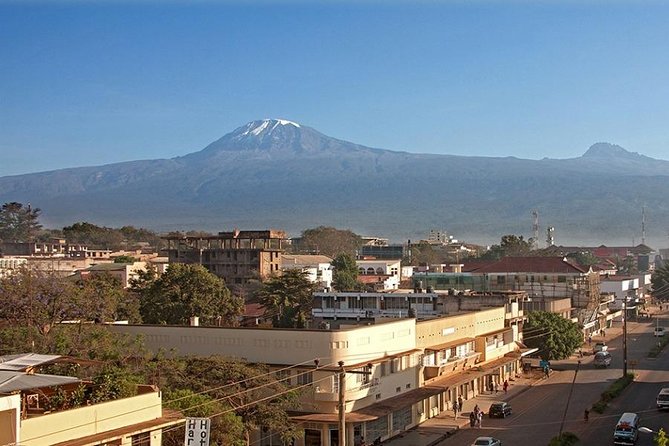
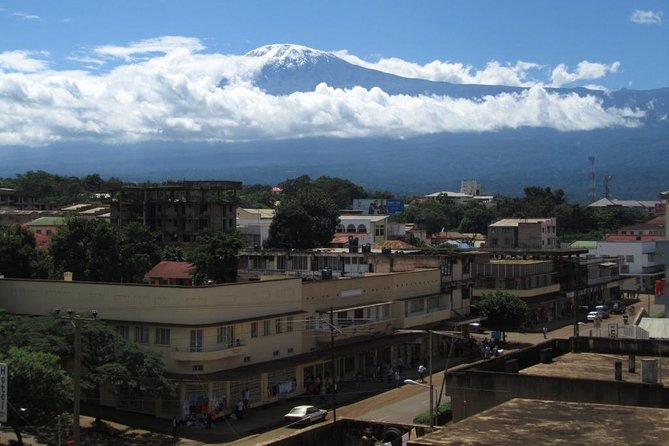
Moshi is the kind of place that helps you understand the whole region fast. It’s positioned at the foot of Mt. Kilimanjaro, and it sits at the center of a major coffee-growing area, which gives the town a self-sufficient, working feel rather than a tourist-only vibe. The morning start makes sense: you get context before you go looking for forest paths and market stalls.
You’ll spend about an hour getting around Moshi with your guide. The atmosphere is described as low-key and clean, and there’s an interesting blend of African and Asian influences that shows up in daily life. It’s also a town most visitors use as a starting point for climbing or recovering, but this tour keeps you from feeling like you’re just passing through.
This part of the day is valuable because it teaches you what you’re actually looking at. When you know Moshi’s role as the coffee heart of the region, the later coffee stop feels like a continuation, not a random detour. And the Kilimanjaro views in the morning are a good reminder of scale. Even if you’re not climbing, it helps you place everything else on the map.
One practical note: views can change with weather and light, so treat the morning scenery as the moment you’ll be most likely to get that “oh wow” perspective.
You can also read our reviews of more tours and experiences in Moshi.
Rau Forest Walk at the Forest Industries Training Institute: Springs and Living Biodiversity
After Moshi, the route shifts to nature with a stop at the Forest Industries Training Institute, where the Rau Forest reserve is located roughly 3 km southeast of town. This reserve sits on a gentle south-facing alluvial base of Kilimanjaro, at an altitude between 730 and 765 meters. That altitude detail matters because it helps explain why the reserve can feel different from town—more shaded, more about water, and less about open streets.
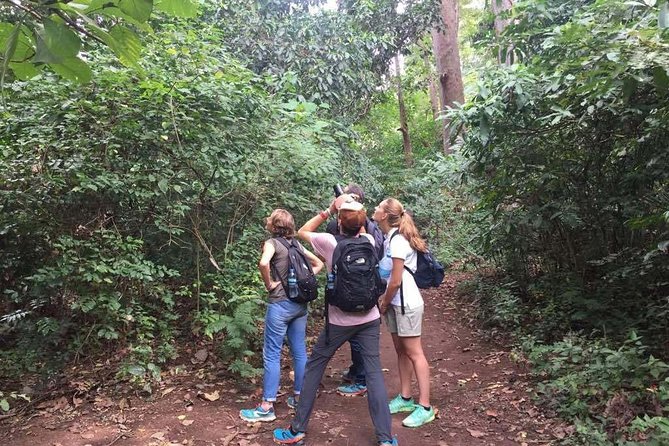
Your forest time is about 2 hours. Rau Forest is described as an “underground water forest,” and that’s the key concept to understand before you go. Instead of thinking only about trees and trails, focus on the water story: the reserve hosts natural springs, and those springs are linked to local biodiversity and the surrounding livelihoods.
What you’ll likely appreciate most here is that the walk has a purpose beyond photos. A guided route through Rau Forest connects the dots between living plants and the water system that supports them. You’re not just walking through scenery; you’re learning why this place exists and why it’s protected.
Cultural and practical touches can also show up during this kind of guided forest visit. One past participant highlighted forest rituals as part of the experience, which suggests your guide may weave in local ways of relating to the environment, not just facts and directions. Even if those moments are brief, they can make the walk feel more human and less like a checklist.
The main consideration is footwear and pace. A forest walk usually means uneven ground and you’ll want shoes you trust. Also, bring a bit of patience—when you’re walking to see springs and plants, the pace often stays guided, not rushed.
Mbuyuni Market: Fresh-from-the-Farm Fruits and Local Food You Can Shop
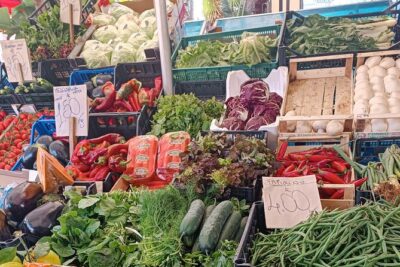
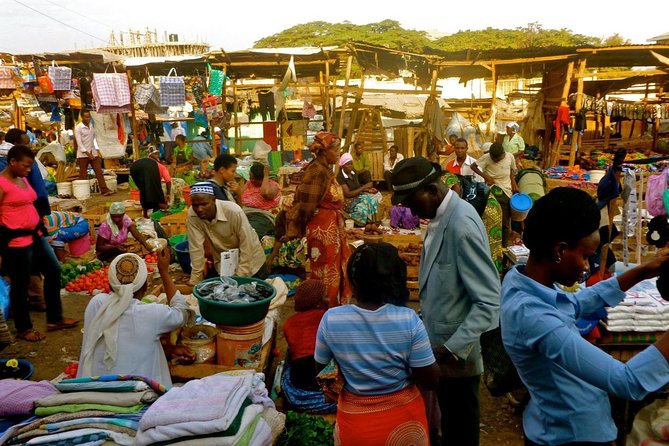
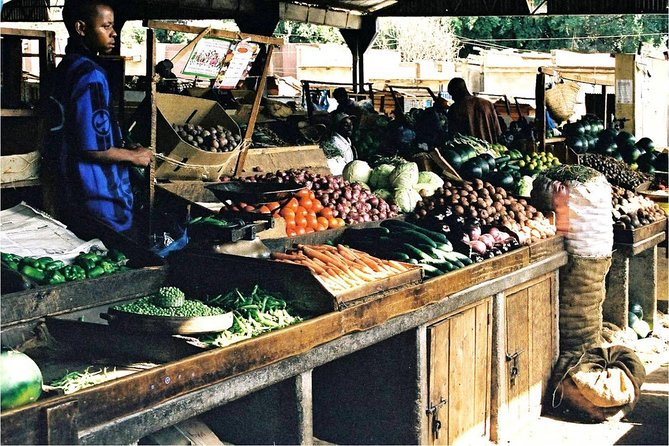
Then comes the part that most people remember: Mbuyuni Market. This is Moshi’s fresh produce market, and it’s built around fresh-from-the-farm fruit and local food. The market stop is about an hour, and it’s timed so you’re not only looking—you have the chance to buy what’s there.
This stop is more than shopping. It’s how you taste the region in real life. If you want to understand what people eat and how daily supply chains work near Kilimanjaro, markets are where that becomes obvious. You’ll see crisp vegetables, juicy fruits, and plenty of everyday items that tell you what grows locally and what families choose as staples.
It’s also a place where small guided moments can happen. One past participant specifically called out eating bananas in the middle of the market. That kind of simple snack break is a smart way to slow down and notice details—prices, different types of fruit, how produce is handled—without turning the hour into a stressful shopping sprint.
What you should plan for: purchases aren’t listed as included, and personal expenses aren’t included. So I recommend you set aside cash for fruit, snacks, or small food souvenirs. If you’re picky about what you buy, ask your guide to help you spot what looks fresh and safe to eat right away.
Also, since this is a market environment, keep your basics simple: wear something comfortable, keep your phone secure, and be ready for lots of smells and movement. Your guide will manage the direction, but you still need to be mentally in market mode.
Coffee Region Visit With a Professional Guide: Moshi’s Real Reason for Being
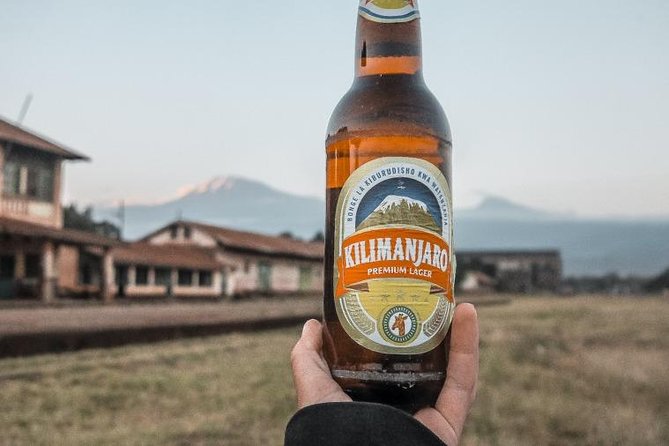
Moshi is described as prosperous partly because it’s the center of Tanzania’s major coffee-growing region. That’s why the day doesn’t stop at forest and fruit. After the market, you’ll visit Moshi’s coffee region with your professional local guide.
The exact format of the coffee stop isn’t spelled out in detail, but the value is clear: the coffee region visit ties together what you learn in the morning with what you experience later. In other words, you don’t just get views of Kilimanjaro and then move on. You see why Moshi is such an important town to start from.
A professional local guide matters here. Coffee isn’t only about the drink. It’s about the landscape, the people who grow it, and the day-to-day systems that keep production moving. Even if you’re not buying anything, you’ll likely come away with a better sense of how agriculture shapes the region’s economy and everyday life.
If you’re a coffee person, treat this as an explanation session. Ask questions about what’s grown locally, how coffee connects to Moshi’s economy, and how people fit coffee into the rhythms of planting and harvest. If you’re not a coffee person, don’t worry—you can still learn how the region works by watching how people care for the crops and manage their land.
This coffee portion also helps balance the day. Rau Forest gives you the quiet, water-and-plants story. The market gives you the immediate food story. The coffee region gives you the bigger picture: how the land supports people over time.
Private Transportation and Timing: How the 7–9 Hour Day Works
This is a private tour, meaning it’s only your group. That’s a big deal for a day like this, because you’ll want your guide to set the pace. Want more time for questions? You can usually ask. Need to slow down during the forest walk? You can usually work it out in real time.
Pickup is offered, and the tour starts in Moshi Urban and ends back at the meeting point. A mobile ticket is provided, and bottled water is included. Those details sound minor, but they help you avoid the small stress that can pile up on a full-day outing.
The general flow is easy to picture:
- Morning orientation in Moshi (about 1 hour), with Kilimanjaro views
- Rau Forest walk (about 2 hours)
- Mbuyuni Market (about 1 hour)
- Remaining time used to connect you with Moshi’s coffee region
One thing to remember: the tour is long enough that you should be ready for the day to have a natural rhythm of driving, walking, and stopping. Lunch isn’t specifically listed, so if food timing matters to you, plan on eating during the market hour or along the way, or simply bring a light backup snack.
Also, because this is private transportation, you won’t be dealing with the usual chore of coordinating multiple stops for multiple strangers. If you value a straightforward day plan, this structure keeps things clean.
Price and Value: What $120 Covers (and What to Budget For)
At $120 per person, this can look like a splurge at first glance—until you break down what’s included. You get all fees and taxes covered, bottled water, private transportation, and a professional local guide (including his wage). For a full day that combines town orientation, a forest walk, a market stop, and a coffee-region visit, the price starts to feel reasonable, especially if you want everything handled for you.
The places where extra money may be needed are also clear. Accommodation and airport transfer can be arranged for an extra charge, and personal items aren’t included. Visa, flights, and insurance are not included either. For many people, the biggest day-to-day cost will be food you choose to buy at the market or any small souvenirs you want.
Here’s how I’d think about value:
- If you want nature plus market plus agriculture in one organized day, the price is paying for time saved and guidance added.
- If you only care about one stop (say, only the market), you might feel the rest of the day is extra cost.
If you’re traveling in a pair or small group and you want a guided day without planning, this tour is the kind of “one booking, solved” choice that makes sense.
Who This Moshi Day Fits Best (and Who Might Skip It)
This is designed for most travelers who want an organized, private full-day experience in Moshi. The tour also notes that service animals are allowed, which is a useful signal that they’re thinking about practical needs.
It’s a strong match if:
- You want Kilimanjaro-area context without jumping into a multi-day hike
- You care about local food and where it comes from
- You like having a guide who explains what you’re seeing, not just walking you to a spot
It may be less ideal if:
- You dislike long days (it runs about 7 to 9 hours)
- You prefer very minimal walking
- You want a strictly low-spice, no-market-day approach (markets are sensory and you’ll likely be offered local produce to purchase)
A private day is also a good fit for people who want a smoother pace and a chance to ask questions. If you’re the type who likes to understand the “why” behind a place—coffee, springs, and market life—this itinerary is built for you.
Should You Book This Moshi Private Forest Walk and Local Market Tour?
Yes, I’d book it if your goal is a practical, local Moshi day that mixes viewpoints, nature, and real food shopping. The strongest selling point is the pairing: Rau Forest’s spring-and-water story plus Mbuyuni Market’s fresh produce plus time in Moshi’s coffee region. That combo gives you more than one kind of understanding.
Before you go, do two simple things:
- Wear comfortable shoes for a guided forest walk.
- Bring cash for market purchases and snacks, since personal expenses aren’t included.
If you’re hoping for a guide who knows how to keep the day friendly and flexible, you can take comfort in the fact that a guide named Frazier has been mentioned as a high-energy, supportive presence by at least one past participant—and the day is set up for pickup and smooth handling even when plans change late.
If you want a clean, organized full day that still feels like local life, this is the kind of tour that does the job.
FAQ
How long is the Moshi Private Forest Walk and Local Market Tour?
The tour runs about 7 to 9 hours.
Is pickup included?
Pickup is offered, and the tour starts in Moshi Urban and ends back at the meeting point.
What is the price per person?
The price is $120.00 per person.
What does the tour include?
It includes all fees and taxes, bottled water, private transportation, and a professional local guide (including his wage).
What is not included?
Accommodation, airport transfer, personal expenses, and visas/flights/insurance are not included.
Is this a private tour?
Yes. It’s a private tour/activity, and only your group participates.
Can I cancel for free?
Yes. Free cancellation is available up to 24 hours in advance for a full refund.