REVIEW · MOSHI
Private Market Tour and Tanzanian Cooking Class in Moshi
Book on Viator →Operated by Traveling Spoon · Bookable on Viator
Food lessons beat the usual tour script. In Moshi, I like how the market walk with William turns shopping into a lesson, and how the cooking time is truly private with Shida’s family. The main downside to plan for is that you’re cooking and eating in a real home setting, so expect a bit of smoke, dust, and outdoor seating.
This is a rare start to a Kilimanjaro-area trip that isn’t about views or photos. You’ll shop for the ingredients behind everyday Tanzanian food, then head to a mud house about 20 minutes away to grate coconuts, make fresh coconut milk, and learn ugali over a wood fire. If you want hands-on culture with a family meal included, this is an excellent fit.
Key things that make it special
- Private, family-led cooking: just your group with hosts Shida, Marissa, and William
- Market time that teaches ingredients: you’ll see where the flavors start
- Fresh coconut milk the traditional way: using a buzi to process coconut meat
- Wood-fire ugali practice: a staple dish that takes skill and patience
- A proper meal after cooking: ugali with vegetables plus peanut brittle and homemade alcohol
- Convenient pickup/drop-off in Moshi: William meets you at your hotel
In This Review
- Why This Moshi Cooking Class Starts at the Market
- Hotel Pickup and the Short Trip to Shida’s Mud House
- Coconut Milk on the Buzi: The Traditional Step You’ll Remember
- Making Ugali Over a Wood Fire (and Why It’s Not Just Cornmeal)
- The Family Meal: Ugali, Peanut Brittle, and Homemade Alcohol
- Value and Timing: Is $86 a Good Deal?
- What You’ll Learn (Beyond the Recipe List)
- Who This Private Market and Cooking Class Suits Best
- Comfort, Cleanliness, and Practical Expectations
- Should You Book This Private Market and Tanzanian Cooking Class in Moshi?
- FAQ
- Where is this cooking class located?
- How long is the private tour and cooking class?
- Is this tour private or shared?
- What happens during the market part of the experience?
- What do you learn to cook?
- What do you eat and drink at the end?
- How do you get from the market to the home?
- What is the price?
- Is cancellation free?
Why This Moshi Cooking Class Starts at the Market
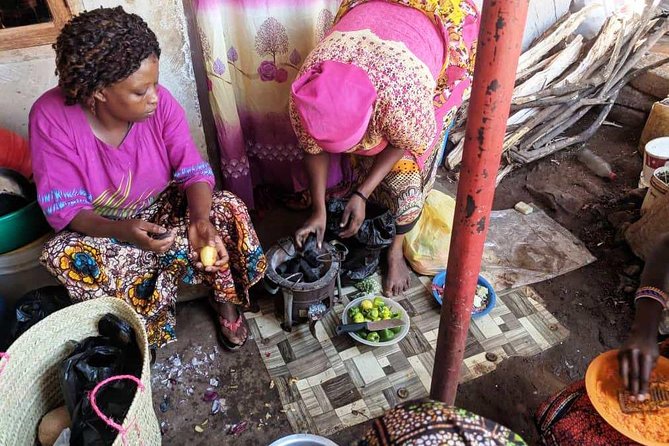
Most cooking classes start when the chopping board is already set. This one starts earlier, at the market, because that’s where the flavor logic lives.
I like the way the hosts guide you through what they actually buy and why. In their view, Tanzanian cuisine isn’t built on “mystery spices.” It’s built on the ingredients you can spot right there: herbs, vegetables, and fruits that show up in everyday meals. As you move stall to stall, you’re not just looking. You’re learning what each ingredient contributes and how families turn those ingredients into food you’d recognize at home.
A big plus here is that the market stop isn’t an awkward photo break. William leads the walk and talks with vendors, and you also get chances to sample items along the way. One strong review mentions trying dried sardines, which is exactly the kind of small, real-food moment that makes the class feel grounded rather than staged.
If you’re the type who likes to understand what you’re eating before you eat it, this structure clicks. You’ll leave knowing how the meal was sourced, not just how it was cooked.
Hotel Pickup and the Short Trip to Shida’s Mud House
The experience is designed to be easy to fit into a Moshi day. Pickup is offered, and drop-off returns you to your Moshi hotel. That matters because a cooking class can turn into a logistics puzzle fast, especially in smaller towns where timing matters.
Once you finish the market, you’ll head to the home of Shida. The travel time is short—about 20 minutes—so you’re not wasting your appetite and attention on a long transfer. You’ll likely walk or take a tuk-tuk depending on the flow of the day.
This is also where the tone shifts from public to private. A market is lively and noisy; a home is slower. In this case, you’re going from shopping with vendors to cooking with Shida’s family. That switch is part of what makes the whole thing feel like a slice of daily life rather than a one-time show.
You can also read our reviews of more tours and experiences in Moshi.

Coconut Milk on the Buzi: The Traditional Step You’ll Remember
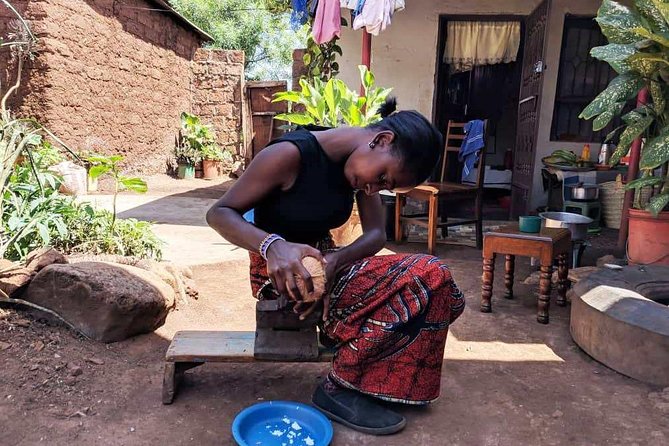
The cooking portion happens at Shida’s home and lasts about one hour. The first “lesson” is coconut milk—and not the bottled kind you’ll find back home.
Shida’s family uses a buzi, described as a small wooden seat with a grinder used to shave coconut meat. In practice, this step is where you see the difference between cooking as a process and cooking as a result. You’re not just pouring something into a pot. You’re creating the base ingredient by turning coconut into milk the traditional way.
Why this matters for you: coconut milk isn’t a garnish. It’s a foundation. In the course, that coconut milk becomes the start for vegetable and stew-style dishes. Even if you don’t cook everything at home later, the method helps you understand how Tanzanian meals build flavor step-by-step.
It also gives the class a good rhythm. You start with a hands-on ingredient task (grating/shaving coconut), then you move toward cooking. It’s a clear arc: gather → process → cook.
There’s a practical consideration, too. Coconut work can be messy, and you’re doing it in a home environment. If you’re sensitive about keeping clothes perfectly clean, choose something you’re okay getting a little dusty.
Making Ugali Over a Wood Fire (and Why It’s Not Just Cornmeal)
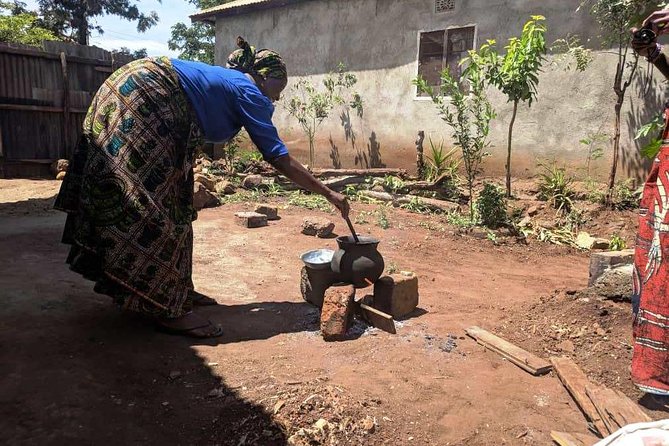
After coconut milk, the next big focus is ugali. This is the cornmeal staple people serve with many Tanzanian meals, and the class treats it like what it is: a core skill, not a background dish.
You’ll learn to make ugali using a wood fire setup. The process is described as simple yet labor-intensive. That’s accurate in spirit. Cornmeal dishes can seem straightforward, but getting the texture right takes attention and steady effort—especially when cooking is happening on open heat.
Also, ugali isn’t eaten alone here. It’s served with sautéed vegetables. So you’re practicing the “staple + sides” logic that most families use, not just learning a single recipe in isolation.
I like that the host doesn’t gloss over the effort. If you come expecting a fast tasting menu, this part will pleasantly surprise you. You’ll get to feel why ugali is respected: it’s filling, it’s practical, and it connects to daily meals.
If you want to impress yourself with something you can talk about long after your trip, this is it. Ugali is one of those dishes that people outside Tanzania often describe as plain—until they taste it and realize it’s all about technique, texture, and what it’s paired with.
The Family Meal: Ugali, Peanut Brittle, and Homemade Alcohol
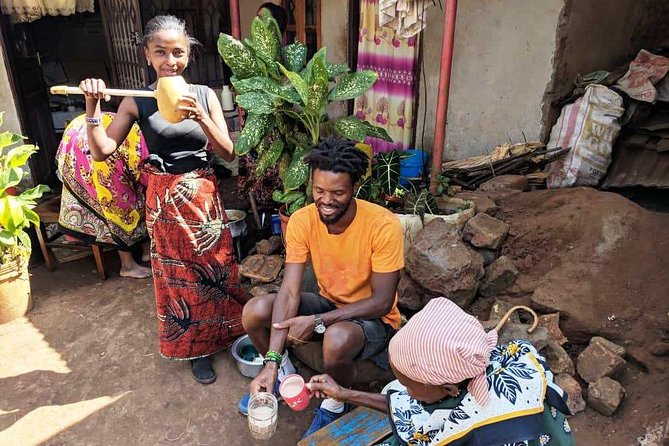
The class ends with eating together on benches outside the mud house. That outdoor setup is simple, but it has a lot of charm because it puts the meal in the same place people actually gather.
Here’s what’s included with your meal:
- Ugali served with sautéed vegetables
- Peanut brittle
- Homemade alcohol, plus drinks as part of the meal experience
That combination matters. Many cooking classes offer a plate of food but not the full “how we eat” feeling. This one aims for more of the whole picture: the staple, the sides, the snack-sweet crunch, and the drink that often comes with celebration or hospitality.
This is also where you get the strongest sense of connection. You’re not just watching someone cook. You’re joining the whole family to eat, which is the moment the market lessons turn into a real meal.
A quick consideration: homemade alcohol is included as part of the experience. If you’d rather not drink, you can still participate fully, but plan to be honest about what you want before you start eating.
Value and Timing: Is $86 a Good Deal?
At $86 per person for about 5 hours 30 minutes, the value depends on what you want from Moshi.
If you only want a hands-on recipe snapshot, this may feel expensive. If you want something more like a guided day inside a Tanzanian household—market sourcing, ingredient teaching, traditional coconut milk processing, wood-fire ugali practice, and a full family meal with drinks—then the price starts to make sense.
The key “value engine” is privacy. This is a private tour/activity, with only your group participating. That changes the experience feel immediately: you can ask questions in real time, the pace can fit you, and the cooking time doesn’t get chopped up for a large group.
Add in the fact that pickup and drop-off at your Moshi hotel are included, and you’re not paying extra for transport or trying to coordinate your own rides at the last minute.
One more detail: on average, it’s booked about 16 days in advance. That doesn’t mean you must book early, but it does suggest it’s a popular way to start or wrap up a Kilimanjaro-area stay. If you’re traveling in a busier season or on a tight itinerary, booking sooner is smart.
What You’ll Learn (Beyond the Recipe List)
This tour is about more than making food. It’s about seeing the logic behind ingredients and routines.
Here’s what you should expect to pick up:
- How fresh ingredients in the market connect directly to home cooking
- Why coconut milk matters and how it’s prepared traditionally with the buzi
- What makes ugali a staple and why the technique takes effort
- How Tanzanian meals are structured: staple + sautéed vegetables + shared eating
- How hospitality works when family members gather outside, eat together, and share drinks
Even if you don’t cook these dishes at home, this kind of learning sticks. It changes how you read a menu. It helps you understand why certain pairings show up again and again.
Who This Private Market and Cooking Class Suits Best
This experience fits best if you like one or more of these:
- You want a real local household moment instead of a performance
- You’re excited about food as culture, not just food as a souvenir
- You prefer a private group format where questions and pace matter
- You’re planning time around Kilimanjaro and want a day that feels grounded and human
It may be less ideal if you dislike hands-on work. You’re grating coconuts, cooking on a wood fire, and spending time outdoors on benches while you eat. The experience is not described as a polished indoor cooking studio, and that’s part of the charm.
Comfort, Cleanliness, and Practical Expectations
The setting is a mud house, with an open wood fire and an outdoor meal area. That tells you what to expect: it’s rustic and practical, not sterile.
If you’re the type who worries about every surface, you might feel uneasy at first. The good news is that the class is guided by the family who lives and cooks there. The whole point is home cooking in a home environment, and the hosts are actively teaching you what to do.
Your comfort will also depend on clothing and your personal tolerance for “real kitchen life.” Choose simple, comfortable items you won’t mind getting a little dusty. If you’re sensitive to smoke from wood fire cooking, that’s also something to take into account.
Should You Book This Private Market and Tanzanian Cooking Class in Moshi?
Book it if you want an easy, meaningful Moshi experience that centers on real daily life. The private format, the market-to-home flow, and the hands-on steps—especially the coconut milk method with the buzi and wood-fire ugali—are exactly the kind of trip memory that lasts.
Skip it if you want a low-effort activity. This is participatory. You’ll be cooking and eating like a family does, not just watching. Also consider your drink preferences since homemade alcohol is part of the included meal.
If your Kilimanjaro plans include a free half-day in Moshi, I’d put this on your shortlist. It’s one of the best ways to start understanding Tanzanian food from the inside, with William and Shida’s family showing you how it’s made.
FAQ
Where is this cooking class located?
It takes place in Moshi, Tanzania, with pickup and drop-off at your Moshi hotel.
How long is the private tour and cooking class?
The experience is about 5 hours 30 minutes total, including the market time, travel, and the cooking session. The hands-on cooking class itself is about one hour.
Is this tour private or shared?
It’s private. Only your group participates.
What happens during the market part of the experience?
You visit local stalls with your hosts and learn about traditional Tanzanian ingredients. You also pick up ingredients for the cooking class and may try items from vendors.
What do you learn to cook?
You learn to make fresh coconut milk using a buzi and then make ugali, a cornmeal staple dish, served with sautéed vegetables.
What do you eat and drink at the end?
You eat a home-cooked meal together outdoors on benches. The meal includes ugali with sautéed vegetables, peanut brittle, and homemade alcohol, plus drinks.
How do you get from the market to the home?
After the market, you travel to Shida’s home, about 20 minutes away, by walk or tuk-tuk.
What is the price?
The price is $86.00 per person.
Is cancellation free?
Yes. You can cancel for a full refund up to 24 hours before the experience’s start time.