REVIEW · VENICE
Vegetarian and Vegan Cooking Class in Venice with Market Tour
Book on Viator →Bookable on Viator
Venice tastes better when you cook it yourself. This class starts at Rialto Market and turns what you buy into a hands-on, three-course meal, in a small group capped at 12; I also liked the laid-back, local-home feel with stories from your host, and the fact you have good weather as a real factor. The only drawback to plan around is that it’s short (about 3 hours), so you won’t get a long, slow Venice wander.
I love the practical promise here: seasonal vegetables from the market, then straight into making pasta, focaccia, and pizza from scratch. It’s also good to know that vegetarian and vegan cooking is truly the focus, so you’re not stuck guessing whether your meal will be adapted.
If you want a lesson you can actually repeat at home (not just a nice meal), this works well. You’ll cook with an English-speaking guide/host, you’ll taste what you make, and the unlimited wine changes the mood without turning it into a party.
In This Review
- Key things to know before you go
- Rialto Market: where your vegetables become the lesson
- Massimo’s home cooking setup in central Venice
- What you’ll make: a 3-course vegetarian/vegan meal you can picture
- Starter: Italian salads and dressing tricks
- Main course: pasta, pesto, pizza, focaccia, and veg mains
- Dessert: sweet fruit-forward and plant-based
- Unlimited wine and the pairing culture (with a clear alcohol rule)
- Timing, group size, and how to fit it into your Venice day
- Price and value: what $108.02 buys you in Venice
- Who should book this class (and who might skip it)
- Practical tips to make it easy on yourself
- Should you book this Venice vegetarian and vegan cooking class?
- FAQ
- Where does the tour start and where does it end?
- How long is the cooking class?
- Is this class vegetarian and vegan friendly?
- How many people are in the group?
- Is the class taught in English?
- What food and drinks are included?
- Are there any age limits for alcohol?
- Is hotel pick-up or drop-off included?
- What happens if the weather is bad?
- Can I cancel for a full refund?
Key things to know before you go
- Rialto Market first: you start shopping at Mercati di Rialto before moving to the cooking space
- 12 travelers max: it feels like a small dinner party with instruction, not a big demo
- Vegetarian and vegan friendly: the menu is built around what you want, using market produce
- Hands-on dough time: you’ll work on items like handmade pasta plus pizza or focaccia
- Unlimited wine included: plus sparkling wine, with an alcohol age rule for 21+
- Ends where you started: the experience finishes back at Caffè Vergnano 1882
Rialto Market: where your vegetables become the lesson
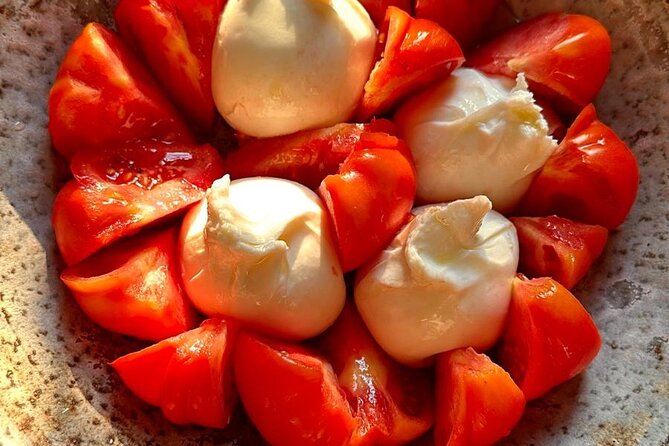
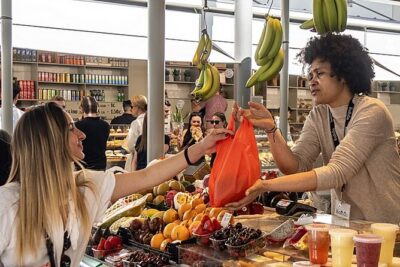
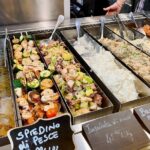
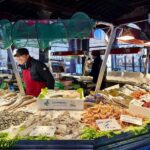
The whole experience has a smart rhythm: you begin at Mercati di Rialto, then your purchases show up again on the table later. That matters more than it sounds. In Venice, it’s easy to eat great food and still not understand why it tastes the way it does. Here, the market becomes your ingredient class—color, season, and how Italians build flavor around what’s available right now.
You’ll be shopping in the heart of the action in San Polo, and you’ll likely be working with produce that changes by day and season. One highlight I liked is how the class is positioned as vegetable-driven and flexible: it’s not a rigid menu that ignores what looks best that morning.
Also, if the market is quieter when you go, it doesn’t ruin the point. A smaller market moment can actually make it easier to talk with the host, ask questions, and learn what to look for. And yes, your stop at the market is the foundation for everything that follows—so show up hungry and curious.
You can also read our reviews of more tours and experiences in Venice.
Massimo’s home cooking setup in central Venice
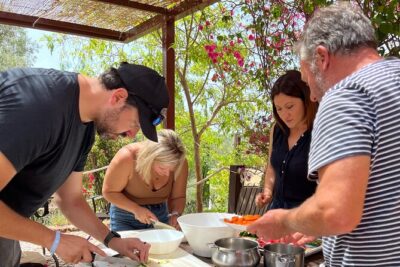
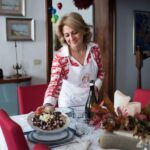
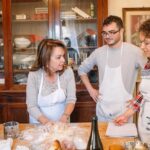
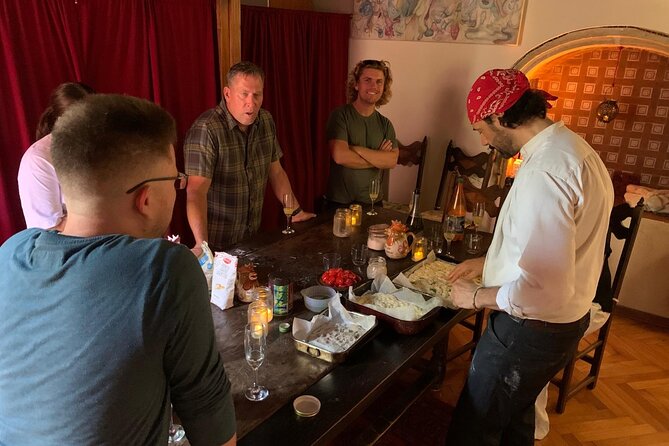
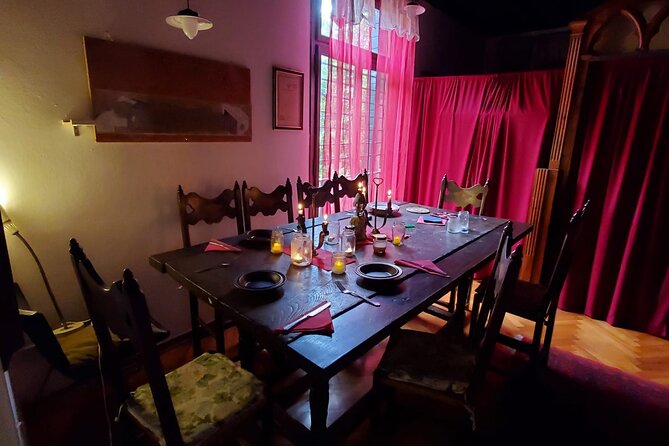
After the market, you head to the host’s place—described as an ancient venue right in the heart of Venice. This is one of the biggest reasons I’d book it even if you’re not a “cooking person.” You’re not stuck in a classroom. You’re cooking in a home setting, which makes the whole thing feel personal and grounded.
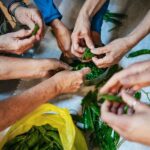
In the best moments, you’re not just chopping and stirring—you’re hearing the reasoning behind the food. The experience includes stories about Italy’s flavorful history from a native, plus guidance tied to how the host learned and cooks. In one detailed account, the space had an atrium feel with fresh herbs like basil, mint, and bay leaf nearby. That kind of detail turns cooking into a sensory experience, not just a task.
Language-wise, you’re covered with English, and the group stays small (12 max). That combination usually makes it easier to ask questions, adjust if you have preferences, and actually follow along at your pace.
One practical thing: since you’re meeting at Caffè Vergnano 1882 in San Polo, you’re already in a convenient Venice area for getting there on foot or by public transport. And the tour ends back at the same meeting point, so you don’t end up stranded with a half-day of logistics.
What you’ll make: a 3-course vegetarian/vegan meal you can picture
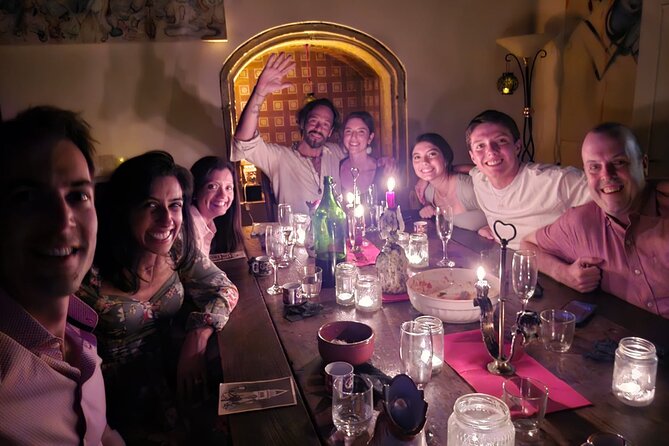
This class is built around cooking a full meal—typically three courses—with recipes that can be shaped around your wishes. The sample plan is vegetarian/vegan-forward and vegetable-led, but the underlying idea stays consistent: you’ll learn core Italian techniques, then see how they flex into different combinations.
Starter: Italian salads and dressing tricks
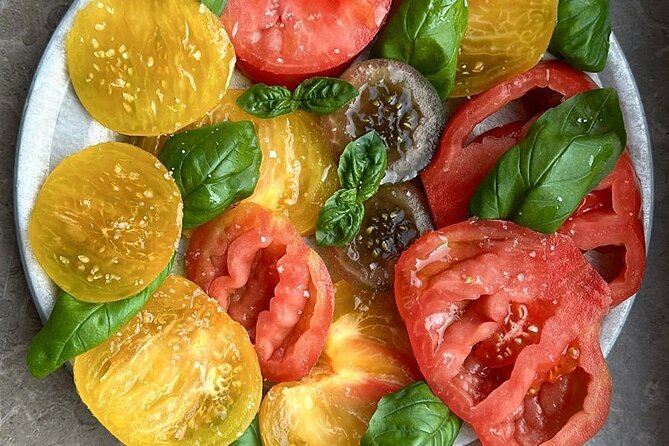
You’ll work on salad in a way that goes beyond chopped greens. The class includes trying different salad styles and dressings together, including dressing made with attention to how it tastes and looks. One memorable touch is the idea of coloring a dressing using flowers—an example of how this class treats presentation as part of flavor, not just plating.
Main course: pasta, pesto, pizza, focaccia, and veg mains
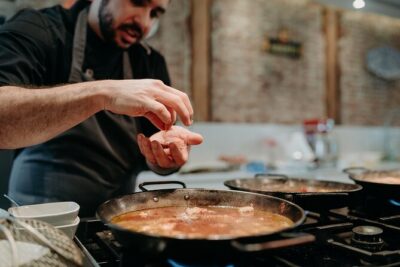
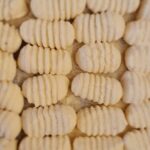
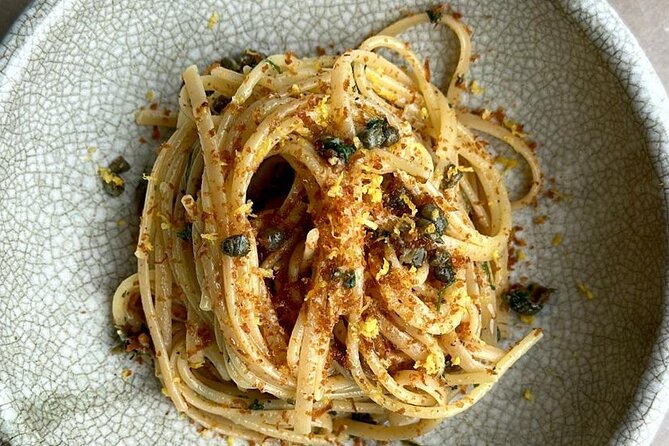
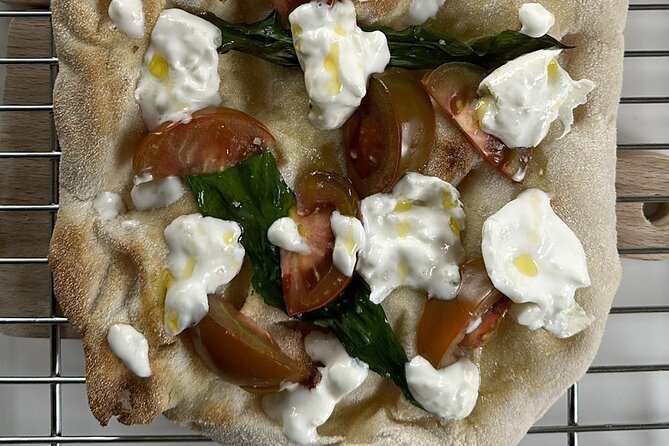
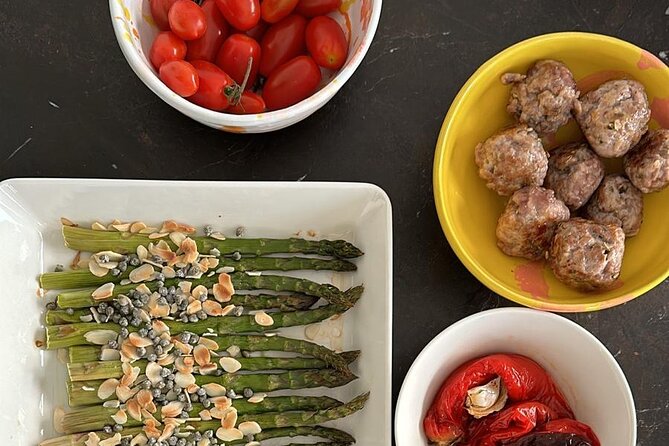
The menu examples include a handmade pasta course with pesto, with variations depending on what’s seasonal. You might also do a vegan pizza—example toppings include radicchio di Treviso and vegan mozzarella. Another main example involves asparagus with almonds, paired with fresh white wine, and artichokes with lemon and white wine. These aren’t random dishes. They’re built to show how simple ingredients become special in Italian cooking: nuts add crunch, citrus wakes vegetables up, and wine helps build a deeper sauce flavor.
You’ll also get hands-on with dough, including pizza crust and focaccia-style dough. In one account, the host made pizza crust using different flours and worked with dough spread on parchment (rather than the typical rolling method). Focaccia dough can include semolina and potato water, with both doughs placed to rise in the oven. Even if you don’t replicate the exact method at home, the technique lessons matter.

Dessert: sweet fruit-forward and plant-based
Dessert in the sample menu is vegan cashew and fig cake with orange aftertaste—very Mediterranean in tone. One review also described a dessert setup that included fig and honey flavors, plus pistachios, which fits the overall “market fruit does the work” philosophy. The point is: you’ll finish with something that uses what’s sweet and seasonal, rather than a heavy, generic dessert.
Unlimited wine and the pairing culture (with a clear alcohol rule)
Wine is part of the package here: unlimited wine and sparkling wine are included. That’s not a throwaway line—this class is set up like a long, happy meal where taste-testing is part of the lesson.
There’s also a practical rule: alcoholic drinks are served only to travelers 21 years old and above. If you’re under that age (or you just don’t drink), you can still enjoy the cooking and the meal; just don’t expect alcohol to be offered to everyone.
Pairing shows up in the food examples too: asparagus and artichokes are paired with fresh white wine in the sample menu. In a home setting, that kind of pairing makes sense. The wine isn’t just for drinking; it’s part of how the host thinks about flavor balance and how a dish should land on the palate.
And if you’ve ever worried that unlimited wine means sloppy cooking, don’t. The focus stays on making and tasting what you cook, in an organized, guided format.
Timing, group size, and how to fit it into your Venice day
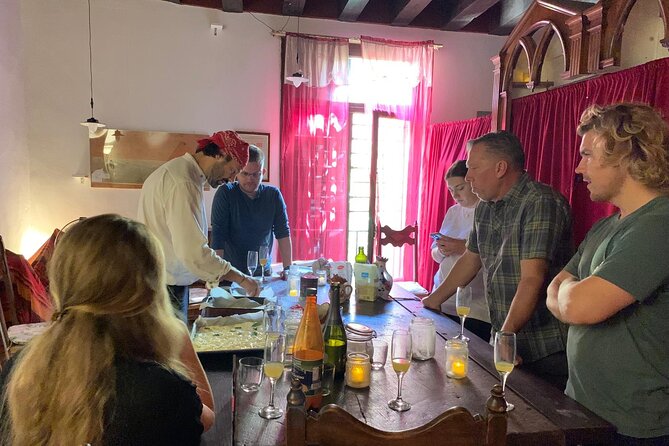
The experience runs about 3 hours. That’s a sweet spot: long enough to do real cooking and eat together, but short enough that you can still enjoy the rest of Venice the same day.
Group size is the other key factor: max 12 travelers. With a group this size, you’re more likely to get help when you need it and less likely to feel like you’re watching someone else cook while you stand by. In a small home environment, 12 also keeps the pace manageable—dough rises, dishes finish, and everyone sits down to eat without waiting forever.
Because the class starts at Caffè Vergnano 1882 and ends back there, you don’t need to plan a complicated route afterward. For scheduling: pick a time that lets you eat something after—though, honestly, you may not want to. This is a lunch-style meal in practice, and once you’ve done pasta and pizza or focaccia, you’re usually fed for the rest of the day.
One consideration: the experience requires good weather. That doesn’t automatically mean you’ll be outside the whole time, but it does signal that some walking or market movement may be involved. If you’re visiting during a stormy stretch, plan flexibility.
Price and value: what $108.02 buys you in Venice
At $108.02 per person for roughly 3 hours, this isn’t a bargain-basement class. But Venice isn’t cheap, and the value here comes from what’s included:
- Market shopping as part of the experience
- A vegetarian/vegan cooking class
- A full meal (three courses)
- Unlimited wine and sparkling wine
- A licensed or certified guide, with an English-speaking host
Where it feels like good value is the all-in nature. You’re paying for ingredients and guidance, then getting to eat what you make in a home setting. A lot of cooking classes give you a recipe folder and a taste. This one leans more toward a full shared meal experience, where you’ll cook multiple elements—pasta, focaccia/pizza, salads, plus dessert—rather than doing just one technique.
If you’re the type who enjoys food travel, you’ll likely feel like this paid for itself in the memories. If you only want a quick snack and zero prep, you might find the time commitment heavier than expected—so be honest about what you want from Venice.
Who should book this class (and who might skip it)
This is best for you if:
- You eat vegetarian or vegan and want Italian cooking that actually uses those ingredients well
- You want a small-group, home-style food experience in Venice
- You enjoy hands-on learning: dough, dressings, plating, and tasting
- You like the idea of a local host, market shopping, and stories tied to the food
You might skip it if:
- You’re uncomfortable with time in a kitchen setting (even when it’s friendly and guided)
- You want a long sightseeing day instead of a cooking-focused one
- Weather is likely to be rough during your visit and you hate plans that depend on it
Practical tips to make it easy on yourself
A few things that will help you have a smooth experience:
- Go in with a clear idea of your preferences (vegan vs vegetarian). The class is designed to adapt based on what you wish.
- Wear comfortable shoes. Rialto Market and Venice streets are not “slow stroll friendly.”
- Come ready to eat. Between the meal you cook and the tastings, you’ll be full.
- If you plan to drink wine, pace yourself. Unlimited doesn’t mean you have to treat it like a sprint.
- If you’re hoping to replicate dishes at home, pay attention to measurements and technique—one review highlighted that recipes were provided so you could remember what to do later.
Should you book this Venice vegetarian and vegan cooking class?
If you want an experience that feels like Venice through food—market-to-kitchen, in a small group, with a local host who talks while you cook—this is an easy yes. The biggest strengths are the Rialto Market start, the hands-on meal built from seasonal vegetables, and the relaxed home setting with a guide like Massimo making everyone feel included.
Book it especially if your ideal Venice day includes ingredients, technique, and a real meal at the end—not just “watching cooking happen.” If your trip is weather-fragile or you don’t want a kitchen-focused schedule, you might choose a different activity.
FAQ
Where does the tour start and where does it end?
You meet at Caffè Vergnano 1882, San Polo, 129, 30125 Venezia VE, Italy. The experience ends back at the same meeting point.
How long is the cooking class?
The duration is about 3 hours.
Is this class vegetarian and vegan friendly?
Yes. Vegetarian and vegan participants are welcome, and the cooking class focuses on vegetarian/vegan preparation.
How many people are in the group?
The group is limited to a maximum of 12 travelers.
Is the class taught in English?
Yes, the experience is offered in English.
What food and drinks are included?
You’re covered for lunch shopping at the market, you’ll take part in the vegetarian/vegan cooking class, and alcoholic beverages are included, with unlimited wine and sparkling wine.
Are there any age limits for alcohol?
Yes. Alcoholic drinks are served only for travelers 21 years old and above.
Is hotel pick-up or drop-off included?
No, hotel pick-up and drop-off are not included.
What happens if the weather is bad?
If the experience is canceled due to poor weather, you’ll be offered a different date or a full refund.
Can I cancel for a full refund?
Free cancellation is available. You can cancel up to 24 hours in advance for a full refund.