REVIEW · VENICE
Ancient Venice and Its Spices: Cooking Class and Market Tour
Book on Viator →Bookable on Viator
Spices and pasta in Venice? It works better than you think. This cooking class pairs a market hunt at Mercati di Rialto with hands-on cooking in an ancient Venetian home, then finishes with a three-course lunch you actually get to eat, not just watch.
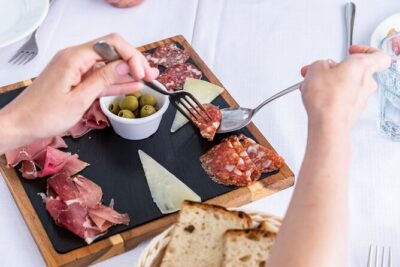
I especially like that you’re not stuck in a generic restaurant rhythm—you shop, learn, and cook at a local pace with the guide Massimo. Second, the food stays clearly Venetian: cheese, salami, marmalades, and the kind of pasta sauces where spices like saffron or cumin aren’t an afterthought.
One possible drawback: it’s not suitable for celiacs, so if you need gluten-free for medical reasons, plan carefully. Also, the experience depends on good weather, and like most small-group Venice activities, the walking pace through narrow streets can add up.
In This Review
- Key takeaways before you go
- Starting at Campo San Giacomo di Rialto: your meeting point and first vibe check
- Rialto’s Mercati di Rialto market stop: ingredients, spices, and how you learn to choose
- Cooking in an ancient Venetian house: why “at home” changes everything
- Venice spice lessons you can actually use: saffron, cumin, fennel, turmeric, cloves
- Fresh pasta with pesto (and seafood): hands-on in short, focused steps
- The three-course lunch: what you’ll eat, how wine fits in, and what to expect from the pace
- Price and value: is $108.43 per person a good deal in Venice?
- Who this class suits best (and who should rethink it)
- Quick planning tips so your day stays smooth
- Should you book Ancient Venice and Its Spices?
- FAQ
- How long is the Ancient Venice and Its Spices cooking class?
- What’s included in the price?
- Where does the experience start?
- Is the tour suitable for people with celiac disease?
- Can they accommodate food allergies or restrictions?
- What group size should I expect?
Key takeaways before you go
- Rialto market time first: you gather ingredients at the source area before cooking
- Cooking in a real home: an ancient Venetian house setting, not a demo kitchen
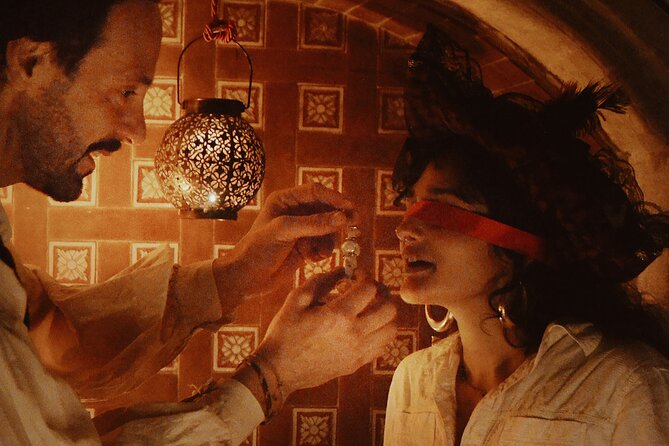
- Spice lessons baked into each dish: saffron, cumin, fennel, turmeric, cloves, plus citrus
- Hands-on pasta + focaccia: you help make fresh pasta and eat a focaccia course
- Unlimited homemade wine: and a sit-down meal with multiple courses
- Small-group size: max 20 people means less chaos and more Q&A time
Starting at Campo San Giacomo di Rialto: your meeting point and first vibe check
Your day begins at Campo San Giacomo di Rialto. That location matters because it puts you close to Rialto without turning the start into a long transfer. Meeting here also helps you get your bearings fast—Venice feels simpler when you’re already in the right neighborhood.
Plan on comfortable shoes. Even with a short tour length (about 3 hours 30 minutes), you’ll be moving through streets and market areas where cobblestones and crowds can slow you down. If you have mobility issues, you may find this style of walking harder than a bus-and-brief-stop tour.
You’ll also want to arrive with a small appetite. You’re not just sampling bites; you’re building a meal through cooking and then eating a full lunch.
You can also read our reviews of more tours and experiences in Venice.
Rialto’s Mercati di Rialto market stop: ingredients, spices, and how you learn to choose
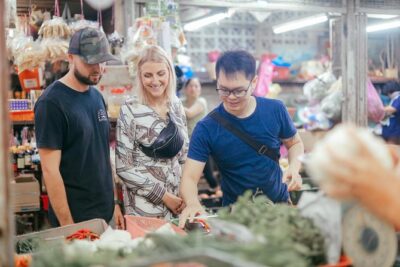
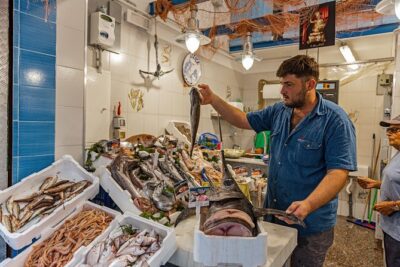
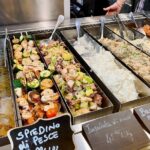
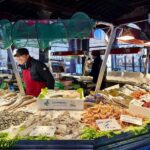
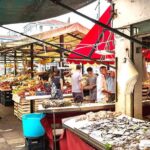
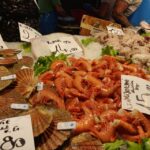
The tour’s first food step is the market area at Mercati di Rialto. This isn’t just shopping for the sake of it. The point is that you learn what makes Venetian cooking taste like itself: fresh produce, regional dairy products, and the pantry items that show up again and again on menus here.
From the menu examples, you’ll see the market influence right away. You may start with fresh salads featuring cumin and fennel, and even edible flowers—pretty, yes, but also practical, since they come from the fresh supply chain rather than a fancy restaurant garnish.
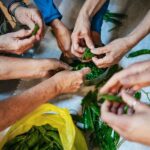
The best part is the spice context. Massimo’s angle is that Venice wasn’t only a place to eat—it was also a crossroads for spices. That gives your tasting and cooking a story you can use, so when you later taste something like mandarin marmalade with chili and saffron, it doesn’t feel random. It feels like a choice.
If you’re picky, this format still helps. Market shopping forces small decisions (what cheese, what aroma, what ingredient fits your sauce), and those choices are exactly what you’d want to understand if you ever try to recreate the meal at home.
Cooking in an ancient Venetian house: why “at home” changes everything
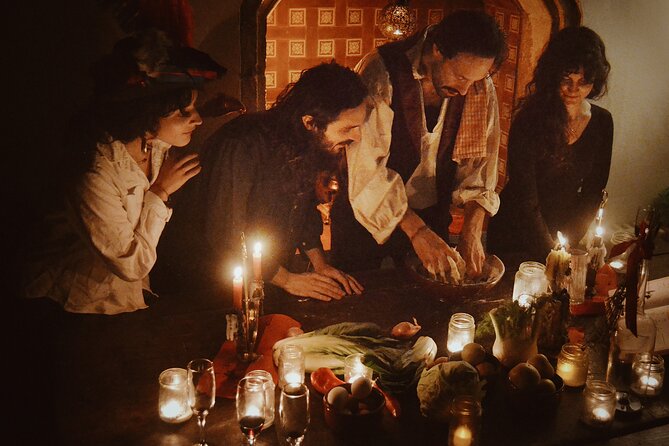
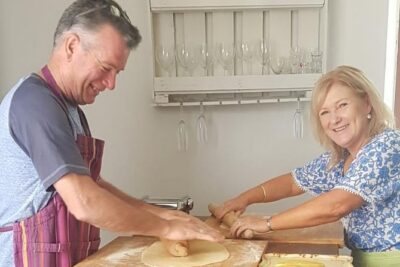
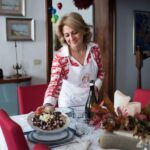
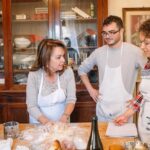
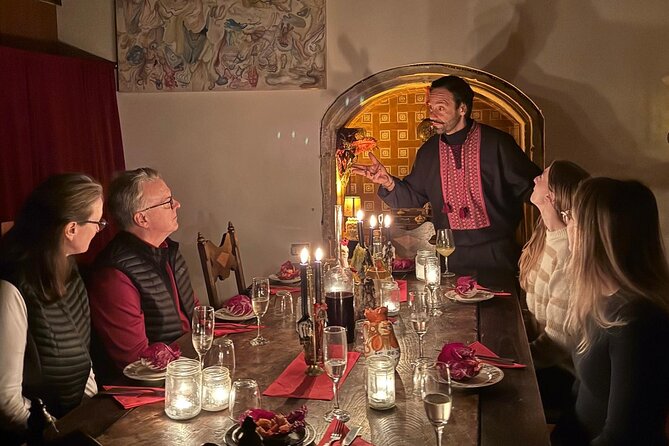
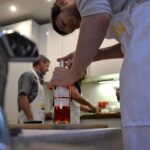
After the market stop, you head to cook in an ancient Venetian house. This is one of the biggest value points. When cooking happens in a real home setting, you get more than technique—you get the atmosphere that shapes the food.
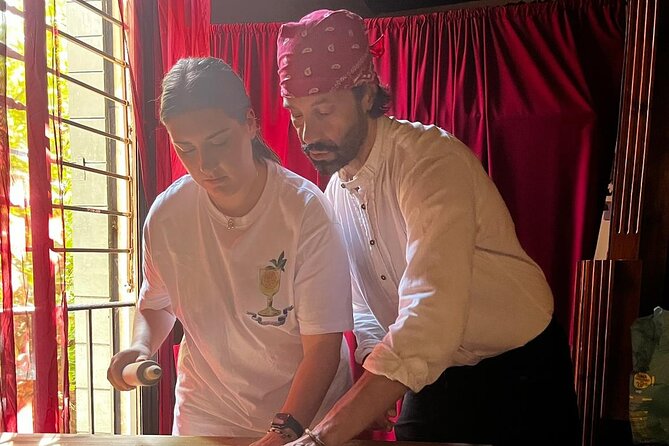
You’re also not stuck in a lecture-only experience. The class is designed so you cook. That matters because your brain remembers flavors better when you’ve handled the ingredients and watched the process happen in close detail.
You’ll likely start with simple food steps like focaccia “alla Nona”, then move into handmade pasta. The “at home” setting also tends to make conversation easier. You can ask questions naturally while chopping, mixing, and tasting—especially since the group is limited to 20 travelers.
One more practical upside: cooking in a home usually means portions feel more generous in the meal itself. You’re not just consuming what’s convenient for a show. You’re building the lunch you’ll then sit down to enjoy.
Venice spice lessons you can actually use: saffron, cumin, fennel, turmeric, cloves
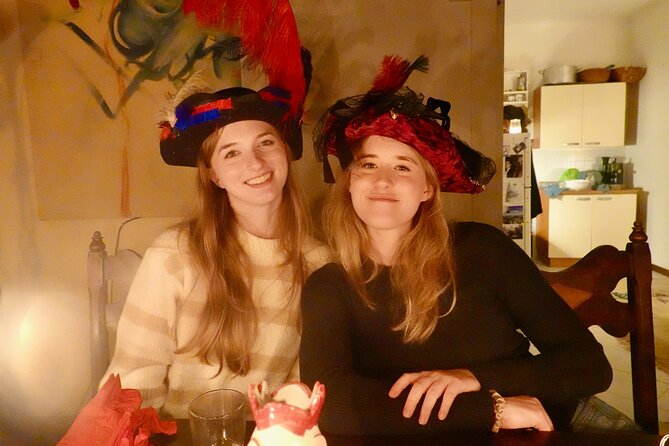
This experience keeps spices in the spotlight, and not in a gimmicky way. The tour’s sample dishes explicitly reference saffron and cumin, plus other spices such as nutmeg, turmeric, and cloves. You’ll also hear how Venice’s position in trade routes shaped what ended up in local kitchens.
The practical takeaway is how spices work as structure, not decoration. For example, cumin and fennel show up together in the starter approach. That’s a classic idea: aromatic seeds and herbs create a backbone flavor that still feels light when paired with fresh salad elements.
Then comes the pasta sauce logic. The menu examples suggest the spice plan can vary based on your group’s decisions—meaning you’ll be learning by watching how flavor changes when you choose different ingredients. You might hear talk of combinations like citrus with cloves, or a sauce that relies on seafood aromatics plus spice warmth.
Even dessert can carry spice. The dessert example includes turmeric and lavender with fresh ricotta, honey, figs, and hazelnuts. It’s not just sweetness. It’s a reminder that Venetian flavors can be floral, warm, and aromatic all at once.
If you usually think of spices as “for savory only,” this class nudges you out of that box without making it complicated.
Fresh pasta with pesto (and seafood): hands-on in short, focused steps
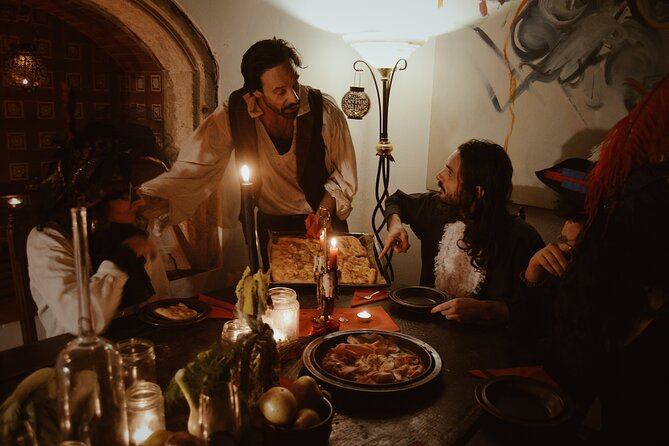
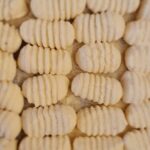
Making fresh pasta in Venice is one of those activities that can either feel magical or awkward. The good news here is the structure supports you. You get a pasta demonstration and then join in to make handmade pasta, guided so you’re not just standing there.
For the sauce, you can expect choices such as pesto—including rucola pesto—or a seafood option. The class can also use spices inside the sauce plan (nutmeg, turmeric, cloves), and you may hear examples that connect the sauce idea to the market ingredients you chose earlier.
There’s a fun detail in the way choices are handled. The menu notes that some sauce direction is decided together, and that discussion can include ingredients like shark mentioned as a local seafood option in the program. Even if you don’t pick something that adventurous, you’re still learning the underlying principle: sauce follows ingredient, and spice follows sauce.
You’ll also eat a second savory course: focaccia made with ancient types of flours, plus rosemary and other flavors. Focaccia here isn’t an “extra snack.” It’s its own course, tied into the idea of food traditions and older grain types.
If you’re new to cooking, that’s a plus. The class has enough steps to teach you, but not so many that you’re exhausted halfway through.

The three-course lunch: what you’ll eat, how wine fits in, and what to expect from the pace
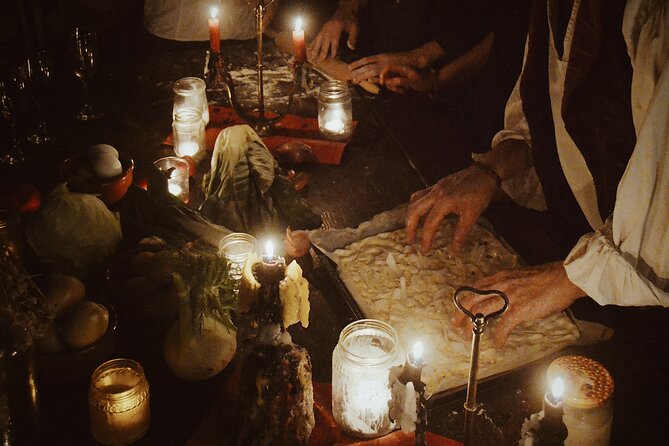
You end with a three-course meal with your group. This is where the tour earns its keep. You don’t just taste a few bites; you sit down and eat what you cooked.
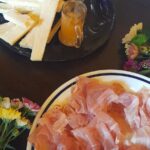
Starter options are described around:
- fresh salads with cumin and fennel
- tasting regional delicacies
- spices and pairings that can include marmalade of mandarin with chili and saffron
- edible flowers as part of the plating and freshness
Main courses include:
- handmade pasta with either rucola pesto or a seafood direction
- spice notes that can include nutmeg, turmeric, and cloves depending on your sauce plan
- a focaccia course made with ancient flours and rosemary
Dessert is built from:
- fresh ricotta with honey
- figs and hazelnuts
- and spice/floral notes like turmeric and lavender
Wine is part of the meal too. The experience includes unlimited homemade wine, which means you can slow down during the sit-down portion instead of rationing drinks. This also helps the conversation flow, especially if you’re interested in how Venetians talk about food while they eat it.
One small caution: this is an alcohol-included meal. If you prefer to keep it light, you’ll still have plenty of food and learning without needing to go heavy.
Price and value: is $108.43 per person a good deal in Venice?
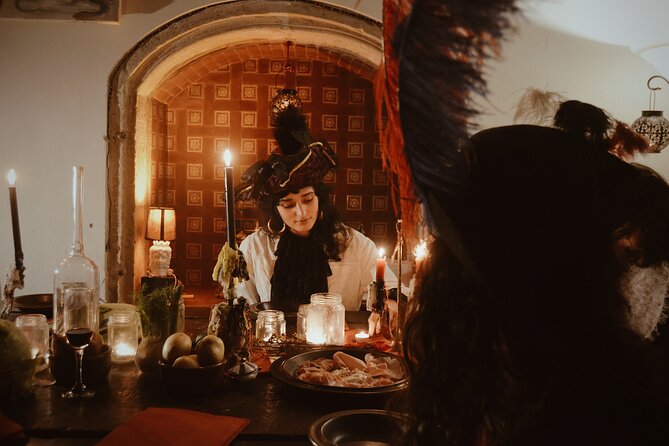
At $108.43 per person for about 3 hours 30 minutes, you’re paying for more than a meal. You’re paying for:
- market ingredient access at Mercati di Rialto
- a small-group cooking class
- cooking inside an ancient Venetian house
- lunch across multiple courses
- unlimited homemade wine
- allergy/restriction handling with customized menus
That’s why the price can feel fair. In Venice, eating well can easily consume a big chunk of your day and money with no education behind it. Here, you get a guided process—shopping, cooking, and eating—so you leave with transferable flavor knowledge.
Also, the cap of 20 people helps. Small groups tend to mean you get more time to ask questions and actually participate, which is what you want if you’re paying for a hands-on class.
The value drops only if your expectations are mismatched. If you want a pure sightseeing day with minimal kitchen time, this is probably not the best fit. If you want a food-focused morning that ends with a real lunch, it’s strong value.
Who this class suits best (and who should rethink it)
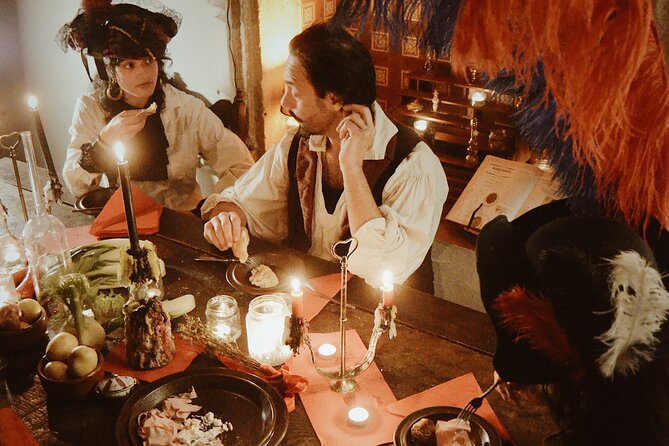
I think this works best for people who like food and want more than a restaurant meal. If you’re curious about why Venetian flavors taste the way they do—especially spices like saffron and cumin—you’ll get something usable.
It’s also great for couples or small groups who want a different Venice day. The class can even be small-group or private, so you may find it more intimate than you expect.
If you’re dealing with dietary limits, there’s a good sign in the setup: the menu can be customized for allergies or restrictions. But there’s a clear limit: it’s not suitable for celiacs, so gluten-free for celiac disease won’t work here.
One more practical fit check: if you hate walking and standing in busy areas, Venice markets and streets may feel uncomfortable. The time is only half a day, but movement is part of the experience.
Quick planning tips so your day stays smooth
Here are the practical things I’d plan for before you go:
- Wear shoes you trust on cobblestones.
- Have an appetite. You’ll be eating a full lunch with multiple courses.
- If you have a restriction (not celiac), flag it when booking so the menu can be adjusted.
- For the best experience, aim for calmer weather—this activity requires good weather.
Since the experience includes walking between the meeting area and the cooking location, you’ll likely want to travel light. Leave bulky bags behind when you can.
Should you book Ancient Venice and Its Spices?
I’d book this if you want a Venice food experience that feels lived-in. The combination of Rialto market sourcing, cooking in an ancient Venetian home, and a sit-down three-course lunch with homemade unlimited wine is exactly the kind of activity that makes a short trip feel richer.
Skip it if you need a celiac-safe gluten-free option, or if you want minimal walking and zero kitchen time. Also, if spice cooking doesn’t interest you at all, you might find the lesson portion a bit more central than you prefer.
If you do like flavor learning—how spices shape sauces and how simple ingredients become a meal—you’ll likely love how quickly the class turns into a story you can taste.
FAQ
How long is the Ancient Venice and Its Spices cooking class?
It lasts about 3 hours 30 minutes.
What’s included in the price?
Lunch is included, along with the guide, cooking in an ancient Venetian house, and unlimited homemade wine. A market tour is included if that option is selected.
Where does the experience start?
It starts at Campo San Giacomo di Rialto, 30125 Venezia VE, Italy, and ends back at the meeting point.
Is the tour suitable for people with celiac disease?
No. It is not suitable for celiacs.
Can they accommodate food allergies or restrictions?
Yes. The menu can be customized for allergies or restrictions.
What group size should I expect?
There is a maximum of 20 travelers.