REVIEW · PADUA
Small Group Market tour and Cooking class in Padua
Book on Viator →Operated by Cesarine: Cooking Class · Bookable on Viator
Pasta plus a market is a sweet combo. This 5-hour Padua experience pairs a real food shopping walk with a hands-on class in a local home—so you’re not just watching cooking, you’re actually doing it. You’ll start with market stops (the kind with real locals choosing cheese and produce), then finish by eating what you made.
What I like most is how the day stays tied to ingredients rather than recipes on a page. You typically shop for seasonal items at spots like Piazza Erbe, and that matters because the pasta dough, fillings, and sauces feel more Italian when they start with what’s fresh right now.
One consideration: logistics and language can be uneven from host to host. Some guests reported meeting-point confusion and that the host spoke little English, which can be tough if you’re relying on translation apps while also trying to keep up in a kitchen.
In This Review
- Key things to know before you go
- Why a Padua Market + Home Cooking Class Works
- Piazza Erbe Market: What You’ll Be Doing First
- Shopping for seasonal ingredients (and how to shop with confidence)
- Back at the home kitchen: what you’ll actually learn
- When the group is bigger than the kitchen
- Homemade pasta: Bigoli and the payoff of doing it yourself
- Tiramisu: how the dessert fits after pasta work
- The meal at the table: tasting what you cooked
- Price and value: is $179.24 worth it?
- Language, small group size, and comfort tips that matter
- Who this tour fits best (and who might skip)
- Should you book this Padua market cooking class?
- FAQ
- How long is the small group market tour and cooking class in Padua?
- How much does it cost per person?
- Is this experience small group?
- What language is the experience offered in?
- What will we be cooking and eating?
- Where does the tour start and end?
- Is there a phone ticket and when do I receive confirmation?
- Can I cancel for a full refund?
Key things to know before you go
- Market time at Piazza Erbe (often): outside produce stalls plus indoor meat and cheese areas, with context as you walk.
- Small group, max 12: enough to keep it personal, even though a home kitchen can still be tight.
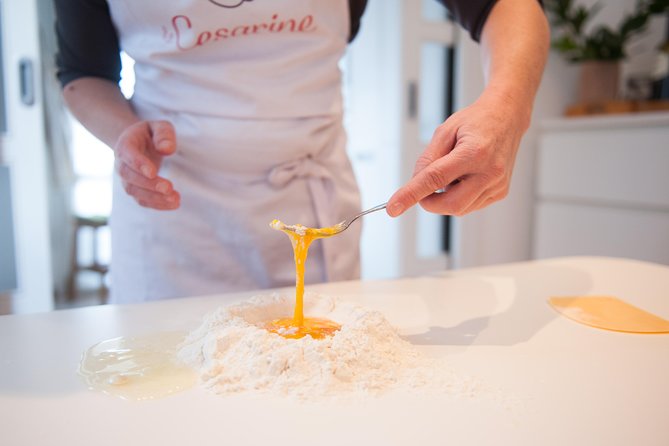
- Hands-on pasta with seasonal ingredients: you’ll make a pasta dish as your main course, not just assemble.
- Dessert is the classic: tiramisu is typically on the menu after the pasta work.
- You eat at the end: the meal is part of the experience, not a separate add-on.
- Hosts vary: positive experiences often mention Catia; a few negative ones mention David, with different communication styles.
Why a Padua Market + Home Cooking Class Works
Padua has a way of making food feel practical. Instead of treating cooking like a show, this format treats it like daily life: buy what’s good, use what’s in season, then cook together. For you, that’s the shortcut to better flavor and a better story to take home.
The best part is the combination. A market tour alone can be interesting, but it stays abstract. A cooking class alone can be fun, but it can feel detached from local life. Put the two together, and everything clicks: you learn why an ingredient matters, then you use it in the dish.
Piazza Erbe Market: What You’ll Be Doing First
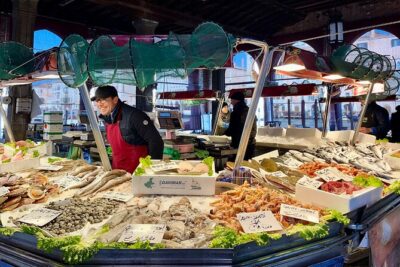
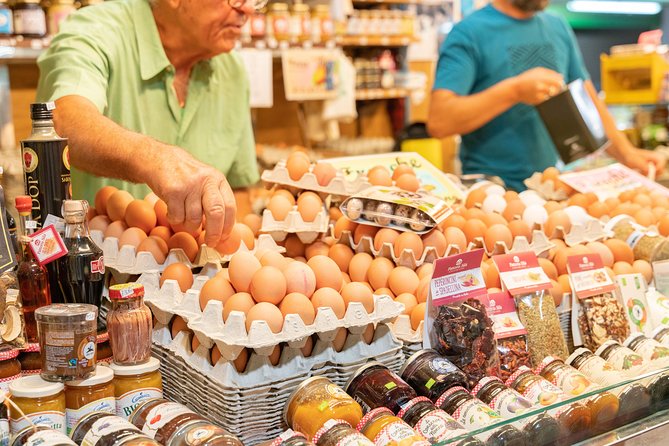
Your day often begins in central Padua around Piazza Erbe, a place known for both open-air produce and indoor food shopping. Expect to spend time looking closely at ingredients, not just drifting past stalls. This is where you’ll pick up the habits that make Italian cooking taste right: choosing ripe items, noticing how locals talk about quality, and understanding how different shops stock different things.
A recurring plus from past cooking days: the host didn’t just point at food. They explained what you were seeing and offered context about the buildings around the square. You don’t need a lecture to enjoy that, but it helps you place what you’re eating in the city you’re standing in.
Small note for your schedule: if your meeting starts late, markets can close. One guest had that exact problem and ended up missing the market, so treat the meeting time like it’s part of the cooking process, because it is.
Shopping for seasonal ingredients (and how to shop with confidence)
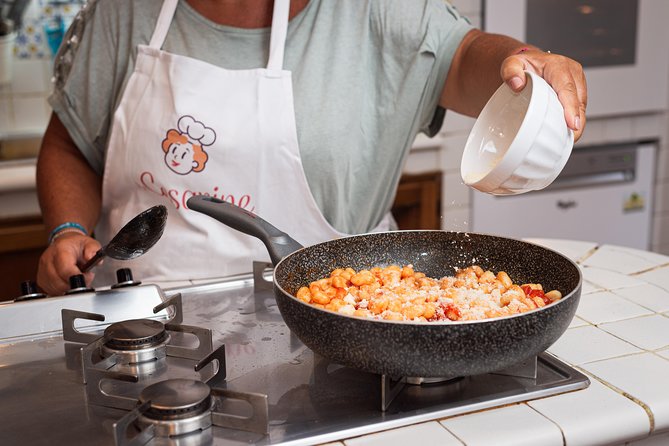
This experience is built around seasonal ingredients, and that’s more than a marketing line. Seasonal shopping changes the pasta sauce feel, the sweetness of produce, and the overall balance of the meal. Even if you know Italian cooking basics, shopping with a host helps you see what Italians prioritize on a given day.
Here’s how to shop smart on a market walk like this:
- Ask what makes an ingredient good today, not just where it comes from.
- Taste when possible (some stalls allow it), and pay attention to texture and smell.
- If you’re paired with other guests, don’t let the group rush the host. Slower questions often lead to better choices.
In some past sessions, hosts also mentioned regional differences in Italian food. That’s useful because it explains why this isn’t one-size-fits-all Italy. Padua sits in the orbit of Venetian traditions, and your dishes reflect that.
Back at the home kitchen: what you’ll actually learn
The cooking part happens in a private home, and that’s a big part of the charm. You’ll work in a real kitchen, not a studio. That also means the space can be tight, and the teaching style may shift depending on the group and the kitchen setup.
Many positive experiences highlight learning traditional techniques for fresh pasta dough—especially kneading and getting the consistency right. In several accounts, the pasta was bigoli, a Venetian-style pasta that’s often made with a specific texture and method. You can learn the feel of it: when the dough looks smooth enough, when it needs more work, and how to handle it without tearing.
If you want a practical takeaway: focus on the hands-on steps. The best “how-to” moments aren’t the ingredients—they’re the kneading cues, the rolling or shaping rhythm, and the timing between dough prep and sauce.
When the group is bigger than the kitchen
A few less-smooth days included a practical issue: the kitchen could only comfortably hold part of the group. If your group size is near the maximum, you might find that some people wait while others work more directly. It’s not the end of the experience, but it’s good to know so you can stay patient and still enjoy the lesson.
Homemade pasta: Bigoli and the payoff of doing it yourself
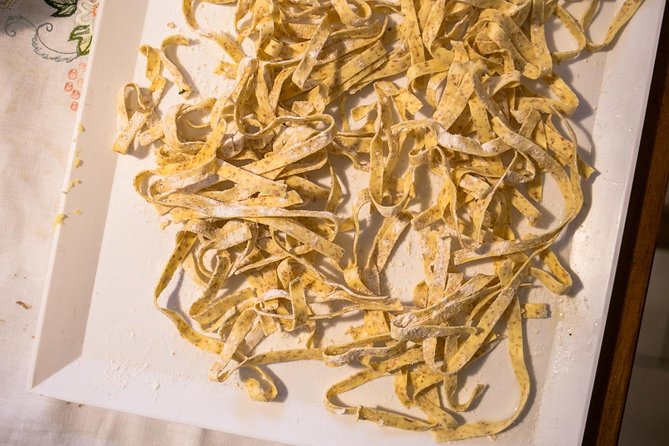
Your main course is pasta, and the hands-on style is where the value really lands. When you make the dough and shape the pasta, you understand why Italians talk about texture so much. Fresh pasta has a short window where it tastes at its best, and you’ll learn how to time steps so it doesn’t turn rubbery.
Some hosts made bigoli pasta using an heirloom pasta maker, which adds another layer: you get to see equipment and process that feel traditional rather than standardized. Even if you don’t buy a machine yourself, watching and working with the tool helps you understand the final bite.
Then comes the sauce logic. One guest noted that sauce preparation may include parts that are pre-made, while the pasta and core steps happen live. That’s not automatically a problem. In fact, it can keep the class flowing so you spend your energy on the parts that need teaching.
Tiramisu: how the dessert fits after pasta work
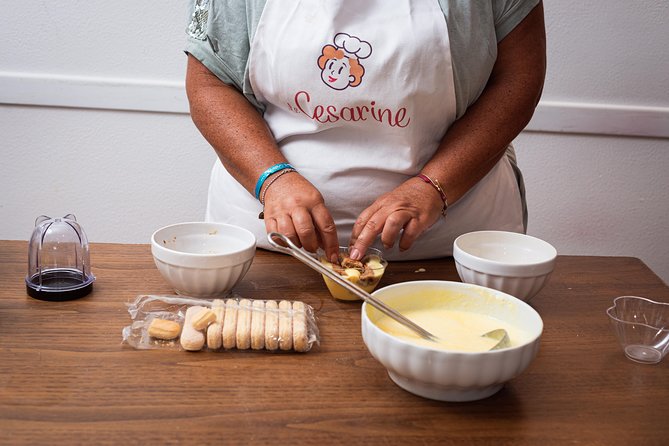
Dessert is typically tiramisu, and it’s a smart choice for this kind of class. It’s familiar enough to enjoy instantly, but the process still requires technique—timing, texture, and assembly so it sets properly.
What I like about doing tiramisu after pasta is the pacing. Pasta work can be hands-on and physical; tiramisu shifts you into something more attentive. You’re still doing real steps, but you’re not fighting flour the whole time.
In better-run sessions, hosts explained how to make and serve it, not just dump ingredients into a bowl. That teaching approach helps you recreate the dessert later, even if you simplify the method at home.
The meal at the table: tasting what you cooked
This tour doesn’t stop at a cooking lesson. You sit down and eat what you made. That’s the part that turns it from a class into a real experience.
In many sessions, the meal is more than pasta and tiramisu. Guests described Venetian-style appetizers like cicchetti (small bites similar to tapas) and sometimes a drink like local Cabernet Franc. Even when the menu focus is on the pasta and dessert, the appetizers help fill the gap and make the day feel like a proper meal with friends.
One of the best value points here is that your food costs are bundled into the experience. You’re paying for instruction, ingredients, and the sit-down tasting, which is hard to replicate at the same price if you tried to do it alone.
Price and value: is $179.24 worth it?
At $179.24 per person for about 5 hours, you’re not paying only for a cookbook-style class. You’re paying for:
- time in a central market area like Piazza Erbe
- market education and ingredient selection
- hands-on instruction for fresh pasta
- dessert production (tiramisu)
- the meal you eat afterward
That’s a lot for one afternoon. If you’re comparing it to a typical dinner out plus a separate cooking class, this format often comes out competitive because it stacks experiences that normally cost more individually. Also, small group size (up to 12) tends to keep it from feeling like a factory line.
That said, value depends on execution. If you get a host who communicates clearly and teaches patiently, it can feel like money well spent. If logistics go sideways, you’ll feel it fast because the market timing and shared schedule are tight.
Language, small group size, and comfort tips that matter
Most listings for this experience are offered in English, but real life isn’t always perfect. Some guests reported that the host spoke little English and had to communicate using a translation phone app. If you’re okay with gestures, patience, and simple phrases, you’ll likely still enjoy it. If you need very detailed English explanations to learn, consider that language can vary.
Small kitchens are another reality of home-based classes. Expect warmth and close quarters. One guest described the apartment as very warm and the kitchen as small enough that only a few people could work at once. You can’t control that, but you can plan:
- wear comfortable clothes you don’t mind getting flour on
- bring a light layer if you run hot
- don’t overpack valuables; you’ll be moving and working
Finally, meeting points matter. Since the address may be kept generic for privacy until after booking, you’ll want to carefully follow the host’s specific instructions. If anything feels unclear, message quickly and double-check the exact pickup spot.
Who this tour fits best (and who might skip)
This is a great fit if you:
- want an authentic food day in Padua, not a checklist of landmarks
- enjoy cooking enough to care about hands-on technique (kneading dough, shaping pasta)
- like meeting locals through their home kitchen and eating together afterward
- want small-group attention instead of a big tour bus vibe
It may be less ideal if you:
- hate tight spaces and long waits while others cook
- need flawless logistics and very polished English coaching
- arrive late or struggle with meeting instructions (market timing is the weak link when things run behind)
If you’re traveling solo, you might also love the personal feel that some hosts create—one guest described a very individual, tailored day when they booked alone.
Should you book this Padua market cooking class?
I’d book it if you want a hands-on day built around real ingredients, fresh pasta, and a proper ending meal. The market-to-kitchen structure is exactly the kind of trip detail that makes memories last. And when the host is well organized (many experiences highlighted Catia’s warmth and teaching style), it can be the highlight of a Padua visit.
If you’re booking during a day when schedules can shift—especially if market hours are tight on your date—be extra strict about being on time and confirming meeting details. Also, if clear English instruction is essential to your enjoyment, know that host communication quality can vary in practice.
FAQ
How long is the small group market tour and cooking class in Padua?
It runs for about 5 hours.
How much does it cost per person?
The price is $179.24 per person.
Is this experience small group?
Yes. It has a maximum of 12 travelers.
What language is the experience offered in?
It is offered in English.
What will we be cooking and eating?
You’ll make a pasta dish using seasonal ingredients, and you’ll also make and eat tiramisu for dessert. The experience includes tasting what you made at the end.
Where does the tour start and end?
It starts in Padua, Province of Padua, Italy, and ends back at the meeting point.
Is there a phone ticket and when do I receive confirmation?
You’ll have a mobile ticket, and you’ll receive confirmation at the time of booking.
Can I cancel for a full refund?
Yes. You can cancel up to 24 hours in advance for a full refund.