REVIEW · NEW DELHI
Kailash Colony Market Tour & Amritsari Cooking Class in New Delhi
Book on Viator →Operated by Traveling Spoon · Bookable on Viator
Spice shopping turns into dinner at home. In this Kailash Colony market tour and Amritsari cooking class, you’ll go with Shivani to pick seasonal ingredients, learn 2–3 North Indian dishes, and then eat what you made in her real Delhi bungalow. I love the hands-on pace and the way the lesson turns cooking into something you can actually repeat at home.
I also like that the experience includes food and beverages (including local beer), so the evening feels complete, not like a stop-and-go class. One consideration: there’s no hotel pickup, so you’ll need to get yourself to the meeting point in Chirag Enclave (Greater Kailash) before the fun starts.
In This Review
- Key things that make this experience work
- Why an Amritsari home-cooking lesson feels different in Delhi
- Kailash Colony market walk: seasonal produce and spice shopping
- Welcome drink, a Delhi bungalow vibe, and included beverages
- The 1-hour cooking lesson: dal makhni, paneer, and rotis
- Dal makhni: slow-cooked comfort, simplified
- Paneer and roti skills: learning by making
- Your best move during class: ask while your hands are busy
- The shared meal: tasting, conversation, and remembering
- Price and value: what $148 buys you (and what it doesn’t)
- Who should book this cooking class in New Delhi
- Practical tips for your day in Chirag Enclave
- Should you book this Kailash Colony Market + Amritsari cooking class?
- FAQ
- How long is the Kailash Colony Market Tour & Amritsari Cooking Class?
- Is lunch or dinner included?
- What does the tour include?
- Do I need to arrange transportation to the meeting point?
- Where does the tour start and end?
- Will I cook and eat the meal?
- What dishes will I learn to cook?
- Is there a vegetarian option?
- Is free cancellation available?
Key things that make this experience work
- Real market shopping in Kailash Colony, including seasonal produce you can actually buy at home markets later
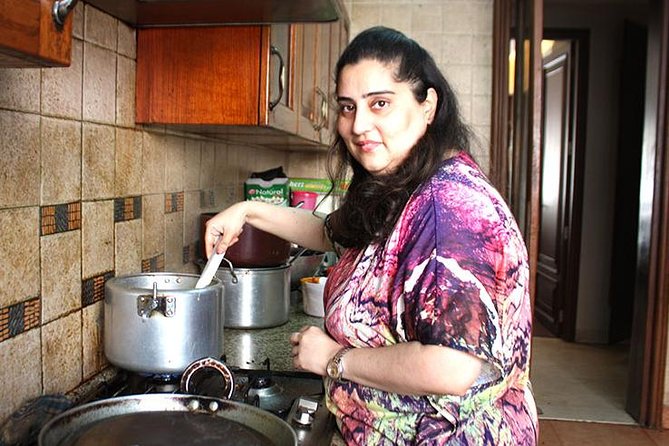
- A home-cooking lesson led by Shivani in a private, intimate setting
- You learn and cook 2–3 dishes, not just watch or taste
- Dal makhni and paneer options may be part of your menu, with roti skills depending on the session
- Beer and other beverages are included, which makes the shared meal feel special
- Lunch or dinner timing gives you flexibility depending on your Delhi schedule
Why an Amritsari home-cooking lesson feels different in Delhi
A lot of food tours in New Delhi are about eating on the street. This one is different: you step into a Delhi home, shop for your ingredients, cook, and then sit down together. That shift matters. It turns you from a spectator into the person making the flavors.
The lesson focuses on Amritsar-style North Indian cooking, taught by an enthusiastic home cook from that region. Expect dishes that lean into comfort flavors—slow-cooked dal, creamy elements, and breads like rotis that build the base for eating. If you’ve ever thought Indian food looks intimidating, this format helps you break it into steps you can follow.
I also appreciate the private, group-only setup. It keeps the experience from feeling rushed or crowded, and it’s easier to ask questions about spices, timing, or substitutions while you cook.
You can also read our reviews of more tours and experiences in New Delhi.


Kailash Colony market walk: seasonal produce and spice shopping
The tour begins in Chirag Enclave, Greater Kailash, then you head out to Kailash Colony Market with Shivani. The goal isn’t just sightseeing. You’re there to understand what’s in season and why those ingredients matter in North Indian cooking.
You’ll learn how seasonal produce changes what’s best to buy—what will taste good now, not just what’s always available. You may also pick up a few ingredients before heading back to the kitchen, which is one of the most practical parts of the whole experience. It’s a shortcut for turning your class into a future dinner plan.
Here’s what I’d watch for during the market portion:
- Spice choices you don’t usually buy: ask what each spice does, not just how it’s used.
- Fresh produce that affects texture: onions, herbs, and other items can change how a dish feels on the tongue.
- Portion thinking: you’ll cook at home afterward, so it helps to learn what amounts actually make sense for a home kitchen.
If you love markets, you’ll likely feel at ease here. The walk is more about learning and shopping than weaving through crowds. And if you’re the type who buys spices but never knows what to do with them, this can give you the missing link.
Welcome drink, a Delhi bungalow vibe, and included beverages
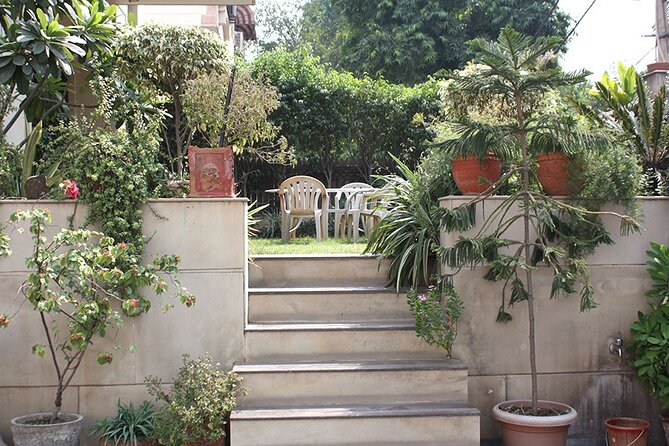
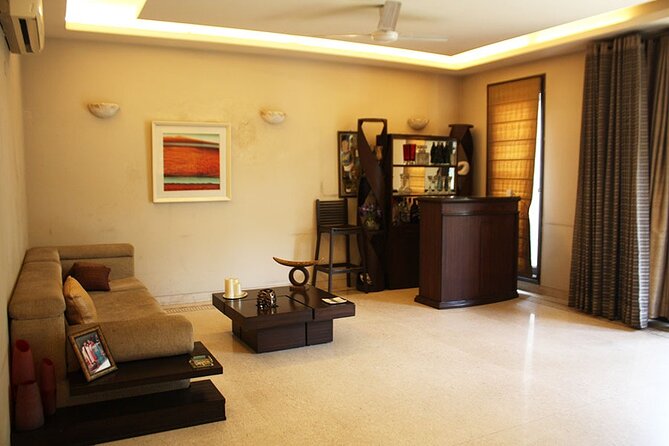
After the market, you return to Shivani’s home. You’ll be welcomed into her bungalow, which keeps the whole evening grounded and real. There’s also a small outdoor seating area where they like to barbecue meats and paneer in winter, so the home setting has a lived-in food culture—not just a staged “class room.”
Before you start cooking, you’ll have a welcome drink. The price also includes beverages, including local beer, which changes the mood in a good way. You’re not waiting around with empty hands or paying extra just to keep the energy up.
Practically, this is also where the evening becomes social. You’ll have a chance to talk with your hostess and get context for what you’re making. In kitchens, that context matters—because it explains why the dish is built the way it is.
The 1-hour cooking lesson: dal makhni, paneer, and rotis
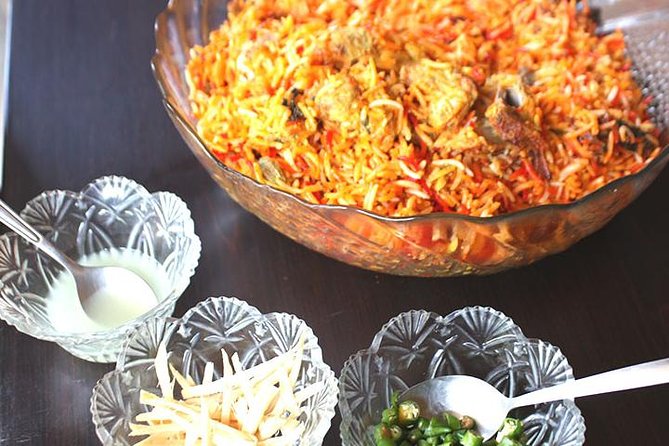
The cooking portion runs for about an hour before you share the meal. This is hands-on time with Shivani, teaching you 2–3 dishes. The menu can vary by session, but dal makhni and items built around paneer or rotis are common possibilities.
Dal makhni: slow-cooked comfort, simplified
One dish you may cook is dal makhni—slow cooked and built with whole black lentils, kidney beans, butter, and cream. The key takeaway for you is that you’re not just learning a recipe. You’re learning a method: how lentils become smooth and rich when you treat them with time and patience.
If you’re a home cook who tends to rush, dal makhni will teach you the value of letting flavors deepen. Even if you don’t cook it exactly the same at home, you’ll understand the rhythm: early cooking for structure, later steps for creaminess, and balancing richness with taste.


Paneer and roti skills: learning by making
Depending on the session, you might cook a dish with paneer (fresh Indian cheese) or focus on rotis (flatbreads). Paneer dishes are useful for home cooks because paneer is forgiving compared with many other proteins. It takes well to sauces and gives you a satisfying bite without complicated prep.
Rotis are the other skill that can change how you eat. Once you understand the dough and the rolling basics, it stops being a mystery and becomes a repeatable technique. Even if rotis aren’t perfect the first try at home, you’ll know what to adjust—thickness, heat, and timing.
Your best move during class: ask while your hands are busy
Cooking lessons work best when you treat them like a conversation. Ask Shivani what’s happening in the pot right then. Ask why a step comes after another step. The class is intimate enough that you’re likely to get clear, direct answers.
The shared meal: tasting, conversation, and remembering
Once you finish cooking, you share the meal you helped prepare. This part is simple but important: it locks learning into memory. You taste the dishes in the same order you cooked them, and you can connect the final result to the decisions you made along the way.
The shared meal also gives you time to talk with your hostess. This is where many people pick up the “invisible” details that recipes don’t always explain—like how different spices taste at different stages, or how to adjust for richness without losing balance.
I also like that this doesn’t feel like a rigid class ending at a timer. You’re eating together, learning by doing, then living with the result for a bit. That’s the kind of education that sticks.
Price and value: what $148 buys you (and what it doesn’t)
At $148 per person for about 3 hours 30 minutes, this isn’t the cheapest food experience in Delhi. But it’s priced like a premium, private, home-based class—and it includes several things that add up fast if you priced them separately.
What you’re getting:
- A private market tour and cooking class with your host Shivani
- Food and beverages, including local beer
- Time for shopping, cooking (about 1 hour), and eating together
- A private, intimate home setting for your group only
What you’re not getting:
- Hotel pickup and drop-off, so you’ll need to budget time and transport to Chirag Enclave
- Any additional purchases beyond what you decide to bring home from the market
So is it worth it? If you want authentic North Indian food learning—where you can actually cook the dishes, not just taste them—it’s strong value. If your goal is only to eat and you don’t care about learning technique, you might feel the price more than the benefit.
One smart way to think about it: this is paying for a guided ingredient journey plus a step-by-step lesson plus a full shared meal. For food lovers who like to replicate results back home, that combination is where the money makes sense.
Who should book this cooking class in New Delhi
This works best if you’re:
- An enthusiastic home cook who wants to learn technique, not just flavor
- A foodie who loves markets and ingredient context
- Traveling solo and wanting a warm, hosted experience in a real home
- Interested in North Indian cooking from Amritsar, including dishes like dal makhni and paneer-based options
You might think twice if you:
- Hate self-navigation and would rather have full logistics handled for you (there’s no pickup)
- Are short on time in Delhi and can’t make room for the full market-to-home flow
- Prefer restaurant meals over cooking, even if the cooking is taught very clearly
Still, the private format and home setting make it feel personal. Even if you’re not confident in Indian cooking yet, the structure helps you keep up.
Practical tips for your day in Chirag Enclave
You start and end at the meeting point in Chirag Enclave, Greater Kailash. There’s no hotel pickup and drop-off, but it’s noted as near public transportation. That matters because it reduces friction once you’ve planned your route.
A few practical pointers:
- Plan to arrive a few minutes early so the welcome drink and market timing stays smooth.
- Bring dietary needs up front. Vegetarian is available, but you need to advise when booking.
- Come hungry and curious. The market walk builds appetite, and the cooking lesson rewards attention.
- If you like taking a piece of the experience home, be ready to buy spices or a small set of ingredients at the market.
Also, since beverages include local beer, you may want to pace yourself if you know you’ll be walking during the market portion. Enjoy it—just keep your energy steady.
Should you book this Kailash Colony Market + Amritsari cooking class?
I’d book it if you want a Delhi food experience that’s more than tasting. The market-to-kitchen flow, the private home setting, and the chance to cook dishes like dal makhni and learn roti or paneer techniques make it feel like real skill-building.
Pass if you’re mainly looking for a quick, low-effort meal, or if you can’t handle navigating to Chirag Enclave on your own. But if you’re the kind of person who likes markets, likes learning, and wants dinner you can actually re-create later, this is a great fit.
FAQ
How long is the Kailash Colony Market Tour & Amritsari Cooking Class?
It runs for about 3 hours 30 minutes.
Is lunch or dinner included?
Lunch or dinner-time options are available.
What does the tour include?
You get a private market tour and cooking class with your host Shivani, plus beverages (including local beer).
Do I need to arrange transportation to the meeting point?
Yes. Hotel pickup and drop-off are not included. The meeting point is in Chirag Enclave, Greater Kailash, and it’s near public transportation.
Where does the tour start and end?
It starts at Chirag Enclave, Greater Kailash, New Delhi, and ends back at the same meeting point.
Will I cook and eat the meal?
Yes. You’ll cook for about 1 hour and then share the meal you helped prepare.
What dishes will I learn to cook?
You’ll learn 2–3 dishes during the cooking lesson. Options may include dal makhni, a paneer dish, and/or rotis.
Is there a vegetarian option?
Yes. You should advise that you want the vegetarian option when booking, and also mention any dietary requirements.
Is free cancellation available?
Yes, you can cancel for free up to 24 hours before the experience start time for a full refund.