REVIEW · NEW DELHI
14 Days Golden Triangle with Wildlife Safari & Heritage Rajasthan
Book on Viator →Operated by Golden Triangle Tours India · Bookable on Viator
Tigers, tombs, and stepwells in one route. I love the door-to-door, air-conditioned transfers and the way private local guides help you move from site to site without wasting time. The one real thing to plan for: monument entrance fees are listed as not included, so you’ll want a ticket budget.
I also like the human side. The booking process has built-in communication, and Mr. Gopal from the operator has been noted for calling to confirm plans—handy when you’re arriving in a new country.
In This Review
- Key highlights at a glance
- Golden Triangle, then real Rajasthan: how this 14-day plan plays
- Private transfers that reduce stress (and why that matters here)
- Day-by-day Delhi: Mughal grandeur plus Old Delhi energy
- Gurdwara Bangla Sahib and Agrasen ki Baoli (Day 1)
- Qutub Minar, Lotus Temple, and the imperial map (Day 2)
- Agra: two Taj Mahal moments and a tight set of Mughal tombs
- First Agra day (Day 3): Taj, Agra Fort, and the “Baby Taj” feel
- Sunrise Taj Mahal + Fatehpur Sikri and Chand Baori (Day 4)
- Ranthambore National Park: two safaris and the practical tiger game
- The safari format and what it means for you (Days 5 and 4/5 timing)
- Jhalana Safari Park on the Jaipur side (Day 6)
- Jaipur: temples, stepwells, palaces, and a safari at dusk
- Galtaji (Monkey Temple) and Birla Mandir (Day 6)
- Jaipur highlights (Day 7): palaces, astronomy, and Hawa Mahal photos
- Udaipur: lake views, city palace collections, and a slower rhythm (Days 8–9)
- Jodhpur and the fort museums: Mehrangarh makes the case (Days 10–11)
- Pushkar and Mandawa: spiritual ghat moments and painted haveli streets (Days 12–13)
- Room setup, breakfasts, and what’s actually included
- Value check: what $835.72 buys you (and what you should budget extra)
- Who should book this tour (and who should consider a lighter version)
- Should you book? My quick decision guide
- FAQ
- Where does the tour start?
- Is this a private tour?
- What vehicle will I ride in?
- Are hotel stays included?
- Is breakfast included?
- Are meals like lunch and dinner included?
- Which safari parks are included?
- Does the Taj Mahal visit include transport to the monument area?
- Are monument entrance fees included?
- What’s the weather or cancellation approach?
Key highlights at a glance
- Private guides all the way through: you get explanations at major landmarks, not just a bus drop.
- Two safari zones: Ranthambore National Park plus Jhalana Safari Park for wildlife time in different settings.
- Taj Mahal twice: a sunset/sightline option is built into Agra days, and you also get a sunrise plan.
- Smart travel pacing: door-to-door transfers reduce stress on long drives like Delhi–Agra and Jaipur–Udaipur.
- Comfort + small logistics wins: bottled mineral water during journeys and a battery bus to the Taj area.
Golden Triangle, then real Rajasthan: how this 14-day plan plays
This tour is built like a good itinerary should be: classic headline sights in Delhi, Agra, and Jaipur, then it keeps going into Rajasthan’s “less shrink-wrapped” corners—Udaipur, Jodhpur, Pushkar, and Mandawa. You get the big icons (Qutub Minar, Taj Mahal, Amber-area Jaipur stops) plus a wildlife thread that actually matters (Ranthambore and Jhalana).
I like that it’s private from start to finish. Your group isn’t fighting for space in a shared tour van, and your guide can slow down or speed up based on what you care about most.
The trade-off is simple: it’s a lot of days on the move, so you’ll get the most from it if you’re okay with travel days that feel busy even when you’re comfortable.
You can also read our reviews of more tours and experiences in New Delhi.



Private transfers that reduce stress (and why that matters here)
The tour advertises door-to-door hotel transfers each day with an air-conditioned private vehicle. That’s not a luxury detail—it’s a major value piece on this route. Long-distance driving is part of the package (Delhi to Agra takes about 4 hours, and later you’ll do other multi-hour transfers), and a good driver + organized pickup keeps the day from turning into constant coordination.
Vehicle size is flexible by group size:
- 4-seater sedan for groups of 1–2
- 6-seater wagon for groups of 3–4
- 10-seater minivan for groups of 5–10
Either way, you keep the private format. You also get bottled mineral water during journeys, which sounds small until you’ve been on the road in warmer weather.
One more practical win: you’re told the tour offers pickup from the airport or hotel, and it starts at Indira Gandhi International Airport (Terminal details aren’t listed, but it’s IGI). That helps if you don’t want to figure out local transport the moment you land.
Day-by-day Delhi: Mughal grandeur plus Old Delhi energy

Delhi opens gently, then ramps up fast. You start with a blend of Sikh heritage, Old Delhi markets, and Mughal-era monuments.
Gurdwara Bangla Sahib and Agrasen ki Baoli (Day 1)
You’ll visit Gurdwara Bangla Sahib, where the story centers on water from the tank and the curing of people during epidemics in the 1660s. It’s a meaningful start because it’s not just a photo stop—it’s a living site with ongoing daily practice.
Then comes Agrasen ki Baoli, a protected stepwell. Stepwells are one of those things India does better than anywhere else: they’re part architecture, part climate solution, part history. This is short on time in the schedule, so if you love quieter corners, show up ready to linger a bit.
Qutub Minar, Lotus Temple, and the imperial map (Day 2)
Day 2 is classic Delhi sightseeing with a strong “big monuments + variety of styles” mix:
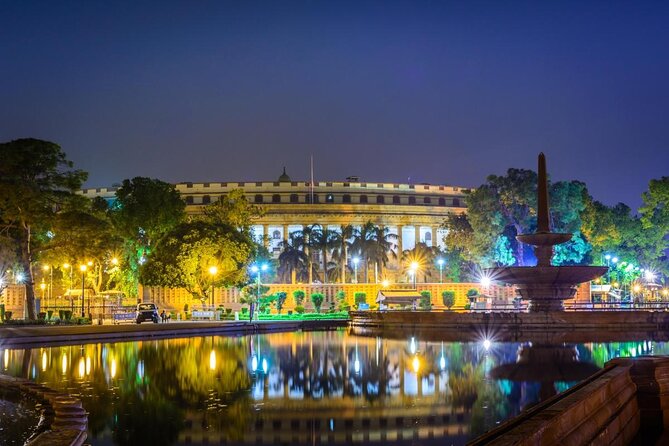
- Qutub Minar (UNESCO): a 73-metre, five-storey tower associated with the early Delhi Sultanate period (constructed by Qutub-ud-din Aibak in 1193, per the tour description).
- Lotus Temple: the flower-like Bahá’í house of worship, open to everyone regardless of religion.
- India Gate: a war memorial and popular picnic area.
- Jama Masjid and Humayun’s Tomb: both Mughal-era scale and detail, with Humayun’s Tomb offering the grand mausoleum experience.
You also get Chandni Chowk, which is where Delhi becomes real-world busy: spices, dried fruits, silver jewelry, saris, and tight market lanes. This is where your guide’s context matters, because the chaos looks like chaos until someone explains what you’re actually seeing.
A key drawback to consider: Delhi days are packed, and even with private guiding, your energy can run down if you’re not a museum-and-walk type. If you prefer one big site per day, you may need to consciously pace yourself in Old Delhi.



Agra: two Taj Mahal moments and a tight set of Mughal tombs

Agra is where the itinerary earns its reputation. You go beyond one Taj visit and stack several related Mughal landmarks.
First Agra day (Day 3): Taj, Agra Fort, and the “Baby Taj” feel
After the Delhi-to-Agra drive (about 222 km and around 4 hours, as stated), you check in and then hit:
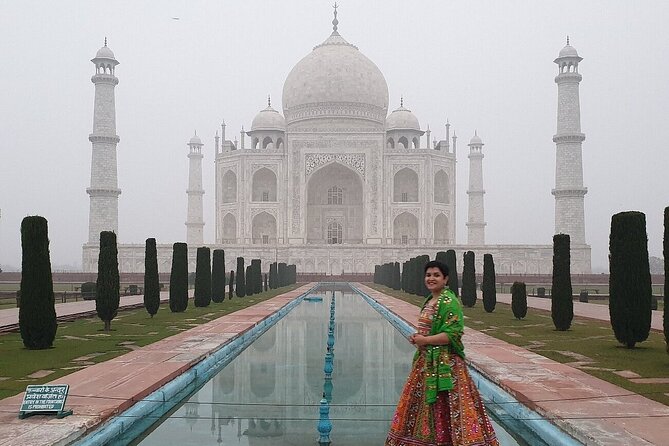
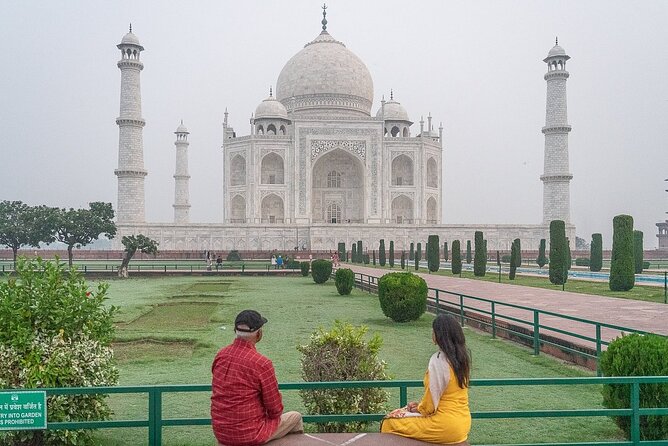
- Taj Mahal: described as the ivory-white marble mausoleum built in 1632 by Shah Jahan for Mumtaz Mahal.
- Agra Fort: a UNESCO site tied to multiple Mughal rulers.
- Itmad-ud-Daula: often nicknamed the Baby Taj, a “jewel box” style mausoleum.
- Mehtab Bagh: a garden across the Yamuna for sunset views and the Taj viewing axis.
This is a good mix because it gives you both the headline and the “why it’s famous” context. Taj Mahal is the star, but Itmad-ud-Daula helps you understand the craft and evolution of Mughal tomb architecture.
Sunrise Taj Mahal + Fatehpur Sikri and Chand Baori (Day 4)
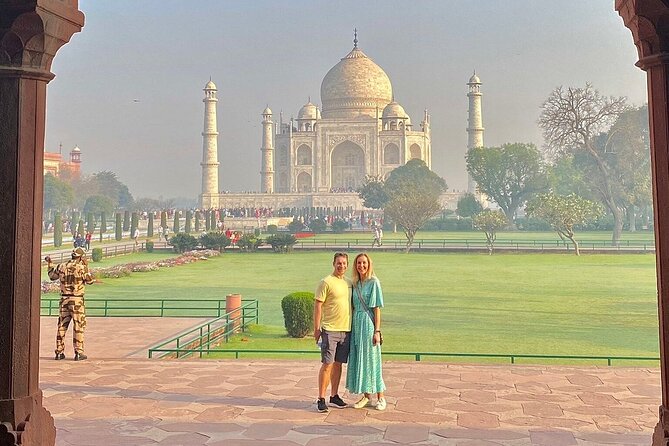
Day 4 is designed for a big payoff: watch the sunrise over the Taj Mahal, then tour inside for about two hours with a guide. Sunrise is one of those choices that can make or break the experience. It’s early, but the light can make the marble look different, and the whole site feels less crowded.
After that, you shift gears to Rajasthan’s heritage classics:
- Fatehpur Sikri: the City of Victory, built under Akbar and once the Mughal capital for about a decade.
- Chand Baori: a famous stepwell at Abhaneri, noted as about 30 metres into the ground.
The big consideration here is logistics fatigue. You’re stacking long drives and multiple sites in one day. The private driver helps, but you’ll still want comfortable shoes and water ready.
Ranthambore National Park: two safaris and the practical tiger game
Ranthambore is the wildlife anchor of this trip. You arrive, check in, then the next day you run two safari slots.
The safari format and what it means for you (Days 5 and 4/5 timing)
The package states Ranthambore Safari Park entrance with canter or jeep options. Safaris are included twice (morning and evening), each listed as about 3 hours.
Here’s what you can plan for from the structure:
- You’ll spend enough time in the park for spotting to be realistic.
- You’re not relying on just one outing—so if visibility or luck isn’t great at one time, you have a second chance.
What you should keep in mind: wildlife viewing is never guaranteed on a calendar. You’re going for the opportunity, and the “two rides” setup is the best way the itinerary improves your odds without pretending you control nature.
Jhalana Safari Park on the Jaipur side (Day 6)
Later, you also visit Jhalana Safari Park (also included). That’s helpful because it spreads your wildlife time across the trip rather than concentrating everything in one place. Different parks, different habitats, different lighting and mood—so even if animal sightings vary, the experiences don’t feel repetitive.
Jaipur: temples, stepwells, palaces, and a safari at dusk
Jaipur days are where heritage details start stacking up. You’ll see why the city is more than just forts in a postcard frame.
Galtaji (Monkey Temple) and Birla Mandir (Day 6)
You’ll visit Galtaji Temple, also known as the Abode of Monkeys. The tour description calls out three sacred pools of water and a complex structure.
Then Birla Mandir adds a different vibe: it’s set on elevated ground at the base of Moti Dungri. It’s listed with free admission, and it’s a good breather spot before the more intense palace-and-fort portions.
That evening, you head into Jhalana Safari Park for the wildlife time. Doing a safari late in the day is smart. The light changes, and animal activity can shift, so the timing can influence what you see.
Jaipur highlights (Day 7): palaces, astronomy, and Hawa Mahal photos
Day 7 is a “big-city greatest hits” day:
- Panna Meena ka Kund: a stepwell stop, short but visually striking.
- City Palace: the schedule includes an exploration of palaces, squares, and monuments, plus time at Maharaja’s City Palace (listed as about an hour later in the day). This is one of the biggest cultural centers in Jaipur, not just an exterior viewpoint.
- Jal Mahal: a photo stop at the palace on Man Sagar Lake.
- Jantar Mantar (UNESCO): a site of nineteen astronomical instruments, built in 1734 under Sawai Jai Singh II.
- Hawa Mahal: the Palace of Breeze is a signature five-storey facade, built in pink and red sandstone tones.
A practical note: this day is full. Even if many stops are short, you’re constantly moving. If you’re the type who likes to read every plaque, you might feel rushed. If you’re more about the big visual moments, you’ll likely love it.
Udaipur: lake views, city palace collections, and a slower rhythm (Days 8–9)
After Jaipur, you drive to Udaipur early (about 8 hours, per the schedule) and check in. The tour gives you time for local markets and dinner at a restaurant of your choice, which I think is a smart way to let the city soak in without forcing you into another clockwork sightseeing block.
On Day 9, the focus tightens:
- Lake Pichola: a boating option around the lake, with stops/views toward Jagmandir Palace island.
- Udaipur City Palace: time to see collections described as weapons, guns, sedan chairs, tiger cages, and pictures.
- Jagdish Temple: Indo-Aryan style, located within the City Palace complex.
- Bagore Ki Haveli Museum: listed as a guided stop with private transportation, with the schedule noting you can skip if you don’t want to visit.
That last part matters. Having an optional stop gives you control when your feet or attention are done. If you love architecture and museum pacing, don’t skip it. If you want to trade time for lake views, use the skip option.
Jodhpur and the fort museums: Mehrangarh makes the case (Days 10–11)
Jodhpur starts with a morning drive (listed as about 6 hours), then you get blue city exploration and Clock Tower Market time.
Day 11 is the fort-and-palace museum lineup:
- Mehrangarh Fort: described as a former palace now turned museum, with weapons, paintings, and royal palanquins.
- Umaid Bhawan Museum: noted as part of a massive private residence; the tour description calls out dun-colored (golden-yellow) sandstone.
- Jaswant Thada: a marble cenotaph mausoleum for Marwar kings.
- Bishnoi village excursion: specifically called out as highly recommended and popular, with a few hours for local experience and later return to the hotel.
If you like cultural context more than just architecture, the Bishnoi day can be the highlight because it shifts from royal monuments to daily-life culture.
One consideration: this stretch is very “indoor museum adjacent.” If you need open-air breaks, build in time for markets and viewpoints even if the itinerary doesn’t spell it out.
Pushkar and Mandawa: spiritual ghat moments and painted haveli streets (Days 12–13)
Pushkar is a reset. You check in and then visit the Brahma Temple, noted as the only one temple dedicated to Brahma in the world (as stated in the tour description). After that, you go to Pushkar Lake at Brahma Ghat for prayer rituals and tribute for the dead souls, described as a key photography and ritual spot.
Then Mandawa adds a different kind of heritage: you check out and drive, then visit Francisco painted havelies and explore the village area in the evening. This is the kind of stop that feels like Rajasthan outside the main highway tour loop.
Room setup, breakfasts, and what’s actually included
If you book the option that includes hotels, the tour lists:
- 13-nights accommodation (twin-sharing is standard)
- Daily breakfast
- Private guides for sightseeing
- Battery bus rides to and from the Taj Mahal parking lot up to the monument area
- Ranthambore and Jhalana safari entrances
- Bottled mineral water during journeys
- A mobile ticket
Room-sharing is practical and worth knowing:
- Rooms are generally twin-sharing
- In a booking of 3 people, rooms default to triple-sharing
- If 3 guests want 2 rooms, there’s an extra charge
Meals aren’t included beyond breakfast. The schedule explicitly says any meals are not included, so you’ll want to plan lunch and dinner budgets. The tour does give you at least one moment where you can pick your own dinner (in Udaipur), which helps.
Value check: what $835.72 buys you (and what you should budget extra)
At $835.72 per person for about 14 days, the value is strongest when you’re actually using the included items: private transport, guides, multiple hotels (if your option includes them), daily breakfast, plus safari entrance fees.
Where you should budget extra:
- Monument entrance fees are listed as not included across the itinerary. That includes major sites like the Taj Mahal (the schedule notes it as not included), Qutub Minar, and others.
- Lunch and dinner aren’t included.
- Tips and personal expenses aren’t included.
Where you should feel good about the price:
- Two safari opportunities are already built in (Ranthambore and Jhalana), and both have entrance included.
- The Taj Mahal area uses a battery bus connection, which reduces hassle and walking in that specific section of the day.
- You’re not splitting time with strangers in a big group—private vehicle + guides keep the schedule workable.
So, this is a good deal for people who want “do it all” without juggling tickets, transport, and explanations every day.
Who should book this tour (and who should consider a lighter version)
This one fits best if you:
- Want the Golden Triangle hits plus extra heritage stops in Rajasthan.
- Prefer private guiding over self-guided rushing.
- Like wildlife enough to plan around safari days (including two Ranthambore slots).
It may not fit if you:
- Have very low tolerance for long driving days and packed schedules.
- Hate paying separate entrance fees on top of the tour price.
- Want a slow travel pace where you choose how long you linger at each site.
If you’re the kind of person who’s happy trading a few early mornings for major moments (sunrise Taj Mahal, for example), you’ll likely enjoy this route.
Should you book? My quick decision guide
Book it if you want a single private plan that covers Delhi-Agra-Jaipur icons, Ranthambore wildlife time, and extra Rajasthan heritage without you coordinating logistics day by day. The combination of private transfers, included safari entrances, and guided sightseeing is what justifies the money.
I’d think twice if entrance fees would be a deal-breaker for you, since monument entry is clearly listed as not included and adds up. Also be honest about your stamina: it’s a full two weeks, even with air-conditioned comfort.
If you’re okay planning for tickets, comfortable walking, and a packed rhythm, this is a strong way to see a lot of India with less friction.
FAQ
Where does the tour start?
It starts at Indira Gandhi International Airport in New Delhi, Delhi 110037, India.
Is this a private tour?
Yes. It’s listed as a private tour/activity, meaning only your group participates.
What vehicle will I ride in?
For groups of 1–2, it’s a 4-seater sedan. For groups of 3–4, it’s a 6-seater wagon. For groups of 5–10, it’s a 10-seater minivan.
Are hotel stays included?
Hotel accommodation is included only if you book the option that includes hotels. The tour description also mentions a daily breakfast with the hotel option.
Is breakfast included?
Yes, daily hotel breakfast is included if you choose the option including hotels.
Are meals like lunch and dinner included?
No. The tour lists any meal as not included.
Which safari parks are included?
Ranthambore National Park safari entrance is included, with canter or jeep. Jhalana Safari Park entrance is also included.
Does the Taj Mahal visit include transport to the monument area?
Yes. The tour includes a battery bus ride to and from the Taj Mahal parking lot up to the Taj Mahal monument.
Are monument entrance fees included?
No. Monument entrance fees are listed as not included.
What’s the weather or cancellation approach?
Free cancellation is available up to 24 hours in advance for a full refund. The tour notes it requires good weather and, if canceled due to poor weather, you’ll be offered a different date or a full refund.