REVIEW · UBUD
Ubud: Balinese Cooking Class, Rice Field & Market Tour
Book on GetYourGuide →Operated by AP Holidays · Bookable on GetYourGuide
One day, three Balinese lessons, and dinner. I love the chance to taste market ingredients up close, then use them later in your cooking. I also like learning Base Gede/Base Rajang, a traditional sauce that becomes the flavor base for many dishes. One consideration: this is an active day with some walking in the sun, so plan for comfortable shoes and heat.
You’ll move between places with hotel transfer included within Ubud, and the pace stays friendly because it’s a small group (up to 6). In my experience, the English-speaking hosts—like Ari and Padma—made the explanations practical, not just ceremonial, so you leave with ideas you can use at home.
In This Review
- Key highlights to look for
- A 5-hour Bali food day that starts at the market
- Traditional market walk: learn ingredients like a local shopper
- Rice fields and the Subak system: where water becomes culture
- Balinese home visit: architecture, family life, and daily rules
- Making a Canang Sari offering: a small craft with big meaning
- Cooking class: how Base Gede/Base Rajang becomes your flavor engine
- Price and value: why $23 can work in Ubud
- Who should book this, and who should not
- Practical tips to make the day easier (and better)
- Should you book this Ubud cooking-and-culture tour?
- FAQ
- FAQ
- How long is the Ubud Balinese Cooking Class, Rice Field & Market Tour?
- What does the tour include?
- Is hotel pickup included if I’m staying outside Ubud?
- Is the market visit included for both morning and afternoon classes?
- What language is the instructor speaking?
- What is the group size?
- What should I bring?
- Is this tour suitable for children?
- What is Base Gede/Base Rajang?
Key highlights to look for
- Traditional market tasting: get hands-on practice with rice, spices, fruit, vegetables, fish, and meat
- Subak rice-field irrigation: learn how the Subak water system supports planting and harvest
- Balinese home basics: understand family-life rules and the architecture concept
- Canang Sari offering: make a daily offering and learn what it symbolizes
- Base Gede/Base Rajang sauce: learn how it’s made and how it anchors many dishes
- Real group-size comfort: a max of 6 means more Q&A during the class
A 5-hour Bali food day that starts at the market
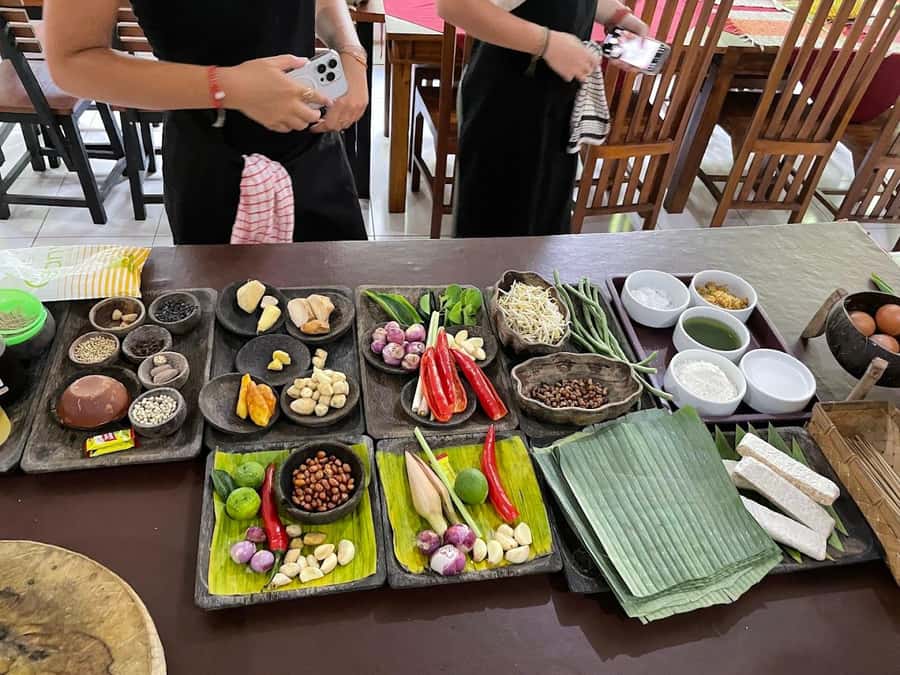
This tour is built like a learning chain. You begin with everyday Balinese life—ingredients, shopping rhythms, and the spices people use every day. Then you connect those foods to the island’s farming system, and finally you finish in a cooking class where you put what you learned to work.
The timing matters because it keeps the day cohesive. In the morning, you get the market visit. For the afternoon option, the market is not included since it closes—so you’ll want to choose your time slot based on whether you care most about seeing and tasting ingredients in the stalls.
Transport is also part of the experience. Hotel transfer is included within Ubud, so you’re not fighting logistics before you even start learning. If your hotel is in a narrow lane where cars can’t reach, you might be taken to a pickup point by scooter—this has happened for at least some participants, and it’s worth keeping in mind for planning your morning.
You can also read our reviews of more tours and experiences in Ubud.
Traditional market walk: learn ingredients like a local shopper
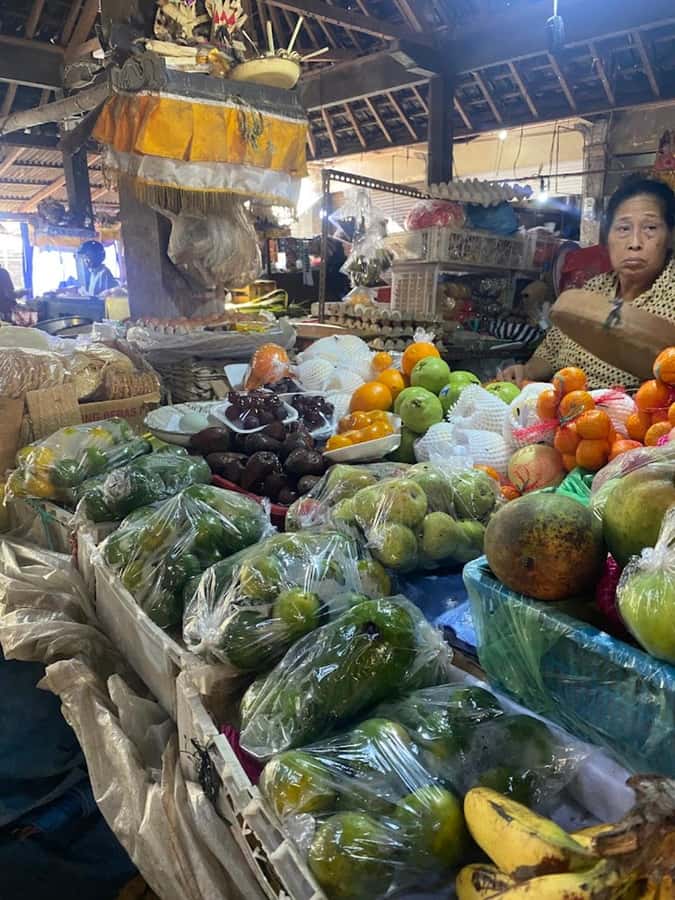
The market stop is not a photo-op stroll. You’ll learn what people actually buy—rice, spices, fruits, vegetables, fish, and meat—and how that shopping connects to daily meals. Your guide explains what each ingredient does in Balinese cooking, so you start thinking beyond taste and toward function.
The most useful part is the tasting. Even if you have cooked before, market tasting helps your brain lock in flavors. It’s one thing to read about a spice; it’s another to taste it right where it’s sold and then hear how it gets used.
Practical note: markets are active places, and you’ll likely be on your feet for parts of the stop. If you’re sensitive to strong smells, humidity, or crowds, go in with calm expectations. Bringing a water bottle and keeping hydrated will make the whole day feel easier.
Rice fields and the Subak system: where water becomes culture
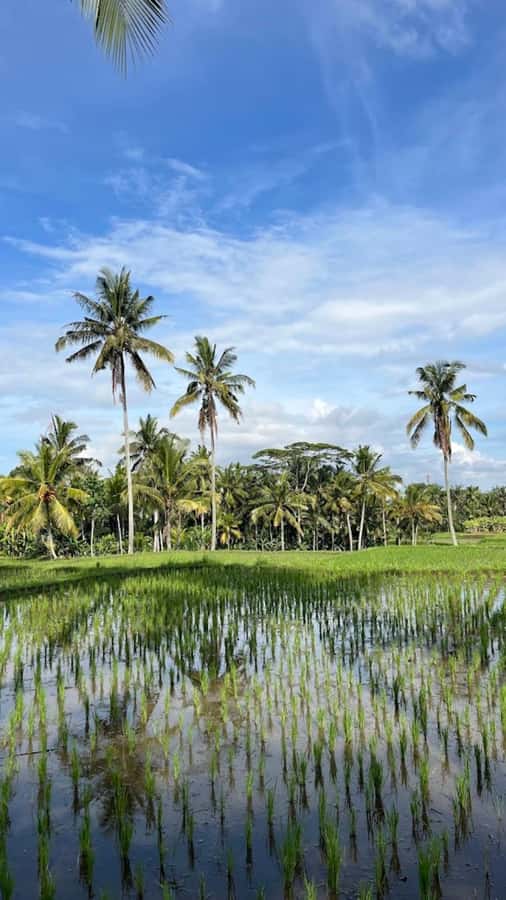
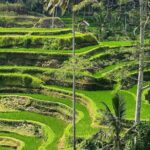
Next comes the rice field visit, and this is where the day turns from food ingredients to how the island runs. You’ll learn about Subak, the traditional Balinese water system that supports rice planting and harvesting. Instead of treating rice as a commodity, you see it as the result of community coordination and careful water management.
In plain terms, the Subak system is about sharing water so rice can grow consistently. That matters because Balinese agriculture is tightly linked to timing, rituals, and community life. You’ll get information on the rice growth process, including planting and harvesting steps, which helps you understand why rice is so central in Balinese kitchens and offerings.
If you’re short on time in Bali and only see a “pretty terrace view,” this stop is more satisfying. You’re learning the mechanism behind the view: water planning, field work, and the rhythms that keep agriculture going.
Balinese home visit: architecture, family life, and daily rules
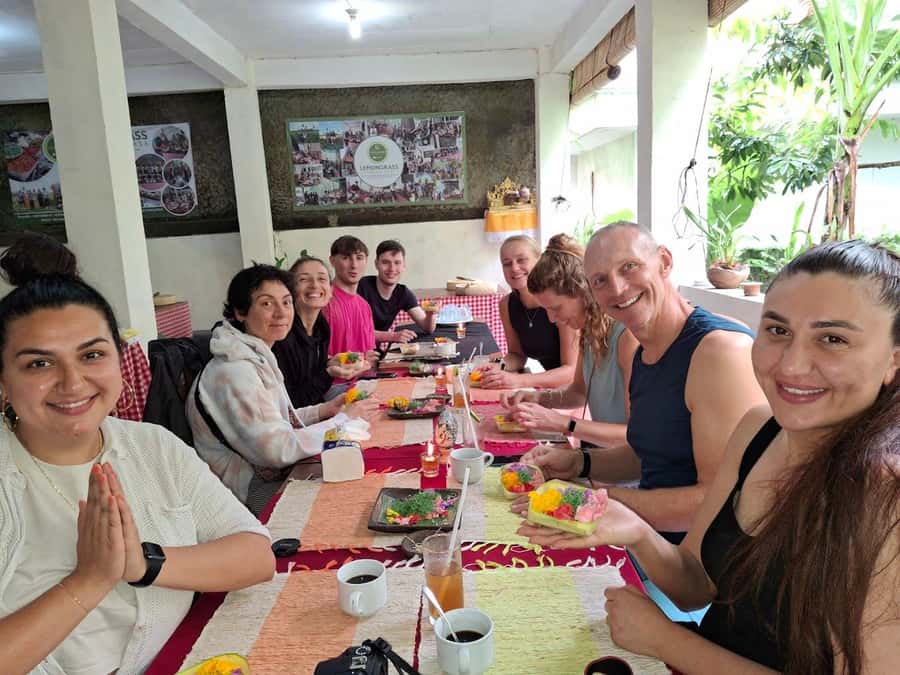
Then you move to a Balinese house and compound-style living area. This isn’t just a quick look at doors and carvings. You’ll learn the architectural concept and the idea of life rules within a traditional family.
Why this matters for your cooking class later: Balinese food and rituals aren’t separate from daily routines. Learning how family life is organized gives you context for why offerings show up so often and why certain practices feel normal rather than “extra.”
You’ll also hear about the philosophy behind Canang Sari, the daily offering made as a symbol of thankfulness to the gods. Even if you’re not religious, the cultural logic makes sense. It’s a way of remembering gratitude in everyday moments.
Making a Canang Sari offering: a small craft with big meaning
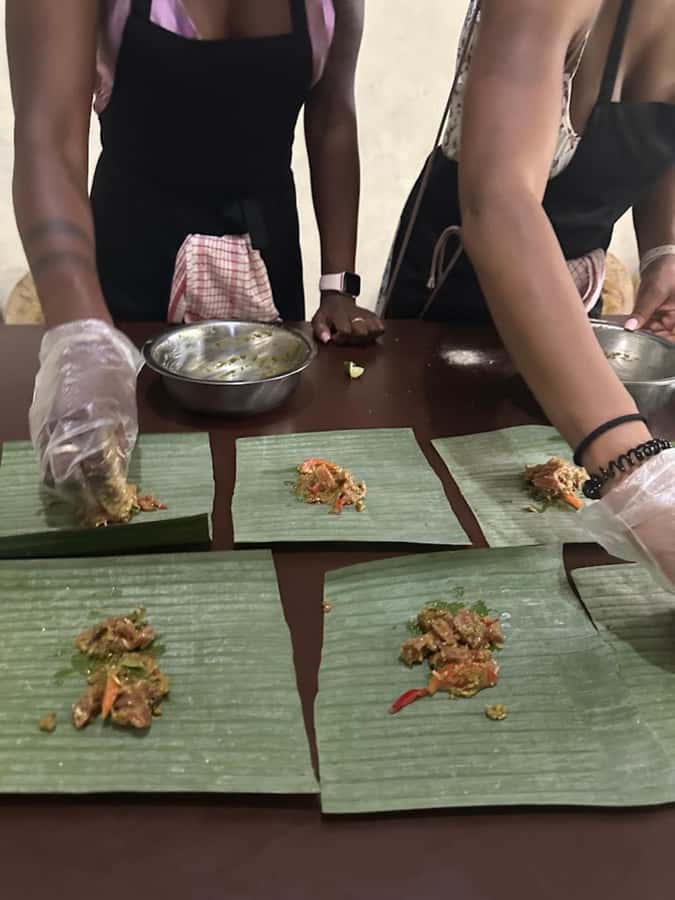
One of the most memorable parts is making an offering yourself. You’ll learn the process and the significance of Canang Sari as part of Balinese daily life.
The practical takeaway: offerings aren’t random decorations. They’re a communication practice—thankfulness expressed in a form that fits Balinese aesthetics and routine. When you make one, you understand how this kind of symbolism becomes normal through repetition.
I like that this part of the day doesn’t feel like a lecture. You get instruction, then you work with your hands. That hands-on component is what makes the cultural lesson stick.
Cooking class: how Base Gede/Base Rajang becomes your flavor engine
Now the day turns into the part you’ll actually cook again at home.
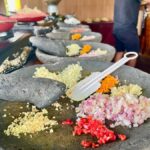
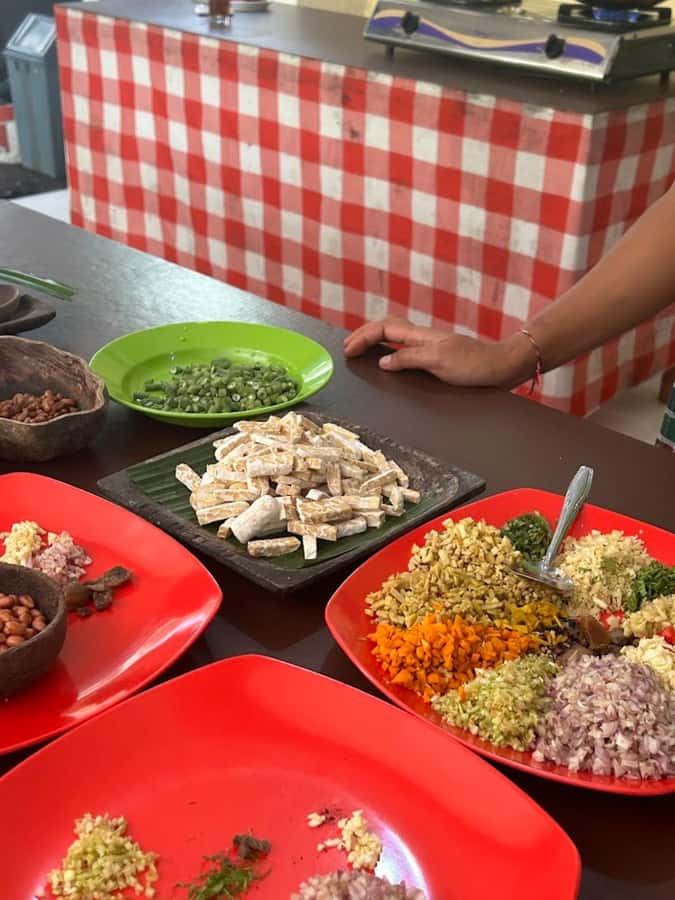
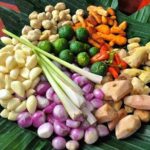
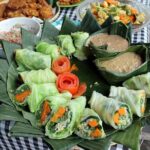
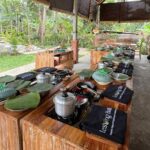
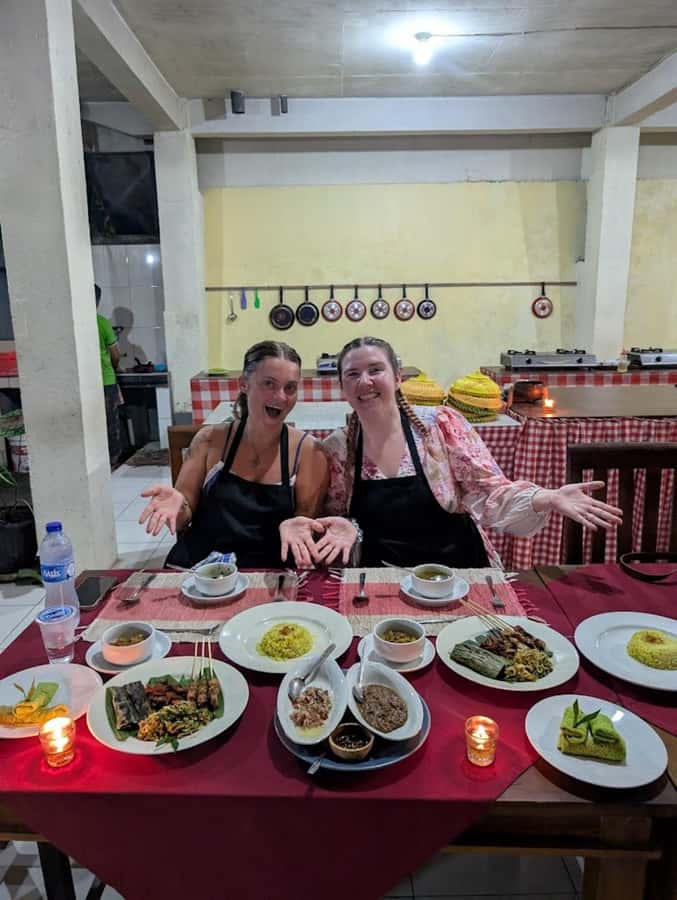
You’ll make traditional Balinese dishes with detailed explanations of ingredients and techniques. The big star is Base Gede/Base Rajang, a traditional sauce used as a base for many dishes. Learning a foundational sauce changes how you approach cooking, because you stop thinking dish-by-dish and start thinking about flavor structure.
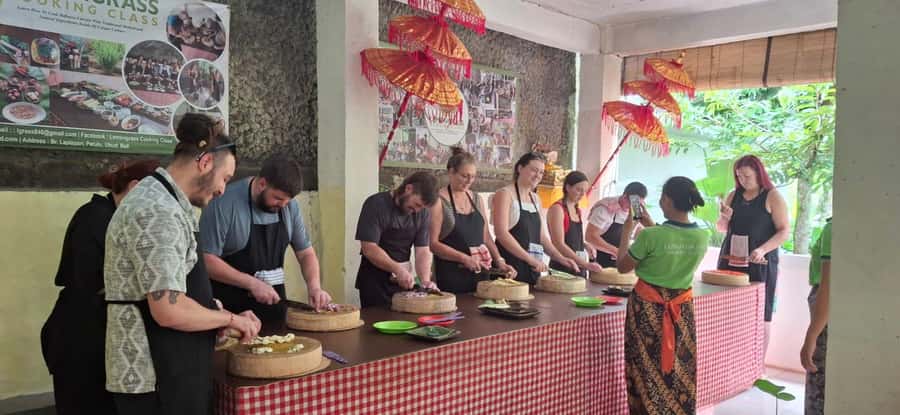
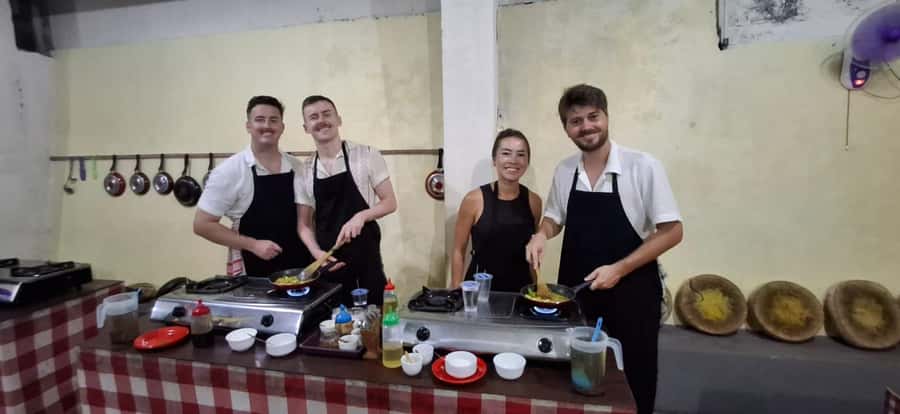
In the class, you’ll get guidance that’s clear and step-by-step. Some hosts guide with humor and a relaxed pace, which helps if you’re new to cooking or just don’t want a stiff classroom vibe. If you enjoy grinding spices, chopping, and learning how different ingredients build layers of flavor, this class will feel satisfying.
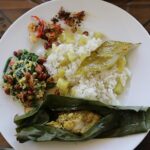
Food you make is for eating. You’ll get to enjoy the meal you prepared, which also means you can adjust your understanding while tasting. If something tastes brighter than you expected, you learn why during the process, not after the fact.
One extra perk: some people reported receiving a recipe book with what they cooked. That can be useful if you want to repeat the meal later without guessing.
Price and value: why $23 can work in Ubud
At around $23 per person for about five hours, the value comes from the mix of stops. You’re not just paying for a cooking class kitchen session. You’re also paying for:
- a traditional market visit and ingredient learning
- a rice field / Subak irrigation education stop
- a Balinese home explanation and cultural context
- guidance for making an offering (Canang Sari)
- the cooking instruction itself, including Base Gede/Base Rajang
Small group size also matters. With a group limited to 6, you’re more likely to get your questions answered while you’re actively cooking. That’s where value often hides in tours like this—time with the instructor, not just time in the minibus.
Also, transfers are included within Ubud, so you’re not adding extra ride costs just to get to the first teaching point. That makes the price feel more realistic compared with standalone cooking classes.
Who should book this, and who should not
This is a strong fit if you want more than recipes. I think it’s ideal for food lovers who also enjoy culture—people who like understanding where ingredients come from, not just what to put in a wok.
It’s also a good choice if you like structured pacing: market, rice field, home, offering, cooking. That flow gives you a satisfying arc, and you’ll feel like you experienced multiple layers of Bali in one day.
Who should skip it: children under 10 aren’t suitable, and the experience involves walking. If you have limited mobility or you hate heat and outdoor time, you might find the day tiring.
Practical tips to make the day easier (and better)
Bring the basics seriously. You’ll want:
- comfortable shoes
- a hat
- sunscreen
- water
- a camera (there’s plenty to document)
For your comfort, plan to be outside for parts of the day. Sun is the real “tour fee” here—shade isn’t guaranteed, and you’ll be moving between stops.
Arrive ready. Pick-up means you should be at your hotel lobby (or the designated meeting place) at the pickup time. If you’re staying outside Ubud, you may need to arrange your own transportation to meet the group in Ubud, since pickup is only included within the Ubud area.
Finally, keep expectations realistic about the afternoon option. If you take the afternoon class, you won’t get a market visit because it’s already closed. If the market tasting is a top priority for you, choose the morning start.
Should you book this Ubud cooking-and-culture tour?
Yes, if you want a cooking class that actually connects to Balinese life. The strongest reason to book is the combination: market learning, Subak rice-field context, Canang Sari offering, and then Base Gede/Base Rajang cooking instruction. It’s a full story, not a standalone meal.
I’d also recommend it if you like small groups. Up to 6 participants means you’re not lost in the background while everyone else cooks. That setup makes the day feel personal and helps you understand what’s happening when you’re making sauce and building dishes.
My only “maybe” is the walking and outdoor heat. If that sounds like a drag for you, pick another activity with less movement. Otherwise, this is the kind of day that sticks because you’ll taste and make what you learned.
FAQ
FAQ
How long is the Ubud Balinese Cooking Class, Rice Field & Market Tour?
It lasts 5 hours.
What does the tour include?
It includes hotel transfer within Ubud, a visit to a Balinese traditional market, a rice field visit, explanation of the Balinese house and life concept, making an offering with the philosophy of Canang Sari, and a cooking class with ingredients and a traditional sauce (Base Gede/Base Rajang).
Is hotel pickup included if I’m staying outside Ubud?
Pickup is only included within the Ubud area. If you stay in Sanur, Kuta, Nusa Dua, or other areas, you’ll need to arrange your own transportation to meet at the designated meeting point in Ubud.
Is the market visit included for both morning and afternoon classes?
No. There is no market visit for the afternoon class because the market is already closed.
What language is the instructor speaking?
The instructor speaks English.
What is the group size?
The group is small, limited to 6 participants.
What should I bring?
Bring comfortable shoes, a hat, a camera, sunscreen, and water.
Is this tour suitable for children?
It is not suitable for children under 10.
What is Base Gede/Base Rajang?
It’s a traditional Balinese sauce that you learn to make, and it’s used as a base for many dishes.