REVIEW · UBUD
Balinese Cooking class with traditional morning market visit
Book on Viator →Operated by Bali Ubud Tour · Bookable on Viator
A morning market turns into dinner you can actually cook. What makes this class fun is the ingredient shopping and the hands-on canang offering part before you step into the kitchen. I love that it stays small and interactive, and that the food lesson comes with a sit-down meal at the end. One possible drawback: it’s early, and the full 6-hour pace can feel like a lot if you’re already tired from Bali days.
If you like real cooking—spices, chopping, tasting, repeating—this is the kind of activity that gives you more than a photo. I also like the care in the details, from air-conditioned pickup to a classroom that feels clean and well run. The only real caution I’d give: wear shoes you don’t mind getting a little market-dust on, because the morning market experience is active.
This works best for food lovers who want culture in practical form: you learn why ingredients matter by picking them yourself, not just watching. And if you’re lucky with your timing, the guides’ friendly humor makes the whole day feel more like a family outing than a class.
In This Review
- Key highlights I’d plan around
- Entering Ubud: the morning market that sets up your cooking
- Small-group cooking in the jungle: why the pace feels personal
- Laplapan welcome and making canang offerings
- The cooking workshop: from starters to dessert
- Dietary needs: ask, and don’t worry
- The meal: eating what you made, not just tasting
- What you take home: skills, recipes, and confidence
- Price and logistics: how $35 stacks up in Bali
- Who this Bali class is for (and who should pass)
- Should you book this market-to-cooking class in Ubud?
- FAQ
- FAQ
- How long is the Balinese cooking class with market visit?
- How much does it cost?
- Is hotel pickup included?
- What is the group size?
- What do I do during the experience?
- Are vegetarian options or dietary accommodations available?
- What is the cancellation policy?
Key highlights I’d plan around
- Hotel pickup plus air-conditioned transport keeps the day smooth from start to finish
- Traditional market ingredient picking with tasting and explanations of what you’re seeing
- Balinese offerings training (canang) before the cooking begins
- A small group (max 8) so you actually get hands-on time and Q&A
- Multiple dishes plus a sit-down meal so you eat your results, not just sample
- Recipe handoff so you can recreate at home after you get home from Ubud
Entering Ubud: the morning market that sets up your cooking
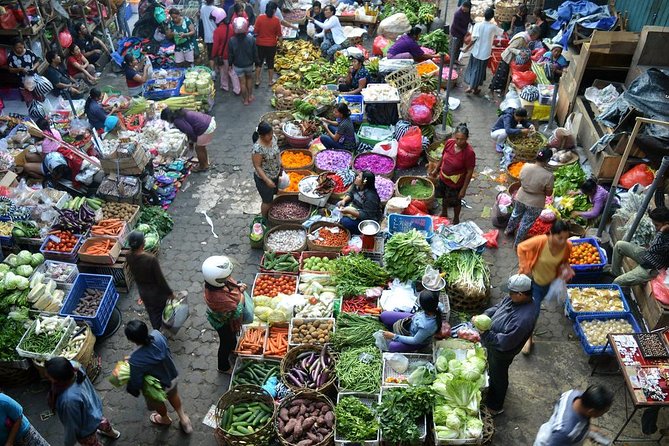
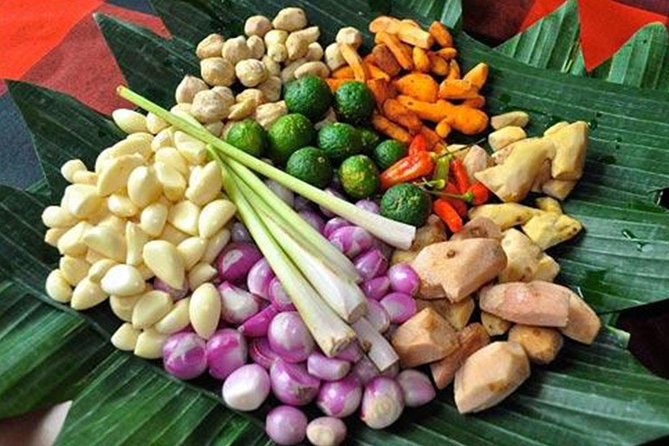
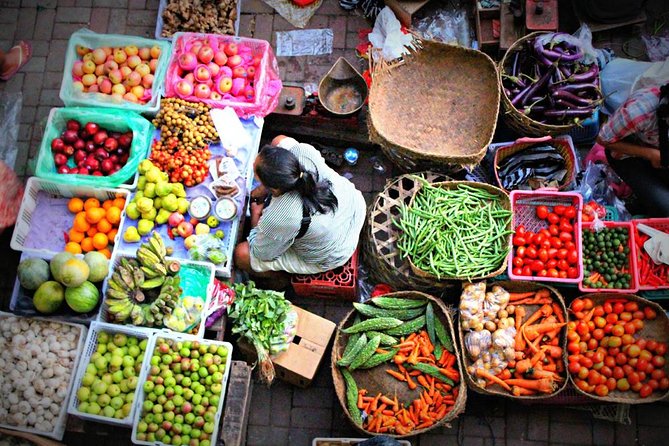
This starts with an early trip from your hotel in Ubud by air-conditioned vehicle, so you’re not sweating through logistics before you even taste anything. Once you reach the market, the tone shifts from driving-and-watching to smelling-and-choosing. You get to experience the real rhythm of fresh produce and spices, and you’ll learn what matters for Balinese cooking as you look.
What I like about doing the market first is that you stop thinking like a tourist. You start thinking like a cook. The class guides you through ingredients you might not recognize, and you get chances to taste smaller items along the way, which helps you understand flavors before you cook them later.
If you’re the type who tends to skip markets because you’re not sure what to do there, this is a smart fix. You’re given a clear purpose: select vegetables, herbs, meat, and spices for your class, then use what you picked.
You can also read our reviews of more tours and experiences in Ubud.
Small-group cooking in the jungle: why the pace feels personal
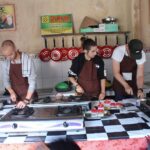
The experience runs about 6 hours and caps at 8 people, which changes the entire feel of the day. In a big class, you end up waiting. Here, the cooking time stays active, and instructors can answer your questions while you work rather than after the fact.
The setting is also part of the charm. The cooking workshop is described as being in the jungle surroundings of Ubud, and that atmosphere helps you slow down. You’re not stuck in a plain classroom; you’re cooking in a place that feels like Bali, with the day’s sounds and smells around you.
And the instructors’ teaching style matters. People mention guides like Wayan and Dewa, and also Putu/Puthu in some cases, with a patient, friendly approach and a good sense of humor. That matters because Balinese cooking isn’t just one sauce; it’s a system of ingredients and technique. If your teacher can explain it clearly (and still make you laugh), you’ll actually remember it.
Laplapan welcome and making canang offerings
After the market, the group heads to Laplapan village for a warm local welcome. This isn’t just a scenic stop. It’s part of learning how Balinese cooking connects to daily rituals and offering culture.
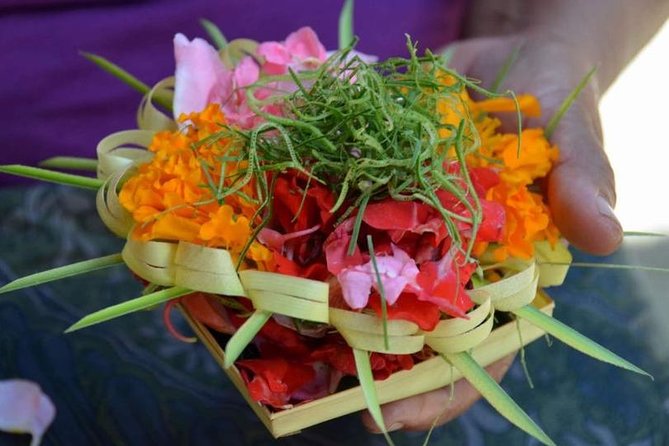
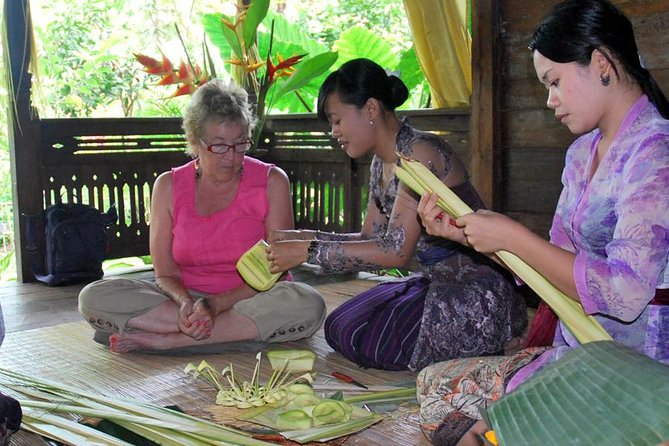
One of the most praised parts is learning the process of making Balinese offerings, including canang and other offering equipment. Even if you’ve never made an offering before, you get guided steps. It’s hands-on rather than just a lecture.
I like this segment because it gives context for why ingredients, presentation, and timing matter. You’re not only learning to cook food for taste—you’re learning a form of Balinese expression that shows up again and again around meals.
A quick practical note: since you’re making something by hand, bring your best patience. You won’t need special tools beyond what’s provided, but you should expect a learning curve if you’re used to modern, fast kitchen habits.
The cooking workshop: from starters to dessert
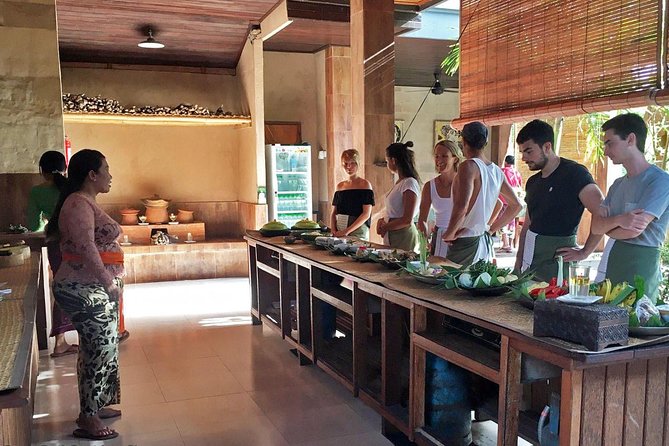
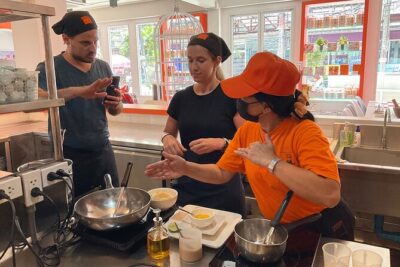
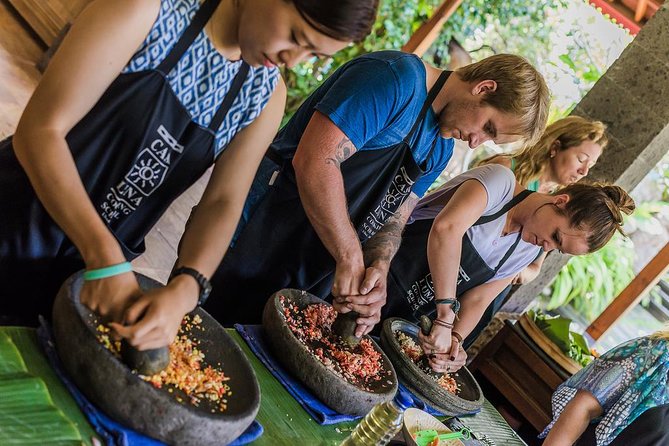
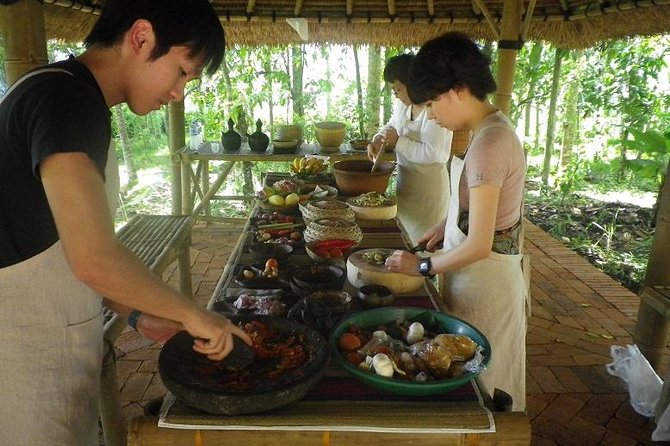
Once the offering part is done, you shift into the actual Balinese cooking class. The class format is built around preparing starters, main courses, and an authentic dessert, with expert chefs guiding and assisting as you cook.
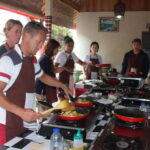
What you should expect is teamwork. You’ll be assigned tasks and given technique instructions, and you’ll keep moving through the recipe steps while others handle other dishes. The day is structured so you don’t just make one thing—you build a mini menu.
People consistently describe it as organized and not rushed. Some mention they ended up cooking as many as nine dishes depending on the flow of the class and the group, which tells me the workshop is set up to get you real hands-on output. Even if your exact dish count varies, the experience is designed around getting multiple plates out of your station, not only tasting.
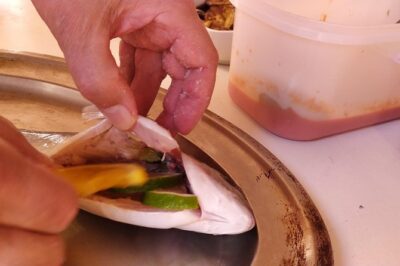
Also, you’re not stuck alone at your station with a cookbook. The instructors help while you chop, mix, fry, and assemble. Questions come up naturally, and you get answers in the moment.
Dietary needs: ask, and don’t worry
A big plus: the class can adapt to dietary requirements, and vegetarian options have been mentioned. If you have restrictions, tell the organizer when you book. You may not get every ingredient exactly the way a standard recipe looks, but you should get a workable version of the menu that still feels like Balinese cooking.




The meal: eating what you made, not just tasting
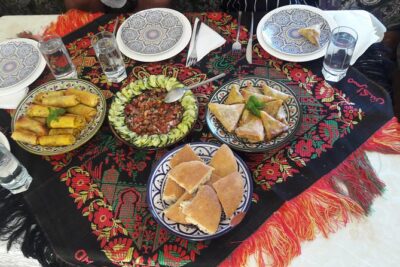
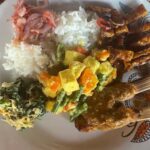
The best payoff is the sit-down meal. Once your dishes are done, you eat your results—often with the kind of satisfaction that makes you suddenly pay attention to plating and balance. People mention the food being both delicious and visually impressive, which fits the Balinese approach where presentation isn’t an afterthought.
You’ll also likely get small extras during the day, like a welcome drink and snacks while you transition between activities. These pauses are useful, because after market walking and offering-making, you’ll appreciate a breather.
One practical tip: eat with your hands if you’re comfortable, but don’t force it. The point is to enjoy the flavors and learn the structure of the meal. Even if you’re careful and tidy, you’ll still come away with a better sense of what makes the cuisine taste the way it does.
What you take home: skills, recipes, and confidence
A big reason this class earns a near-perfect recommendation rate is what happens after the meal: the experience ends with tools you can use again later. People mention receiving a recipe book, and that’s the difference between a day you enjoyed and a day that sticks.
Here’s how to make this worth your money at home. During the class, pay attention to two things:
- Which spices are used early versus later in the cooking process
- How the dish comes together (texture, thickness, and how balance is achieved)
Because you picked ingredients at the market, you’re not starting from scratch when you cook at home. You already know what you’re trying to recreate, even if you’ll substitute ingredients you can find where you live.
If you’re the kind of cook who wants a project, this is a great one. If you only cook once in a while, you’ll still get value because the recipes and techniques give you a clear path to repeat.
Price and logistics: how $35 stacks up in Bali
At $35 per person for a 6-hour market-to-kitchen day, the value is solid when you look at what’s included. You get:
- Hotel pickup (offered)
- Air-conditioned transport between stops
- Cooking class fees and taxes
- Cooking equipment
- The market visit where you pick ingredients for your class
What you don’t get is personal spending. That’s typical, but it’s worth noting if you plan to buy extra snacks, drinks, or souvenirs during the market.
Where this price feels especially fair is the small group size and the amount of direct instruction. You’re not just watching a chef work; you’re actively cooking with guidance. For Ubud, that kind of hands-on time is usually where you either get great value—or you get overcharged for a show-and-tell class.
Also, there are group discounts mentioned, which can make it even more attractive if you’re traveling with a partner or friend who actually wants to cook.
One more practical note: it’s a mobile ticket experience, and you receive confirmation at booking time. That reduces the stress of figuring out where to go first.
Who this Bali class is for (and who should pass)
This suits you if:
- You want to connect with Bali through food, not just sightseeing
- You enjoy markets and want real guidance on what you’re looking at
- You like hands-on classes with a small group
- You want recipes to bring home and cook later
It might not be the best fit if:
- You hate early starts (it begins in the morning with market time)
- You want a purely relaxed vacation day with no cooking tasks
For families, this has worked well too. One family shared that kids ages 6 to 9 enjoyed it, and the instructors were friendly with children. Still, it’s a real cooking class, so it’s best for families whose kids can handle a few hours of active participation.
Should you book this market-to-cooking class in Ubud?
Yes—if you want Bali food done the practical way. The combination of market ingredient picking, canang offering practice, and multiple dishes with a sit-down meal makes it feel like a complete experience, not a short gimmick.
Book it especially if you’ll use the recipes later. The recipe handoff, plus the fact that you shop for ingredients first, is what turns this into something you can repeat. If you’re worried about dietary needs, reach out when booking so they can adapt the plan for you.
And if you’re the kind of person who enjoys learning through doing—tasting, chopping, assembling, asking questions—this day in Ubud should be one of your best uses of time on the island.
FAQ
FAQ
How long is the Balinese cooking class with market visit?
The experience runs about 6 hours.
How much does it cost?
It costs $35.00 per person.
Is hotel pickup included?
Pickup is offered, and air-conditioned transport from your hotel to the market and workshop is included.
What is the group size?
The maximum group size is 8 people.
What do I do during the experience?
You visit a traditional morning market to choose ingredients, learn the process of making Balinese offerings (including canang), then take part in a cooking class preparing starters, main courses, and an authentic dessert. You also sit down to eat the meal you made.
Are vegetarian options or dietary accommodations available?
The experience can adapt to dietary requirements, and vegetarian options have been mentioned.
What is the cancellation policy?
You can cancel for a full refund up to 24 hours in advance. If you cancel less than 24 hours before the start time, the amount paid is not refunded.