REVIEW · TOKYO
Inside Tokyo’s Kitchen: Tsukiji Market, Food & Culture Tour
Book on Viator →Operated by Intrepid Urban Adventures - Japan · Bookable on Viator
Tsukiji can feel like sensory overload. This small-group tour keeps you moving at a human pace, with a guide translating as you eat and walk through the outer market. You’ll also get a couple of shrine stops that turn the whole morning into more than just shopping for snacks.
I especially like the small group size of up to six, which makes it easier to ask questions and actually talk with your guide as you sample. I also like the mix of tastes: fresh sushi plus wagashi sweets, not just one highlight. Guides I saw mentioned by name include Mihari, Yuri, Shino, Aya, and Koz, and the common thread is a lot of hands-on attention while you’re tasting.
One consideration: the tour includes food, but it’s not a full meal plan, and vegetarian and vegan options are available but limited, so plan your expectations if you don’t eat fish.
In This Review
- Key Things to Know Before You Go
- Tsukiji Outer Market Works Best With a Local Pace
- Kabuki Inari Shrine First Stop: A Dramatic, Easy Warm-Up
- Tsukiji Outer Market Food Time: Sushi, Snacks, and Wagashi
- What you’ll likely taste (and why it matters)
- Veggie options: available, but don’t assume full choice
- The pacing advantage of a group of six
- Practical tip for ordering and eating
- Namiyoke Inari Shrine Ending: Quiet Contrast After the Market
- What You Learn Beyond Food: Culture, Shrines, and Market Thinking
- Price and Value: What $83.35 Buys You in Real Food Time
- Timing, Shoes, and Who This Tour Fits Best
- Should You Book This Tsukiji Outer Market Tour?
- FAQ
- How long is the Tsukiji market food and culture tour?
- What time does the tour start?
- Where does the tour start and end?
- What’s included in the food tastings?
- Are vegetarian or vegan options available?
- Is the tour child-friendly?
- How big is the group?
- What should I wear?
- Are drinks included?
Key Things to Know Before You Go
- Up to six people means less time squeezed in narrow alleys and more time getting answers while you eat
- Fresh sushi and wagashi sweets are part of the included tastings, not just optional buys
- Two Inari shrine stops (Kabuki Inari and Namiyoke Inari) give the walk a calm, cultural rhythm
- You avoid getting lost by following a guide through Tsukiji’s confusing-but-famous lanes
- Closed-toe shoes matter since inner market areas can be wet underfoot
- Start time is 8:00 am, so you’ll get a lively morning feel without spending the whole day in crowds
Tsukiji Outer Market Works Best With a Local Pace
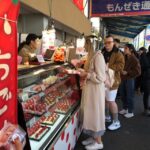
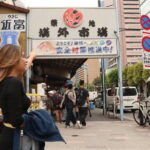
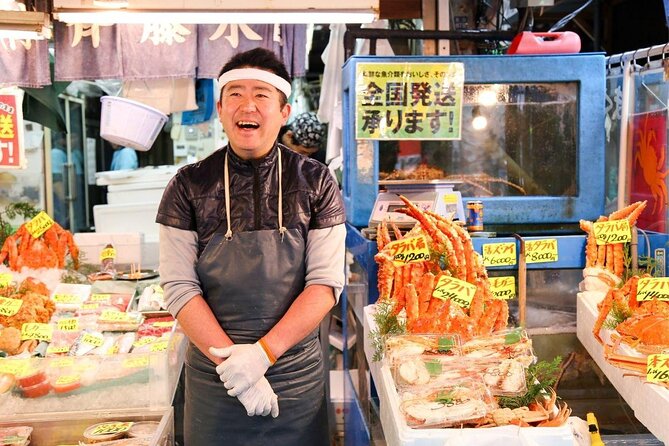
Tsukiji Outer Market is famous for a reason, but it can also be chaotic in the way only morning markets manage. Stalls, steam, signage, and the constant motion can turn a sightseeing plan into a scavenger hunt. What makes this tour feel smart is that it doesn’t try to cover everything. It keeps you in the outer-market zone and pairs the food stops with clear direction, so you spend your energy tasting instead of guessing.
The timing helps too. An 8:00 am start means you’re walking while the area feels active and food-focused, but you’re not dealing with the midday rush that can make market hopping slower and more frustrating.
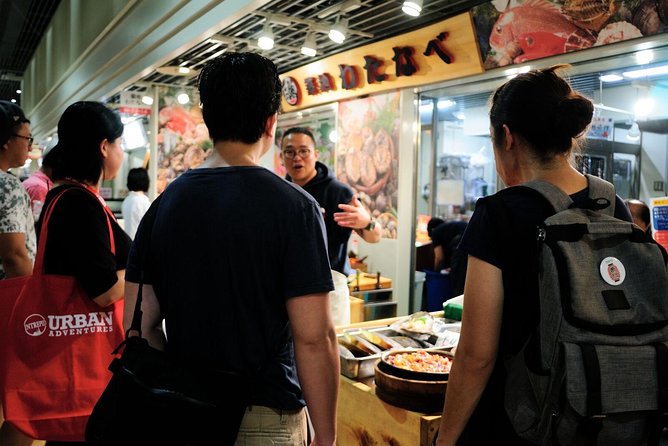
Most importantly, you’re not going in blind. You’ll walk the narrow alleys with a guide who helps with translation and explains what you’re looking at as you go. That turns Tsukiji from a list of photos into a real understanding of how Tokyo snacks, seafood, and shopping culture fit together.
You can also read our reviews of more tours and experiences in Tokyo.


Kabuki Inari Shrine First Stop: A Dramatic, Easy Warm-Up
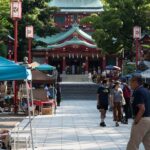
The tour begins at Kabuki Inari Shrine at Kabukiza, near the Kabuki Theatre. Even if you’re not a theater nerd, this is a good way to start because it shifts your brain from tourist mode to Tokyo mode.
You’ll see kabuki architecture up close, and you’ll get context on kabuki as Japan’s distinctive blend of drama and dance. It’s a short stop, but it does something useful: it reminds you this area isn’t only about food. It’s part of a living neighborhood where culture, performance, and daily routines sit side by side.
Admittedly, this stop won’t fill your stomach. But it sets the tone and gives you time to settle into the walking rhythm before you hit the busiest food lanes.
Tsukiji Outer Market Food Time: Sushi, Snacks, and Wagashi
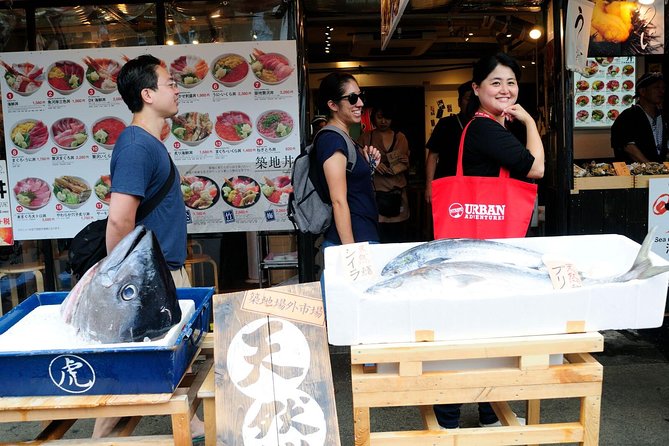
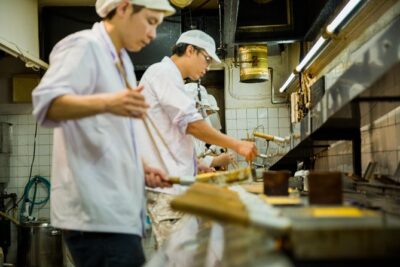
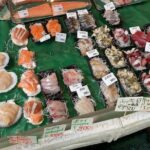
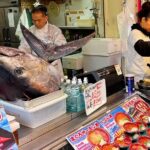
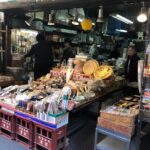
This is where the tour earns its keep. You spend about two hours walking Tsukiji’s outer market through tight lanes packed with seafood, vegetables, and ready-to-eat snacks. The guide keeps you on track, helps with language, and explains what you’re tasting as you sample fresh sushi, Japanese snacks, and kawaii wagashi sweets.
What you’ll likely taste (and why it matters)
The included tastings focus on variety, not just one signature bite. From the food descriptions and what people highlight in their experiences, you might get samples such as:
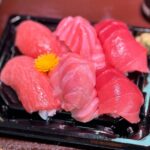
- Fresh sushi, including tuna nigiri and other nigiri styles
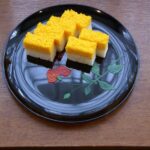
- Wagashi sweets, including cute, colorful sugar-heavy bites
- Japanese savory street foods like fish cakes and omelette-like items
- Sashimi and other seafood preparations, depending on the day’s selections
- Sweet and savory snacks like dried anchovies or sweetened rice balls
A few specifics also show up in firsthand accounts of the tour experience: people mention tasting Satsumaage (fish cake), tamagoyaki (omelette), tuna sashimi across different fat levels, and even a sea eel roll. Some groups also mention a wasabi moment where a real wasabi experience is part of the fun, like grinding your own.
The big value here isn’t only the ingredients. It’s that you learn how to connect flavor and texture to what you’re seeing in the market. That’s hard to do when you’re wandering solo, trying to match labels to what you’ve ordered.
Veggie options: available, but don’t assume full choice
If you’re vegetarian or vegan, you’ll want to know the tour is designed with options in mind, but they’re limited. That doesn’t mean you’ll be excluded. It means you should expect fewer choices compared to what a fish-focused market naturally offers.
If you’re a strict vegan, it’s smart to come prepared with extra hunger management. You can also plan to add a snack later at a nearby place that better matches your diet.


The pacing advantage of a group of six
With a maximum of six people, you’re less likely to get stuck behind someone asking ten questions in the wrong spot. You’ll also have more time to look, ask, and taste in sequence. In a place like Tsukiji, that difference is huge. It’s the difference between sampling food and actually understanding it.
Practical tip for ordering and eating
As you taste, ask what the guide thinks you should pay attention to next: texture, fat content, seasoning, or how the sweet wagashi contrasts with savory bites. That turns the tour into a guided food lesson, not just a snack lap.
Namiyoke Inari Shrine Ending: Quiet Contrast After the Market
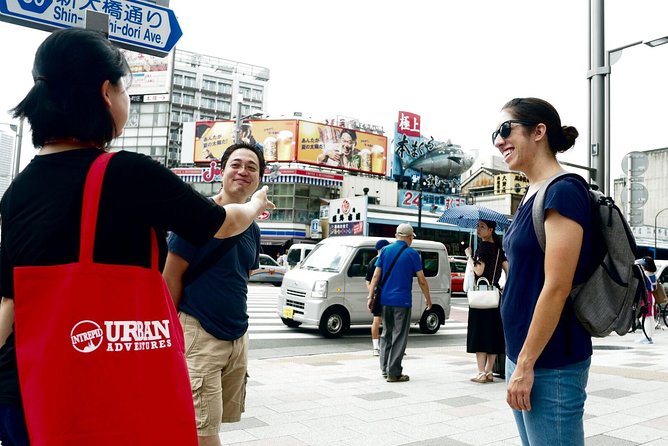
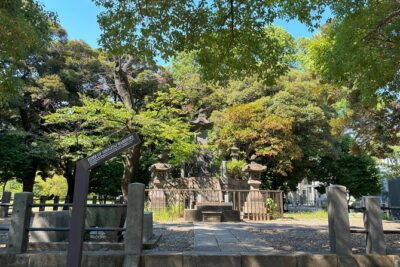
The tour winds down at Namiyoke Inari Shrine and then finishes with a short walk to a nearby station. This is a smart ending, because markets can run hot in both temperature and noise. The shrine stop gives you a calmer beat at the end of your walk.
Namiyoke Inari is known for its tranquil atmosphere and historical presence. Even if you don’t catch every detail, you’ll feel the shift: less street-level pressure, more space to reset.
Then you’re about a 10-minute walk to the nearest station, which makes the end practical. You’re not left wandering around trying to figure out how to get back to the rest of your Tokyo day.
What You Learn Beyond Food: Culture, Shrines, and Market Thinking
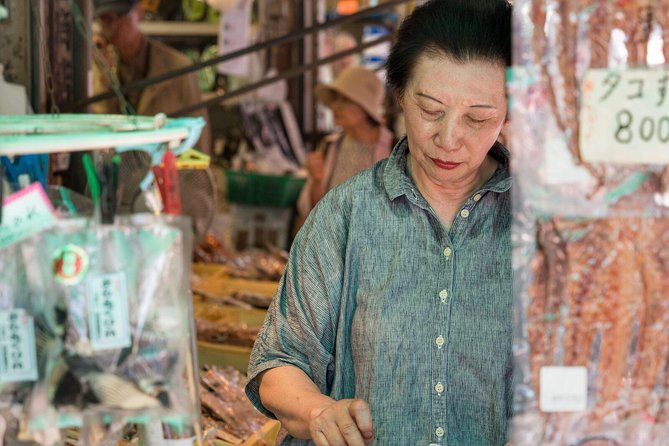
This tour isn’t only about eating. You’ll learn about fish as you walk around, with your guide helping with translation so you’re not stuck decoding everything yourself. That matters because Tsukiji isn’t just a place to buy food. It’s a place where food culture gets explained through everyday actions: how stalls operate, how ingredients get shown, and how locals talk about what’s fresh.
The shrine stops add another layer. Inari shrines are part of how Japan frames daily life and community traditions, and having those visits built into the walking route makes the morning feel like a Tokyo story instead of a food checklist.
Also, the guide’s approach can vary by personality, and you’ll notice it. Names mentioned by people who joined include Yuri and Koz, and the most consistent praise is that the guide goes out of their way to make sure you get meaningful tastings and clear explanations, not just a fast walk-through.
Price and Value: What $83.35 Buys You in Real Food Time
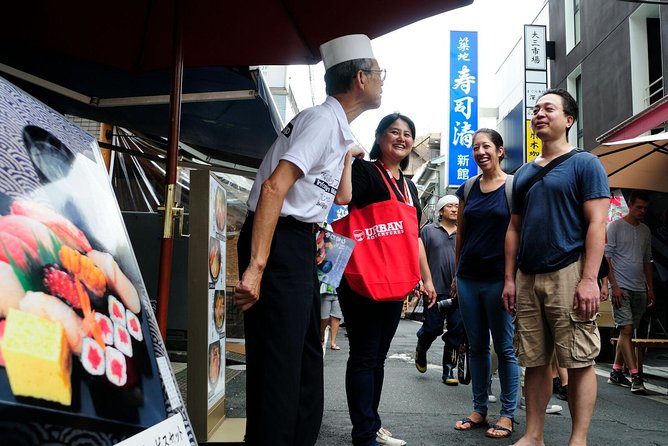
At $83.35 per person for about three hours, the cost can feel like a lot at first glance—until you break down what’s included.
You’re getting:
- Guided market walking so you don’t waste time orienting yourself
- Translation help in a place where language can slow you down
- Included tastings: fresh sushi, local snacks, and wagashi sweets
- Shrine visits that keep the route interesting and varied
Not included:
- Drinks and additional food
- Tips/gratuities
What you’re really paying for is time and access. Tsukiji’s lanes are famous, but they’re also easy to misunderstand. This tour gives you a structure for sampling without spending your morning figuring out what stall is worth it. And because it’s limited to six people, you’re not paying premium prices to get shoved along with a huge crowd.
If you already plan to do a lot of individual eating in Tokyo, this tour is still worth it because it gives you an organized “starter pack” of flavors plus context. If you’re trying to make Tokyo your food-focused trip without turning every meal into a research project, it’s even better value.
Timing, Shoes, and Who This Tour Fits Best
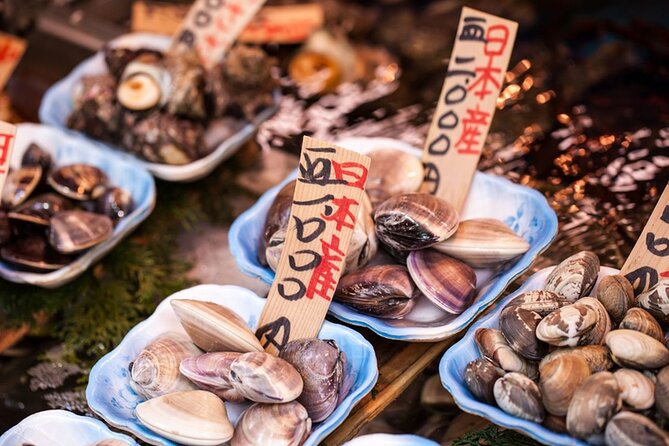
This tour starts at 8:00 am and runs about three hours. If you like early mornings and hate wandering aimlessly, this schedule fits.
Wear closed-toe shoes. The inner market floors can be wet, and sneakers are recommended. That one detail can save you from an uncomfortable morning on slick pavement or damp surfaces.
Group size is capped at six, which makes it good for:
- First-time Tokyo visitors who want direction and less stress
- Food lovers who want both tasting and explanation
- People who are curious about culture and shrines, not only seafood
- Families, since it’s child-friendly, with children under 6 able to join for free
It’s also ideal for fish lovers, but the description makes it clear you don’t have to be. The food spread includes snacks and sweets, and the tour aims for a general foodie experience, not only seafood purists.
Should You Book This Tsukiji Outer Market Tour?
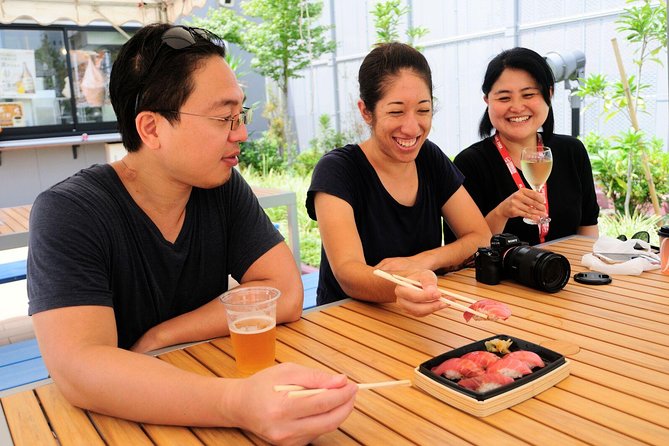
I’d book it if you want your Tsukiji time to be organized, guided, and actually educational. The combo of small group pacing, included tastings that cover sushi and wagashi, and shrine stops that add cultural breathing room makes this a strong “first morning in Tokyo market life” choice.
I would think twice if you expect a big vegetarian buffet or if you need drinks included. Also, if you’re someone who hates early starts, 8:00 am may feel like a lot.
If you do book, go in hungry, wear the right shoes, and treat the guide like a resource. Ask questions while you taste, and you’ll leave with a clearer idea of what makes Tokyo food culture tick—not just a full stomach.
FAQ
How long is the Tsukiji market food and culture tour?
It lasts about 3 hours.
What time does the tour start?
The start time is 8:00 am.
Where does the tour start and end?
It starts at Kabuki Inari Shrine, located at 4 Chome-12 Ginza, Chuo City, Tokyo 104-0061. It ends at Tsukiji Fish Market area, accessible from Tsukiji Station on the Hibiya Tokyo Metro Line.
What’s included in the food tastings?
You’ll savor freshly made sushi, local snacks, and wagashi sweets.
Are vegetarian or vegan options available?
Yes, vegetarian and vegan options are available, but the food selection is limited.
Is the tour child-friendly?
Yes. It’s listed as child-friendly, and children under 6 can join for free.
How big is the group?
The tour has a maximum of 6 travelers.
What should I wear?
Wear closed-toe shoes, since inner market floors can be wet. Sneakers are recommended.
Are drinks included?
No. Drinks and additional food are not included.