REVIEW · TOKYO
Tokyo: Tsukiji Fish Market Food and Walking tour
Book on Viator →Operated by Traveling Tokyo · Bookable on Viator
Tsukiji can feel like sensory overload—until you have a plan. This 2-hour walk turns market chaos into bite-size stops, starting with a calm temple pause and then moving you through the fish market area with a guide who knows where to go.
I like the choose-and-pay setup because you control what you eat instead of being forced into a fixed menu. I also like the pacing: it’s flexible based on what your group wants to see and try, which matters when you’re moving through crowded lanes.
One thing to consider: the tour price covers the guide and admissions, but foods and drinks are on you. Bring enough cash so you can actually sample what sounds good.
In This Review
- Key Points to Know Before You Go
- Your Tsukiji Game Plan: Pick Bites, Don’t Stress
- Meeting at Tsukiji Station: Start Smooth, Not Frazzled
- Stop 1: Tsukiji Hongwanji Temple Sets the Mood
- Stop 2: Tsukiji Fish Market—Where History Meets the Sizzle
- Stop 3: Tsukiji Jogai Market for Street-Food Variety
- Price and Value: What Your $30 Ticket Really Buys
- The Guide Factor: How Small Groups Make Tsukiji Feel Easier
- Practical Tips That Save Time and Money
- Who This Tour Fits Best (and Who Might Prefer Something Else)
- Should You Book the Tsukiji Fish Market Food and Walking Tour?
- FAQ
- How long is the Tsukiji Fish Market food and walking tour?
- What’s included in the $30 ticket price?
- Are foods and drinks included?
- What payment should I plan for while eating at stalls?
- Where do I meet for the tour?
- How many people are in the group?
- Can I get a full refund if I cancel?
Key Points to Know Before You Go
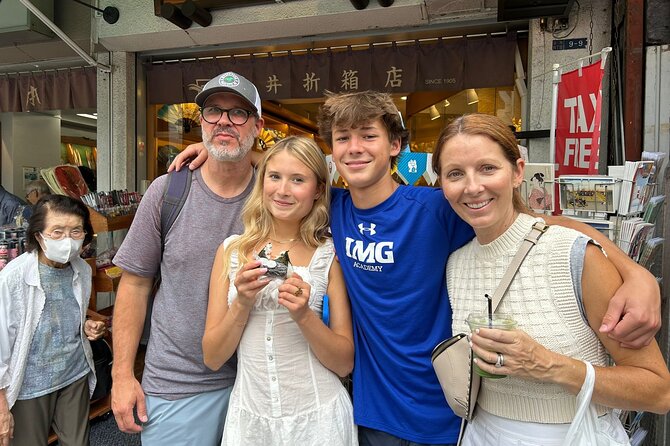
- Choose your own food so you can sample the seafood and snacks that match your taste
- Small group size (max 10) keeps things manageable in a busy market setting
- Temple + two market stops gives you context before you jump into the eating
- Flexible pace means you won’t feel rushed just to check boxes
- Guides are a big deal here, with many named for making the market easier and pointing out good-value items
- Food is extra and often cash-based, so budget beyond the $30 ticket
Your Tsukiji Game Plan: Pick Bites, Don’t Stress
Tsukiji is the kind of place where you can easily wander for an hour and still feel like you didn’t get the point. The big win with this tour is that it gives you a structure while still letting you customize the experience. You’ll pick the dishes you want to eat, pay for them directly, and keep moving with your guide.
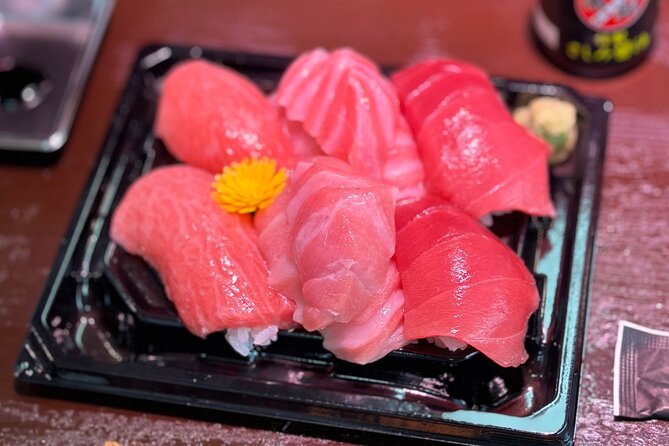
That approach is great for different appetites. Some people want sushi-style bites, others want grilled fish, omelet-y snacks, fruit, or fried fish cakes. The tour is built so you can try a mix without a rigid script.
Also, the short duration helps. Two hours is long enough to get variety, but short enough that you’re not stuck standing around too long if the market crowds feel like a lot.
You can also read our reviews of more tours and experiences in Tokyo.

Meeting at Tsukiji Station: Start Smooth, Not Frazzled

You meet at Starbucks Coffee near Tsukiji Station (Tsukiji, Chuo City). It’s an easy anchor point, especially in an area that can feel like a maze once you’re inside.
From there, the tour runs as a loop that ends back at the meeting spot. That matters because Tsukiji logistics can be tricky to navigate on your own once you’re hungry and following the smell of grilled seafood.
And because the tour uses a mobile ticket, you don’t have to hunt for paper or worry about misplacing anything. Confirmation comes at booking, so you’ll have what you need before you arrive.
Stop 1: Tsukiji Hongwanji Temple Sets the Mood
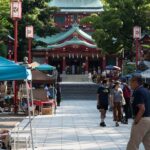
The tour begins with a visit to 築地本願寺 (Tsukiji Hongwanji Temple) for about 30 minutes, and admission is included. This is a smart move even if you’re mostly here for food.
A temple stop does two useful things:
- It slows you down for a moment before the market noise starts
- It gives you a glimpse of the area as more than just shopping and eating
This stop is also a nice contrast in lighting, foot traffic, and sound levels. You’ll get a breather before heading into crowded lanes where you’ll be standing and walking more.
If you’re someone who prefers food-first itineraries, the temple can feel like a detour at the start. I get why that would be a preference. Still, as a warm-up, it helps the rest of the tour feel more meaningful.
Stop 2: Tsukiji Fish Market—Where History Meets the Sizzle
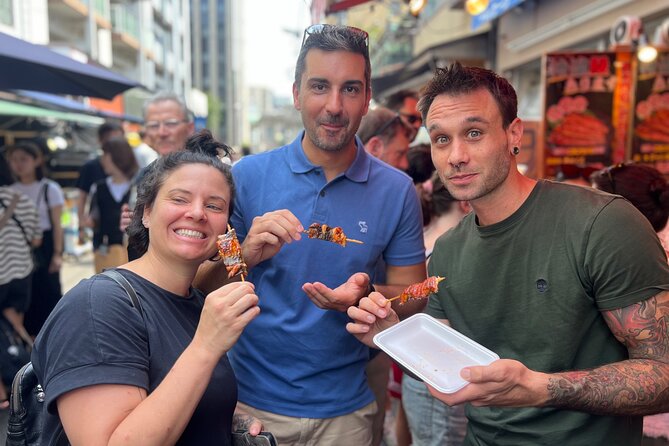
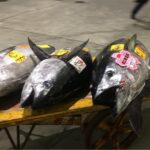
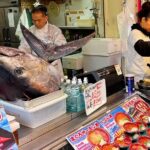
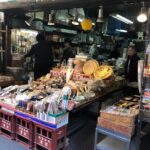
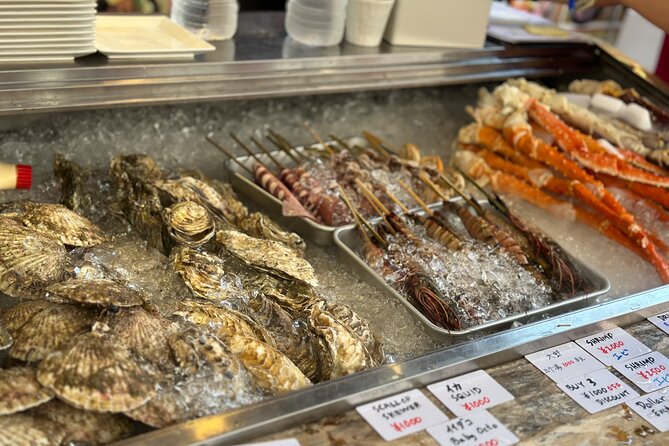
Next comes Tsukiji Fish Market for about 1 hour, with admission included. This is where you see the market energy up close—plus you’ll get explanations about what you’re looking at and why it matters.
The tour focuses on history and culture around Tsukiji while you eat. That’s the difference between walking past stalls and actually understanding what you’re tasting. You’ll also learn about traditional ingredients for sushi and local dishes, which makes your food choices feel more informed.
This is also the part of the tour where guides really earn their keep. People often mention guides like Rie, Haydn, Benjamin, and Jim for helping them move through the market without getting overwhelmed. A good guide doesn’t just point; they help you read the scene—what’s worth your money, what’s best eaten right away, and where to stand so you can sample without getting pushed around.
Stop 3: Tsukiji Jogai Market for Street-Food Variety
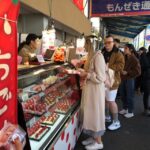
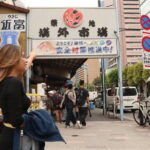
After the main market, you walk into Tsukiji Jogai Market for about 30 minutes, again with admission included. This is where the pace can feel more snacky and flexible, because you’re dealing with lots of smaller stalls and food counters.
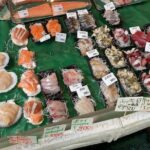
Here’s what you can expect to be sampling as part of the tour’s food focus:
- Fresh seafood
- Fruit
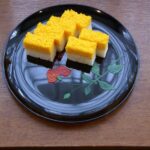
- Japanese omelet-style bites
- Fried fish cakes
- And more, depending on what you choose
The key is that there’s no set menu. That’s not just a convenience; it’s how you avoid wasting time eating something you don’t care about. If you’re not into a particular style of fish, you can usually choose something else nearby that fits your tastes.
If you want to maximize value, this is also a good time to ask your guide what they’d buy if they had limited cash. Many guides are praised for steering people toward good prices and away from overpriced distractions.

Price and Value: What Your $30 Ticket Really Buys
The tour costs $30 per person and includes:
- A local Japanese English-speaking guide
- Entry/admission for Tsukiji Hongwanji Temple, Tsukiji Fish Market, and Tsukiji Jogai Market
- Time to learn the history and culture of Tsukiji
What’s not included: foods and drinks.
So, is it worth it? In my view, it makes sense because you’re paying for two things that are hard to do solo:
1) A guide to help you navigate the area and decide what to eat
2) Admissions for multiple stops plus structured time across the sites
Your final total will depend on how much you sample. One review note that can help you plan: bring enough yen for food sampling (some people used a rough guide of about 10,000 yen for what they ordered). Since you choose your own bites, you can scale up or down—but you do need cash ready.
In other words: the $30 gets you the framework. You bring the appetite and the yen.
The Guide Factor: How Small Groups Make Tsukiji Feel Easier
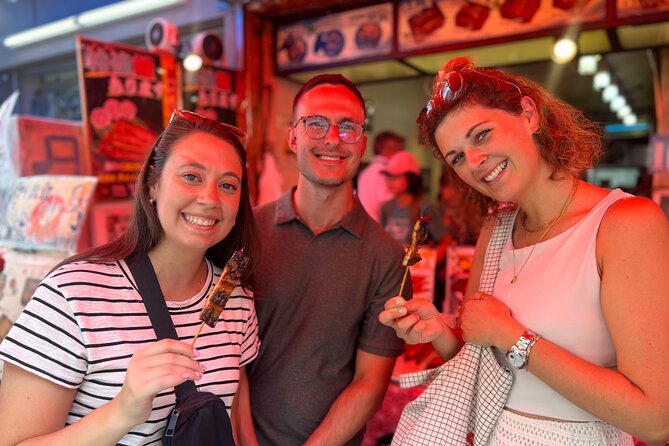
This tour caps at 10 travelers, which is huge in a place where lanes get tight and lines form quickly. With a small group, your guide can keep things organized—where you stand, when you move, and what stalls are easiest to access without losing people.
Also, the tour is designed to be flexible. If your group is curious about a particular stall or wants to try more of one food type, the schedule can shift. That adaptability is what turns a “market visit” into an actual experience.
Guide styles can differ, but you’ll often see similar strengths named across guides:
- Being friendly and patient with questions
- Explaining the food and ingredients in a practical way
- Encouraging people to try items they might skip on their own (sea urchin, eel, and other seafood-forward choices came up)
If you’re nervous about tasting unfamiliar seafood, this tour structure can help you take small steps. Your guide can suggest what’s mild vs. what’s more intense, and you can decide in the moment.
Practical Tips That Save Time and Money
Tsukiji is physical. You’ll be walking and standing in crowded areas, so comfort matters.
Here’s what I’d plan for based on the tour’s format:
- Wear comfortable shoes with good grip. You’ll be on your feet.
- Bring cash (yen) for food. Some stalls take cash for samples/orders.
- Set a food budget in advance. Since there’s no set menu, it’s easy to overspend if you’re hungry and everything smells great.
- Ask for recommendations early. When you’re near the first few stalls, use that moment to get a sense of what’s a good deal and what’s worth trying now rather than later.
If you want a simple ordering strategy: start with one item you’re confident about, then let your guide help you add a more adventurous bite. That way, you end the tour satisfied even if your taste surprises you.
Who This Tour Fits Best (and Who Might Prefer Something Else)
This tour is a strong fit if:
- You want a guided introduction to Tsukiji without trying to decode everything yourself
- You like variety and want to sample multiple types of food
- You’d rather choose what you eat than follow a fixed menu
- You prefer a smaller group for easier movement and questions
You might consider another approach if:
- You know you only want one specific thing and don’t care about historical context
- You dislike starting with a non-food stop (the temple is part of the schedule)
- You’re trying to keep your spending extremely tight, since food is not included and you’ll likely sample a few dishes
Should You Book the Tsukiji Fish Market Food and Walking Tour?
If you want Tsukiji to feel like a win instead of a confusing scramble, this is an easy yes. The guide-led structure, the small group size, and the choose-your-own bites are the combo that makes the market approachable and fun.
I’d book it if you’re the kind of traveler who enjoys learning while eating—especially if you want help picking what’s actually worth your money. Just come prepared with yen, comfortable shoes, and an appetite for trying foods you might not pick on your own.
If you’d rather wander independently and you already feel confident navigating market streets, you can do Tsukiji solo. But for many people, the guide support is what turns the experience from chaotic to enjoyable.
FAQ
How long is the Tsukiji Fish Market food and walking tour?
It runs for about 2 hours (approx.) and includes time at Tsukiji Hongwanji Temple, Tsukiji Fish Market, and Tsukiji Jogai Market.
What’s included in the $30 ticket price?
The price includes a local Japanese English-speaking guide, entry/admission for the temple and both market areas, and learning about the history and culture of Tsukiji.
Are foods and drinks included?
No. Foods and drinks are not included, so you’ll pay for the dishes you choose during the tour.
What payment should I plan for while eating at stalls?
Bring enough yen for food. The market stalls commonly take cash for sample food orders.
Where do I meet for the tour?
You meet at Starbucks Coffee – Tsukiji Station, Tsukiji, Chuo City, Tokyo (listed address: 2-chōme 128 大広ビル 1F). The tour ends back at the meeting point.
How many people are in the group?
The tour has a maximum of 10 travelers.
Can I get a full refund if I cancel?
Yes. You can cancel up to 24 hours in advance for a full refund.