REVIEW · PARIS
Paris Cooking Class and Lunch with Wine plus Market Visit Option
Book on Viator →Operated by Le Foodist · Bookable on Viator
French lunch lessons beat restaurant plans. In Paris, you cook what you want to eat, shop for real ingredients in the Latin Quarter (if you choose the longer option), and then sit down to the meal with wine.
I especially love the hands-on structure and how the chefs teach you the why behind each step. You’ll also enjoy the wine pairing part, not just free pours, with tastings and guidance meant to help you match flavors at home.
One heads-up: this is a big food day. Plan your evening with a light touch, because you’ll be full (and the wine is part of the experience).
In This Review
- Key things to know before you go
- The smart idea: market-to-kitchen French lunch
- Where it starts at Le Foodist on Rue du Cardinal Lemoine
- Market visit in the Latin Quarter: ingredients, cheese, and seasonality
- The cooking school setup: stations that keep everyone moving
- What you’ll cook: a sample menu with classic French comfort
- The hands-on learning: techniques plus the why
- What about the wine?
- Lunch at the table: you eat what you made
- Recipes you can recreate at home (and the pour tool)
- Price and value: is $240.65 worth it?
- Who this class suits best (and who should think twice)
- Dietary reality check
- Practical tips: make the day smoother
- Should you book this Paris cooking class with wine?
- FAQ
- Where is the meeting point for the class?
- How long is the experience?
- Is the market visit included?
- What kind of lunch will we have?
- Do you include wine with the lunch?
- Can the class accommodate vegan or dairy-free diets?
- Can I cancel and get a refund?
- One last check before you book
Key things to know before you go
- Optional Latin Quarter market stop: shop ingredients and taste cheeses before you cook
- Small group (max 12): more personal attention at the stations
- 3-course lunch you make yourself: starter, main, and dessert in one sitting
- Wine included: paired tastings plus half a bottle with lunch
- Take-home recipes electronically: so you can recreate the dishes later
- Class taught in English: offered in English with guided instruction
The smart idea: market-to-kitchen French lunch
If your Paris plan is mostly walking and ordering, a cooking class adds something different fast. You get to see ingredients up close, then use them right away. That loop—pick, prepare, taste—makes the food feel real, not just photographed.
This class is built around a small group. With a max of 12 people, you aren’t stuck watching from the side. You’re working at the same time as others, asking questions, and getting correction when your technique needs it.
The biggest value is that you’re not just learning recipes. You’re learning how French cooking thinks: textures, timing, sauces, and balance. You also leave with electronic copies of the recipes, so it’s not only a one-day memory.
You can also read our reviews of more tours and experiences in Paris.

Where it starts at Le Foodist on Rue du Cardinal Lemoine
You meet at 59 Rue du Cardinal Lemoine in the 5th arrondissement area. It’s a central spot, and it’s near public transportation, which matters in Paris when you’re mixing taxis, walking, and metro connections.
The feel of the day depends on how much you eat early. If you choose the 6-hour option, your start includes a croissant and coffee or tea. That’s a nice setup because the market part can take a bit of walking, and you’ll be cooking soon after.
If you choose the shorter option, the rhythm changes. You still cook a 3-course menu, but the instructor begins after going to the market earlier in the day. The class then focuses harder on planning and cooking right away.
Market visit in the Latin Quarter: ingredients, cheese, and seasonality
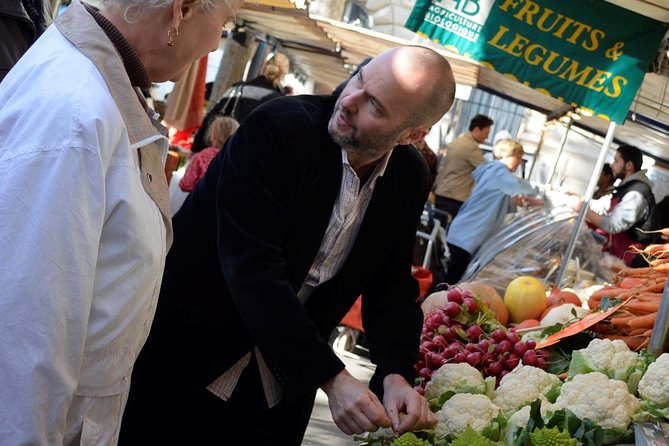
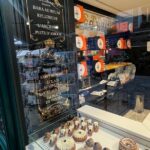
If you pick the 6-hour option, you head from the cookery school to an open-air food market near the Latin Quarter. This is one of the best ways to understand French cooking: you see what’s in season and why certain flavors get chosen.
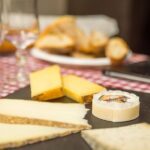
In the market portion, you’re not just shopping. You’ll also do a cheese tasting with your instructor. From what people describe, it isn’t random snacking. There’s teaching baked in—types of cheese and how to think about quality.
A useful detail: the chefs explain how to spot differences in food like origins and quality labels. That gives you a framework you can use later at any Paris market, not just this one.
Practical drawback: the market part can make you smell and sample things that are delicious. So yes, you might arrive ready to cook and then immediately want to taste everything again. If you’re sensitive to strong smells, plan for that.
The cooking school setup: stations that keep everyone moving
In the kitchen, the class is organized in a way that keeps you active. People often mention working at stations, where one ingredient or technique gets the focus. That matters, because French cooking can sound intimidating until it’s broken into steps you can actually do.
You’ll likely plan a 3-course lunch menu: an appetizer, a main dish, and dessert. Then you cook under the watchful eye of your instructor, with guidance for traditional techniques.
About the instructors: names that come up include Chef Luke, Chef Luc, Chef Paolo, and Chef Frédéric/Frederick. The style varies, but the common thread is clear, hands-on teaching. Many people highlight that explanations are detailed and that the chef stays patient while you learn.
If you love structure, this format is great. If you want total freestyle cooking with no guidance, this might feel too guided. But for learning French classics fast, it’s a solid fit.
What you’ll cook: a sample menu with classic French comfort
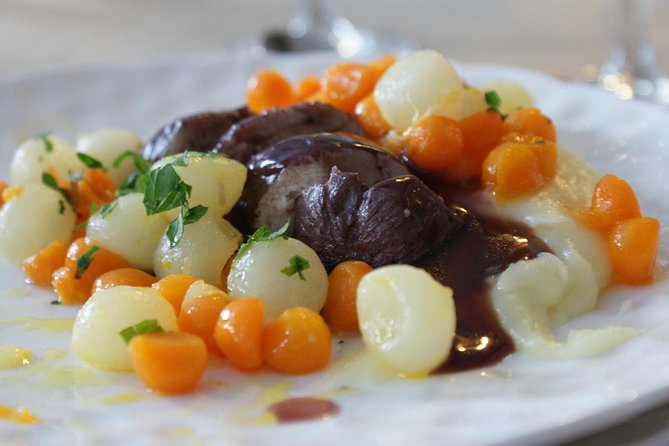
The menu depends on the class, but you’ll cook French dishes designed to be impressive and doable. A listed sample menu includes:
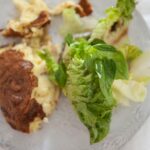
- Starter: salmon tartare with yuzu, served on soy-poached turnip
- Main: Parisian-style coq au vin
- Dessert: poached peach with raspberry coulis and homemade vanilla ice cream
Even if the exact dishes shift, the skills behind them tend to stay similar: balancing acidity, building flavor layers in mains, and getting texture right for desserts.
You’ll also learn plating and serving basics as part of the flow. People mention that everyone gets involved, sometimes collaborating when stations intersect. That turns the class into a team meal rather than a lone cooking lab.
The hands-on learning: techniques plus the why
This is where the class goes beyond simply cooking. People commonly talk about learning the science of cooking—how changes in heat, timing, and technique affect flavor and texture.
That showed up in notes about explanations that are both practical and in-the-moment. For example, people mention that the chef helps you with technique while you’re doing it, not after you mess it up. That’s the difference between reading recipes and actually learning.
One small detail that stands out as genuinely useful: the class includes tips on how to handle food properly and how to think through steps as you go. If you usually cook in autopilot at home, you’ll probably leave with a more confident approach.
What about the wine?
Wine isn’t treated like a separate party. It’s worked into the meal.
You can expect:
- a selection of different wines paired to your food during the experience
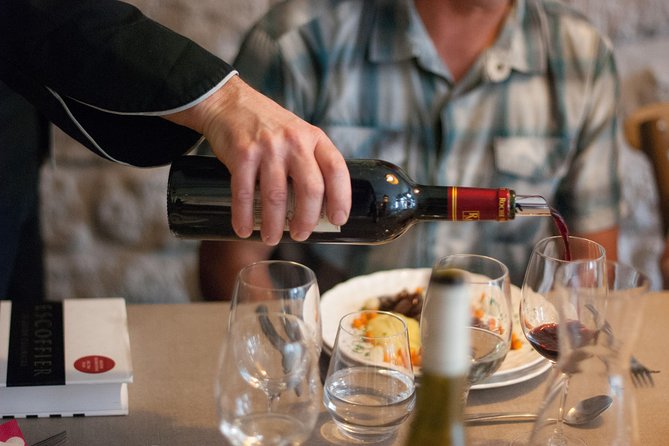
- then lunch with half a bottle of white or red wine per person
People also describe conversations around wine and food pairing. The goal is to help you notice why certain flavors match. That’s not only fun in the moment; it helps you order and cook better later.
Just remember: this is a drinking-age experience (18+ for the wine). If you’re under 18, you can’t participate in the wine portion, even if you can join the class.
Lunch at the table: you eat what you made
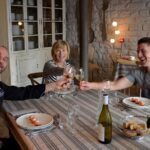
After about two hours in the kitchen, you sit down to the meal you created with your group. This part feels like the best reward system: your work turns into lunch without waiting for a restaurant to bring it.
The format also helps you learn through taste. You can connect what the chef taught—heat, seasoning, timing—with what you actually experience on your plate.
If you’re the kind of person who hates being rushed, you’ll probably appreciate the setup. You’re cooking as a group, then you switch modes to eating. That pacing keeps the day from feeling chaotic.
Big practical tip: because you’re doing a full 3-course meal plus wine, don’t schedule a big dinner later that night. Even if you think you will, you probably won’t.
Recipes you can recreate at home (and the pour tool)
Before you leave, you get electronic copies of the recipes. That means you can cook again without guessing quantities or steps. It’s also handy if you want to recreate your favorite dish for friends later.
A small but thoughtful inclusion: there’s a Drop-Stop provided for the perfect pour every time. If you love wine or you cook with sauces and want cleaner pours, this tool is actually useful, not just a random add-on.
People also mention that the recipes are not overly complicated. That matters because some cooking classes hand you dishes that look elegant but are hard to reproduce. This one aims for a blend of classic French flavor and realistic technique.
Price and value: is $240.65 worth it?
At $240.65 per person, you’re paying for more than a meal. You’re buying:
- a professional instructor and hands-on teaching
- use of equipment and required attire
- a 3-course lunch you prepare
- wine included (tastings plus half a bottle with lunch)
- optional market visit with cheese sampling (if you choose the 6-hour option)
- electronic recipe copies
- a Drop-Stop tool
In Paris, chef-led food experiences often come with a big price tag, but this one makes the day feel “complete.” You’re not paying only for ingredients or only for cooking. You’re paying for the whole package: guidance, structured stations, pairing ideas, and a meal at the end.
Whether it’s the right value depends on what you want from Paris.
- If you want a learning-focused foodie day, it’s strong value.
- If you already cook French food at home and want only a quick taste, you might prefer something shorter.
- If you’re on a tight schedule, picking the 4.5-hour option can still deliver the main cooking value without the market time.
Who this class suits best (and who should think twice)
This class is a great fit if you want:
- a small-group day that’s social but not crowded
- real technique practice, not just eating
- a classic French lunch that feels tied to place (especially with the Latin Quarter market option)
- wine pairing guidance that improves how you think about taste
You should think twice if:
- you’re not comfortable with wine being part of the schedule
- you want a very light meal day
- you have strong dietary limits that aren’t supported
Dietary reality check
You should advise any dietary requirements at booking. But there’s an important limitation: vegan and dairy-free diets can unfortunately not be accommodated in the regular classes.
That doesn’t mean nobody can help, but it does mean you should confirm your situation early. If you eat dairy or can handle substitutions, you’ll likely be fine. If you need vegan or fully dairy-free, plan accordingly.
Practical tips: make the day smoother
Bring stretchy pants. People mention this for a reason: cooking and tasting can add up quickly, and the meal ends up being plentiful.
Wear comfortable shoes. If you choose the market option, you’ll walk near the Latin Quarter area and you’ll spend time standing.
Also, don’t over-schedule immediately after. The class ends back at the meeting point, but you’ll likely want downtime afterward.
Finally, if you’re sensitive to pace, note that some instructors have a strong French accent and may speak quickly. It’s not a deal-breaker—just helpful to know so you can keep focused and ask questions if you miss a step.
Should you book this Paris cooking class with wine?
Book it if you want a genuinely hands-on Paris food day with a classic French lunch, wine pairing, and a structured way to learn techniques you can use at home.
Skip it (or choose a different style) if you’re looking for a quick tasting only, or if vegan/dairy-free requirements are non-negotiable for you.
If your idea of a great trip includes learning something useful, eating what you made, and leaving with recipes instead of only photos, this is a strong yes.
FAQ
Where is the meeting point for the class?
You meet at 59 Rue du Cardinal Lemoine, 75005 Paris, France.
How long is the experience?
The experience is listed as about 6 hours, with an option listed at about 4.5 hours.
Is the market visit included?
The market visit is only included with the 6-hour option.
What kind of lunch will we have?
You’ll plan and cook a 3-course lunch: an appetizer, a main, and a dessert.
Do you include wine with the lunch?
Yes. You’ll sample different wines paired to the food, and lunch includes half a bottle of white or red wine per person.
Can the class accommodate vegan or dairy-free diets?
In the regular classes, vegan or dairy-free diets unfortunately cannot be accommodated. You should advise dietary requirements at booking.
Can I cancel and get a refund?
You can cancel up to 6 days in advance for a full refund. Refunds drop to 50% if you cancel 2–6 days before, and if you cancel less than 2 days before, the amount paid is not refunded.
One last check before you book
If you’re aiming for a Paris experience that mixes skill-building with a satisfying meal, choose the 6-hour version if you want the Latin Quarter market and cheese tastings. Choose the shorter option if you’re tight on time but still want the hands-on cooking and wine lunch.