REVIEW · SEOUL
Local Home Korean Cooking Class & Market Adventure in Seoul
Book on Viator →Operated by Hello K Cooking Class · Bookable on Viator
Cooking in a Seoul home beats any show. You start at Mangwon Market, shop ingredients, cook four dishes, then sit down to a hanjeongsik feast with makgeolli. Sarah or Junghee walks you through the steps and the why, in a small group that keeps things friendly and not rushed.
I love the market visit part because it teaches you how Koreans actually think about ingredients, not just recipes. I also love that you learn by doing, with a small group size (up to 10) so the host can check your seasoning and timing as you go.
One possible drawback: you’ll be on your feet. It’s about 3 hours 30 minutes of market walking plus hands-on prep, so come with comfy shoes and an open mind.
In This Review
- Key highlights at a glance
- From Mangwon Station to Market Shoes: getting started fast
- Mangwon Market with a chef: herbs, seasonality, and snack breaks
- Hands-on cooking in a local home: bibimbap, dakgalbi, and technique
- The hanjeongsik feast: 10+ sides, dessert, and makgeolli
- Price and value: why $91 feels fair for what you get
- Who should book this class (and who might want a different plan)
- Small-group attention and host energy: Sarah and Junghee set the tone
- Should you book Hello K Cooking Class?
- FAQ
- FAQ
- Where do we meet for the tour?
- How long is the experience?
- How large is the group?
- What do we cook and eat?
- Will I receive a ticket on my phone?
- Is this near public transportation?
- What is the cancellation policy?
Key highlights at a glance
- Mangwon Station meeting point that’s easy to reach, then a guided market walk right away
- Street food tastings plus ingredient talk about herbs, spices, and what’s in season
- Hands-on cooking for four Korean dishes, including bibimbap and dakgalbi-style cooking options
- Hanjeongsik dinner with 10+ side dishes, dessert, and a glass of makgeolli
- Small group (max 10) for more attention, patience, and practical guidance
- Recipes and language tips, with hosts who often share Korean words during the class
From Mangwon Station to Market Shoes: getting started fast
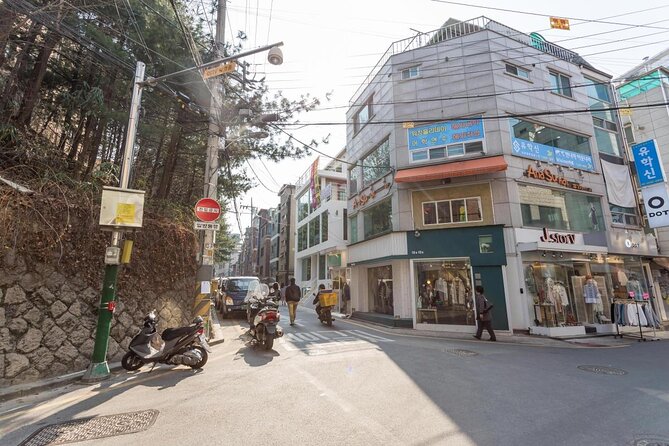
This experience starts at the Mangwon Station entrance at 377-20 Mangwon-dong, Mapo-gu. From there, the plan is simple: walk into the market area and start using your senses immediately. You’re not just watching someone shop—you’re learning how to select ingredients and how street food fits into everyday Korean eating.
The timing matters. The tour runs about 3 hours 30 minutes, so you get a full arc: market → cooking → eating. It feels efficient, not rushed, because the small group format keeps questions from piling up.
And yes, it’s designed around real life in a neighborhood, not a staged downtown set. If you like Seoul that feels like it has locals doing local things, you’ll appreciate this angle.
You can also read our reviews of more tours and experiences in Seoul.
Mangwon Market with a chef: herbs, seasonality, and snack breaks
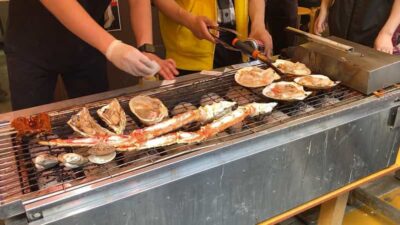
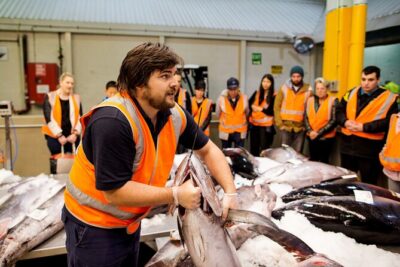
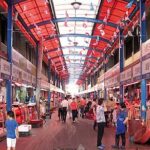
The guided market portion is the educational engine of the whole class. You’ll explore local street food options and learn about the ingredients used in Korean cooking, including typical herbs and spices. Even if you think you only came for the cooking, this part helps you understand what you’re putting in your dishes—and what swaps might change the flavor.
The best market moments are the small stops. A good example from the kind of hosts you get: you may get comparisons that actually help while cooking later, like learning how spring onions are used instead of chives. You might also sample familiar Korean snack foods as you walk, and the experience often includes quick pauses to explain names and how to buy things at stalls.
I also like that the market visit sets you up for a calmer cooking session. You’ll arrive knowing why certain flavors show up in Korean kitchens—so the class feels more like learning a system than copying a list.
Hands-on cooking in a local home: bibimbap, dakgalbi, and technique
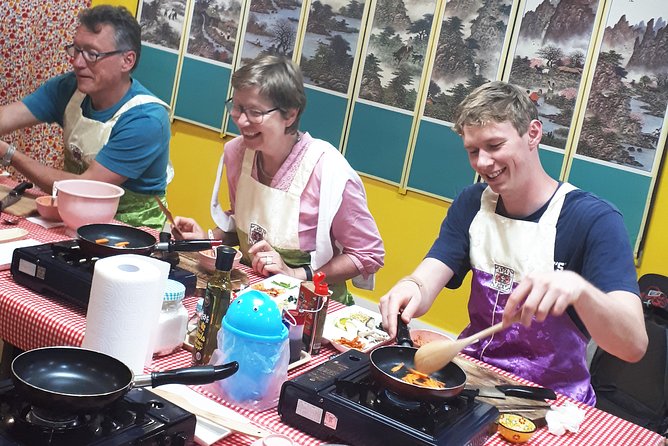
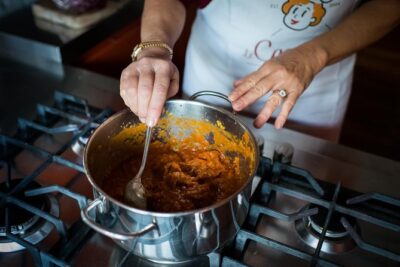
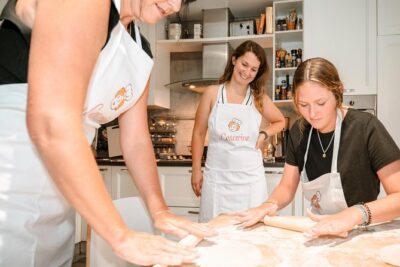
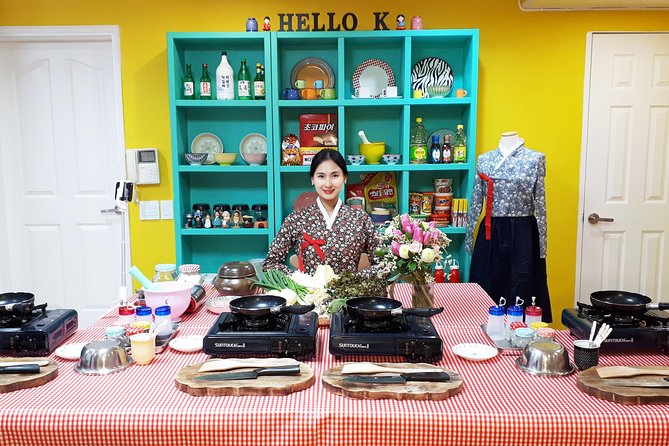
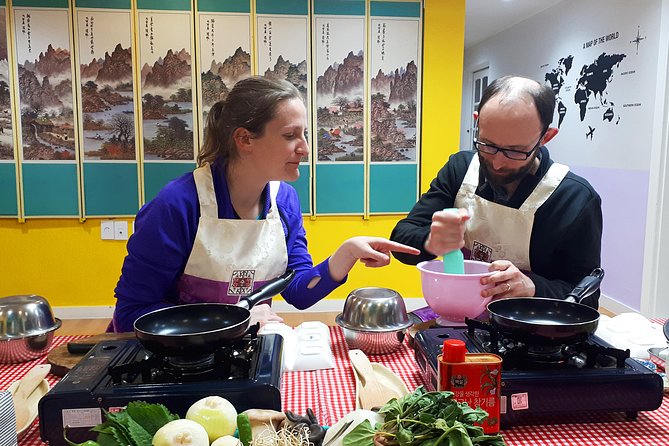
After the market, you move into a chef’s home for the cooking class. This is where the value really shows. You’re not doing a demo where someone else does the work. You’ll create four Korean dishes, with options including bibimbap rice and dakgalbi-style cooking.
The “at home” setting changes the vibe. It feels warmer and more personal, and the host can explain technique in a practical way, like how to manage timing or balance seasoning. Since the group is capped at 10, you’re more likely to get direct help when your chopping gets uneven or your sauce tastes a little flat.
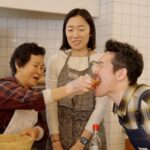
One of the most consistent positives in the reviews is that the class stays approachable, even for people who don’t cook much. Expect hands-on steps, clear guidance, and a relaxed pace. The hosts also often teach small Korean phrases along the way, which can be handy later when you’re ordering on your own.
If you’re traveling with teens or multi-generation family members, this part tends to land well too. The cooking tasks are active without being overly technical, and the market context makes the final dishes feel earned instead of random.
The hanjeongsik feast: 10+ sides, dessert, and makgeolli
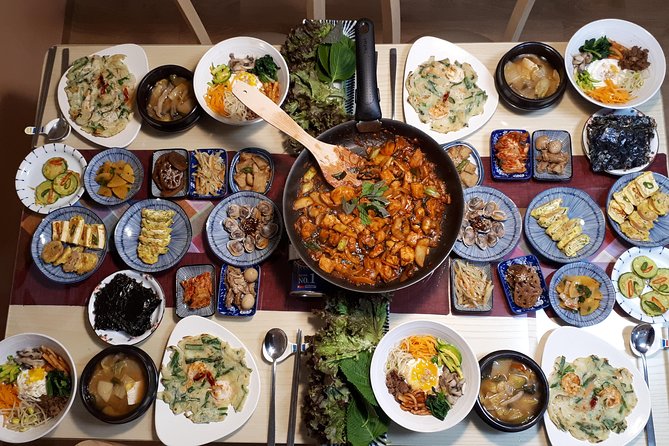
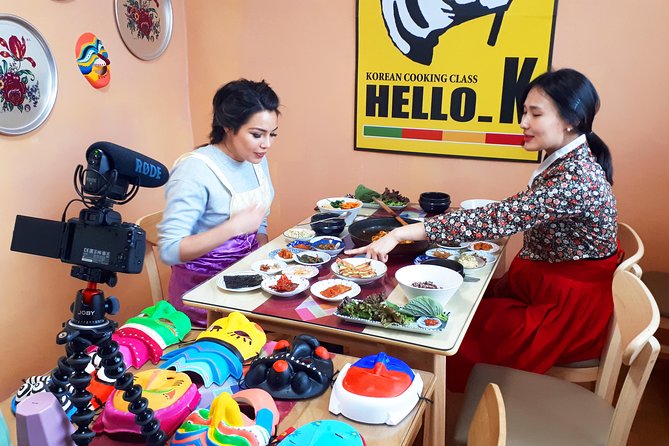
Then comes the meal you came for. Your dinner is a traditional hanjeongsik with over 10 side dishes, plus dessert. You’ll also be offered a glass of makgeolli, a Korean rice wine that fits the theme of eating like a guest at a home meal rather than grabbing something quick.
What makes this satisfying is the structure. You cook multiple components, then you eat them as a full table spread. It’s not just one plated main. Side dishes play a major role here, and that’s where you get the real sense of how Korean meals build flavor and variety.
Also, since your group is small, dinner time isn’t awkward. You’ll sit down, share what you cooked, and enjoy a meal that feels like a complete experience. It’s a nice contrast to Seoul’s faster restaurant culture. You get to slow down for a real course-style meal.
And yes, dessert shows up. That might sound small, but after market walking and cooking, a sweet finish makes the whole afternoon feel complete.
Price and value: why $91 feels fair for what you get
At $91 per person, this class isn’t trying to be the cheapest thing on your list. But it’s also not priced like a high-end tasting menu. For that money, you’re getting three major components that cost time and labor on their own:
- A guided market experience with street food tastings and ingredient guidance
- A hands-on cooking class at a real home with four dishes
- A traditional multi-side meal (hanjeongsik) with dessert and makgeolli
The small-group cap (max 10) boosts the value too. It’s the difference between learning and just being present. When you can ask questions and get help while you’re cooking, you leave with usable skills.
There’s another practical value: you often get recipe materials afterward. Some hosts also take photos during the class and share them, which is a nice memory bonus when you’re back home planning your own kitchen attempt.
If you’re the kind of traveler who wants a day that changes what you can do, not just what you can photograph, this price makes sense.


Who should book this class (and who might want a different plan)
This works best if you want Korean food culture in a hands-on format. You’ll like it if you enjoy markets, you want to understand ingredients, and you’re curious about how a Korean home meal is built across multiple side dishes.
It also tends to fit family travel. The cooking part is engaging for older kids and teens, and the meal format is social without being complicated.
You might hesitate if you strongly dislike walking or active prep. The tour is long enough to require stamina, and the cooking is real work, not just watching. If you prefer a completely seated experience, you may find the market-to-kitchen flow a bit demanding.
Small-group attention and host energy: Sarah and Junghee set the tone
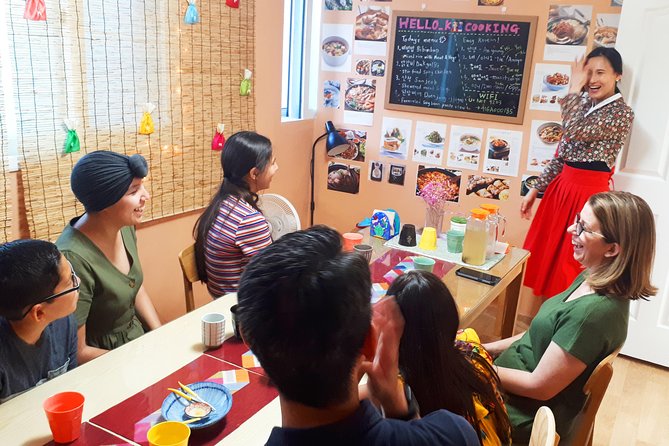
A lot of the praise centers on the hosts themselves. You may meet Sarah or Junghee, and both styles show up in the same way: friendly, interactive, and focused on making the class feel natural. Hosts often keep the mood light with laughs, which is more than entertainment. It helps you relax so you can actually learn.
English ability is another big factor. When the host can explain ingredients clearly and patiently, you benefit more from each step—especially with seasoning, timing, and how to assemble dishes.
The best part is the back-and-forth. You’re not stuck with a one-way lecture. The host typically checks in as you cook, answers questions, and shares small, practical tips. Some hosts also provide language tips and even help you use what you learned later while ordering food around Seoul.
Should you book Hello K Cooking Class?
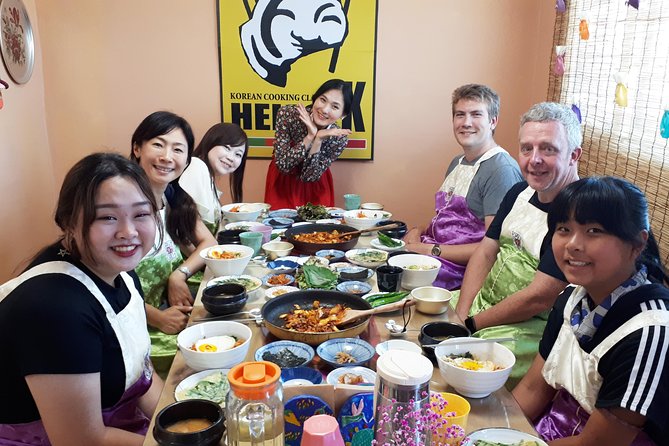
If you want more than a restaurant meal, book it. This is one of those afternoons where you leave with a deeper feel for Korean cooking—because you shop for ingredients, cook real dishes, and then eat them as a full hanjeongsik table.
I’d especially recommend it if:
- you enjoy markets and want to learn what to look for
- you want a small group experience with hands-on coaching
- you like the idea of cooking bibimbap and dakgalbi styles and then tasting a multi-side dinner
Skip it (or choose something else) if you need a fully seated activity or you’re traveling with very limited mobility. The market walking and prep are part of the point.
FAQ
FAQ
Where do we meet for the tour?
You meet at the Mangwon Station entrance, at 377-20 Mangwon-dong, Mapo-gu, Seoul, South Korea.
How long is the experience?
The cooking class and market adventure lasts about 3 hours 30 minutes.
How large is the group?
The tour/activity has a maximum of 10 travelers.
What do we cook and eat?
You’ll cook four Korean dishes (including options like bibimbap rice and dakgalbi). You’ll also enjoy a traditional hanjeongsik dinner with over 10 side dishes, dessert, and a glass of makgeolli.
Will I receive a ticket on my phone?
Yes, the experience includes a mobile ticket.
Is this near public transportation?
Yes, it’s near public transportation.
What is the cancellation policy?
Free cancellation is available. You can cancel up to 24 hours in advance for a full refund, based on the experience’s local time.