REVIEW · TOKYO
Traditional Antiques Market Tour Tokyo
Book on Viator →Operated by Sayuki · Bookable on Viator
Shopping with a geisha guide changes your whole day. I especially like the shrine-side market focus and the fact that Sayuki helps with bargaining so you can aim for a fair price. The big drawback to consider is timing: antique markets near shrines don’t run on a strict weekly schedule, so you’ll want to double-check your exact day before you plan expensive travel.
This is a 2–3 hour daytime outing that starts at 9:00am and keeps things simple: meet at Tomioka Hachiman Shrine, shop, then return to the same point. It’s priced at $170.60 per group (up to 4), which can be a smart deal if you’re traveling with friends, but it may feel steep if you’re going solo.
You’ll get a mobile ticket and a small group cap (maximum 20), which usually means less waiting around and more time at stalls. Just keep in mind that one unhappy experience highlighted a real risk—showing up when the market wasn’t operating—so treat this as a fun shopping plan, not a guaranteed grab-everything treasure hunt.
In This Review
- Key things to know before you go
- Sayuki’s Geisha-Style Market Mission: What This Tour Gets Right
- Price and Group Value: Paying $170.60 for Up to Four
- Meeting at Tomioka Hachiman Shrine: How the 9:00 Start Shapes Your Day
- The Shrine Market Browsing: Where You’ll Find Japanese Curios
- Bargaining Without Stress: Letting Sayuki Negotiate
- Timing Risk at Shrine Markets: Plan for the Day-Of Reality
- Who This Tour Suits Best (and Who Might Want Independence)
- Should You Book Traditional Antiques Market Tour Tokyo?
- FAQ
- What is the price of the Traditional Antiques Market Tour Tokyo?
- How long is the tour?
- Where does the tour start and where does it end?
- What time does the tour start?
- Is a ticket included?
- What’s included in the tour besides the market admission?
- What is not included?
- How big is the group?
- What kind of ticket do I receive?
- Can I get a refund if I cancel?
Key things to know before you go
- Sayuki will bargain for you, aiming to help you avoid overpaying
- Outdoor shrine markets are the core setting, so you’ll see traditional shopping in its natural spot
- Japan souvenir shopping that isn’t cookie-cutter, with items like kimono-related goods and geisha-themed souvenirs
- Small group size (up to 20) keeps the tour moving and limits crowd friction
- Timing matters: shrine markets may not be held every week, so confirm your day
Sayuki’s Geisha-Style Market Mission: What This Tour Gets Right
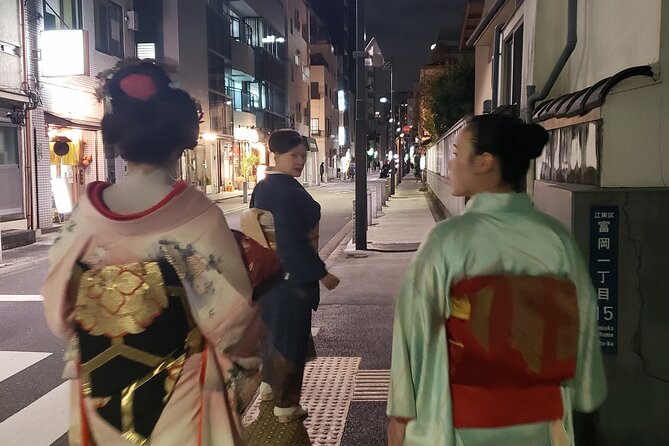
This tour is built around one very Japanese idea: shopping for everyday culture in places that locals already treat as part of community life. The centerpiece is antique and collectables shopping at outdoor shrine areas, guided by Sayuki, a geisha guide who can also help you interpret what you’re seeing as you walk from stall to stall.
The best part for most people is the bargaining support. If you’ve ever tried negotiating politely with limited language skills, you know how stressful it can get—especially when you’re tired from walking and want to move on. Here, the tour is set up so Sayuki helps with price talk, so you spend your energy picking out gifts rather than trying to translate every number.
Second, I like that this isn’t only about branded shopping or modern souvenir traps. You’re looking for distinct items tied to Japanese arts and aesthetics. The tour information points to traditional goods you might recognize at a glance—like kimono robes and geisha-themed items such as geisha pillows. And it even mentions more dramatic examples you may see on offer, including samurai sword-related souvenirs (typically the kind that are sold as collectibles, not anything you’d treat as a weapon).
The main “watch out” is that markets can be weather-dependent and schedule-dependent. This isn’t a museum with fixed hours. It’s a market scene attached to a shrine, so if you show up on a day when stalls aren’t operating, your shopping plan can turn into a walk with fewer options.
You can also read our reviews of more tours and experiences in Tokyo.



Price and Group Value: Paying $170.60 for Up to Four
Let’s talk value in plain terms. The price is $170.60 per group, with a maximum group size of up to 4. That means your per-person cost changes a lot depending on whether you come with others.
- If you’re a group of four, it can work out to roughly $42–$43 per person for a guided shopping session that includes bargaining help.
- If you’re traveling as a duo, you’re paying closer to a third of the full group price per person than a solo traveler would.
Either way, you’re paying for two things: a guide who knows the market flow and can negotiate, plus a structured 2–3 hour shopping window. If you enjoy shopping but hate the “hunting and bargaining” part, this price can feel fair. If you’re the type who likes to wander independently, bargain on your own, and take your time exploring multiple neighborhoods, you might decide to skip the tour and build your own route.
Meeting at Tomioka Hachiman Shrine: How the 9:00 Start Shapes Your Day
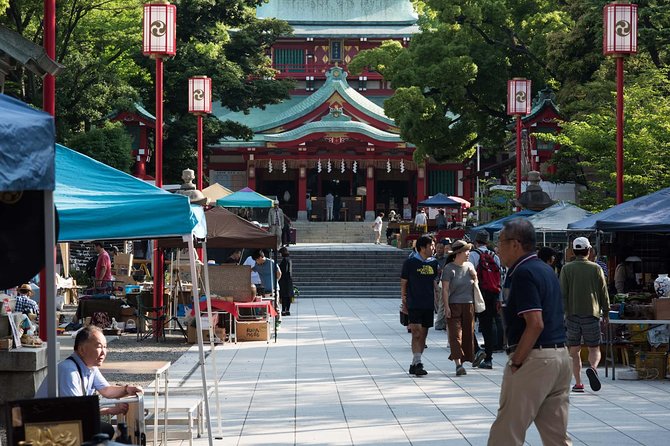
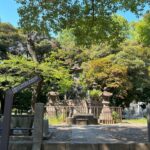
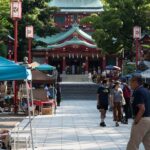
The tour starts at 9:00am at Tomioka Hachiman Shrine (1-chōme-20-3 Tomioka, Koto City, Tokyo 135-0047). It ends back at the meeting point. That matters because shrine-area shopping is often best earlier in the day, when you have more energy and you’re not constantly fighting crowds.
The duration is listed as 2 to 3 hours, so this is not an all-day shopping marathon. You should treat it like a focused hit: show up ready to walk, look closely, compare stalls, and decide while things are still fresh in your mind.
You’ll also get a mobile ticket, and the tour is described as near public transportation. That helps if you want to connect it to other daytime plans—like visiting a nearby attraction after you finish.
One more practical point: you’re going to spend time on your feet. The advice is clear—wear comfortable walking shoes—and that’s not just boilerplate. Outdoor shrine areas can mean uneven ground, steps, and standing around while bargaining happens.
The Shrine Market Browsing: Where You’ll Find Japanese Curios
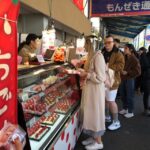
The tour’s itinerary is centered on an outdoor shrine market area, with Sayuki guiding you to one of Tokyo’s shrine locations where antiques and collectables are sold. Even within a single shrine setting, these markets can feel like a small ecosystem: lots of stalls in close proximity, different sellers offering different kinds of goods, and enough variety that you’re not limited to one product type.
Based on the tour description, you can expect traditional items in several categories:
- Kimono-related goods, including what you might recognize as robes or fabric-style souvenirs
- Geisha-themed souvenirs, such as geisha pillows
- Samurai-themed collectibles, including sword-related items sold as curios or decorative collectibles
- General antiques and collectables that are often tied to Japanese craft and everyday cultural aesthetics
What’s valuable here is not just the items themselves—it’s the buying context. You’re shopping at a traditional location where these kinds of goods are naturally displayed. That means you’ll likely see more variety than if you only shop at modern tourist stores, and you’ll get practice noticing the differences between similar-looking souvenirs.
Also, the itinerary note says an admission ticket is included for the market experience portion. At the same time, the listing also indicates there are no fees to enter the market, which suggests you shouldn’t be hit with additional entry charges once you’re there. The practical takeaway: most of your spending should be on the items you choose, not surprise access fees.
Bargaining Without Stress: Letting Sayuki Negotiate
Bargaining is where this tour can feel like it earns its keep. The included promise is simple: Sayuki helps you bargain and helps you get a fair price, described as a way to save money.
This matters because bargaining doesn’t work like “buy anything you want, just ask for a discount.” It’s closer to a conversation about value and a chance to avoid misunderstanding. When you’re dealing with a language gap, you may not realize you’re making offers that don’t make sense culturally—or you may not know when to walk away.
With a guide doing the negotiation, you gain:
- Less stress while standing at the stall
- A smoother rhythm for comparing prices across nearby options
- A better chance of avoiding extreme markups
One more benefit: if your budget is limited, bargaining help can keep you from overextending. You can focus on picking only the items that feel right, rather than buying something just because you already feel awkward negotiating.
Just remember: bargaining results aren’t magic. The market may be competitive, items may be priced to reflect condition, and sellers may not have flexibility on everything. Still, the structure is built so you don’t have to do the hardest parts alone.



Timing Risk at Shrine Markets: Plan for the Day-Of Reality
Here’s the honest issue, and it’s worth saying clearly. In one reported case, a buyer felt the experience did not happen as expected: the tour operator listed the activity for a week, but the antique market was not held on the scheduled day. The buyer traveled to the shrine and found no market, then tried to contact the operator without success, and only got a refund after escalating to the booking platform’s support.
Now, I can’t tell you this happens every time. The overall rating shows the experience isn’t universally bad. But you should treat this as a real possibility because it fits the nature of shrine markets: they can be irregular.
How to reduce the risk before you go:
- Confirm the market is operating on your exact date, not just that the tour runs generally
- Keep your confirmation details handy on your phone
- If you’re on a tight schedule, don’t make this your only antiques plan. Build in a backup shopping option nearby
If you’re the kind of traveler who gets stressed when plans depend on local schedules, this is the one part of the tour you should think hard about. If you can handle the possibility of fewer stalls and still enjoy walking a shrine area, the experience can still be worthwhile.
Who This Tour Suits Best (and Who Might Want Independence)
This tour fits best if you want cultural shopping with guidance and you’re okay with a short, focused outing.
You’ll likely enjoy it if:
- You want a hand with bargaining and prefer not to negotiate from scratch
- You like shopping for souvenirs that feel tied to Japanese culture, not just generic keepsakes
- You’re traveling in a small group where the group price makes sense
- You enjoy market scenes and don’t mind walking and browsing for a couple hours
You might reconsider if:
- You’re the type who needs certainty. Shrine market irregularity is the main vulnerability here.
- You already know where you want to shop and you’re comfortable negotiating and navigating on your own.
- Your entire Tokyo schedule is built around this being guaranteed market time.
Also, this activity states most travelers can participate, service animals are allowed, and it’s near public transportation, which generally makes it easy to plug into a day.
Should You Book Traditional Antiques Market Tour Tokyo?
I’d book this if you’re excited by the idea of shopping with a geisha guide, letting Sayuki handle bargaining, and focusing your search around a shrine market setting. The group-price structure (up to 4) can be a strong value lever, especially compared to what you’d pay for a guided shopping experience that doesn’t include negotiation help.
But book with your eyes open. The strongest reason to pause is the possibility that the market doesn’t run every week, as shown by at least one unhappy day-of outcome. If your travel days are flexible, you’ll absorb that risk better. If not, verify the market is operating on your date and keep a Plan B for souvenirs.
Bottom line: if you want a culturally grounded shopping session and you like the idea of not having to bargain alone, this can be a fun, practical Tokyo experience. Just don’t treat it like a locked-in appointment.
FAQ
What is the price of the Traditional Antiques Market Tour Tokyo?
The price is $170.60 per group, up to 4 people.
How long is the tour?
It lasts about 2 to 3 hours.
Where does the tour start and where does it end?
The tour starts at Tomioka Hachiman Shrine in Koto City and ends back at the meeting point.
What time does the tour start?
The start time is 9:00am.
Is a ticket included?
Admission ticket is included for the market portion of the tour.
What’s included in the tour besides the market admission?
The tour includes help with bargaining.
What is not included?
The information lists no fees to enter the market.
How big is the group?
The maximum group size is 20 travelers.
What kind of ticket do I receive?
You receive a mobile ticket.
Can I get a refund if I cancel?
The experience is non-refundable and cannot be changed for any reason.