REVIEW · TOKYO
Tokyo: Private Tsukiji Fish Market Tour with 3 Food Stops
Book on Viator →Operated by Trip Port · Bookable on Viator
Fish smells hit before you even start, and this private Tsukiji walk uses a local guide to connect food traditions to the streets around the market. You get a simple route that mixes market energy with two spiritual stops, so the trip feels more like an everyday Tokyo morning than a checklist.
I really like the 3 food stops picked for you, not randomly. I also like that you’re guided through Namiyoke Inari Shrine and Tsukiji Hongwanji (Honganji) Temple, so you see how different faith spaces sit inside working Tokyo.
One possible drawback: it’s a short, walking-focused tour (about 2 hours), so if you want lots of tasting variety beyond the three included foods, you’ll need to plan on buying extras yourself.
In This Review
- Key things to look forward to
- Entering Tsukiji With a Private Local Guide
- Meeting Point at Lawson Tsukiji 4 Chome
- The 2-Hour Route: How Time Gets Used
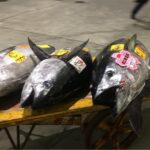
- Stop 1: Tsukiji Fish Market and What Your Guide Points Out
- Namiyoke Inari Shrine: Lion Heads and Edo-Period Protection
- Stop 3 Food Time: Three Street Foods Picked for You
- Stop 4: Tsukiji Hongwanji Temple and Indian-Inspired Architecture
- Price and Value: Is $52.12 Worth It?
- The Guide Makes the Difference (Cass’s Example)
- What You’ll Learn Without Being Lectured
- Who This Tour Suits Best
- Should You Book This Tsukiji Private Tour?
- FAQ
- FAQ
- How long is the Tsukiji private tour?
- What does the tour cost?
- Where do we meet for the tour?
- Where does the tour end?
- Is it a private tour or shared group?
- What’s included in the tour price?
- Are admissions and food covered?
- Do I get a mobile ticket?
- What is the cancellation policy?
Key things to look forward to
- Three must-try street foods included, selected by a Japanese guide
- Tsukiji Fish Market with time to actually walk and read the scene
- Namiyoke Inari Shrine and its Edo-period connection to Tsukiji
- Hongwanji Temple (Indian-inspired architecture) for a contrast to Shinto
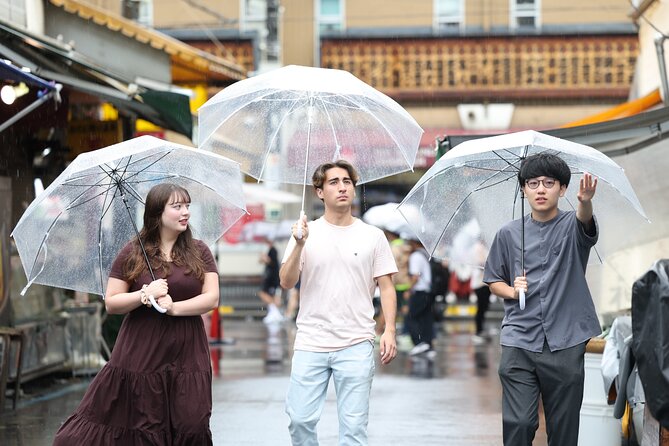
- Private tour format, just your group, with a guide who talks through what you’re seeing
Entering Tsukiji With a Private Local Guide
Tsukiji works best with a guide, because the market is made of small details. You’re not just looking at seafood, you’re learning the everyday logic behind what people buy, how stalls operate, and why certain ingredients matter so much to Japanese cooking.
You’ll start in the Tsukiji area with a private local guide and a smooth route that keeps moving. This is ideal if you want your first contact with Tsukiji to feel grounded and useful, especially if you’re worried about getting overwhelmed in a place that’s visually loud and fast.
The tour runs about 2 hours on foot. It’s structured with set time blocks, but it still gives you freedom to look around with your guide’s help.
You can also read our reviews of more tours and experiences in Tokyo.

Meeting Point at Lawson Tsukiji 4 Chome
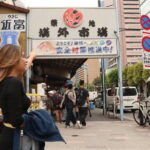
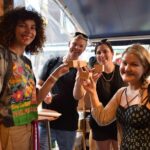
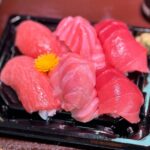
Plan to meet at LAWSON Tsukiji 4 Chome Store at 4-chōme-8-1 Tsukiji, Chuo City, Tokyo 104-0045. Meeting at a clear, recognizable convenience store helps a lot in Tokyo, and it also means you’re starting near public transportation.
The tour ends back at the same spot. That matters because you don’t have to figure out how to get back after you’re done walking and eating.
You’ll use a mobile ticket, so you’ll want to have your phone charged and ready.
The 2-Hour Route: How Time Gets Used
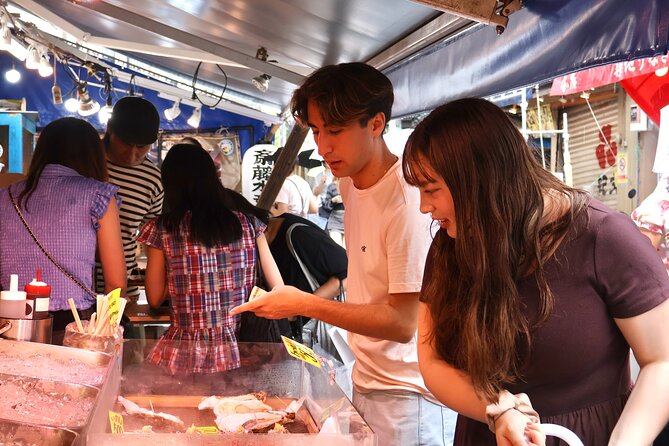
This tour is designed for a quick but complete feel. Here’s how the pacing works in practice:
- Stop 1 (about 30 minutes): Tsukiji Fish Market
- Stop 2 (about 15 minutes): Namiyoke Inari Shrine
- Stop 3 (about 45 minutes): Tsukiji market food time
- Stop 4 (about 20 minutes): Tsukiji Hongwanji Temple
That split is smart. You get a first sweep of the market atmosphere, then you shift gears to a shrine, then you return with an appetite for the included street foods, and finally you finish with a Buddhist temple visit.
If you hate slow tours that feel like you’re standing in one place, this timing style should work well. If you’re someone who wants to linger and watch everything without moving, you may feel the schedule nudges you along.
Stop 1: Tsukiji Fish Market and What Your Guide Points Out
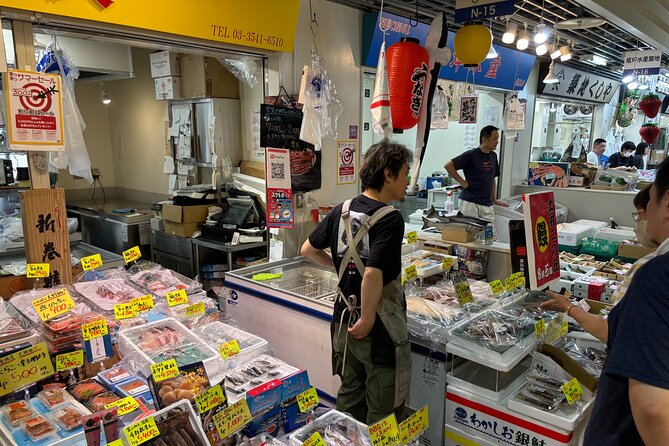
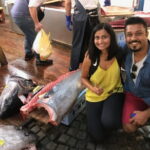
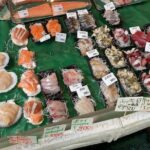
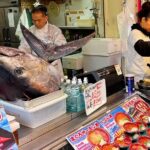
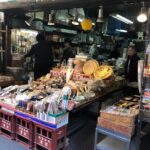
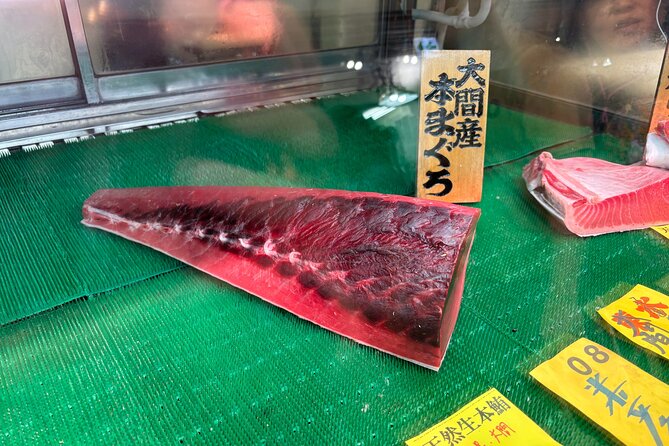
At the start, you’ll walk through lively market stalls filled with fresh seafood, produce, and traditional ingredients. The goal here isn’t to force-feed facts. It’s to help you recognize what you’re seeing and understand why the market stays central to Japanese cuisine.
A guide makes the difference between seeing objects and understanding systems. I love tours where the guide explains how daily tradition shapes what ends up on plates later. Here, that’s exactly the vibe: your guide shares the market’s history and why it matters for how people eat.
Admission is listed as free for this stop, so you’re paying mainly for the guide and the time. The value comes from what you learn while you’re walking, not from a paid entry gate.
Practical tip: wear shoes you can move in comfortably. This is a market walk, not museum pacing.
Namiyoke Inari Shrine: Lion Heads and Edo-Period Protection
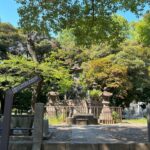
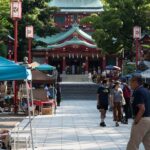
Next you’ll head to Namiyoke Inari Shrine. This stop is short on purpose (about 15 minutes), but it changes the mood. You go from market commerce to prayer and ritual in a way that’s easy to feel even without religious background.
Namiyoke Inari is known for its powerful lion heads, and the shrine is described as having protected Tsukiji since the Edo period. That Edo-period connection is one of the more interesting details in the whole route, because it frames the market as something that sits within a long local story, not just a modern attraction.
Watch how locals pray for safety and good fortune. That’s the moment where you start seeing the market through a different lens. Food isn’t only taste here. It’s also risk, protection, and everyday wishes tied to a place where livelihoods depend on steady flow.
Admission for this stop is included, which is a nice bonus given you’re already paying for a private guide.

Stop 3 Food Time: Three Street Foods Picked for You
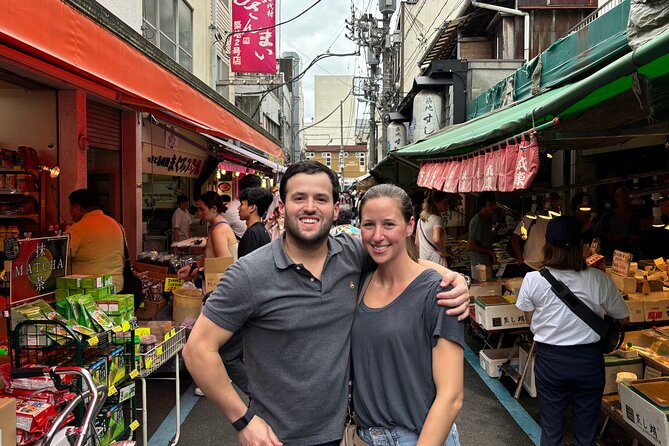
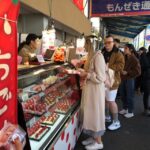
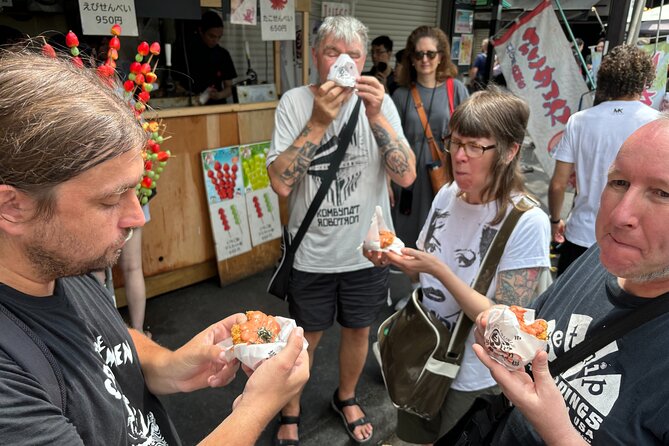
The middle-to-late part of the tour is where you eat. You’ll return to the Tsukiji area for about 45 minutes devoted to included street foods.
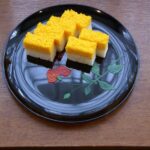
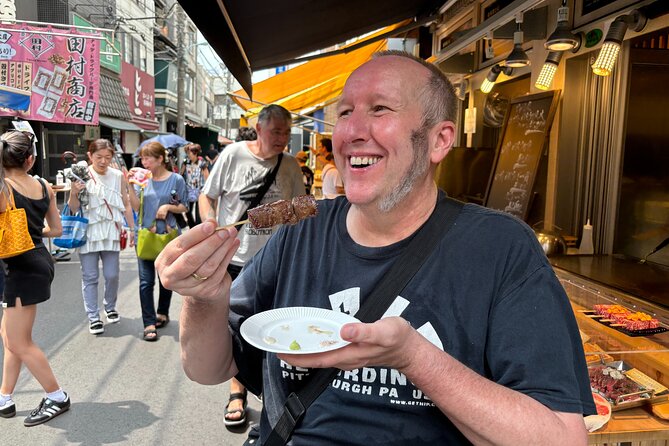
You’ll try three must-try foods that your Japanese guide chooses. That matters more than it sounds. When someone who knows the area selects the items, you’re less likely to end up with foods that are only popular with tourists. The tour is built around local preference, meaning you’re tasting what the neighborhood treats as normal and worth sharing.
Also, your guide isn’t silent while you eat. They point out what you’re looking at and help you understand the context behind the choices. That’s how you turn snacks into learning.
One consideration: the tour includes three foods, not unlimited sampling. If you’re a big eater who wants a wider tasting menu, you’ll likely want to budget for extra food before or after the tour.
The upside is that you still leave with a clear sense of what Tsukiji food culture feels like, without spending your whole day waiting in lines or trying to decide what to order.
Stop 4: Tsukiji Hongwanji Temple and Indian-Inspired Architecture
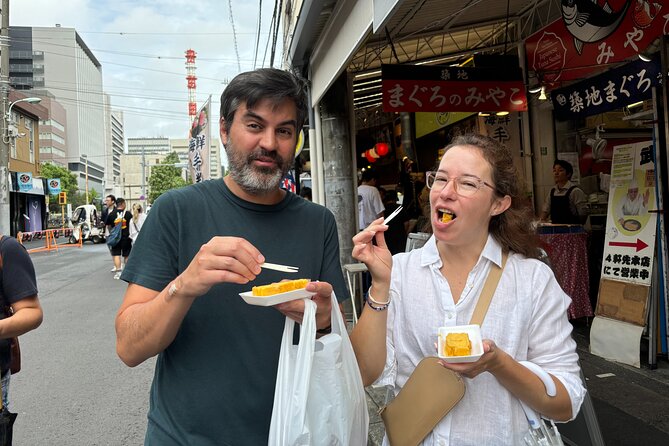
After the food, you’ll visit Tsukiji Hongwanji Temple (also written as Tsukiji Honganji). This is about 20 minutes, and it’s a striking change in tone.
The temple is described as having Indian-inspired architecture, which makes it visually different from what many first-timers expect in Tokyo. Even if you don’t read every detail, you’ll feel the transition: this is a place of belief and reflection after a market full of transactions and practical needs.
Your guide will explain the temple’s history and also the religious views commonly held in Japan. The real value isn’t memorizing names. It’s experiencing the contrast between Japan’s two major traditions—Shinto represented by the shrine stop, and Buddhism represented here.
Admission is listed as free for this stop, so again, you’re paying primarily for interpretation and time with your guide.
Price and Value: Is $52.12 Worth It?
At $52.12 per person for about 2 hours, this isn’t a budget mega-deal, but it also isn’t trying to be one of the cheapest options. The value comes from combining four things:
- Private guide attention (not sharing your questions with strangers)
- Three included street foods
- Two spiritual stops (shrine plus temple), with guided context
- Photos during the tour sent at the end
If you were to do Tsukiji independently, you’d likely spend time figuring out what to eat and where to go, and you might still end up with a less coherent route. Here, the tour gives you a ready-made plan and someone to interpret what you’re seeing.
Also, note that some admissions are listed as free or included, which helps keep your out-of-pocket costs predictable. If food is a priority, three guided tastings are a meaningful chunk of value.
My take: this price feels fair if you want your first Tsukiji experience to be practical and guided, not just a photo mission.
The Guide Makes the Difference (Cass’s Example)
One of the strongest signals from past experiences is how much guests appreciated the guide’s insight. A review highlighted Cass as a guide with a lot of insight into the history of the market and the shrines.
That aligns with what the tour is designed to do. You’re walking through places where stories matter, and your guide helps you connect the visual cues (stalls, shrine features, temple architecture) to the why behind them.
If you enjoy tours where you ask questions and get clear answers, this private format is a good match. If you’re the type who prefers silence and quick movement, you might need to guide your guide with what you want to hear more about.
What You’ll Learn Without Being Lectured
Even though the tour includes history and spiritual context, the structure keeps it from turning into a lecture. Your guide shares stories as you move, tied to what’s in front of you.
That makes it easier to remember and harder to feel bored. You come away with a mental map of Tsukiji that includes:
- how the market’s role connects to Japanese cuisine
- why Namiyoke Inari is linked to Tsukiji since the Edo period
- how Indian-inspired Buddhist architecture presents a visual and cultural contrast
- what the guide considers worth eating on the street
This is the kind of learning that helps you later when you walk around Tokyo and start noticing how people use food, ritual, and space in everyday life.
Who This Tour Suits Best
This tour fits best if you:
- want an organized Tsukiji introduction that doesn’t require a ton of planning
- enjoy eating with guidance, especially street foods chosen for you
- like cultural context, but you still want to be moving and tasting
- prefer a private experience where you can go at your group’s pace
It may be less ideal if you:
- dislike walking through crowded areas
- want a long tasting menu with many more than three foods
- need a fully seated, low-step tour style (this is described as a walking experience)
Should You Book This Tsukiji Private Tour?
Book it if you want a solid first Tsukiji experience with three included foods, plus guided stops at Namiyoke Inari Shrine and Tsukiji Hongwanji Temple. The route is short enough to fit into a busy Tokyo schedule, but it still covers market food culture and Japan’s Shinto-and-Buddhism contrast in a way that feels coherent.
Skip it if you already know exactly what you want to eat and you’d rather explore Tsukiji at your own pace without a guide.
FAQ
FAQ
How long is the Tsukiji private tour?
The walking tour is about 2 hours.
What does the tour cost?
The price is listed as $52.12 per person.
Where do we meet for the tour?
You meet at LAWSON Tsukiji 4 Chome Store, 4-chōme-8-1 Tsukiji, Chuo City, Tokyo 104-0045, Japan.
Where does the tour end?
The tour ends back at the meeting point.
Is it a private tour or shared group?
It’s a private tour/activity, so only your group participates.
What’s included in the tour price?
The tour includes expert guidance, the 2-hour walking tour covering Tsukiji Fish Market, Namiyoke Inari Shrine, and Hongwanji Temple, 3 must-try foods, and photos sent at the end.
Are admissions and food covered?
Admissions are listed as free for Tsukiji Fish Market and Tsukiji Hongwanji Temple, and Namiyoke Inari Shrine is listed as included. The 3 foods are included in the tour.
Do I get a mobile ticket?
Yes, the tour includes a mobile ticket.
What is the cancellation policy?
You can cancel for free up to 24 hours in advance for a full refund, with cut-off times based on the experience’s local time.