REVIEW · TOKYO
Tokyo Sushi Making Class in Tsukiji with Professional Chef
Book on Viator →Operated by Japan Wonder Travel · Bookable on Viator
Tsukiji teaches sushi fast. This short, hands-on class in Tokyo’s Tsukiji area pairs a pro fish-cutting demo with step-by-step lessons on making nigiri and rolled sushi. You’re not just watching—you’re learning how sushi is built, piece by piece.
I love how practical it is: you make 5 different nigiri and 1 rolled sushi, then eat what you make as lunch. I also like that the experience is supported by an English-speaking host alongside the sushi master, with names you may see in past groups including Yuko, Yugo, Yoko, Eri, Emma, and others.
One thing to consider: the classroom is on the third floor in a traditional building with stairs only. If stairs are tough for you, plan your day accordingly.
In This Review
- Key highlights I’d plan around
- Tsukiji sushi class: a focused 90-minute skill session
- Where you’ll meet in Tsukiji and how to plan your arrival
- The first act: watching fish disassembly and knife basics
- Nigiri practice: making 5 pieces that teach you the core technique
- Rolling your maki-style sushi: from seaweed sheet to bite-sized roll
- What you eat: lunch built from your six pieces plus fresh wasabi
- The Tsukiji market stops: why they matter (and what to watch for)
- The price: why $49.74 is good value for a chef-led class
- English support and chef-led teaching: what “beginner-friendly” means here
- Practical tips so you get the best outcome
- Who this is best for—and who might prefer another option
- Should you book this Tsukiji sushi-making class?
- FAQ
- How long is the Tokyo sushi making class in Tsukiji?
- What does the class include for lunch?
- Do I need to be an experienced sushi maker?
- Is there an English-speaking guide during the class?
- Where do I meet for the class?
- Is transportation or hotel pickup included?
- What market areas do you visit during the experience?
- Is the classroom accessible if I can’t do stairs?
- Can you accommodate kosher or halal requests?
- What if I have food allergies?
Key highlights I’d plan around
- Fish disassembly show before you cook: you see how sushi fish gets handled, not just plated.
- Knife talk that actually matters: you learn why sharp tools and technique are part of sushi.
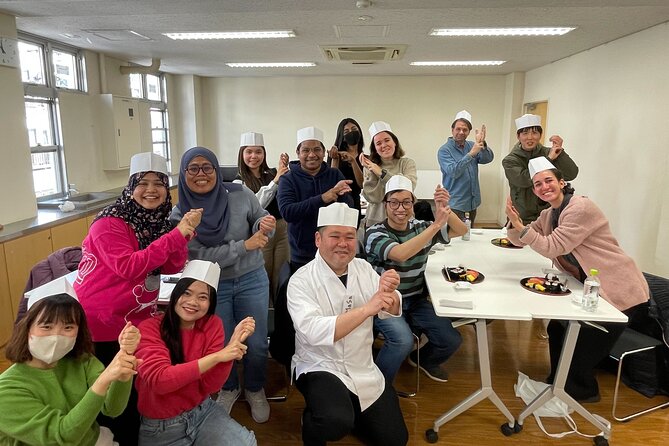
- Real hands-on practice: you’ll form both nigiri and maki-style rolled sushi.
- Lunch is included—and it’s your work: you eat the sushi you make.
- Small-group feel (up to 20): the class stays structured and easier to follow.
- Market location in Tsukiji: the course is tied to the fish market setting, not a generic kitchen.
Tsukiji sushi class: a focused 90-minute skill session
This is a short workshop—about 1 hour 30 minutes—so it fits into a crowded Tokyo day without turning into a half-day project. The big win is how the class is paced: you watch, you learn, and you make your own sushi before the session ends.
If you love Japanese food, I think this one hits the sweet spot. You get technique, context, and a meal. And you leave with something you can actually reproduce at home, not just a photo.
You can also read our reviews of more tours and experiences in Tokyo.

Where you’ll meet in Tsukiji and how to plan your arrival
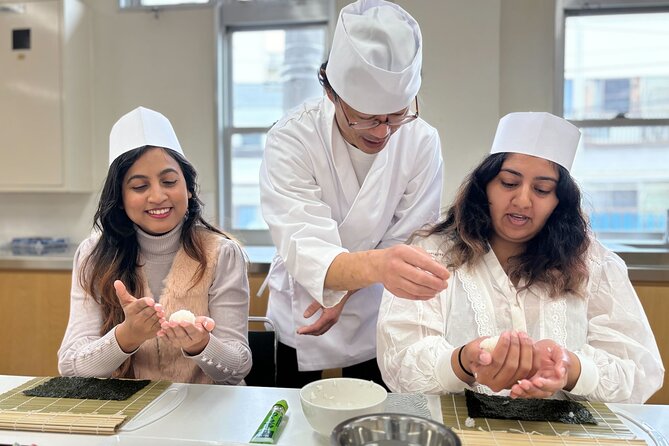
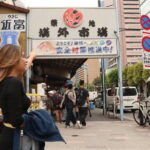
You’ll meet at 千社額棟4-chōme-16-2 Tsukiji, Chuo City, Tokyo 104-0045, Japan. It’s near public transportation, but Tsukiji streets can be a little maze-like, so I’d give yourself extra time to find the exact entrance.
You’ll also want to plan for the class space. The workshop happens in a classic Japanese-style building in a hidden local spot inside the Tsukiji area, and the classroom is on the third floor with stairs only. Wear shoes you’re comfortable walking in; don’t count on a smooth stroll inside.
No hotel pickup or drop-off is included, so you’ll be navigating on your own. That’s normal for Tsukiji experiences, and honestly, it’s part of the fun—this is about being in the neighborhood.
The first act: watching fish disassembly and knife basics
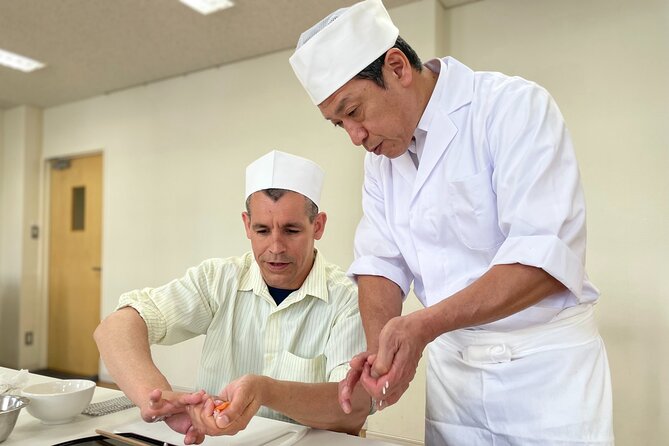
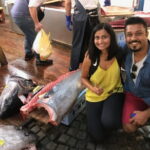
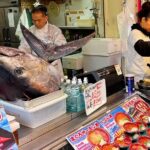
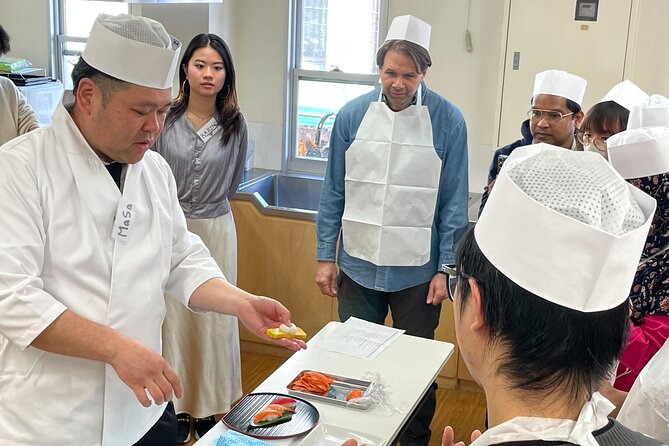
The class begins with a fish disassembly show led by the sushi-chef. This is more than a spectacle. You learn the steps involved in preparing fish for sushi, and you get to see professional handling up close.
After that, you’ll get instruction on Japanese knives. I like this part because it connects to results. Sushi is delicate, and knife work affects texture, edges, and portioning—so it’s not random culinary trivia. When you later try to shape your own nigiri and rolls, you’ll understand what the chef was doing and why.
The chefs and staff in past classes have included professional names like Tanaka and Kate, with English support from guides such as Yugo, Yoko, and Yugo-type translator roles. You can expect English explanations throughout, not a silent demo.
Nigiri practice: making 5 pieces that teach you the core technique
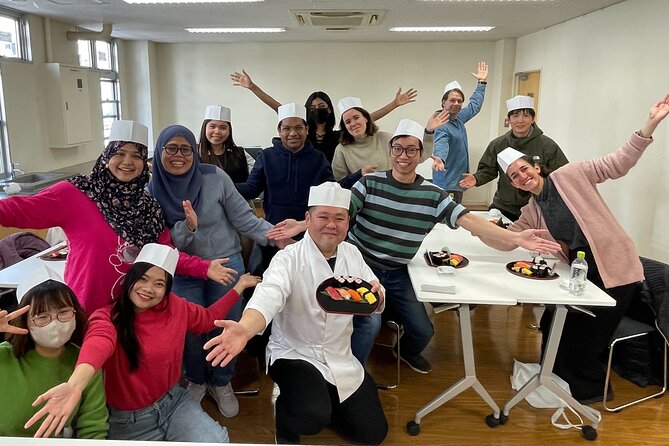
Nigiri is where sushi becomes real. In this class, you learn what sushi is made of, then practice proper steps to form nigiri sushi—not just one lucky piece.
You’ll make 5 different nigiri, which is a smart format for beginners. Different fish and toppings mean you have to pay attention to details like portion size, rice handling, and how the fish sits. Even if you don’t nail it perfectly the first time, you’ll feel progress quickly because you keep getting new chances.
A pro chef and English host guide the process, so when your hands are new at this, you don’t get left behind. The classroom format is designed for step-by-step instruction at a small-group pace, which matters a lot in a hands-on activity like this.
Rolling your maki-style sushi: from seaweed sheet to bite-sized roll
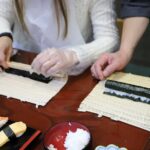
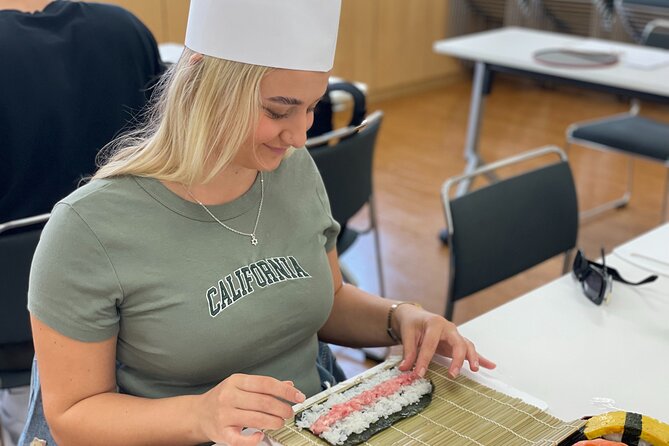
Next comes the rolled sushi. You’ll learn how to make the rolled type (often called maki-style in casual English), and you’ll finish with 1 rolled sushi included as part of your lunch.
Rolling sounds simple until you try it. This class helps because you’re not doing it alone; you’re getting guidance as you work. You’ll also learn how to handle the materials and assemble the roll in a way that makes clean slices possible.
If you’ve ever struggled with sticky rice or uneven thickness, this is where the class pays off. The pace is quick, but the instruction is clear, and you get correction during the process rather than after the fact.
What you eat: lunch built from your six pieces plus fresh wasabi
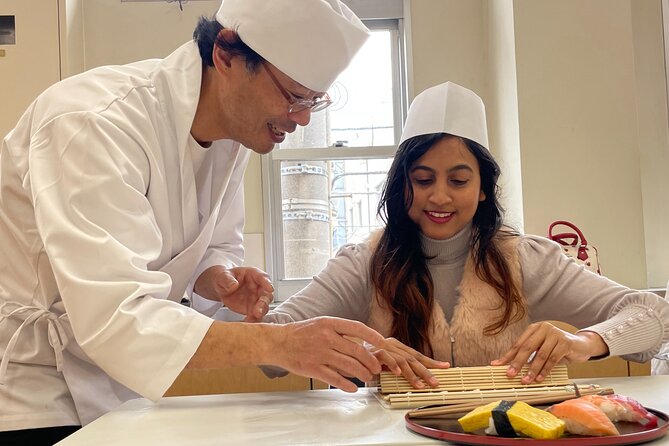
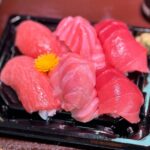
This isn’t a snack demo followed by a separate meal somewhere else. Your lunch is the sushi you make: 5 nigiri and 1 roll. That means you get the satisfaction of eating food that you shaped with your own hands.
There’s also a wasabi moment. While you eat your own creations, the sushi master prepares additional sushi, including wasabi made fresh. In practice, that translates to a more complete flavor experience than you’d get from only sampling your own rolls.
One more thing I like: the structure makes you hungry at the right time. More than once, people have described the class as a good way to spend a schedule gap because you’ll actually eat during the session.
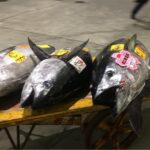
The Tsukiji market stops: why they matter (and what to watch for)
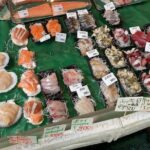
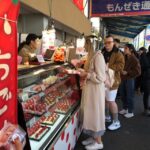
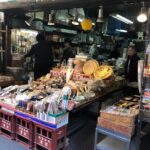
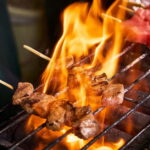
Your class isn’t limited to a kitchen. You move through the Tsukiji area with stops that connect the lesson to the place.
You’ll visit:
- Tsukiji Fish Market
- Tsukiji Jogai Market
- Tsukiji Nippon Fish Port Market
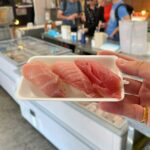
These stops matter because sushi ingredients are about freshness and handling. Seeing the market environment helps you understand why the chef talks the way they do about fish prep and storage.
At the same time, it’s Tsukiji—meaning you should expect a real working food zone, not a theme park. If you’re sensitive to crowds or standing, wear comfortable shoes and keep your expectations flexible. The class time is short, so the walking is purposeful rather than a long scenic tour.
The price: why $49.74 is good value for a chef-led class
At about $49.74 per person, the value is strongest if you care about three things: learning technique, eating what you make, and having real ingredient support.
Many cheap sushi experiences give you a small tasting with little instruction. Here, the format gives you actual practice—two sushi styles—plus a sushi lunch. You’re also getting a fish-prep demo and knife basics, which are hard to replicate on your own without a lot of trial and error.
Is it still not a bargain if you’re just craving sushi and don’t want to cook? Sure. If you’re only hungry, you can find plenty of sushi meals in Tokyo. But if you want a skill you’ll remember—plus a fun group activity—this price is easier to justify.
And the class size stays limited (up to 20 travelers), which helps the instruction feel controlled.
English support and chef-led teaching: what “beginner-friendly” means here
The most praised part of this experience is how the instruction stays friendly while still being serious about craft. The setup typically includes:
- an English-speaking host/translator, and
- a professional sushi master/chef who runs the technique.
In past groups, staff names have included Yuko, Yugo, Yoko, Eri, Emma, Nao, AJ, Kanon, and chefs like Tanaka and Kate. Even if your specific instructors differ, the structure is consistent: you’ll get translation for both the explanation and the hands-on coaching.
What this means for you:
- If you’ve never made sushi, you’ll get guided correction.
- If you’re confident, you’ll still learn the why behind the how—like fish prep steps and knife technique.
- You’ll spend less time guessing and more time doing.
Also, the class is set up for families. Multiple families with kids (including younger teens) have described it as fun and a good first sushi-making activity—helping kids try sushi they might have avoided before. That’s a strong sign the teaching style works across ages.
Practical tips so you get the best outcome
A few things I’d do to get more satisfaction out of the class:
- Arrive early and don’t rush the stairs. You’ll climb to the third floor, so factor that into your timing.
- Keep your expectations realistic. Your first nigiri won’t look like a shop counter. That’s fine. The point is learning technique and building a base.
- Pay attention to rice handling. Rice is the backbone of sushi structure, and it’s where most beginners feel stuck.
- Ask about allergies in advance. You should let the provider know if you have allergies when booking. They try to accommodate, but requests like kosher and halal aren’t supported as stated.
- Come with a little appetite. The class includes lunch from your own sushi, and people often recommend not arriving too stuffed.
Who this is best for—and who might prefer another option
This is ideal if you:
- love Japanese food and want a sushi skill, not just a meal
- want a short, focused activity in Tsukiji
- are traveling with family and want something interactive
- like learning from live technique (fish cutting, knife basics, step-by-step forming)
It might be less ideal if you:
- can’t manage stairs (classroom is third floor, stairs only)
- need kosher accommodation (not supported)
- need halal accommodation (not supported)
Also, if you only want to eat sushi quickly, you may find a regular sushi restaurant is more efficient. But if you want to understand what makes sushi work, this class is a great use of time.
Should you book this Tsukiji sushi-making class?
I’d book it if you want hands-on sushi skills in a compact timeframe, especially with fresh-market context in Tsukiji. The best reason to go is simple: you get a chef-led fish prep demo, you learn both nigiri and rolled sushi, and you eat the lunch you make.
Skip it if stairs are a problem for you or if you have dietary needs that can’t be accommodated as stated. Otherwise, this is one of those Tokyo activities that feels practical, fun, and actually useful afterward—because you’ll know what to do when you try again at home.
FAQ
How long is the Tokyo sushi making class in Tsukiji?
It runs for about 1 hour 30 minutes (approx.).
What does the class include for lunch?
You eat the sushi you make: 5 different nigiri sushi and 1 rolled sushi.
Do I need to be an experienced sushi maker?
No. The class includes step-by-step instruction for making nigiri and rolled sushi, with English support.
Is there an English-speaking guide during the class?
Yes. The experience includes an English speaking host along with a professional sushi master.
Where do I meet for the class?
The meeting point is 千社額棟4-chōme-16-2 Tsukiji, Chuo City, Tokyo 104-0045, Japan.
Is transportation or hotel pickup included?
No. Hotel pickup and drop-off are not included.
What market areas do you visit during the experience?
You’ll pass through Tsukiji Fish Market, Tsukiji Jogai Market, and Tsukiji Nippon Fish Port Market.
Is the classroom accessible if I can’t do stairs?
The classroom is on the third floor in a traditional building with only stairs, so it’s not suited for people who have trouble with stairs.
Can you accommodate kosher or halal requests?
Kosher requests are not accommodated, and halal requests are unfortunately not accommodated.
What if I have food allergies?
You should let the provider know about allergies when you make a reservation. The experience tries to accommodate allergy-related requests, though it may not always be possible.