REVIEW · TOKYO
Private Tsukiji Market Visit and Cooking Class in Junko’s Home
Book on Viator →Operated by Traveling Spoon · Bookable on Viator
Tsukiji plus a real Tokyo-home lunch. This private experience pairs an outer-market walk with Junko, a fun teacher in her own apartment, then ends with you sharing what you cooked. I like the hands-on market shopping (you’re picking ingredients, not just watching) and I like how the class is tailored to seasonality and your pace. One consideration: it’s not a good fit for kids under 10, since the market portion can be too intense.
Also, this isn’t the inner Tsukiji rush. You’ll tour the outer Tsukiji market (the inner market closed and moved to Toyosu), plus you’ll visit a shrine connected to Tsukiji. The schedule is about 3.5 hours, so it’s best when you want focused food time and a guided plan rather than a long, free-roam day.
In This Review
- Key things you’ll notice on this tour
- Tsukiji Outer Market: Picking Ingredients With Junko
- From the Market to Junko’s Apartment: How the Private Part Feels Different
- What to expect in the apartment
- The Cooking Menu: Miso Soup, Teriyaki Chicken, Tamagoyaki, and More
- Miso soup (often with homemade miso)
- Teriyaki chicken
- Eggplant with dengaku miso
- Tamagoyaki
- Lunch at Junko’s Table: Eating What You Cook
- Where teamLab Planets, Hama Rikyu Gardens, and Ginza Fit In
- Price and Value: Is $104 Worth a Private Class?
- Best For: Who Should Book This Tour
- Who might want to rethink
- Practical Tips So You Enjoy It Fully
- Should You Book It?
- FAQ
- Is this tour in the inner Tsukiji Fish Market?
- How many recipes will I learn to cook?
- What kinds of dishes are included in the menu?
- Where does the cooking class take place?
- Is lunch included?
- What if I have dietary restrictions or allergies?
- Where do I meet Junko?
Key things you’ll notice on this tour
- Outer Tsukiji, not the inner market: you get the seafood trade view without the closed-inner-market chaos
- Junko’s cooking class happens at her home: you cook in a small, lived-in space with real guidance
- 3–4 dishes built from scratch: miso soup, teriyaki chicken, dengaku miso eggplant, tamagoyaki, and sometimes more
- Lunch is included and shared: you eat what you made, with Junko at the table
- Stops add flavor to the day: the itinerary includes teamLab Planets TOKYO, Hama Rikyu Gardens, and Ginza
Tsukiji Outer Market: Picking Ingredients With Junko
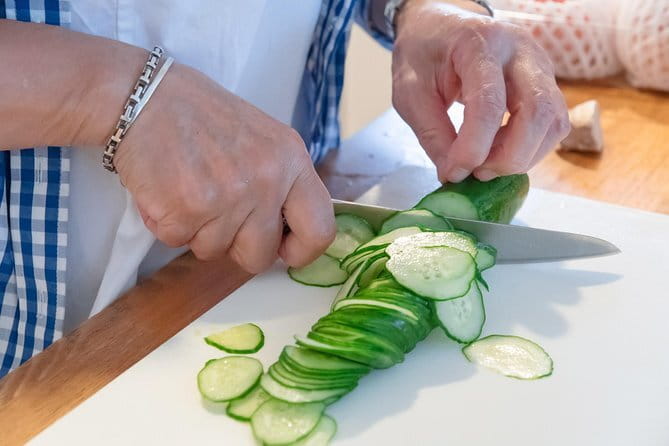
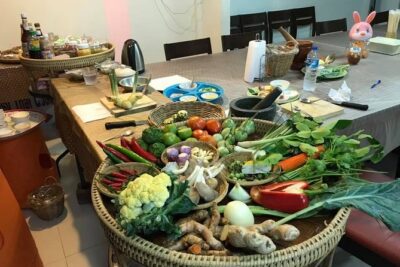
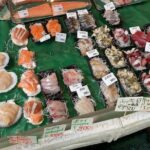
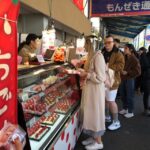
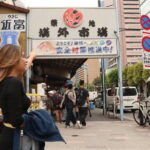
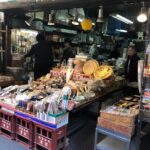
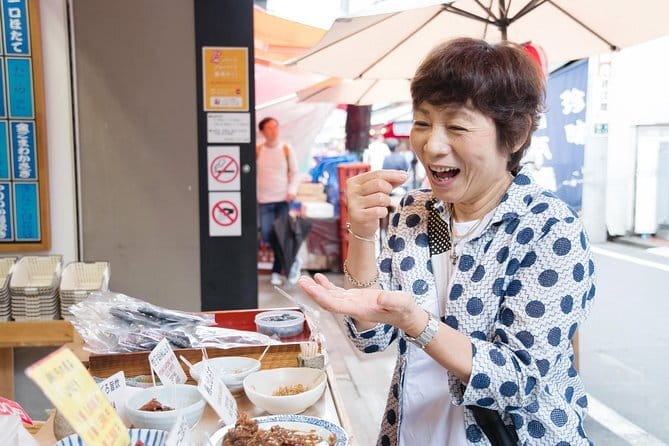
Tsukiji is one of those Tokyo names that instantly sounds like seafood. But the smartest way to experience it now is the outer market approach. This tour takes you to the outer Tsukiji market, where you can shop for vegetables, fruits, knives, ceramics, and plenty of fish-related goods. You’re not stuck in a purely tourist lane. You’re learning what people actually buy and why.
Junko’s style is practical. She points out what’s fresh, what’s seasonal, and how to think about Japanese flavors beyond a single ingredient. The goal isn’t a food quiz. It’s learning the spirit behind the cuisine: paying attention to the present season and treating each ingredient with respect.
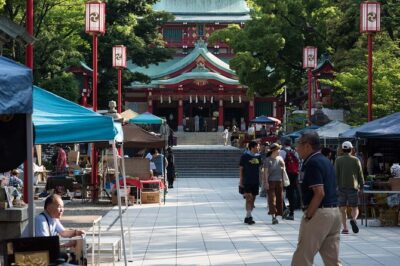
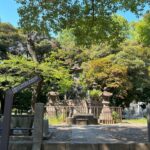
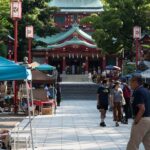
You’ll also get a taste of the local structure around Tsukiji. The tour includes a stop at Namiyoke Shrine, the guardian deity of Tsukiji. It’s a quick cultural anchor, and it helps explain why Tsukiji is treated like more than a shopping area.
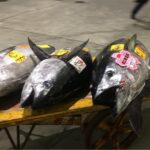
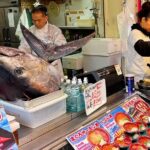
A special note for planning: the inner Tsukiji market is no longer where it used to be. Your host specifically guides you around the outer market and even includes a facility that imitates the Tsukiji market with a seafood section. That matters because it keeps the experience coherent even if you’ve heard old stories about the famous inner auctions.
You can also read our reviews of more tours and experiences in Tokyo.
From the Market to Junko’s Apartment: How the Private Part Feels Different
After shopping, you take public transport with Junko to her home to start the cooking class. This is a huge part of the value: you’re not doing a “kitchen set” in a studio. You’re cooking in a small and simple Tokyo apartment, which changes the feel from performance to real life.
In a private setting, you also get pacing. If you need extra help chopping, mixing, or understanding timing, Junko can slow down. If you’re quick, you can move along with confidence. That “only your group” format is what turns a cooking class from a checklist into an actual learning experience.
Junko’s goal is to help you understand not just how to cook dishes, but how Japanese home cooking works: use seasonal ingredients, balance flavors, and don’t overcomplicate steps you can do well with the right technique.
What to expect in the apartment
- You’ll cook 3–4 savory dishes from scratch (menu varies by season)
- The class runs about 1.5 hours
- After cooking, you sit down together for lunch
If you’re the type who likes cooking but hates vague instructions, you’ll appreciate how Junko teaches in plain, doable chunks.
The Cooking Menu: Miso Soup, Teriyaki Chicken, Tamagoyaki, and More
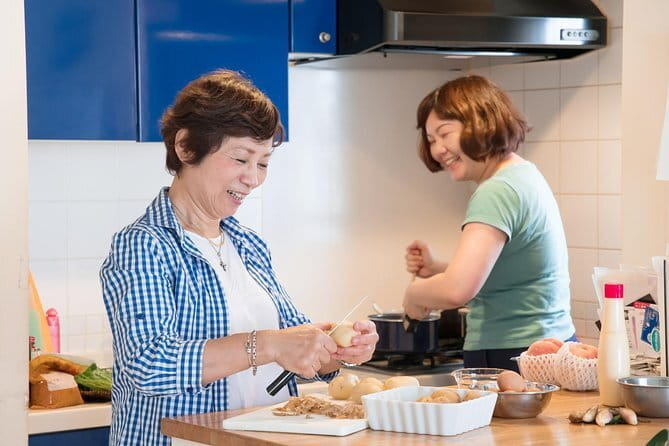
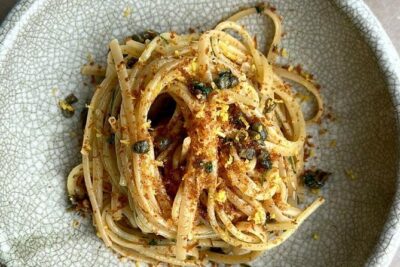
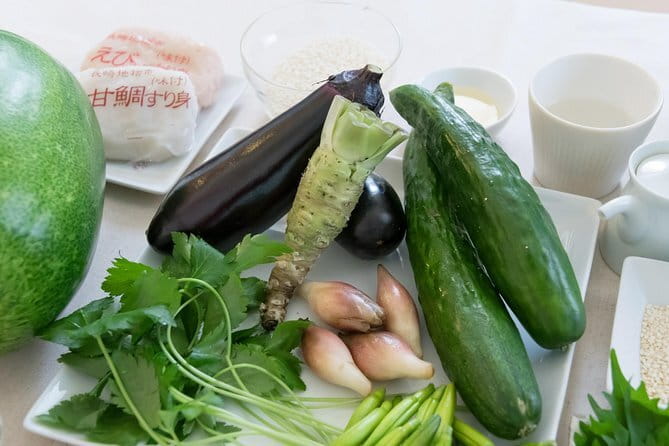
The class menu is flexible, but you can expect classics that show up again and again in Tokyo home meals. The supplied examples include miso soup, teriyaki chicken, eggplant with dengaku miso, tamagoyaki, and miso soup made using homemade miso.
Here’s why those dishes are such good choices for a short cooking lesson:
Miso soup (often with homemade miso)
Miso is one of those flavors that can taste totally different depending on the miso type and how it’s handled. Learning it through soup gives you a foundation for thinking about umami and salt balance. Even if you’ve had miso soup before, you’ll likely come away with a clearer sense of the underlying technique.
Teriyaki chicken
This is a crowd-pleaser for a reason, but the real lesson is how sweetness and savory notes work together. It also helps you learn a practical workflow—prep, cook, then bring everything into a glossy sauce.
Eggplant with dengaku miso
Eggplant can be tricky if you end up with bland or soggy results. Dengaku miso is a great way to show how miso becomes a coating and flavor anchor rather than just a condiment. It’s also a strong example of seasonal thinking: eggplant is a Japanese home staple, and it shows up differently across the year.
Tamagoyaki
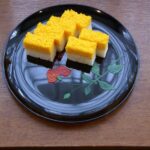
Tamagoyaki is popular, but it’s also one of those dishes people assume is too fussy to learn. In a class like this, it works because you’re focused on technique rather than perfection. You’ll get a feel for the rhythm and structure that makes tamagoyaki taste like it’s from a serious kitchen.
Junko may adjust the mix of dishes based on season and ingredient availability. That’s not a drawback. In Japan, that flexibility is part of authenticity. You’re not “buying” a fixed experience. You’re joining a real household approach to what’s good right now.
Lunch at Junko’s Table: Eating What You Cook
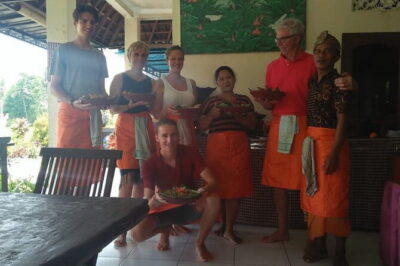
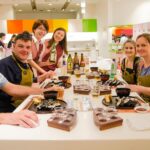
After the cooking part, you share the meal you helped prepare. This is one of my favorite ways to judge a cooking class: if you leave full and happy in a way you can actually connect to the steps you did, the class succeeded.
You’ll eat in Junko’s home, which means the lunch feels lived-in rather than ceremonial. You can ask questions while you’re eating, and you’re not rushed into the next activity right away. The format makes the food more than a performance. It becomes the payoff.
This also matters for value. At $104 per person, you’re paying for a genuine private experience: market guidance, instruction, and a full lunch cooked by you. That’s a lot more than most “short class” offerings.
Where teamLab Planets, Hama Rikyu Gardens, and Ginza Fit In
This tour’s schedule includes stops connected to teamLab Planets TOKYO, Hama Rikyu Gardens, and Ginza. Those are big-name places, and they can easily turn into “check the box” tourism if you go alone.
With a local host, the benefit is context. Even when you’re only making a stop, Junko can help you understand what you’re looking at and how it fits into the city’s rhythm. Tsukiji is food and culture. teamLab Planets is modern art and space. Hama Rikyu Gardens brings you back to traditional Tokyo nature. Ginza rounds out the day with a classic shopping and city-lights vibe.
One planning tip: teamLab Planets is its own ticketed attraction. Since tickets aren’t listed in what’s included here, treat that stop as something you’ll want to coordinate around your time window. If you care deeply about going inside, you might want to confirm the plan with the operator after booking so you don’t lose time.
Price and Value: Is $104 Worth a Private Class?
$104 per person sounds like a lot until you break down what you’re getting in a single package.
You’re paying for:
- A private Tsukiji outer market tour led by Junko
- A private cooking class in her home (about 1.5 hours)
- Lunch included
- Personalized attention throughout
- A local’s must-do recommendations
Private Tokyo experiences usually cost more than group tours because the guide’s time is one-to-one or small-group focused. Here, the money goes to both halves of the experience: shopping for ingredients and learning to cook them. That combination is rare. Many classes skip the market side, and many market tours never teach you how to turn what you bought into a meal.
Also, the average booking window is about 63 days in advance, which suggests you should plan ahead. If you wait too long, the date you want might not work.
The duration is about 3 hours 30 minutes, which is a realistic fit for travelers who want something memorable without turning the day into a full-day marathon.
Best For: Who Should Book This Tour
This is a strong match if you:
- Want a private experience with a local host
- Enjoy cooking and want to learn technique, not just recipes
- Like the idea of shopping ingredients in an actual Tokyo market setting
- Prefer a guided plan you can trust, especially around food
It’s also a good option for visitors who feel overwhelmed by Tokyo food. Junko’s teaching approach helps you understand what you’re doing and why it matters.
Who might want to rethink
- Families with kids under 10 (not suitable)
- People who hate public transport segments between places
- Anyone who expects a long, free-time sightseeing day rather than focused food time
Practical Tips So You Enjoy It Fully
A few small things can make a big difference with this kind of market + home class day.
- Bring comfortable shoes. The outer market area can involve lots of walking.
- If you have dietary restrictions or allergies, flag them at booking. The menu can vary by season and your host needs time to plan.
- Expect the class to be interactive. You’ll likely do real prep work, not just watch.
- Use the mobile ticket your tour gives you. It helps on-the-go coordination.
- If you pick the market option, you’ll start at the Tsukiji area meeting point. If you skip the market portion and only do the class, you meet Junko outside Tsukishima Station on the Toei Oedo Line.
Those details matter because the experience hinges on smooth transitions between market time and kitchen time.
Should You Book It?
If you want an authentic Tokyo food day that mixes real shopping with real cooking, I’d say yes. This tour is strongest when you care about learning and eating well, not when you just want photos.
Book it if you’re excited by classic dishes like miso soup, teriyaki chicken, eggplant with dengaku miso, and tamagoyaki—and if you like the idea of eating lunch in a local home. It’s also a great way to get your bearings fast in the Tsukiji area because Junko explains the spirit behind the food as you go.
If you’re traveling with kids under 10 or you want a longer, self-guided museum-and-park kind of day, you may prefer a different format. For adults who want food-focused Tokyo with personal guidance, this one makes a strong case.
FAQ
Is this tour in the inner Tsukiji Fish Market?
No. It’s a tour of the outer Tsukiji market, not the inner market. The inner market closed and moved to Toyosu. Your host will guide you through the outer market, including a facility that imitates the Tsukiji market with a seafood section.
How many recipes will I learn to cook?
You can master up to four recipes in the cooking class. The class typically takes about 1.5 hours and includes 3–4 savory Japanese dishes made from scratch.
What kinds of dishes are included in the menu?
The menu can vary by season, but examples include miso soup, teriyaki chicken, eggplant with dengaku miso, tamagoyaki, and miso soup made with homemade miso.
Where does the cooking class take place?
The cooking class is held in Junko’s home in Tokyo. You’ll take public transportation with her after the market portion (if you choose the market option).
Is lunch included?
Yes. Lunch is included, and it’s the meal you help prepare during the class.
What if I have dietary restrictions or allergies?
You should advise any allergies, dietary restrictions, or cooking preferences at the time of booking. The menu may vary depending on the season, so your host needs details in advance.
Where do I meet Junko?
With the cooking class option only (no market tour), you meet Junko outside the ticket gate of Tsukishima Station on the Toei Oedo line. With the full option, the tour starts at 4-chōme-8-4 Tsukiji, Chuo City, Tokyo 104-0045, Japan and ends back at the meeting point.