REVIEW · TOKYO
Tokyo Tsukiji Fish Market Food & Culture Walking Tour
Book on Viator →Operated by Goen Japan · Bookable on Viator
Tsukiji hits all your senses fast. This walking tour threads the Tsukiji Outer Market and nearby food lanes into one easy plan, with guided bites like skewers and sushi plus quick photo moments. It’s a smart way to taste what makes this area famous without turning your day into a scavenger hunt.
I especially like the mix of snack types, from savory street foods to sweet traditional treats. And the vibe tends to be relaxed and fun, with a guide named Lax getting called out for keeping things light while still pointing out what to look for.
One thing to consider: the whole experience is about 1.5 hours, so if you want to linger over every stall, you’ll likely need extra time on your own before or after.
In This Review
- Quick highlights you’ll feel in your day
- Tsukiji feels like Tokyo when you follow the food line
- Tsukiji Hongwanji Temple sets the mood before you eat
- Tsukiji Outer Market: former wholesale legends in a modern food walk
- Tsukiji Jogai Market lanes: the fun part where you actually taste
- The 9:00 am, 1.5-hour format is built for low stress
- What you’ll eat on the Tsukiji food line (and how to enjoy it)
- Price and value: why $26.36 can be fair here
- Where the meet point puts you (and why it helps)
- Who should book this Tsukiji market food tour
- Should you book the Tokyo Tsukiji Fish Market food and culture walk?
- FAQ
- How long is the Tokyo Tsukiji Fish Market Food & Culture Walking Tour?
- Where does the tour start?
- Where does the tour end?
- What time does the tour begin?
- How big is the group?
- Is a mobile ticket used?
- What’s included during the stops?
- Can I cancel for a full refund?
Quick highlights you’ll feel in your day
- Temple start at Tsukiji Hongwanji before the market noise kicks in
- Small-group cap (max 10), so you can ask questions and move at an easy pace
- Tastings along the way including sizzling skewers, sushi, and street snacks
- Tsukiji Outer Market story stops that explain how Tokyo’s food culture formed
- Tsukiji Jogai Market lanes where lots of vendors keep the Tsukiji spirit alive
- Photo moments with breaks built into a short, manageable walk
Tsukiji feels like Tokyo when you follow the food line
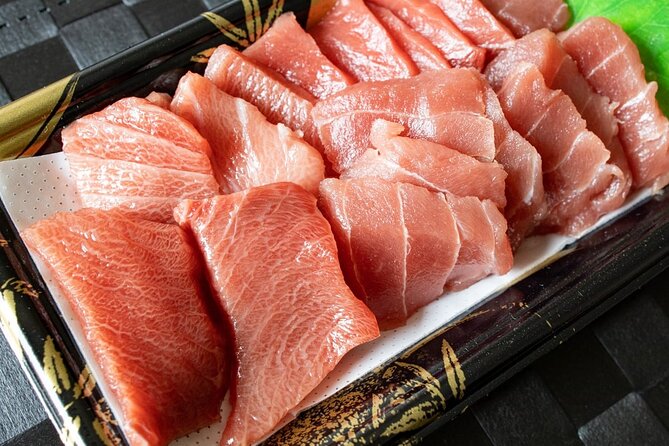
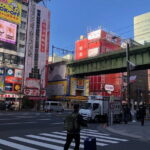
Tsukiji isn’t just a place to buy things. It’s a place where Tokyo’s food habits make sense fast—how people snack, what they seek out, and how tradition and daily business share the same narrow streets.
The best part of this kind of food walking tour is that it’s structured enough to keep you from getting lost, but short enough to stay fun. You’re not committing to a half-day of transit and waiting. Instead, you’re getting a focused route through the outer area where many vendors still operate and where you can see Tokyo at work.
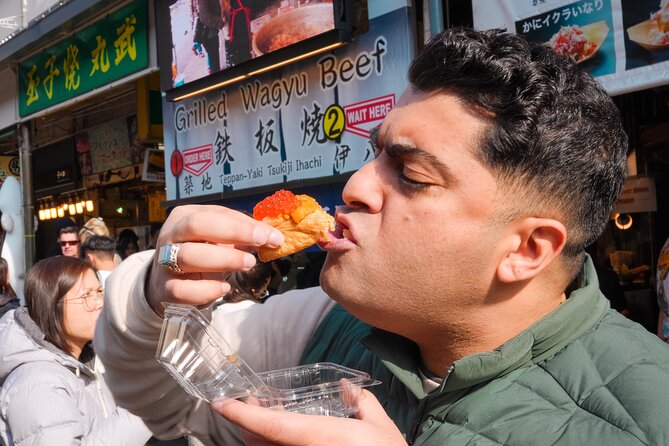
And yes, you’ll be hungry. The tour is built around sampling, so you can walk in with curiosity and leave with a better feel for what Tsukiji is known for—savory bites first, then sweet to balance it out. It’s also a good fit for first-timers who want the famous markets without the stress of planning every step.
You can also read our reviews of more tours and experiences in Tokyo.


Tsukiji Hongwanji Temple sets the mood before you eat
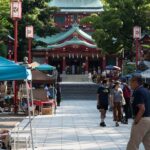
Your tour begins at Tsukiji Hongwanji Temple, a Buddhist temple tied to the area’s historical role. What I like about starting here is the pace shift. You trade the market atmosphere for a calmer moment that helps you understand this neighborhood as more than just seafood stalls.
The temple is also known for a rare Indian architectural style, which makes it stand out from other religious spots you’ll see around Tokyo. Even if you’re not the type who stops at every shrine and temple, this start gives you something visual and memorable right away.
You’ll spend about 10 minutes at this first stop, with an admission ticket included. That matters because you can actually plan on seeing it, not just passing by it on the way to something else.
A quick note: since the tour is only around 1.5 hours total, that first stop is short by design. Treat it as an opening chapter, not a full cultural visit, and you’ll get the most from it.
Tsukiji Outer Market: former wholesale legends in a modern food walk
Next comes the site of the former Tsukiji wholesale market and the Tsukiji Outer Market area. This is where the guide’s stories change the experience. Instead of simply looking at stalls, you’re learning why this place mattered so much to Tokyo’s food world.
This segment runs about 30 minutes, and admission is included. That’s a sweet spot: long enough to get context and taste a couple of things, but not so long that you lose the thread or overheat in the crowds.
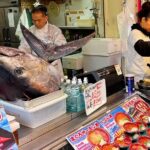
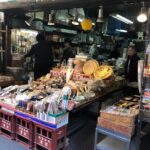
You’ll also get that classic Tsukiji feel—people moving fast, grills working, and stalls selling everything from seafood-related snacks to everyday market bites. The point isn’t just to eat. It’s to connect what you’re tasting with the market’s role in how Tokyo buys and prepares food.
One practical consideration: the Outer Market area can feel dense because it’s packed with vendors and shoppers. A guide helps because you don’t have to guess where to go next or what’s worth your time. In a short tour, that makes a big difference.
Tsukiji Jogai Market lanes: the fun part where you actually taste
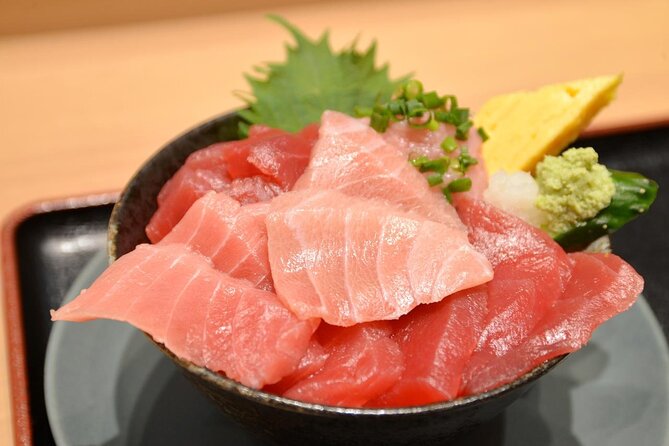
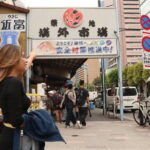
The main meat of the tour is the Tsukiji Jogai Market portion, with about 50 minutes to stroll through the area where around 400 vendors still keep the Tsukiji spirit alive. This is where you’ll feel the neighborhood as a working market, not a museum.
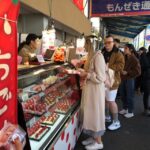
You’ll walk through lively alleyways and sample fresh seafood and local specialties. The tour’s promise here is very straightforward: you’ll taste a little bit of everything. That usually means you get multiple small bites rather than one big meal, so you can compare flavors and textures as you go.
This is also where the guide’s job is most helpful. Market streets are confusing even when you can read signs. A local guide keeps the route logical and ensures you don’t waste time standing around with nothing to do.
Expect photo moments too. The tour includes breaks and photo spots, and the streets naturally give you a lot to shoot—colors of packaging, steam from food prep, and the busy street scenes around you.
Because this section is 50 minutes, you’ll want to pace yourself. Eat slowly where you can, because you’ll have another stop after it. If you chug everything at once, you’ll feel it later.
The 9:00 am, 1.5-hour format is built for low stress
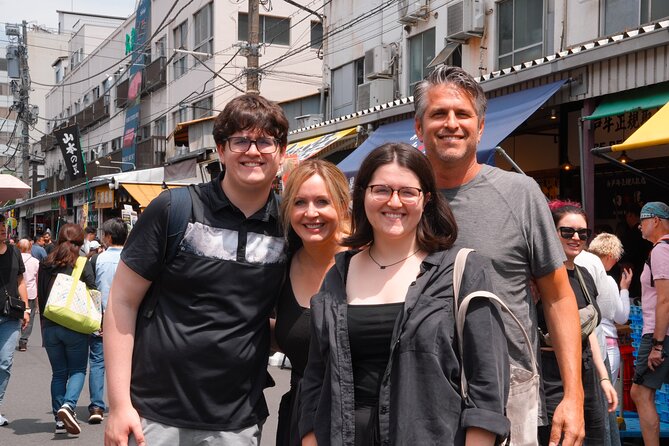
The tour starts at 9:00 am and runs about 1 hour 30 minutes. I like that timeframe because it respects how markets work: early gives you energy, but you’re still done before your whole day disappears.
The walking pace is also set up for comfort. It’s a short walk with frequent stops, plus time to rest when you need it. You only need a moderate physical fitness level, which matters if you’re traveling with kids, older family members, or anyone who doesn’t love long walks.
Group size stays small, with a maximum of 10 travelers. That’s not just a comfort perk—it changes the experience. With fewer people, the guide can keep the group together without rushing you, and you have a better shot at asking questions if something on a stall catches your eye.
Also, you’ll use a mobile ticket. That removes one headache from market touring. You can focus on the food and the visuals instead of tracking down paper tickets.



What you’ll eat on the Tsukiji food line (and how to enjoy it)
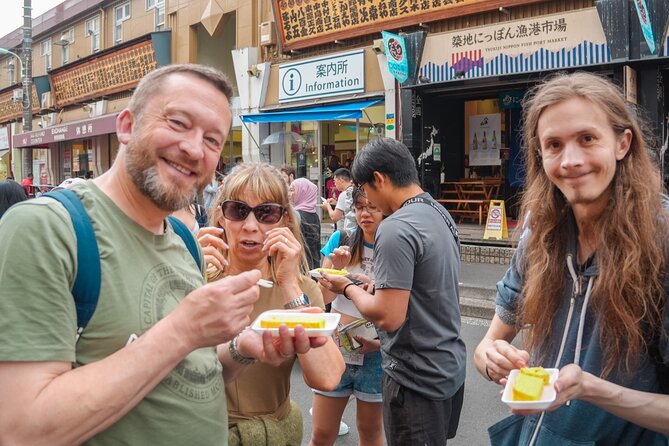
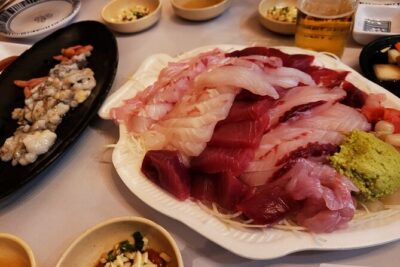
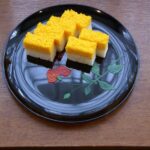
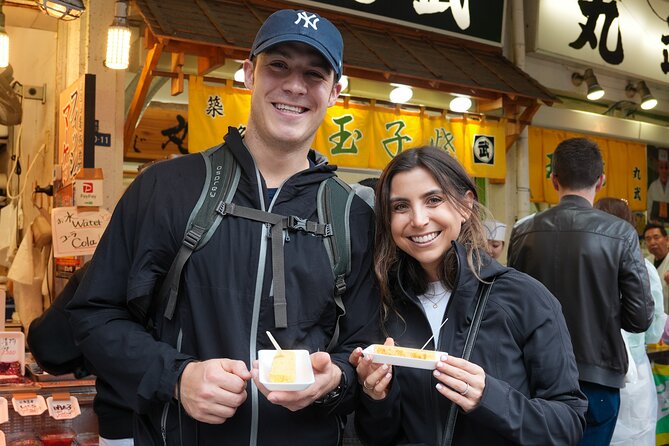
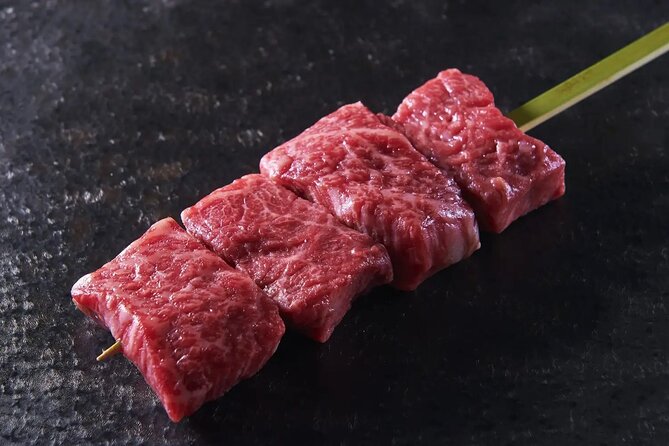
This tour is explicitly a flavor adventure. You’re guided through tastings that include sizzling skewers, sushi, and street snacks straight from lively market stalls. It’s not one-note seafood either—you’ll also encounter juicy meat options and sweet traditional treats as the route changes.
What I like about a mix like this is that it gives your brain a quick education. You’ll taste savory and then contrast it with something sweet, which helps you remember the flavors later. Markets can be overwhelming, but variety keeps the experience moving and keeps you from getting food fatigue.
Here’s how I’d approach it if you want the best enjoyment:
- Take small bites first, then decide what you want more of later on your own.
- Sip water between tastings if you’re sensitive to spice or salt.
- Pace your photos so you don’t miss the food window. The guide builds pauses in, but it’s still a short route.
You’re also getting context, not just calories. The stops are designed to tie what’s on the counters to what the market used to be, and what it still represents today in Tokyo’s food culture.
Just remember: the tour is sampling-focused, not a full sit-down meal. Plan to add a proper lunch or dinner nearby afterward, especially if you’re arriving hungry.
Price and value: why $26.36 can be fair here
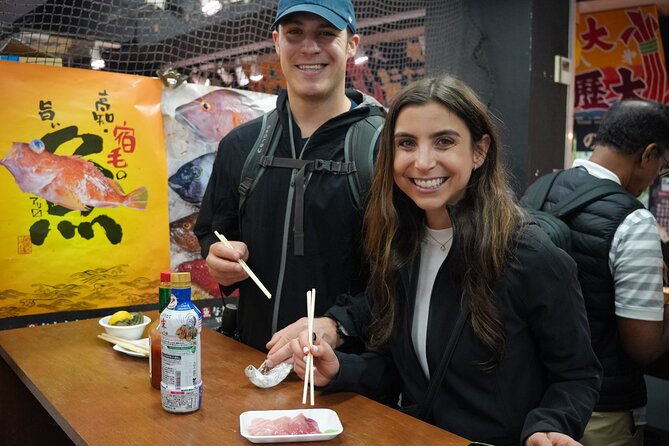
The price is $26.36 per person, and the tour is generally booked about 47 days in advance on average. I look at value in terms of what’s included and what the alternative costs you in time.
Here, the big value drivers are:
- Short, guided route that saves you from figuring out what to chase
- Tastings built into the experience rather than hoping you’ll buy enough food on your own
- Admission tickets included for the stops (temple and market segments)
- Small group size, meaning you get a more personal guide experience within the same short window
Could you visit Tsukiji on your own and buy snacks cheaper? Maybe. But the real expense in independent market touring is time and confusion. A guide turns that into a plan you can follow in 90 minutes.
Also, because it’s a mobile ticket tour that ends back at the meeting point, it reduces last-minute logistical friction. When you’re in a busy area, that kind of simplicity is worth something.
Where the meet point puts you (and why it helps)

The meeting point is FamilyMart at 3-chōme-11-8 Tsukiji, Chuo City, Tokyo 104-0045, Japan. Getting that exact starting point matters in Tsukiji. Even when you know you’re in the right neighborhood, streets can feel like a maze once you start hunting for the right stall or entrance.
Starting at a clear landmark like a convenience store is also practical for families and mixed groups. It helps everyone gather without scrambling.
Since the tour ends back at the meeting point, you’re not left dealing with the classic problem of finishing in the wrong part of town. You can keep exploring immediately, or head to your next plan without backtracking.
Who should book this Tsukiji market food tour
This is a great choice if you want:
- A guided introduction to Tsukiji’s outer market areas
- A manageable amount of walking with built-in breaks
- Food samples that cover savory and sweet, so you can compare flavors quickly
- A plan that works well for a morning in Tokyo
It’s especially suitable for first-timers to Tokyo markets who don’t want to guess their way through crowds. It also makes sense if you’re traveling with a small group of friends or family and want one shared plan that doesn’t require everyone to coordinate meal hunting.
On the other hand, if you’re the type who wants to spend hours wandering and bargaining at a leisurely pace, the short 1.5-hour structure may feel limiting. In that case, you might still enjoy the tour as a warm-up, then add your own time afterward.
Finally, because it’s max 10 travelers and includes a moderate fitness level, it’s generally friendlier than longer market marathons.
Should you book the Tokyo Tsukiji Fish Market food and culture walk?
Yes—if your goal is a low-stress way to taste Tsukiji and understand what you’re looking at, this tour fits well. The route is efficient, the group stays small, and the tastings are built to keep you fed and moving through key areas like Tsukiji Hongwanji Temple, the Outer Market legacy space, and the Tsukiji Jogai Market vendor lanes.
I’d skip it only if you specifically want a long, do-everything market day with plenty of free time to roam. For everyone else, this is a strong value morning: you get context, variety, and a guided path you can trust when you’d rather spend your energy eating than figuring out where to go next.
FAQ
How long is the Tokyo Tsukiji Fish Market Food & Culture Walking Tour?
The tour lasts about 1 hour 30 minutes.
Where does the tour start?
It starts at FamilyMart, 3-chōme-11-8 Tsukiji, Chuo City, Tokyo 104-0045, Japan.
Where does the tour end?
The tour ends back at the meeting point.
What time does the tour begin?
Start time is 9:00 am.
How big is the group?
The tour has a maximum of 10 travelers.
Is a mobile ticket used?
Yes, the tour offers a mobile ticket.
What’s included during the stops?
Admission tickets are included for the Tsukiji Hongwanji Temple, the Tsukiji Outer Market stop, and the Tsukiji Jogai Market stop.
Can I cancel for a full refund?
Yes. You can cancel up to 24 hours in advance for a full refund.