Food days don’t get more real than this one. You start with a local farmers market shopping mission, then move to a small-group kitchen led by Chef Asli, focused on Aegean flavors—olive oil, herbs, and regional technique. I especially love the way you’re taught how to build Turkish food step-by-step, plus the big payoff at the end: a full lunch you helped create, served tableside. One thing to plan for: the day can include a longer drive depending on where the market is that day and where you’re staying, and not every moment is hands-on cooking.
In This Review
- A quick reality check before you book
- Key Things That Make This Day Work So Well
- Farmers Market First: Why Bodrum’s Food Market Is the Real Start
- Chef Asli at the Center: How the Cooking Class Actually Feels
- What you’ll be cooking: the class menu
- The Meze-to-Main Lunch: What You Get to Eat and Why It’s Valuable
- What you can realistically recreate at home
- Wine, Views, and the Pace of the Day at the Vineyard Home
- Timing reality: plan for travel time
- Small Group Advantage: Max 6 and English-Friendly Instruction
- Price and Value: What $144.82 Buys You in Bodrum
- Who This Tour Fits Best (and Who Might Want to Pass)
- Should You Book This Bodrum Market-to-Cooking Day?
- FAQ
- How long is the Bodrum farmers market and Turkish cooking class?
- What time does the tour start?
- What group size should I expect?
- What’s included in the price?
- Are alcoholic beverages included?
- Are recipes provided after the class?
A quick reality check before you book
This is a max 6 travelers kind of day, with English support and plenty of attention from the chef/hosts. I also like that you’re not just watching from the sidelines—you can join in if you want, and the market stop is built around tasting what’s available locally. Your main consideration is timing and participation level: some dishes are prepared more by the kitchen than by each individual, and wine is discussed as part of the experience but alcoholic drinks aren’t listed as included for everyone, so it’s smart to confirm what’s covered.
Key Things That Make This Day Work So Well
- Farmers market shopping as the class engine, with tastings and seasonal ingredients driving what you cook
- Small-group attention (up to 6), so you can actually ask questions while cooking
- Aegean-focused menu logic, built around olive oil and fresh herbs
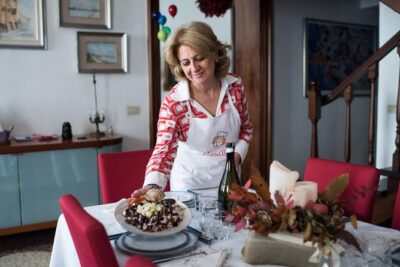
- Lunch at a beautiful rural home or winery setting, with tables set for sharing and eating
- Recipes are available (online password-protected, plus printed books sold on site)
Farmers Market First: Why Bodrum’s Food Market Is the Real Start
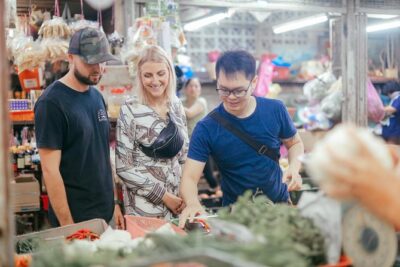
The day runs on food logic, not just a cooking demo. You begin at 9:30am with transport in an air-conditioned vehicle, then head to a farmers’ market to pick ingredients for lunch. The market visit is where the whole experience becomes less touristy and more practical: you see what’s truly in season and you learn how locals shop, taste, and choose.
Here’s what you’ll be looking at—at least as a guide for what to expect. You’ll find self-harvested olives, seasonal wild greens, vegetables, handmade items like noodles, and local pantry goods such as jams, pickles, breads, and cheeses. This is also where you get a feel for the Turkish habit of sampling. Even if you only have a short time in Bodrum, this market stop gives you an instant picture of everyday eating.
I like this approach because it teaches you more than a recipe. You learn how to think like the cooks: what herbs matter, how olives differ, what texture to aim for, and why certain ingredients show up again and again in Aegean cooking. In the small-group format, it’s easier to ask what something is and how it’s used—things you’ll forget if the whole day is only in the kitchen.
Possible drawback to keep in mind: market locations vary by day, and that can affect drive time. If you’re staying farther out or you’re on a cruise schedule, give yourself buffer time and don’t assume the drive will always be short.
Chef Asli at the Center: How the Cooking Class Actually Feels
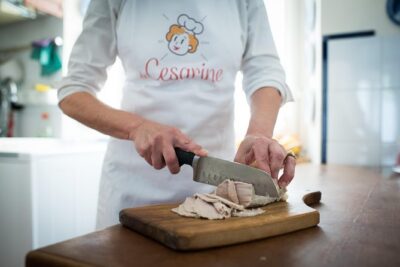
After the market, you head to the cooking location—often a rural home or winery area—with views and a calmer pace than the marina zones. The cooking time is structured around regional Aegean technique, with an emphasis on olive oil and fresh herbs. If you’re choosing this tour because you want authentic food skills, this is the right kind of class: it’s not just assembling. It’s learning the why.
The teaching style gets strong praise in the way it explains steps. Chef Asli is repeatedly singled out for clear English and practical instruction. You’ll typically either watch the cooking closely (with the chance to join in), or go hands-on depending on what you prefer and what the group is set up to do.
In other words, you can treat this as a cooking class if you want, but you’re not forced into constant chopping for six hours. That matters on travel days. Some people love being in their chef mode; others prefer learning by observation and taste. This format tries to serve both.
What you’ll be cooking: the class menu
The menu structure is built for variety:
- Starter: five mezze (seasonal and market-dependent), cooked using self-harvested olive oil
- Starter: a hot phyllo dish (either fried or baked, depending on season/setup)
- Main: a main course chosen for that day’s guests and ingredients
- Dessert: served at the end, but not cooked during the class session
This matters for expectations. You’re building a meal with multiple courses, but the class time isn’t designed as a full workshop where you make everything from scratch yourself. You learn technique, you help where the flow allows, and you eat what you helped create.
One more practical note from the way the day is run: food prep can be low-stress rather than frantic. You’re in a home or winery kitchen environment, not a high-volume restaurant line.
The Meze-to-Main Lunch: What You Get to Eat and Why It’s Valuable
The best part of any cooking class is the meal. This one serves you what you worked on—four-courses worth plus more than just a plate of leftovers. Lunch is served at a shared table style setting, and the day is designed for conversation about Turkish cooking traditions and family stories tied to food.
You’ll typically sit down with local wines in the mix of the experience, but remember: alcoholic beverages are not listed as included. So treat the wine as part of the vibe of the day rather than something you should assume is fully covered for every guest. The tour does include bottled water, and you’ll also have coffee and/or tea after.
What you can realistically recreate at home
This is where value shows up. The class is built around ingredients and technique that translate well. Olive oil choice, herb combinations, phyllo handling, and the way meze are built are all things you can try again later, even if you don’t live in Bodrum.
You’ll also get written recipes. Based on the provided info and follow-up details, recipes are available online with a password you can request. Printed recipe books are sold on site as well, and proceeds support a foundation dedicated to helping girls who don’t have the opportunity to go to school. If that matters to you (and it should), that printed book option is a meaningful way to extend the impact of the day.
If you’re the type who needs a physical plan for your next cooking session, ask about the printed book during the class. If you’re comfortable with digital, request the online recipe password by email ahead of or after your session.
Wine, Views, and the Pace of the Day at the Vineyard Home
This tour earns its keep not just through cooking, but through the setting and pacing. The kitchen time happens at a rural venue—often described as beautiful, serene, and set among olive trees and grape vines. It’s the kind of place where you can actually relax between steps instead of being rushed through stations.
You’re invited to sip a glass of wine while watching or during breaks, and in several accounts the setting includes valley views and a patio-style meal after cooking. Even if you’re not a wine person, the general experience rhythm—market, then calmer countryside kitchen, then shared lunch—adds something you won’t get from a standard cooking demo in a city center.
Timing reality: plan for travel time
Most people underestimate how far Bodrum’s peninsula stretches. If you’re coming from the cruise port or staying outside the main pickup zone, expect the drive to add time. The market itself can be in a different place depending on the day, including Milas markets on Tuesdays and Saturdays. That means the total drive can feel long even though the class itself is only part of the day.
So if you’re prone to feeling rushed on tours, pick a calm day in your schedule and don’t stack it with a second big excursion right after.
Small Group Advantage: Max 6 and English-Friendly Instruction
A maximum of 6 travelers sounds small—because it is. That small size shows up in practical ways: you get more attention, your questions aren’t ignored, and the chef can correct technique without the group becoming a blur.
The tour also lists English as the guided language, and Chef Asli’s English ability comes up again and again. That matters because the difference between a good cooking class and a frustrating one often comes down to whether you understand the steps the first time.
You’ll likely spend time watching technique and then tasting through the day: in the market and then at lunch. That’s how you learn faster. When you can taste what someone means, you stop guessing and start understanding.
Price and Value: What $144.82 Buys You in Bodrum
At $144.82 per person for about 6 hours, the price isn’t cheap, but it isn’t random either. Here’s what you’re paying for:
- A full half-day experience with transport by air-conditioned vehicle
- A farmers market shopping/tasting component (not just a quick photo stop)
- A guided Aegean cooking class with an English-speaking chef
- A meal with multiple courses served at the end
- Lunch, bottled water, plus coffee and/or tea
What’s not included: alcoholic beverages, and off-zone hotel pickup comes with a 20.00 euro surcharge. Those two details can change the true total depending on where you’re picked up and how you handle drinks.
My take: it’s good value if your main goal is culture through food and you want a day that feels like a real Turkish day, not a staged performance. If you already know you prefer only hands-on cooking with an unlimited recipe grab bag, then you might be happier with a workshop that’s more cooking-heavy. But if you want the market-to-table story plus technique you can repeat, this price usually makes sense.
Who This Tour Fits Best (and Who Might Want to Pass)
You’ll love this class if:
- You want to understand Turkish food through regional Aegean flavors
- You enjoy markets and tasting as part of learning
- You like the idea of a small group where you can ask questions
- You want recipes to take home (online password and printed books available)
You might skip it if:
- You hate any type of travel time or detours, since market locations can change and the drive can be longer from cruise ports or certain hotel areas
- You need a class where every participant personally cooks every dish from start to finish
- You want a guaranteed wine tasting included in the package, since alcoholic beverages are listed as not included
Should You Book This Bodrum Market-to-Cooking Day?
If your goal is to leave Bodrum with more than photos, book it. This is one of those days where the market choices make the cooking make sense, and the meal gives you a clear finish. Chef Asli’s clear English and the small-group format are the core reasons it works, and the setting—often described as beautiful and calm—turns it into a real break from the usual tourist loop.
Before you confirm, do two quick checks:
- Ask what your pickup location costs if you’re outside the pickup zone (off-zone pickup surcharge is 20.00 euros).
- Confirm what’s included regarding wine, since alcoholic drinks aren’t listed as included even though wine may be part of the day’s rhythm.
If those boxes are clear, this is a strong pick for food lovers, solo travelers who enjoy conversation, and couples who want a shared activity that feels genuinely local.
FAQ
How long is the Bodrum farmers market and Turkish cooking class?
The experience lasts about 6 hours.
What time does the tour start?
The start time is 9:30am.
What group size should I expect?
It has a maximum of 6 travelers.
What’s included in the price?
Air-conditioned vehicle transportation, lunch, bottled water, and coffee and/or tea are included.
Are alcoholic beverages included?
Alcoholic beverages are not listed as included. You may still encounter wine during the experience, but you should treat alcohol as an add-on based on the tour’s included items.
Are recipes provided after the class?
Yes. Recipes are available online with a password you can request by email. Printed recipe books are also sold during the class.