REVIEW · TOKYO
Tokyo Tsukiji Fish Market Food&Culture Walking Tour With a LOCAL!
Book on Viator →Operated by 38TOURS · Bookable on Viator
Tsukiji gets simpler fast. This local-led food-and-culture walk turns the market maze into a plan, with a survival Japanese lesson and free luggage storage so you can focus on food instead of logistics.
I really like that the route includes real stops like Hongwanji Temple (plus Namiyoke Shrine) rather than just pointing at stalls and calling it culture. One key consideration: there are no preset food inclusions, so you pay for what you want to try as you go.
In This Review
- Key highlights at a glance
- Why Tsukiji feels easier with a guide
- Stop 1: Tsukiji Hongwan-ji Temple and a quick etiquette reset
- Stop 2: 38KIOSK as the hub for storage and getting ready
- Stop 3: Jogai Market—tools, knives, and spotting quality ingredients
- Namiyoke Shrine: a calm pause that adds context
- Lunch at 38KIOSK: party-style eating with your market finds
- Price and what you’re really paying for ($75)
- Pacing, walking distance, and who should book
- Should you book this Tsukiji Fish Market food-and-culture tour?
- FAQ
- What is the duration of the Tokyo Tsukiji tour?
- What is included in the tour price?
- Is lunch included?
- Do you get preset food tastings?
- How many people are in the group?
- Where does the tour start and end?
- Is luggage storage available?
- What if I have dietary needs?
- What happens if weather is bad?
Key highlights at a glance
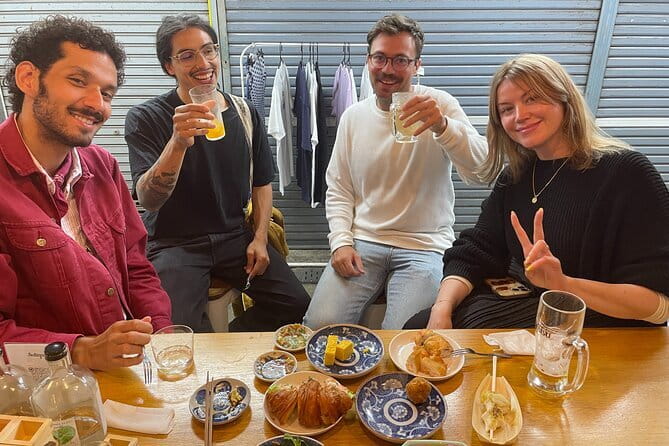
- Max six people keeps the pace calm and your questions from getting lost
- Temple and shrine entry included makes the market feel more meaningful, not just commercial
- Free luggage storage during the tour helps if you’re carrying a small suitcase or day bag
- Jogai Market guided stop focuses on ingredients, local etiquette, and long-running traditions around tools and knives
- Lunch at 38KIOSK uses ingredients you picked up along the way, but you still control what you eat
Why Tsukiji feels easier with a guide
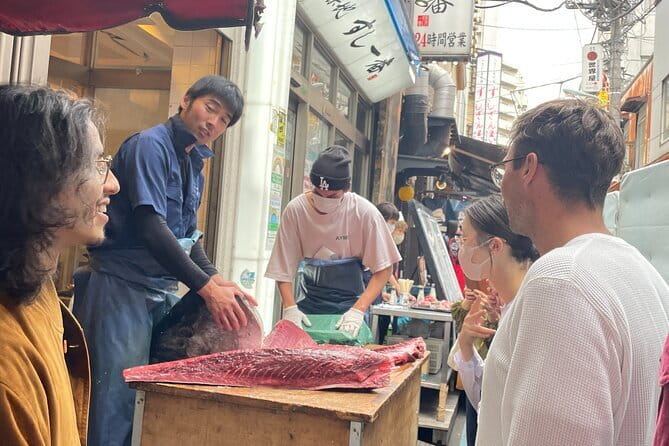
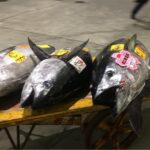
Tokyo’s Tsukiji area is famous for seafood, but it can also be confusing in the real world. Corridors feel endless. Signs repeat. You see great food… and then you’re not sure where to go next or what is worth your yen.
That’s where this tour earns its keep. You’re not just walking. You’re learning how the market works: where to look, how to read what vendors are offering, and how to behave around the bustle so you don’t accidentally slow people down. Even better, the group size stays capped at six, which means you’re not stuck behind a crowd when you want to ask a quick question or adjust your pace.
Another smart touch: the plan includes stops beyond food. You get a quick cultural grounding at the temple level and then move into the market with a clearer sense of why certain customs matter. It’s a nice way to make Tsukiji feel like a lived-in neighborhood, not a theme park.
You can also read our reviews of more tours and experiences in Tokyo.


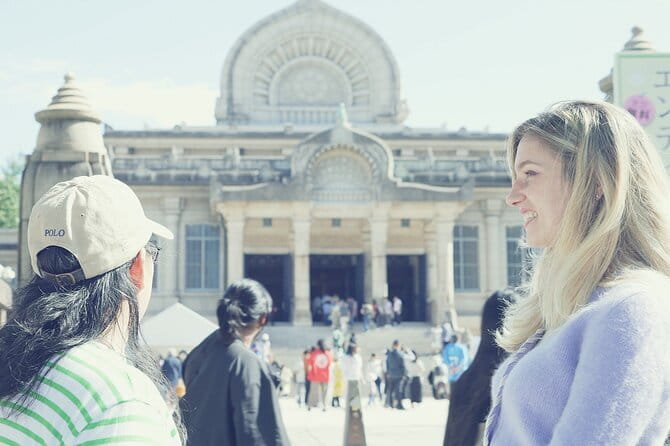
Stop 1: Tsukiji Hongwan-ji Temple and a quick etiquette reset
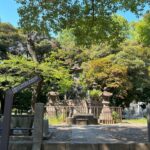
The tour starts at Tsukiji Hongan-ji Temple, right at the meeting point, so you’re not scrambling to find your guide inside the market later. This first stop sets the tone. The guide gives brief Buddhist ritual knowledge, the kind of practical basics that help you behave respectfully when you see people praying, bowing, or performing small actions you might otherwise misunderstand.
In one recent run, the guide Ronnie met the group at the Temple main gate and walked through the first points before moving on. Even if you don’t get the same guide, the intent is consistent: you get a fast cultural warm-up so you can experience the shrine and temple areas without treating them like background scenery.
You only need a little time here—around 10 minutes—but it changes how you experience the rest of the morning. You’re calmer. You understand that this area has spiritual and community layers alongside the food economy.
Stop 2: 38KIOSK as the hub for storage and getting ready
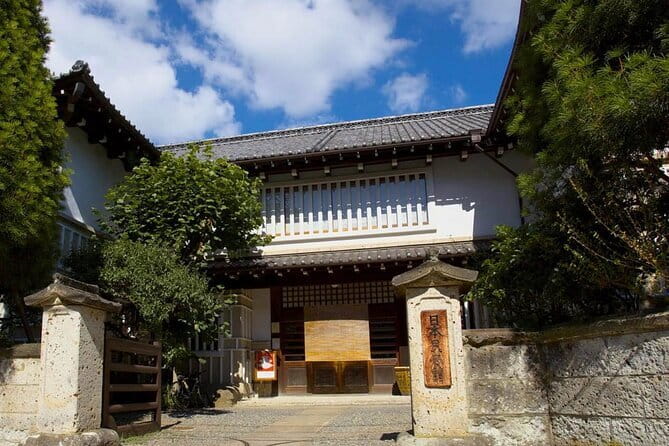
After the temple introduction, you move to 38KIOSK. This is where the tour becomes practical. If you’re traveling with a small suitcase or extra bag, you can use the free luggage storage service during the tour. That matters more than it sounds. Markets are busy and narrow in places. Carrying luggage makes you slower and more stressed, and it can physically limit where you can go.
38KIOSK also works as a reset point for the group—an easy place to regroup, listen, and prepare for the market section ahead. It’s listed as the start hub for the tour intro, and it’s also part of the later meal plan, so you’ll recognize the location again when lunch time comes.
If you like structure, this hub does a good job of giving it to you without turning the tour into a timed factory line.
Stop 3: Jogai Market—tools, knives, and spotting quality ingredients
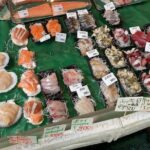
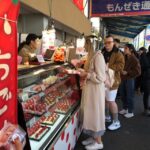
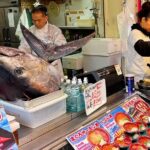
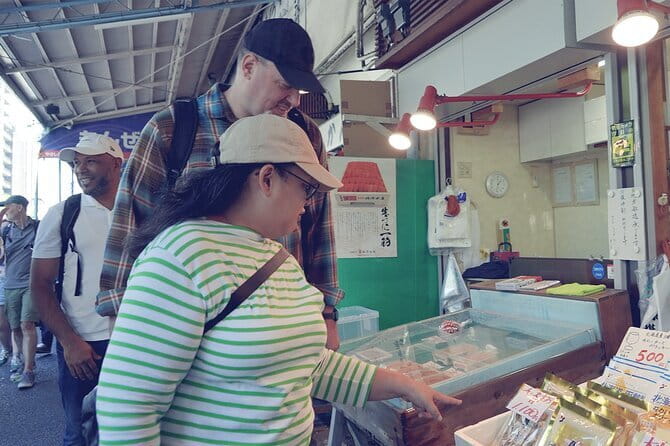
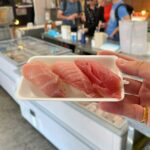
This is the heart of the experience: Tsukiji Jogai Market with guided focus on food culture and the craftsmanship behind it. The idea isn’t just to walk past stalls and say sushi. It’s to help you notice how ingredients and tools connect, including a stop meant to highlight handcrafted knives and tools passed down through generations.
That detail is more than trivia. When you see how serious people are about cutting, preparing, and handling ingredients, you start to understand why the market’s product doesn’t just look fresh—it’s treated like something that demands skill. Even if you don’t buy anything, you’ll feel more confident walking the aisles afterward.
Timing here is also useful: you spend about 1 hour 20 minutes in this guided market segment. It’s long enough to learn your way around, but short enough that you’re not exhausted before lunch.
One drawback to keep in mind: Tsukiji is still Tsukiji. This is a working market environment, and it can feel crowded and busy at peak times. The guide helps you navigate, but it’s still outdoors-to-indoor movement in a dense area.
Namiyoke Shrine: a calm pause that adds context
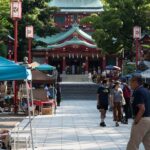
Your included cultural stops don’t end with Hongwanji. The tour also includes entrance to Tsukiji Namiyoke Shrine. You might expect an all-food itinerary, but this shrine visit adds breathing room and context.
This matters because Tsukiji’s food reputation is enormous. It’s easy to turn that into pure shopping mode—eat what you can, photograph what you can, repeat. Namiyoke Shrine gives you a brief moment to slow down and remember this place is part of a real community rhythm.
It’s not a long stop. It’s also not presented as a replacement for food. Think of it as a checkpoint: you pause, you observe local practice, and then you return to the market mindset with a little more respect and fewer blind spots.
Lunch at 38KIOSK: party-style eating with your market finds
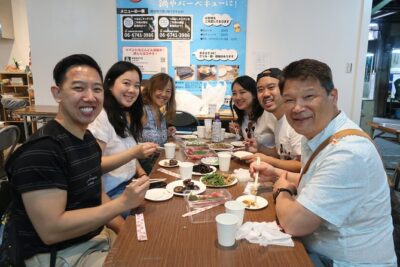
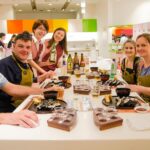
The tour’s lunch stop is 38KIOSK again. This time it shifts from setup into payoff. You’ll enjoy a party-style meal connected to what you found earlier, using fresh ingredients sourced during your market tour route.
Important point: lunch is not fully included as a set meal. The overall tour structure is no preset food inclusions, meaning you pay for dishes you want to try. Your foodie guide still helps you hunt for the best picks, but you’re in control of what you order.
That’s actually a good arrangement for most people. Tsukiji meals can vary wildly in price depending on what you choose—sushi grade, skewers, seafood portions, and extras add up fast. By keeping food flexible, the tour lets you experience the scene without forcing you into a fixed menu you may not want.
If you like choosing your own favorites, this setup fits. If you hate decision-making in a busy environment, you’ll want to lean on the guide’s recommendations early so you’re not stuck guessing when the food arrives.
Price and what you’re really paying for ($75)
At $75 per person for roughly 3 hours, the price is reasonable if you value guidance and included access points.
Here’s what’s included:
- Local professional guides
- Free luggage storage
- A survival Japanese lesson
- Entrance fees for the Tsukiji Hongwanji Temple, Tsukiji Namiyoke Shrine
- Entrance fees for the Tsukiji Fish Market and Jogai market
What’s not included:
- Lunch cost itself is not presented as fully covered
- Alcoholic beverages are also not included
So you’re not paying only for walking. You’re paying for orchestration: entry fees, a guide to cut through confusion, storage so you can move comfortably, and the language starter that helps you communicate basic needs.
When does this feel like a great deal? If you’d otherwise pay separate admission for the sites and waste time trying to figure out which stalls are best, a guided plan saves both money and energy. When might it feel less ideal? If you already know Tsukiji well and you’re comfortable navigating without help, you could potentially get away with a cheaper self-guided day. The key is whether you want the market puzzle solved for you.
Also worth noting: this tour tends to book ahead (on average about 24 days in advance). If you’re traveling during a busy period, I’d treat that as a sign to lock it in sooner rather than later.
Pacing, walking distance, and who should book
This is a walking tour with about 2 hours of walking time called out as the meaningful requirement. It’s not labeled as extreme hiking, but it does involve extended standing, moving through dense areas, and navigating tight spaces.
It’s also explicitly not suitable for people who may have difficulty walking for extended periods. If you’re unsure, I’d take that seriously and choose a different format.
The good news: the small group cap of six usually means you can move at a more human pace, with less waiting around. Your guide can slow down when needed, and you’re more likely to find a rhythm that feels manageable.
Other helpful notes:
- Most people can participate
- Vegetarian, gluten-free, and religious needs can be handled if you specify during reservation
- Service animals are allowed
- It runs near public transportation
- You’ll have a mobile ticket, which reduces friction on arrival
Should you book this Tsukiji Fish Market food-and-culture tour?
I’d book it if you want Tsukiji to feel like an education plus a meal, without the stress of figuring everything out alone. The included temple and shrine access, the luggage storage, and the small-group size add up to a smoother morning—especially if this is your first time in the area.
I’d skip it if you strongly prefer total freedom and already know exactly where you want to eat, or if the idea of paying for food as you go feels like too much decision-making. The structure is flexible, but it’s not a fixed tasting menu.
If you’re on the fence, ask yourself one question: do you want the market solved for you, or do you want to wander and self-direct? This tour is built for the first option—and it does that job well.
FAQ
What is the duration of the Tokyo Tsukiji tour?
The tour lasts about 3 hours.
What is included in the tour price?
The price includes local professional guides, free luggage storage, a survival Japanese lesson, and entrance fees for Tsukiji Hongwanji Temple, Tsukiji Namiyoke Shrine, and the Tsukiji Fish Market/Jogai market.
Is lunch included?
Lunch is not included as a fixed included meal. You’ll stop at 38KIOSK for a meal where you pay for the dishes you want to try.
Do you get preset food tastings?
No. There are no preset food inclusions, so you only pay for dishes you choose to try.
How many people are in the group?
The group size is capped at six travelers.
Where does the tour start and end?
It starts at Tsukiji Hongan-ji Temple and ends at 38KIOSK.
Is luggage storage available?
Yes. There is free luggage storage during the tour for small suit cases and similar items.
What if I have dietary needs?
The tour can accommodate vegetarian, gluten-free, allergies, and religious needs if you specify them when reserving.
What happens if weather is bad?
This experience requires good weather. If it’s canceled due to poor weather, you’ll be offered a different date or a full refund.