REVIEW · TOKYO
Tokyo Tsukiji Fish Market Food and Walking Tour
Book on Viator →Operated by Traveling Tokyo · Bookable on Viator
Fish markets can feel chaotic—this one makes sense. I really like this Tokyo Tsukiji Food and Walking Tour because it turns the noise into a clear route, with the kind of insider tips that help you know what to look for (and where to go). Two more reasons I’m a fan: the group stays small (max 10), and you also get digital photos taken during the walk so you can focus on what you’re seeing.
One thing to keep in mind: food and drinks aren’t included in the tour price, so you’ll want a little cash/card for snacks at the stalls.
In This Review
- Key highlights at a glance
- Tsukiji starts with etiquette, not just seafood
- Price and value: what you’re really paying for
- Meeting point: get your bearings fast
- Stop 1: Tsukiji Hongwanji Temple (customs first)
- Stop 2: Tsukiji Fish Market (history and scale)
- Stop 3: Tsukiji Jogai Market (street shops, tuna, and chaos in a good way)
- Guides make or break it: the real reason I’d book
- Timing: why a short, focused tour works here
- What to expect about food (and how to plan)
- Photos included: small perk, big payoff
- Who should book this Tsukiji walking tour
- Book it, or DIY? My honest take
- FAQ
- FAQ
- How long is the Tsukiji Fish Market Food and Walking Tour?
- What does the tour cost?
- Is the tour limited to a small group?
- Where does the tour start?
- What places do you visit?
- Is admission included for the stops?
- Are food and drinks included in the price?
- Do I get digital photos?
- Is the ticket mobile-friendly?
- Can I cancel for a full refund?
Key highlights at a glance
- Small-group cap of 10 keeps the pace human and the questions quick
- Temple start at Hongwanji adds context before you hit the fish market energy
- Entry fees are included for Tsukiji Hongwanji Temple, Tsukiji Fish Market, and Tsukiji Jogai Market
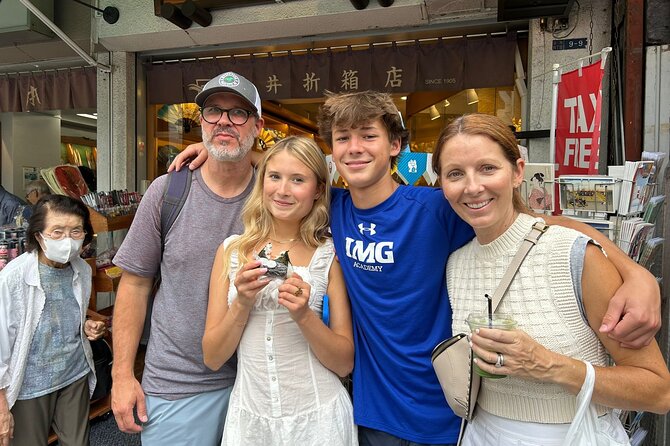
- Digital photos included help you remember what you ate and where you wandered
- Focused stops: Fish Market, then the street-shop Jogai Market for a different feel
- Near public transportation + mobile ticket makes it easy to show up and go
Tsukiji starts with etiquette, not just seafood
Tsukiji can overwhelm you fast. There are smells, noise, workers, tourists, and a lot of signs. The best thing this tour does is give you order. You start with a short visit to Tsukiji Hongwanji Temple, then you move into the market with your head already in the right place.
I also appreciate that this isn’t a random loop. It’s built around three stops that each have a different job: history and customs (temple), fish-market scale (Fish Market), and everyday street-food/shops (Jogai Market). That flow matters because you’re not just chasing sights—you’re learning how people actually move through this area.
The group size is small enough that you’ll likely feel like you’re walking with someone who has a plan, not a crowd-control escort. And since the tour includes photos, you don’t have to keep stopping and fighting for angles while other people are still moving.
You can also read our reviews of more tours and experiences in Tokyo.

Price and value: what you’re really paying for
At $21.14 per person, the price looks “budget-friendly” on paper. The real value is what’s folded into it. Your tour includes a local professional guide, entry/admission to the three main stops, and digital photos taken during the tour.
What’s not included is the obvious spending part: food and drinks. That means the tour works best if you go in with a plan for eating—snack money, not a full meal budget. The guide’s strength is helping you choose stalls and items you’d probably miss if you were wandering alone.
In other words, you’re paying for the structure and the local choices. You’re not paying for unlimited tastings.
Meeting point: get your bearings fast
You’ll meet at Starbucks Coffee – Tsukiji Station, located at Chuo City, Tsukiji (address listed as Tsukiji 2-chōme, inside the building near the station). It’s a smart meeting point because it’s easy to find, and it’s near public transportation.
The tour ends back at the same meeting point, so you’re not left figuring out where you are after the market. I also like that you get a mobile ticket. No hunting for paper, no last-minute printer drama.
If you’re the type who hates arriving late and walking in circles, this setup helps. You can show up, grab the group, and start moving.
Stop 1: Tsukiji Hongwanji Temple (customs first)
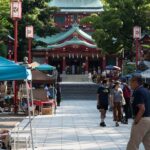
Before you see the fish, you visit Tsukiji Hongwanji Temple. It’s described as having more than 400 years of history. This is a short stop—about 15 minutes—but it sets the tone.
Here’s why I think this matters. A lot of people show up to Tsukiji and only see the commerce. The temple stop gives you a quick human layer: customs, practices, and the way reverence and routine can exist side-by-side in Japan. You’re not turning it into a museum visit. You’re getting a feel for how people behave before the busy market part.
Possible drawback: if you’re in pure “eat immediately” mode, 15 minutes can feel like a warm-up. I’d still treat it as part of the experience. By the time you reach the stalls, you understand the vibe better.
Stop 2: Tsukiji Fish Market (history and scale)
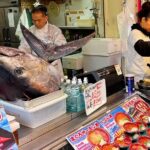
Next comes the main event: Tsukiji Fish Market. The tour frames it around an 80-year history and its past role as the biggest fish market in Japan and the world.
You’ll spend about 50 minutes here. That’s enough time to feel the scale without turning it into a speed-walk. The guide’s job is to help you understand what you’re looking at—so you don’t spend the hour just staring and guessing.
One thing I like about guided market time is what it saves you from. Without help, you might miss the logic of where food is being prepared, how sellers present items, and which stalls are worth lingering at. With a guide, you’re usually spending more time on the interesting bits and less time lost in the obvious ones.
Also, because entry/admission is included, you’re not stuck calculating whether you paid enough or whether you need to line up again somewhere.
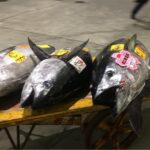
Stop 3: Tsukiji Jogai Market (street shops, tuna, and chaos in a good way)
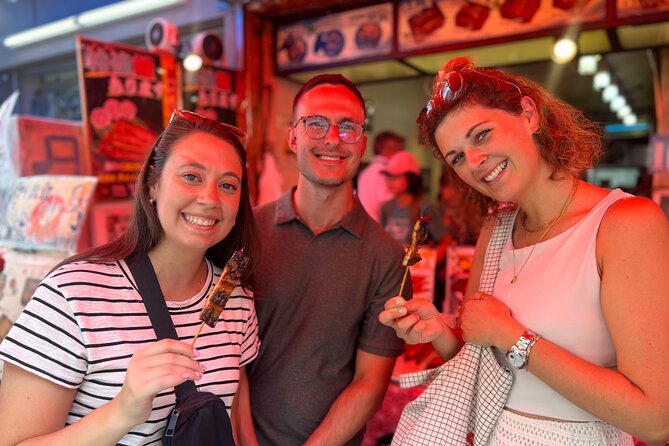
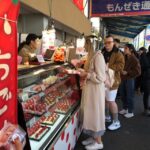
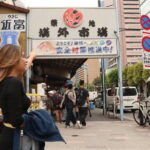
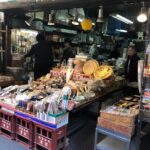
After the fish market stop, you shift to Tsukiji Jogai Market. This part is described as having 400 street shops and vendors, and it’s where the atmosphere becomes more street-market than wholesale hall.
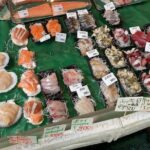
You get another 50 minutes here. If Fish Market is where you learn the structure, Jogai is where you feel the everyday rhythm. It’s the place for quick stops, snack decisions, and seeing lots of seafood-related options in a concentrated area.
Even though food and drinks aren’t included in the tour price, Jogai is where your appetite usually kicks in. It’s also where you’ll likely want to follow your guide’s suggestions, because this is the part where “easy to find” isn’t always the best choice.
If you’re sensitive to crowds and noise, this is the stop where you might want to slow down. You’re moving through a working marketplace with lots of foot traffic and sellers calling out.
Guides make or break it: the real reason I’d book
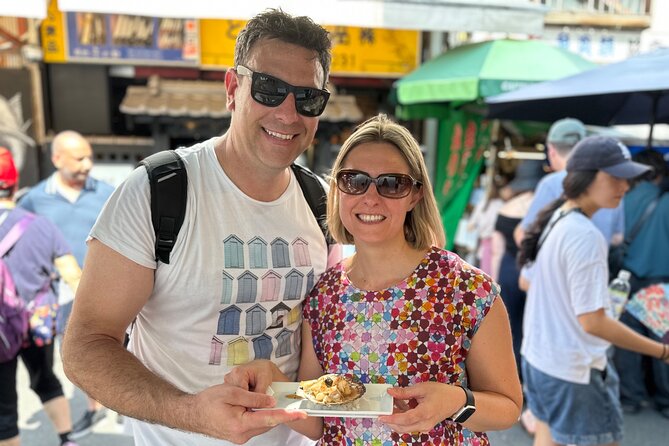
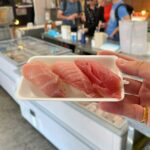
This tour is led by a local professional guide, and the standout theme is that the guide helps you turn what you see into something you understand. People come away remembering details like tuna cuts, wagyu types, and what different stalls are good for.
Names you may see associated with this kind of tour leadership include Yayoi, Shino, Shingo, Jim, Hayden, Doren, Nao, Andreas, and Yota. I can’t guarantee which guide you’ll have on your date, but it’s worth knowing the tour isn’t just “a walk with a person who speaks English.” The format is designed around guidance.
That matters because Tsukiji is visual and fast. A good guide helps you ask the right questions and pick the right stalls without turning your day into a stressful scavenger hunt. And since you get photos taken during the tour, you’ll also have a few visual memories without having to stop every two minutes.
Timing: why a short, focused tour works here
The whole experience is about 2 hours. That’s ideal for Tsukiji because the market itself is a lot. If you try to “do everything” alone, you can burn hours and still not know what you actually saw.
With a guided route, you get three structured segments:
- a calm context stop at the temple
- a fish-market overview with history
- a street-market finish where you can browse and choose snacks
It also works well if you’ve got the rest of Tokyo planned that day. Tsukiji’s area can be a morning or early-day activity, and a two-hour tour keeps you free for other neighborhoods afterward.
What to expect about food (and how to plan)
Food and drinks are listed as not included, but that doesn’t mean you’ll leave hungry. Market tours are usually built for browsing and sampling, even if you pay directly at stalls for what you choose.
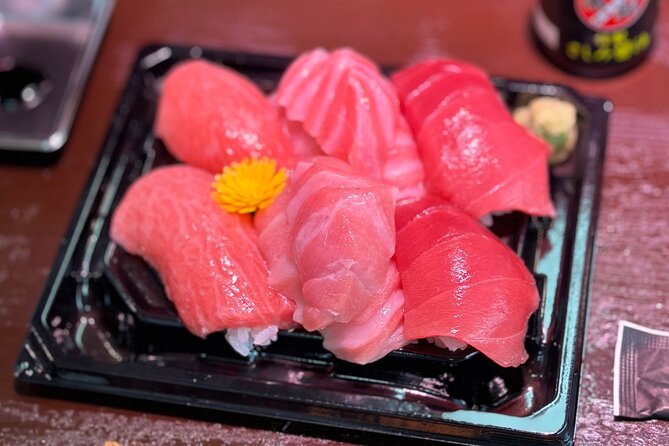
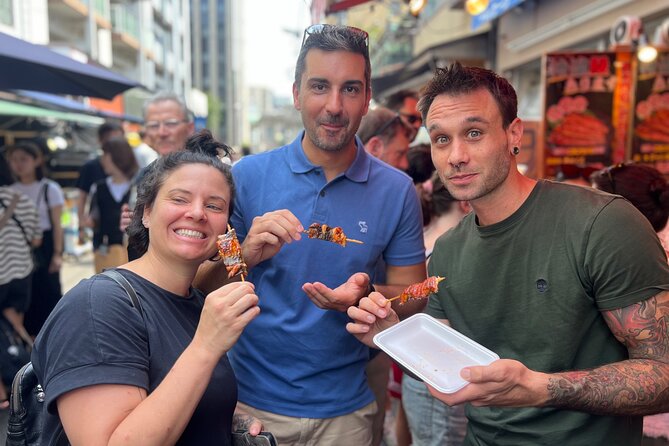
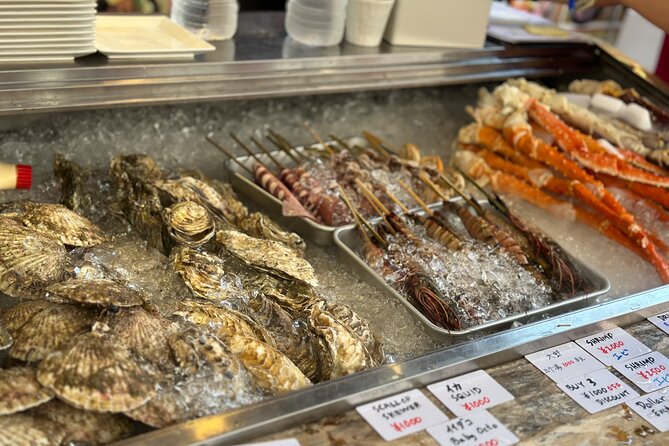
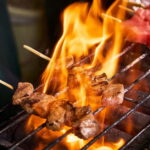
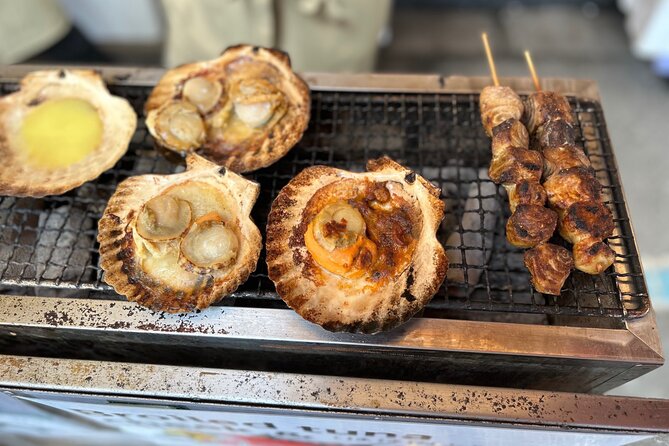
My practical advice: show up with a realistic snack budget and a plan for how brave you want to be. Tsukiji-area street vendors commonly offer things like sushi, grilled seafood, oysters, and sweet snacks—but what you’ll actually see (and what you’ll end up trying) depends on the day.
If you skipped breakfast before your tour, you might be happy you did—not because the tour explicitly feeds you, but because the market will put food in your face fast. Just don’t rely on the tour price to cover eating.
Also, check the weather. You’ll be walking outdoors for most of the time, and Tokyo mornings can be cool or sticky depending on the season.
Photos included: small perk, big payoff
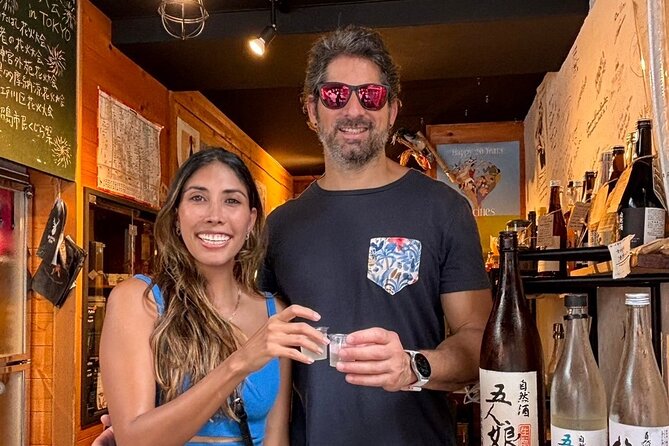
The tour includes photos taken during the tour with digital photos included as part of your experience. This is one of those “quietly important” details.
In markets, the best photos often happen when you’re not micromanaging the camera. With a guide taking photos during the walk, you get a record of places you’d otherwise only remember vaguely. It’s especially handy if you’re traveling as a pair and don’t want to keep asking strangers to take shots.
Who should book this Tsukiji walking tour
I’d book this if you:
- want a short route that gets you into the right places fast
- like learning customs and context, not just taking photos
- prefer a small group where your questions actually get answered
- want entry included so you can focus on the visit
You might skip it if you already know Tsukiji well and want full freedom to roam at your own speed with no guide. But even then, the temple + structured market route is a nice way to start your morning.
Book it, or DIY? My honest take
If your goal is to see Tsukiji without wasting time guessing, I think this tour is a smart choice. The price is reasonable for what you get: guide time, admissions handled, and photos. The two-hour structure is also a big plus because it keeps the experience from dragging.
My one caution is simple: since food and drinks aren’t included, come ready to snack and pay as you go. If you want a “food is fully covered” tour, you may feel disappointed.
FAQ
FAQ
How long is the Tsukiji Fish Market Food and Walking Tour?
It runs for about 2 hours (approx.).
What does the tour cost?
The price is $21.14 per person.
Is the tour limited to a small group?
Yes. The experience is capped at a maximum of 10 travelers.
Where does the tour start?
You’ll meet at Starbucks Coffee – Tsukiji Station (Chuo City, Tsukiji, Tsukiji 2-chōme, 1F area listed in the meeting-point details).
What places do you visit?
The tour includes Tsukiji Hongwanji Temple, Tsukiji Fish Market, and Tsukiji Jogai Market.
Is admission included for the stops?
Yes. Entry/admission to the temple, Tsukiji Fish Market, and Tsukiji Jogai Market is included.
Are food and drinks included in the price?
No. Food and drinks are not included.
Do I get digital photos?
Yes. Photos taken during the tour are included, and you’ll have digital photos from the experience.
Is the ticket mobile-friendly?
Yes. The tour uses a mobile ticket.
Can I cancel for a full refund?
There’s free cancellation up to 24 hours before the experience starts for a full refund. If you cancel less than 24 hours before, the amount paid is not refunded.