REVIEW · SINGAPORE
Learn to cook authentic Peranakan food with local market tour
Book on Viator →Operated by Low Salt Low Sugar · Bookable on Viator
Spice shopping and cooking in one morning. A local market tour near Chinatown MRT kicks things off, and I like that you then cook two classic Peranakan dishes with chef Wei Qiang—especially the ayam pongteh with fermented soybean. One possible drawback: if the operator changes your day or timing, make sure you confirm the exact address before you go.
This runs for about 6 hours and stays small, with a maximum of 6 travelers. You’ll get everything you need on-site—ingredients, cooking equipment, an apron—and you also leave with printed recipes and a homey lunch you can share and photograph.
In This Review
- Key Highlights You’ll Care About
- Peranakan Cooking in Singapore: Two Dishes, One Small-Group Class
- Chinatown MRT to Market Shopping: Where the Class Actually Starts
- Chef Wei Qiang and the Style of Teaching You Want
- What You’ll Make: Assam Fishhead and Ayam Pongteh
- Assam Fishhead: From Scratch, With Authentic Ingredient Focus
- Ayam Pongteh: Chicken Stew With Fermented Soybean
- Lunch at the End: Eat What You Cook (and Take Photos Without Stress)
- Price and Value: Is $168.16 Worth It?
- Scheduling Reality: Flexible Times, a Minimum Start Number
- Who Should Book This Peranakan Class?
- Should You Book This Peranakan Cooking Class in Singapore?
- FAQ
- What dishes will I learn to cook?
- Is there a market tour included?
- How long is the cooking class?
- Where do I meet the chef?
- Is this class private?
- What’s included in the price?
- Does the experience run with any number of people?
- Can I cancel for a refund?
Key Highlights You’ll Care About
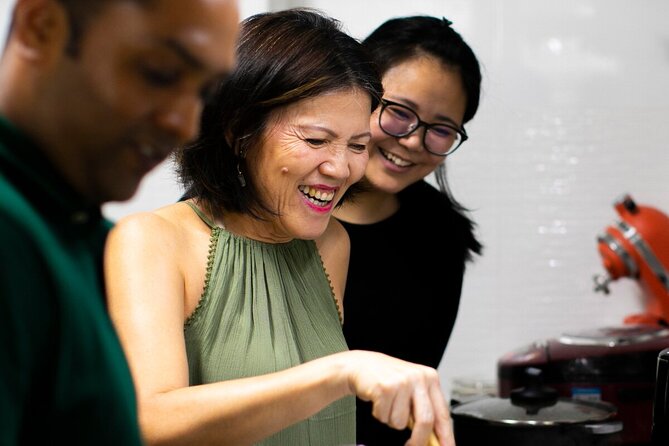
- Chinatown area start point: convenient access from Chinatown MRT (DT19), then you head into the local heartland
- Private chef time: chef Wei Qiang teaches you live, not through a slideshow
- Two dishes from scratch: assam fishhead and ayam pongteh, prepared through the full process
- Market tour for real buying lists: you purchase the ingredient set you’ll use in class
- Hands-on learning: you cook throughout, guided step by step
- Recipes to take home: printed instructions so you can repeat the dishes later
Peranakan Cooking in Singapore: Two Dishes, One Small-Group Class
Peranakan food is the kind of cuisine that makes Singapore feel like a meeting place. It blends Chinese ingredient styles and techniques with Malay and Indonesian spices, which is why the flavors come out bold and layered. In this class, you’re not just tasting culture—you’re working with it, from ingredient shopping through to the final lunch.
The big promise here is simple: in about 6 hours, you’ll cook two authentic Peranakan dishes from scratch—assam fishhead and ayam pongteh (chicken stew with fermented soybean). You then eat what you make. That matters, because Peranakan cooking isn’t only about the final taste; it’s about learning how the ingredients behave together.
Also, the class is limited to a maximum of 6 travelers. That gives you a better chance to ask questions and get attention from chef Wei Qiang, who is specifically praised for being welcoming and teaching in a hands-on way.
One other detail I appreciate: the experience includes printed recipes to take home. So even if you can’t remember every step, you’ll have something practical to follow later rather than relying on memory.
You can also read our reviews of more tours and experiences in Singapore.
Chinatown MRT to Market Shopping: Where the Class Actually Starts
The day begins at Chinatown MRT Station (DT19) at 91 Upper Cross St, Singapore 058362, and it ends back at the meeting point. That’s helpful for logistics: you’re not trying to find a far-flung neighborhood with a weak cellphone signal and a vague landmark.
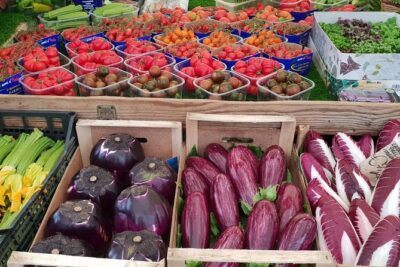
From there, you’ll join a local market trip to buy the ingredients you’ll need for the workshop. This is a key part of the experience because it shifts your mindset from cooking as a task to cooking as supply-chain reality. When you see the herbs, spices, and market items up close, you understand why Peranakan flavors taste the way they do.
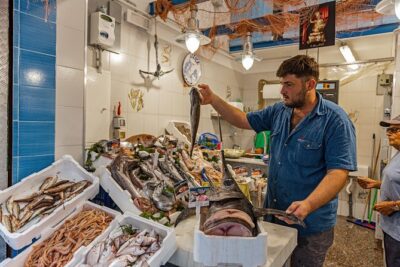
You’ll also get a taste of Singapore’s heartland routine rather than bouncing between tourist stops. If you like watching how locals shop and what stands out in a market setting—what people choose first, what looks fresh, how ingredients are bundled—this part is genuinely worth paying attention to. It also sets you up to cook with confidence later, since you’re using the exact ingredient set you picked.
A small practical tip: arrive a few minutes early at Chinatown MRT. Market shopping starts when you do, and the experience runs on tight timing when you’re cooking for real.
Chef Wei Qiang and the Style of Teaching You Want
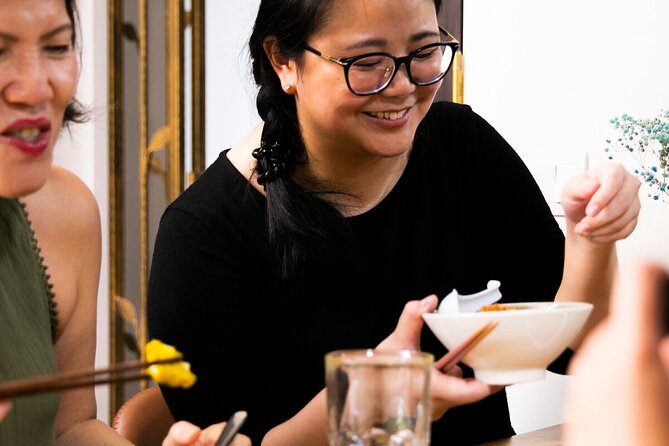
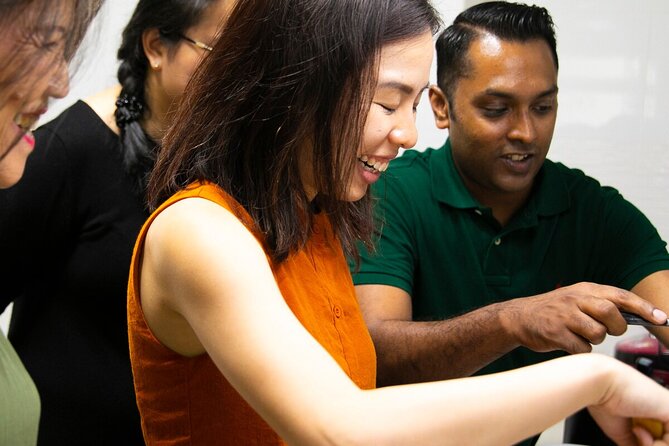
This is a private Peranakan cooking class with a private chef. Your guide is Wei Qiang, and the teaching approach is a big reason people recommend it. In particular, you’re guided through what to do, and you’re not left waiting for someone else to cook while you watch.
What stands out is the combination of hands-on instruction and context. You’ll learn about Peranakan cooking and get the history and meaning behind it—so the food doesn’t feel like random fusion. It starts to feel like a story you can taste, which is exactly what makes cooking classes more memorable than a typical meal.
You may also receive a welcome drink at the start. That kind of small touch matters more than it sounds: it signals that you’re walking into an actual host-led lesson rather than a rushed production line.
Another plus: class times are flexible to fit your schedule, and the experience provides a mobile ticket. That’s useful if your plans can shift (common with Singapore itineraries).
One thing to keep in mind, based on past issues tied to scheduling: if anything changes after booking, confirm the time and meeting details right away. When the address or time isn’t clear, it can throw off your day faster than a minor train delay.
What You’ll Make: Assam Fishhead and Ayam Pongteh
The workshop is built around two dishes. Each one covers a different angle of Peranakan cooking, which is why you come away with more than one “template recipe.”
Assam Fishhead: From Scratch, With Authentic Ingredient Focus
You’ll prepare assam fishhead from scratch. Even if you’ve never cooked it before, the class structure matters: you’ll learn by doing, and you’ll use local herbs and spices that are central to Peranakan cuisine.
Because ingredients are included, you’re not stuck trying to source obscure items on your own. And since you shop for the ingredients together before cooking, you get a clearer mental map of what goes where.
If your cooking style is “I learn best by following the process while someone corrects my technique,” you’ll likely enjoy this. The class is set up so you can participate through the full workflow, not just assemble the final plating.
Ayam Pongteh: Chicken Stew With Fermented Soybean
The second dish is ayam pongteh, described as a chicken stew with fermented soybean. This matters because fermented soybean brings a distinct depth to stews, and it’s also the kind of ingredient that many visitors don’t typically cook with at home.
You’ll cook ayam pongteh from scratch as well, so you get practice with the ingredients and cooking rhythm that turn these elements into a finished dish. And since everything is provided—including cooking equipment and ingredients—you’re not paying extra for the “hard parts” of sourcing.
This is also the dish people tend to remember, because it’s both recognizable and specific. It feels like Singapore food you can point to later, not just something generic that happened at a class.
Lunch at the End: Eat What You Cook (and Take Photos Without Stress)
One of the best parts of this format is that it ends with a homey lunch. You don’t have to guess how it tastes; you get to eat what you made right there.
This also turns the workshop into a full meal experience, not a chopped-up activity that leaves you hungry afterward. Since the lunch comes after the cooking, you’ll be more likely to understand what worked and what you’d do differently next time—because you just went through the steps.
And yes, it’s a good moment to take mouthwatering photos. If you care about food pictures, you’ll appreciate that you’re not just posing with a finished plate from a restaurant. You’re documenting the result of the process you just learned.
Price and Value: Is $168.16 Worth It?
At $168.16 per person, this isn’t the cheapest cooking class in Singapore. But it’s also not pricing itself like a restaurant dinner. The value comes from what’s included and what you actually do during the time.
Here’s where the cost starts to make sense:
- You’re paying for a private chef and a hands-on class format.
- All ingredients are included, which can be expensive when you’re traveling and trying to buy specialty items.
- Cooking equipment and an apron are provided, so you aren’t hit with extra rental or supply charges.
- You also get printed recipes to take home.
- The session includes a market tour plus a meal at the end.
Also, the small maximum group size (up to 6 travelers) gives you better odds of getting real attention during the cooking. In a class like this, that matters.
Timing matters too. The experience runs during the morning window (opening hours listed from 7:00 AM to 1:00 PM). If you pick a slot that fits your day well, you’ll get more value out of the overall time—especially if you’re doing other Singapore neighborhoods later.
Scheduling Reality: Flexible Times, a Minimum Start Number
A couple of operational details are worth knowing so there are fewer surprises.
This class requires at least 2 people to start. If fewer than that book for a date/time you want, the experience may not run as expected. So if your schedule is tight, try to book early and keep an eye on confirmation.
The meeting point is fixed at Chinatown MRT Station (DT19), and the activity ends back there. That reduces the risk of ending far away from where you started.
If you’re someone who likes certainty, do this: once you receive confirmation, verify the start time and meeting details immediately. There have been past cases where timing and address information wasn’t clear after a change, and that can lead to a frustrating morning.
Who Should Book This Peranakan Class?
This class is a strong match if you:
- Want a real Singapore food skill, not just a meal
- Like markets and ingredient shopping as part of the experience
- Prefer small-group cooking with a private chef
- Want to cook two dishes instead of doing one-and-done
- Plan to cook again at home using printed recipes
It may not be the best fit if:
- You want a purely observational experience. This one is hands-on throughout, so you’ll be doing the work.
- Your schedule is extremely inflexible, since start times can shift and you should confirm the exact details.
- You’re traveling solo and are worried about the minimum start requirement. Since it requires at least 2 people to begin, you may need to align with available dates.
Should You Book This Peranakan Cooking Class in Singapore?
If you want an authentic Peranakan cooking experience in Singapore with practical take-home value, I think this is a smart booking—especially if you’re excited about learning from a chef who can explain the food’s background while you cook. The combination of market shopping + cooking two dishes from scratch + lunch + printed recipes is what makes it feel complete.
Before you book, I’d do two quick checks:
- Confirm your class day/time details right away, especially if anything changes after booking.
- Make sure you’re comfortable being hands-on for the full session.
If those are true, you’ll leave with food you made yourself, recipes you can repeat, and a much clearer picture of what Peranakan flavors are built from.
FAQ
What dishes will I learn to cook?
You’ll learn to cook assam fishhead and ayam pongteh (chicken stew with fermented soybean), and then you can enjoy both as part of the lunch.
Is there a market tour included?
Yes. You’ll join a local market tour to purchase the ingredients needed for the workshop.
How long is the cooking class?
The experience lasts about 6 hours.
Where do I meet the chef?
You start at Chinatown MRT Station (DT19), 91 Upper Cross St, Singapore 058362, and it ends back at the same meeting point.
Is this class private?
It’s described as a private Peranakan cooking class with a private chef, and the group size is capped at a maximum of 6 travelers.
What’s included in the price?
The experience includes all ingredients, cooking equipment, an apron, and printed recipes, plus a homey lunch at the end.
Does the experience run with any number of people?
The workshop requires at least 2 people to start.
Can I cancel for a refund?
Yes. You can cancel up to 24 hours in advance for a full refund. Canceling later than that isn’t refunded.