REVIEW · SICILY
Cesarine: Small Group Market Tour & Cooking Class in Catania
Book on Viator →Operated by Cesarine: Cooking Class · Bookable on Viator
Catania smells like food when you do it this way. You start with a local market run, then roll up your sleeves for a hands-on pasta-making class with a small group. It’s a 5-hour experience built around learning two Italian recipes you can realistically repeat at home.
I like the small group size (max 12). That means more attention while dough is sticky and questions pop up. I also like that you’re not stuck watching—this is active cooking, with shopping first so you understand what goes in and why.
One consideration: this is not a quick “see sights and leave” stop. It’s a full session centered on food, so come hungry and ready to spend a solid chunk of your morning.
In This Review
- Key highlights worth planning for
- Catania through food: why this format is so satisfying
- Where you start at 10:00 and how to not waste time
- Shopping in Catania: choosing ingredients you’ll actually recognize later
- The pasta-making workshop: dough skills that transfer to your kitchen
- Dinner that feels personal: why the meal part matters
- Tiramisu included: what you learn from the dessert side
- Group size and pacing: who this class suits best
- Price and value: is $180.19 a fair deal?
- Practical tips before you go (so you enjoy it more)
- Should you book Cesarine’s Catania market tour and pasta class?
- FAQ
- What is the duration of Cesarine’s Catania market tour and cooking class?
- What time does the tour start in Catania?
- How many people are in the group?
- Is the experience offered in English?
- What recipes or dishes are included?
- Where does the tour meet and where does it end?
- Is the meeting point near public transportation?
- Do I get a ticket on my phone?
- How much does the tour cost?
- What is the cancellation policy?
Key highlights worth planning for
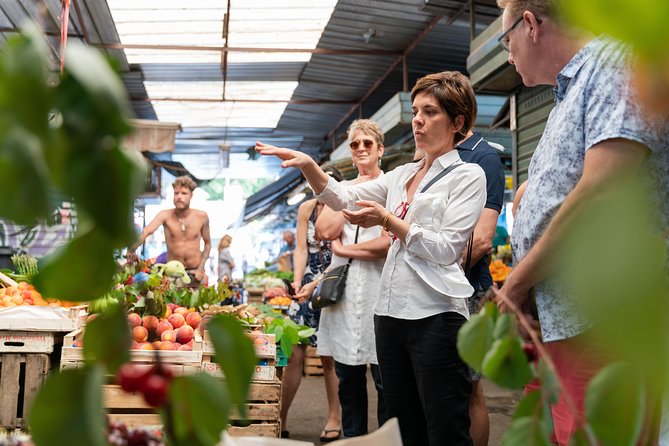
- Meet your guide in a piazza near the open market, then head into ingredient shopping
- Hands-on pasta workshop focused on making dough step-by-step
- Two recipes total, with pasta as the main and tiramisu for dessert
- Max 12 people, so you get real coaching instead of standing in line for tips
- English-language experience, with personalized pacing for a mixed group
Catania through food: why this format is so satisfying
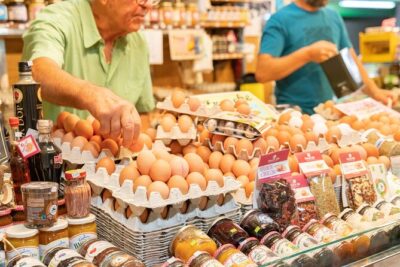
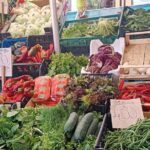
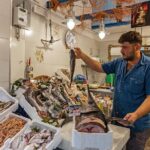
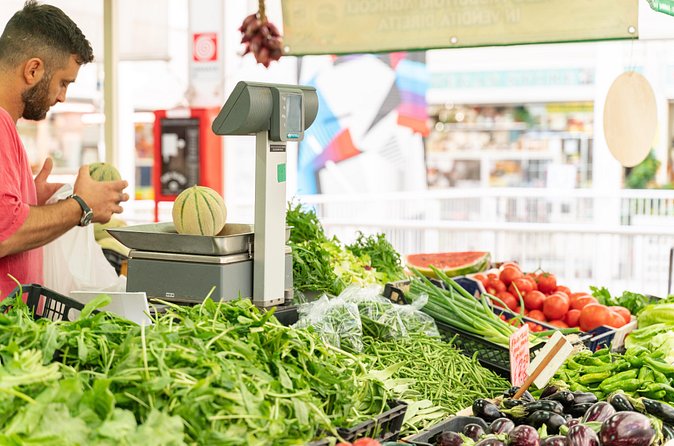
If you want Catania in a single shot, this is the kind of experience that hits the senses fast. Markets in Sicily are loud in a good way—colors of produce, trays of cheese, olives that look like they were designed by someone with a sense of humor. Then the day turns from looking to doing. You’re learning skills, not just tasting a meal.
What makes this tour feel practical is the order. You shop first, then you cook. That turns the ingredients from background noise into a real lesson. You learn how fresh items behave when they meet heat, salt, and timing—things you can’t absorb from a restaurant plate.
And the class is designed for a small group, not a crowd. With a maximum of 12, you’re less likely to feel like part of a wave. You can ask about dough texture or ingredient choices without your question being steamrolled by the next person.
For most people, the biggest win is confidence. You leave knowing what to do with pasta dough and how to structure an Italian dessert session at home.
You can also read our reviews of more tours and experiences in Sicily.

Where you start at 10:00 and how to not waste time
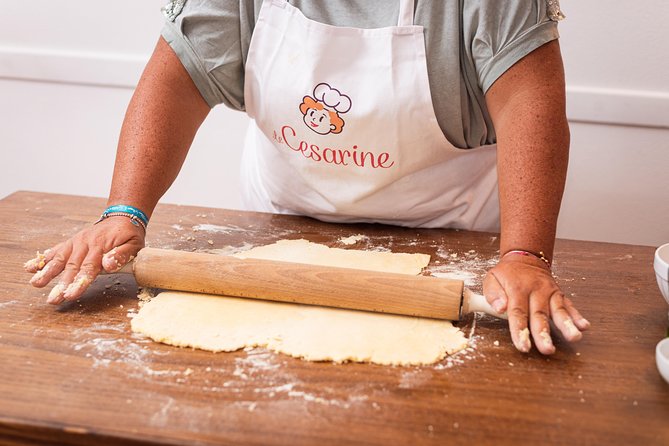
The tour starts at 10:00am in Catania and ends back at the same meeting point. That round-trip setup is a comfort. You don’t need to plan a complicated second transportation step after cooking, which is a small but real travel win when you’ve got limited time in town.
The meeting point is also described as near public transportation. In practice, that matters because Catania can be easiest to explore when you can hop on and off transport without overthinking routes. If you’re staying somewhere central, you’ll likely find it simple to get there on time.
What I’d suggest: give yourself a little buffer before 10:00. When you’re doing a market-and-cooking day, getting there relaxed helps. You’re about to handle food, and you’ll feel better if you’re not arriving stressed.
Also keep an eye out for the guide. In one standout experience, the guide was Antonella, and she met the group just a short walk from the open market area. That kind of clear start matters because it keeps the whole session flowing instead of waiting around while people regroup.
Shopping in Catania: choosing ingredients you’ll actually recognize later
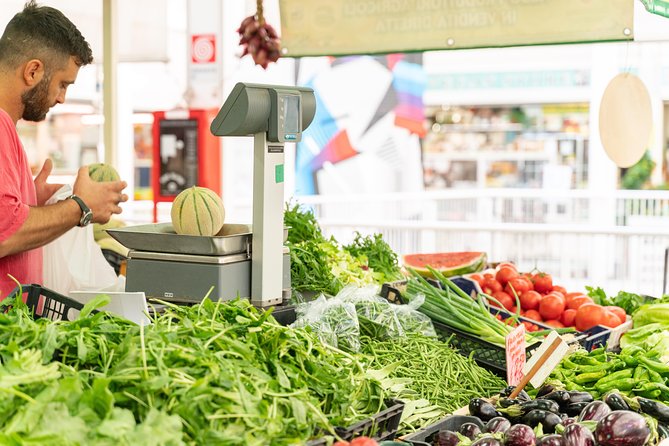
This experience includes a shop-like-a-local ingredient selection. The goal isn’t fancy food shopping. It’s learning what to pick and how to think about ingredients that go together.
In one memorable version of the class, Antonella guided the group through the market and then selected the items they’d use for the appetizers. That small detail is smart. It means you don’t just wander and take photos. You learn the logic behind a meal, ingredient by ingredient.
Expect to choose fresh items that align with the Sicilian approach: focus on quality, keep flavors direct, and let ingredients do the talking. You also get a feel for how certain cheese and produce combos behave, which makes the cooking section easier to understand when you move from market to kitchen.
If you love food travel for the sensory part, this market segment delivers. If you love food travel for learning, it does too. Either way, it sets you up for better results back home because you’ll know what the ingredient should look and feel like when you’re shopping yourself.
The pasta-making workshop: dough skills that transfer to your kitchen
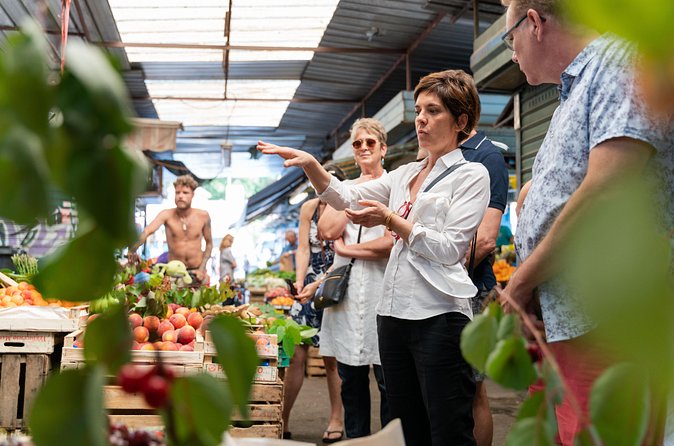
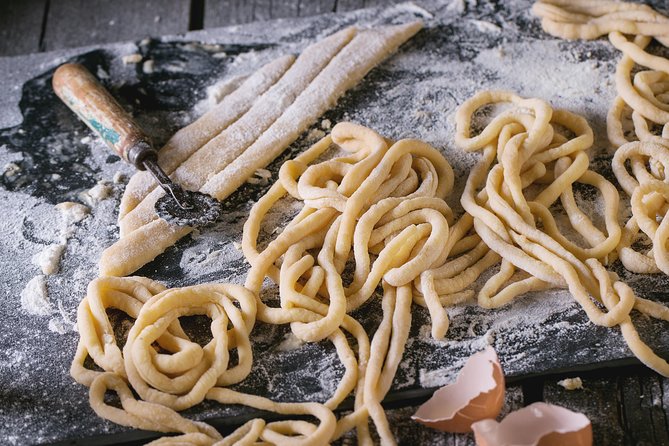
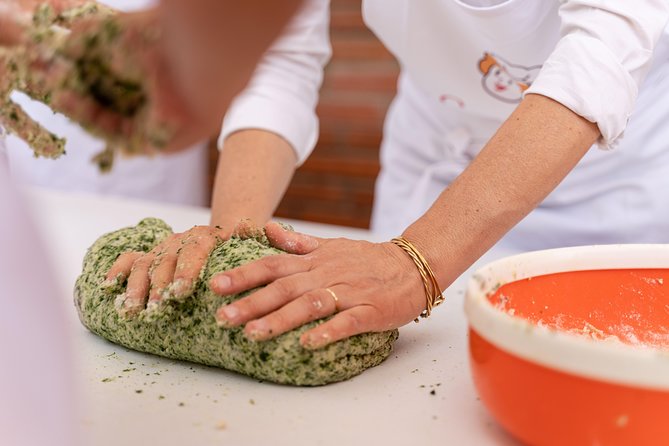
This is the heart of the day: a 4-hour small-group pasta-making workshop. You’re not just assembling. You’re building.
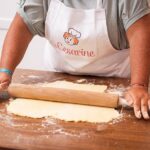
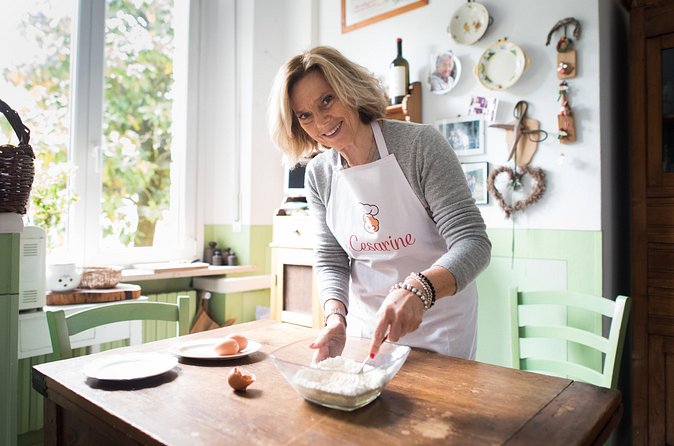
In the approach described by Antonella, the class starts at the dining table, where the guide talks you through making pasta dough. That teaching style matters because pasta dough is where many home cooks get stuck. The dough can feel wrong before you know what “right” feels like. Having someone explain the process step-by-step helps you adjust without panic.
Then you move into the kitchen part of the session, where everyone helps prepare items served alongside the pasta. That’s a nice structure for a vacation day because it keeps you moving and gives you multiple chances to learn.
You’ll likely touch classic flavor elements: the session described includes an appetizer mix featuring pepato cheese, scallions, and olive oil, plus olives and salami. Even if you never recreate the exact appetizer lineup, the taste principles transfer. You learn how salt, tang, and fat balance work in Italian cooking.
And when you return to the table again, you learn how to make the pasta you’ll be eating for supper. That’s the key. You’re practicing the meal you’re about to serve, which is a lot more efficient than learning one dish and eating another.
What you can bring home: not just a recipe, but a mental checklist for dough and timing—so your pasta doesn’t become a sad, homemade science experiment.
Dinner that feels personal: why the meal part matters
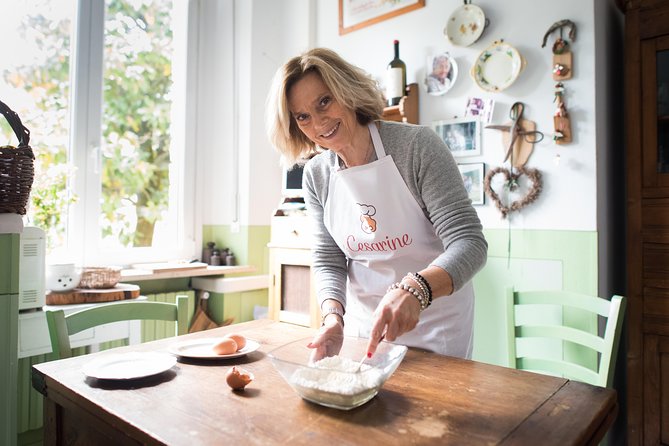
Cooking classes can be hit or miss when the meal is basically an afterthought. Here, the food experience feels like part of the lesson. The dinner you eat comes from what you made and helped prepare, not from a separate kitchen that has nothing to do with your hands-on work.
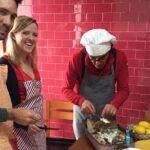
In the experience guided by Antonella, the group shared the meal together after learning the pasta process. That “learn, cook, eat” loop is satisfying because it gives immediate feedback. You’ll know if your dough was handled well. You’ll notice if flavors needed salt or if timing worked.
Also, the setting can add warmth. The same standout experience took place in Antonella’s home apartment rather than a generic cooking studio. That doesn’t mean every class will feel identical, but it signals the spirit of the format: smaller, more personal, and rooted in everyday cooking rather than performance.
For me, this is the moment where the tour earns its place as more than a fun activity. You’re not leaving with only knowledge—you’re leaving with a finished result you can taste and remember.
Tiramisu included: what you learn from the dessert side
Most people think pasta is the whole show, but this class includes dessert too. Your menu includes tiramisu, and the experience is built around two authentic Italian recipes.
Tiramisu is often described as intimidating, but it’s usually intimidating because people skip the rhythm. This kind of class format helps because you learn a repeatable flow: timing, assembly, and getting the texture right so it sets rather than turns watery.
Even if you’ve made tiramisu before, a structured class can refine what you do instinctively—like how long to let it rest and how to manage cream texture. And if you’ve never made it, you’ll likely leave with a clearer sense of how to approach it without guessing.
Dessert also helps make the day feel complete. You’re not just learning savory technique. You’re rounding out the Italian cooking picture with a classic sweet that fits the same “simple but precise” philosophy.
Group size and pacing: who this class suits best
With a maximum of 12 travelers, the day is designed to stay manageable. You’ll likely get more time at key moments—especially dough handling, when questions are easiest to answer in real time.
This setup suits:
- Food lovers who want practical skills, not just a tasting tour
- Couples or small groups who prefer hands-on work
- Solo travelers who don’t want to feel lost in a huge class
- Travelers who like market time as part of the education
It may not be perfect for you if you’re chasing a sightseeing-heavy schedule. This is a food-first block. Plan around it. Eat lightly before you start if you’re prone to getting stuffed early, or bring your appetite and embrace the full session.
One more point: the tour is offered in English. If you’re visiting with friends or family who don’t speak Italian, that removes a big frustration. You can focus on the cooking, not on translating every step with an app.
Price and value: is $180.19 a fair deal?
The price is $180.19 per person, and the tour lasts about 5 hours. On paper, that can look steep until you break down what’s included: market selection, a structured pasta workshop, and tiramisu training, all in a small-group setting.
Here’s why the value often makes sense:
- You’re paying for time and instruction, not just a meal
- You get limited group coaching (max 12), which usually costs more than big classes
- You learn two recipe outcomes you can repeat
- You’re working from fresh ingredients rather than a pre-selected tray
If you’re the type who normally takes cooking classes and still can’t reproduce the results at home, this is the type that can fix that. The focus on dough technique and a classic dessert template tends to stick.
If you only want one dish and you hate hands-on instruction, then it might feel too big. But if you want a real skill-building morning that also ends with a satisfying meal, the price is easier to justify.
Practical tips before you go (so you enjoy it more)
Come in with the right mindset. This is a workshop day.
- Wear comfortable clothes and shoes you can stand in. Cooking days often involve moving between market and kitchen areas.
- Bring curiosity. Asking why something works is how you turn instructions into confidence.
- If you’re sensitive to strong smells, markets and certain cheeses can be intense in a good way, but plan accordingly.
Also consider your vacation schedule. Since it starts at 10:00am and runs around 5 hours, it’s a good anchor activity. Build a lighter plan for the rest of the day afterward.
Lastly, if you’re someone who likes to recreate meals at home, this is a great one to choose. Pasta dough skills and tiramisu structure give you a two-part cooking win.
Should you book Cesarine’s Catania market tour and pasta class?
You should book if you want your Catania trip to include real cooking skills, not just a food stop. This works especially well if you love the idea of learning pasta dough technique and bringing home an Italian dessert you can actually make without stress. The small group cap helps keep it personal, and the English-language format makes it easier to get the teaching you need.
Skip it if you want a classic sightseeing-heavy morning or you can’t see yourself spending hours focused on cooking. This is food travel, not a history tour with a snack at the end.
If you match the vibe—market time, hands-on teaching, two recipes, and a relaxed pace—this is the kind of experience that can turn into your go-to memory meal back home.
FAQ
What is the duration of Cesarine’s Catania market tour and cooking class?
It runs for about 5 hours.
What time does the tour start in Catania?
The start time listed is 10:00am.
How many people are in the group?
The class has a maximum of 12 travelers.
Is the experience offered in English?
Yes, it is offered in English.
What recipes or dishes are included?
The sample menu includes pasta and tiramisu, and the class is described as teaching two authentic Italian recipes.
Where does the tour meet and where does it end?
It starts in Catania, Metropolitan city of Catania, Italy, and ends back at the meeting point.
Is the meeting point near public transportation?
Yes, it’s noted as near public transportation.
Do I get a ticket on my phone?
Yes, it includes a mobile ticket.
How much does the tour cost?
The price is $180.19 per person.
What is the cancellation policy?
Free cancellation is available. You can cancel up to 24 hours in advance for a full refund.