REVIEW · ROME
Taste of Testaccio: Special 15 Year Anniversary Edition
Book on Viator →Operated by Eating Europe Food Tours Rome · Bookable on Viator
Testaccio tastes real Rome, not the postcard stuff. This 15-year anniversary food walk sends you into local markets and side-street eateries, with standout stops like the Testaccio Market and the city’s only Egyptian-style pyramid, Piramide Cestia. I especially like how the tour turns food into a map of the neighborhood. Roman street snacks and practical tips for what to eat (and where) make it feel useful, not just fun.
The big win is the hands-on flow: you’ll make bruschetta at the market, then sit down for three classic Roman pastas and finish with gelato from a long-running institution like Giolitti. One thing to consider: this is a walking food tour built around tastings, so if you have severe or life-threatening allergies you may need to choose carefully (the tour isn’t designed for that).
In This Review
- Key Highlights You Can Plan Around
- Why Testaccio Feels More Like Rome Than the Center
- Meeting at Piazza Testaccio: The Start That Sets the Tone
- Salumeria Volpetti: Cured Meats, Cheese, and Prosecco at the First Stop
- Piramide Cestia: The 2,000-Year-Old Pyramid in the Middle of Everything
- Testaccio Market: Bruschetta You Make, Plus Real Market Snacks
- The Former Slaughterhouse and Monte Testaccio: Food’s Old Engine Room
- Flavio al Velavevodetto: Three Roman Pastas and Local Wine
- Giolitti Gelato: How to Spot Real Gelato and Finish Strong
- What You Actually Eat (and Why It Feels Like Good Value)
- Guide Quality: The Difference Between Seeing Food and Understanding It
- Who This Tour Suits Best (and Who Might Reconsider)
- Should You Book Taste of Testaccio’s 15-Year Anniversary Edition?
- FAQ
- How long is the Taste of Testaccio tour?
- What is included in the tour price?
- Do you actually make bruschetta during the tour?
- Is the tour offered in English?
- How big is the group?
- Can you accommodate dietary requirements?
- Where does the tour start and end?
Key Highlights You Can Plan Around
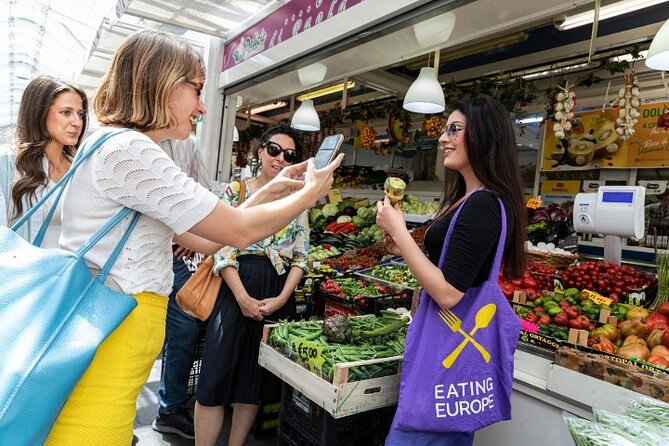
- Make bruschetta at Testaccio Market with fresh ingredients from the stalls
- A weird, wonderful stop at Piramide Cestia, an Egyptian-style pyramid in the city
- Roman staples in real portions: suppli, pastas, and classic gelato
- How to spot authentic gelato, not the fake stuff people try to pass off
- Old-school flavor stops like Salumeria Volpetti and a cheese-and-cured-meat tasting
- Small group size (max 12) keeps the pace friendly and not chaotic
Why Testaccio Feels More Like Rome Than the Center
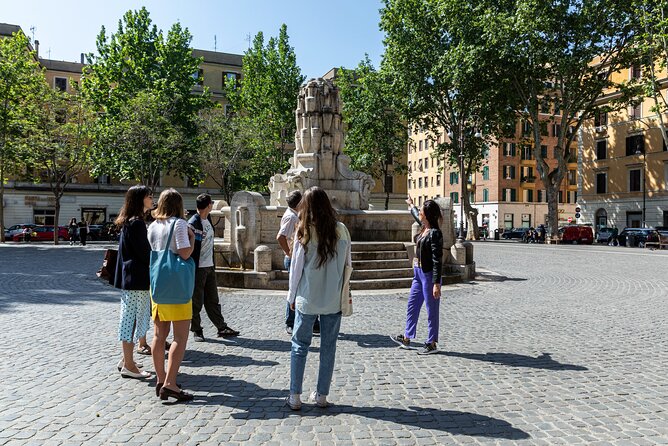
Rome can be loud. The center dazzles, sure, but it also attracts crowds that squeeze the fun right out of food shopping and small talks. Testaccio is different: it’s a working neighborhood where food is part of daily life, not a performance.
This tour is built to show you that difference. You’ll spend time around the market world—produce, stalls, and the kind of places you’d walk past without a local guide steering you in. And you’re not just “tasting,” either. You’re learning how Romans actually build a meal day to day: cured meats, fresh tomatoes, simple classics, and gelato that gets respected.
You can also read our reviews of more tours and experiences in Rome.
Meeting at Piazza Testaccio: The Start That Sets the Tone
You’ll meet at Piazza Testaccio, 39. From there, you head off from Rome’s main tourist circuits into a neighborhood that feels local even on a busy day.
A detail I like: the group is small, with a maximum of 12 travelers. That matters because a food tour is basically a series of quick conversations—about what you’re eating, how it’s made, and why people line up for certain stalls. With a small group, you’re more likely to actually hear the answers instead of just moving with the crowd.
Also worth noting for planning: the tour runs about 3 hours 30 minutes, and it’s an English-speaking experience. Wear shoes you’re comfortable walking in, because you’ll be on your feet through multiple stops.
Salumeria Volpetti: Cured Meats, Cheese, and Prosecco at the First Stop
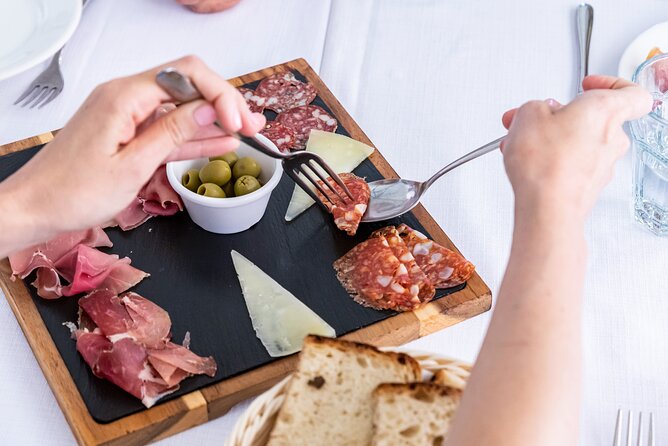
Your first stop is Salumeria Volpetti, where the welcome is not subtle. Expect a selection of fine cured meats and artisanal cheeses, plus tastings using olive oil and balsamic vinegar. It’s a smart opener because it teaches your palate how flavors stack.
Then comes the celebratory toast: a glass of crisp Prosecco. It helps set the mood, and it also makes the tasting feel like a proper start to an evening of food instead of a sprint of small bites.
One practical tip: if you’re the type who likes to order confidently later, this is a good place to pay attention. You’ll see how Italians taste—slow, simple, and comparative. That makes later stops like the pastas and gelato easier to judge, not just enjoy.
Piramide Cestia: The 2,000-Year-Old Pyramid in the Middle of Everything
Next you’ll hit Piramide Cestia, a 2,000-year-old Egyptian-style pyramid right in the city. It’s one of those Rome facts that feels wrong until you see it: a landmark that’s genuinely bizarre, and also totally real.
This stop is only about 15 minutes, so don’t treat it like a full “see the sights” diversion. It’s more like a story break—your guide uses it to connect the neighborhood to Rome’s layered past. You’ll get a sense of how oddball, specific, and local the city can be when you stop sticking to the big checklist.
If you like history that doesn’t feel heavy, this is a good fit. You’re walking through real streets, then suddenly you’re looking at something that makes you question your sense of what Rome should look like.
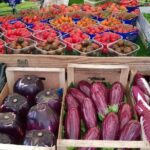
Testaccio Market: Bruschetta You Make, Plus Real Market Snacks
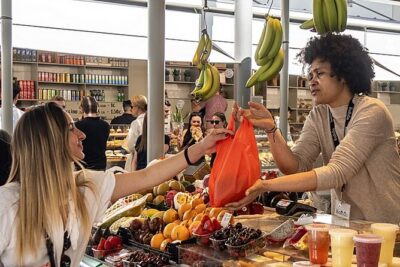
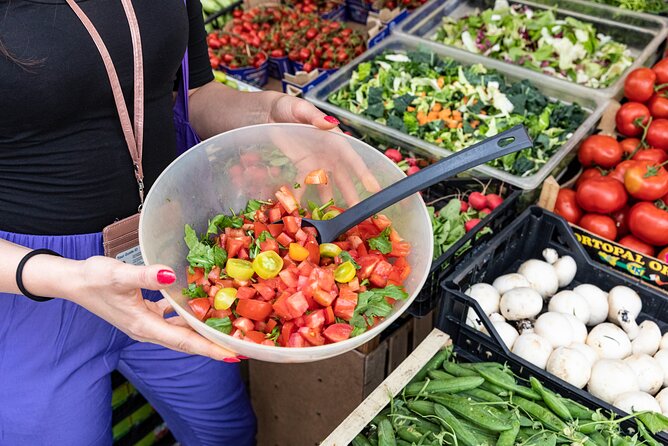
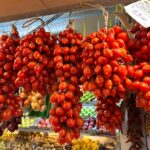
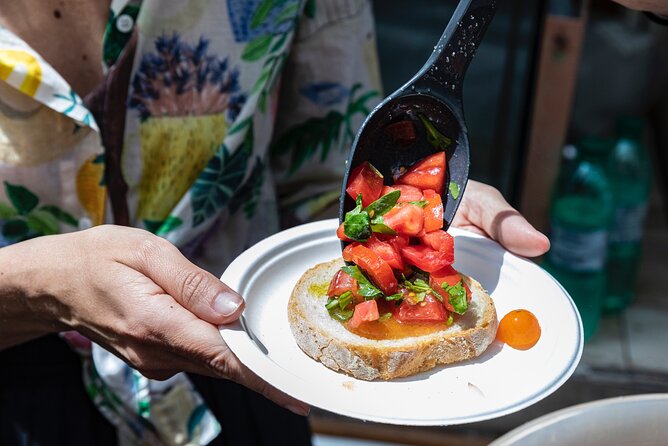
Testaccio Market is the heart of the experience. Here’s where you get hands-on, not just sampling. You’ll make your own bruschetta using fresh tomatoes from local vendors. That step matters because it turns a “tasting” into a skill—and a memory you can repeat later at home.
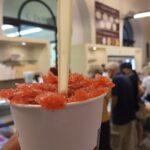
After the bruschetta, the market continues the education through food. You’ll also enjoy classic fried street food (suppli) and a fresh caprese salad with buffalo mozzarella. These are staples, but what makes them tour-worthy is context: you’re eating them in the place where locals shop and snack, not in a themed restaurant built for tourists.
A small caution for your stomach: market tastings can stack quickly—tomatoes, fried snacks, cheese, and then you’re still moving. Bring a hearty appetite. This is one of those tours where you’ll be grateful you don’t schedule something immediately afterward.

The Former Slaughterhouse and Monte Testaccio: Food’s Old Engine Room
A couple of standout sights broaden the tour beyond modern eating. You’ll visit the complex that used to function as Rome’s slaughterhouse, the historic culinary heart of Testaccio, and you’ll learn about the famous quinto quarto cuisine linked to that era.
Then you’ll see the man-made hill built from fragments of millions of ancient Roman olive oil jars (amphorae). It’s called out as a place that tells the story of the Empire’s appetite, and that theme shows up again in how you understand the neighborhood.
Why this works on a food tour: these stops help you connect flavors to systems—supply chains, production, and the practical side of feeding a huge city. You’re not just tasting; you’re building the “why” behind why Testaccio became what it is.
Flavio al Velavevodetto: Three Roman Pastas and Local Wine
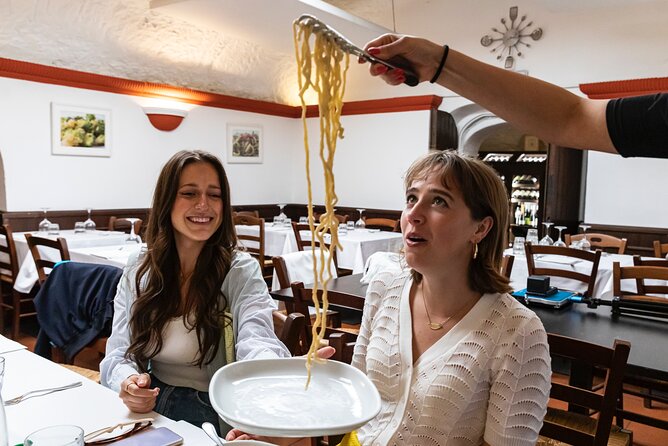
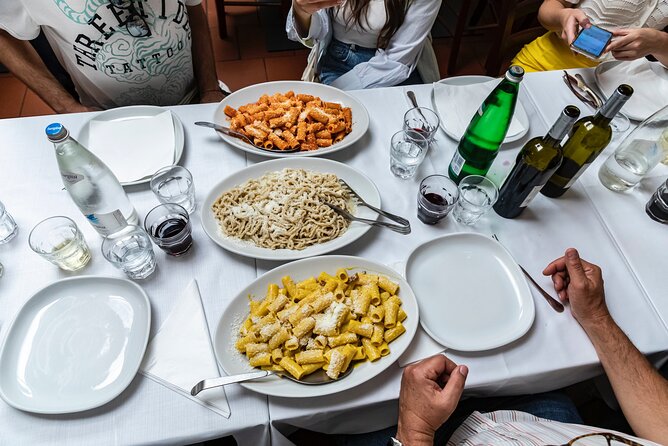
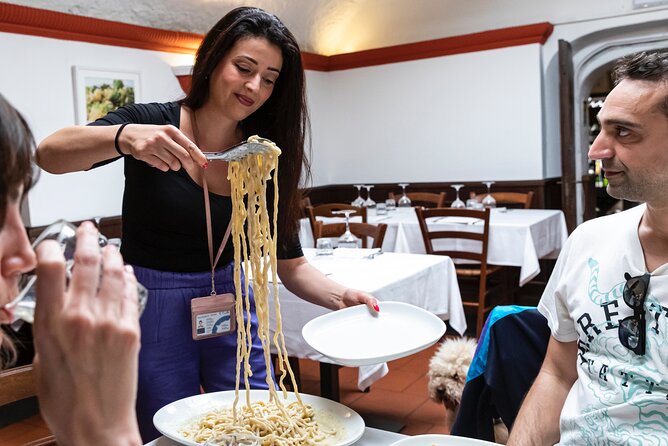
At Flavio al Velavevodetto, you get the kind of sit-down that turns a snack walk into a proper meal. You’ll try three iconic Roman pastas: carbonara, amatriciana, and cacio e pepe. Each one has its own flavor personality, and together they give you a strong sampler of what Rome does best.
These pastas are paired with local wine. That pairing is practical: it helps you notice how the food changes when you add a simple drink that isn’t meant to overpower. It’s also a good moment to slow down, because after the market energy and the walking, you’re ready for a calmer pace.
If you’re worried about value, this stop helps confirm it. Eating that trio in multiple restaurants around town would cost more than the tour price by the time you add drinks and the kind of “in-between” expenses you usually end up paying.
Giolitti Gelato: How to Spot Real Gelato and Finish Strong
You end at Giolitti, a historic gelateria beloved by locals. The big reason this stop is a smart finale is that gelato is one of the easiest things in Rome to mess up—tourist traps exist, and marketing can blur the line between real craftsmanship and imitation.
Here, you learn insider tips on how to spot authentic gelato, not fake gelato. It’s the kind of lesson you can use the rest of your trip, so the tour doesn’t just hand you dessert. It teaches you how to shop for dessert.
Save room. Several guides and tour moments emphasize this end-of-walk priority, and I get why. When you’re finishing with real gelato, the whole route feels balanced: salty and savory earlier, then a sweet close that actually lands.
What You Actually Eat (and Why It Feels Like Good Value)
This tour is priced at $131.81 per person for about 3 hours 30 minutes, and it includes a lot more than a “few bites.” Based on what’s listed, you’ll get:
- Charcuterie and cheeses at Salumeria Volpetti, plus olive oil and balsamic tastings and a Prosecco toast
- Bruschetta you make at Testaccio Market
- Buffalo mozzarella caprese, plus suppli (fried rice ball) and local beer
- Three Roman pastas—carbonara, amatriciana, and cacio e pepe—with local wine
- Espresso and typical Italian pastry
- Gelato at Giolitti, with a lesson on spotting authentic gelato
When you add it up, the tour isn’t just paying for ingredients. It’s also paying for access—into market stalls, into long-running specialty shops like Volpetti and Giolitti, and into that history layer around Testaccio that you’d probably miss on your own.
It also helps that the experience is capped at a small group size (max 12). In practice, that tends to mean more speaking time with the guide and fewer awkward pauses while everyone tries to find the next stop.
Guide Quality: The Difference Between Seeing Food and Understanding It
One reason this tour scores so high is the guides. Names that have come up in past experiences include Valentina, Katherine, Lucca, Edma, Luca, Rish, Francesca, Amin, Giuseppe, and Georgia. Across those stories, the common thread is simple: the guides are friendly, keep things moving without rushing, and connect food to neighborhood life.
That’s exactly what you want on a walking food tour. If you just follow tastings without the explanations, it becomes a sequence of eating. With a strong guide, you start to understand choices: why one shop is respected, why certain ingredients matter, and why certain classics taste the way they do.
Who This Tour Suits Best (and Who Might Reconsider)
This is a great fit if you:
- Want Rome food beyond the typical center-route list
- Like market atmosphere and shopping conversations
- Enjoy Roman classics and want to learn how gelato should taste
- Prefer a small group that doesn’t feel like a herd
You might reconsider if:
- You have severe or life-threatening food allergies, since the tour notes it isn’t suitable for that level of risk
- You’re looking for a purely sightseeing tour instead of a food-first route
- You don’t enjoy walking for 3.5 hours, since this is built around multiple stops
On balance, though, this is the kind of experience that can give you a stronger Rome in fewer hours. It’s practical, taste-based learning, with enough variety that you won’t feel stuck eating only one type of food.
Should You Book Taste of Testaccio’s 15-Year Anniversary Edition?
If your goal is to eat like you’re actually in the neighborhood, I think this is an easy yes. The mix of market bruschetta, Roman pasta classics, and the gelato lesson makes it more useful than a standard food walk. Add in the weirdness of Piramide Cestia and the historic Testaccio food setting, and you’ve got a route that’s both flavorful and memorable.
Book it sooner rather than later if you can. This one tends to be reserved in advance (often around two months out), and with small-group tours, popular dates can disappear fast.
And one last tip: start hungry, pace yourself through the market, and plan to savor the gelato ending. If you do that, you’ll come away with more than full plates—you’ll have a better instinct for where real Roman food lives.
FAQ
How long is the Taste of Testaccio tour?
The tour lasts about 3 hours 30 minutes.
What is included in the tour price?
You can expect multiple tastings and experiences, including making bruschetta at Testaccio Market, trying Roman pastas (carbonara, amatriciana, cacio e pepe), gelato and an explanation of real vs fake gelato, plus additional foods like suppli, caprese with buffalo mozzarella, and espresso with typical Italian pastry.
Do you actually make bruschetta during the tour?
Yes. At Testaccio Market, you’ll make your own bruschetta using fresh tomatoes sourced from local vendors.
Is the tour offered in English?
Yes. The tour is offered in English, and it includes a local English-speaking guide.
How big is the group?
The tour has a maximum group size of 12 travelers.
Can you accommodate dietary requirements?
The tour notes you can email or add a note at booking for dietary needs such as vegetarian or gluten-free. It also says the experience isn’t suitable for severe or life-threatening food allergies.
Where does the tour start and end?
It starts at Piazza Testaccio, 39, 00153 Roma RM, Italy, and ends at Via Amerigo Vespucci, 35, 00153 Roma RM, Italy.