REVIEW · MARRAKECH
Moroccan Cooking Class & Marrakech Market Visit with Chef Khmisa
Book on Viator →Operated by Marrakech Cooking Class With Chef Khmisa · Bookable on Viator
Three hours, and you’ll eat like a local. This Moroccan Cooking Class & Marrakech Market Visit takes you through the Medina with Chef Khmisa, then back to her home workshops to cook a real starter–main–dessert meal. You’ll also start with traditional mint tea, and you’ll shop for fresh ingredients in the Old Souk before anyone turns on the burners.
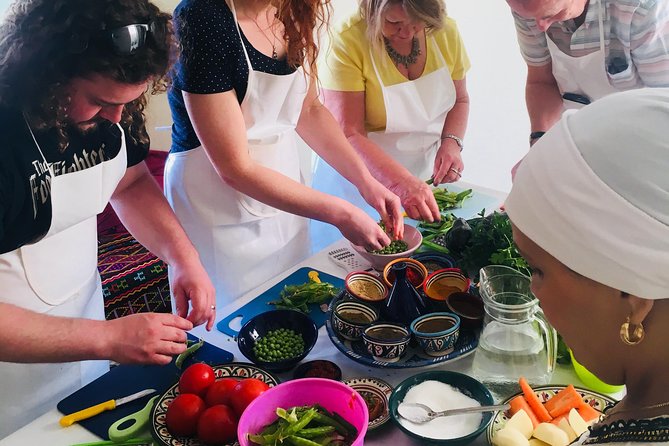
I really like how hands-on this experience is. Everyone helps with the chopping, mixing, and spice work, and the class runs in a family-style rhythm that makes it feel easy to jump in. The second big win is the ingredient shopping: you’re not stuck only seeing the postcard parts of Marrakech, you’re buying food from a real market scene.
One consideration: if you want written recipes after, plan to ask directly during the class. Some past participants say they were told recipes would be sent later, but it didn’t always happen.
In This Review
- Key Highlights You Should Know Before You Go
- Finding Khmisa in the Medina: Bab Doukkala Start Point
- Old Souk Grocery Run: Spices, Herbs, and Real-World Choices
- Khmisa Workshops: Mint Tea and the Moroccan Kitchen Rhythm
- What You’ll Cook: Starters, Tagines, and Dessert (Typical Menus)
- Shared Class vs Private Sessions: How to Choose Your Format
- Getting the Most From Your Team Cooking
- Vegetarian and Vegan Options Without Losing the Moroccan Flavor
- Price and Value: Is $39.39 a Good Deal?
- Language and Hosting Style with Kawtar and Chef Khmisa
- Practical Tips for Your 3 Hours in Marrakech
- Should You Book Chef Khmisa’s Cooking Class? My Decision Guide
- FAQ
- Where does the cooking class start?
- How long is the experience?
- Is hotel pickup and drop-off included?
- What’s included in the price?
- Does the class include a market visit?
- Is the cooking class shared or private?
- Do they offer vegetarian or vegan menus?
- What group size should I expect?
- What’s the cancellation policy?
Key Highlights You Should Know Before You Go
- Start with mint tea rituals before cooking so you learn the flow of hospitality, not just the food
- Market walk in the Old Souk focused on fresh groceries, spices, and everyday Moroccan items
- Small group format (max 15) keeps you actively involved, not watching from the side
- Vegetarian and vegan options are available with the same class energy
- Shared cooking with teamwork at every station so you build skills you can repeat at home
- Lunch and coffee/tea are included and you eat what you cook
Finding Khmisa in the Medina: Bab Doukkala Start Point
Your experience begins at Bab Doukkala Mosque (Mosquée Bab Doukkala) in Marrakech. It’s a practical meeting spot in the Medina zone, and it’s close to public transportation, which matters because getting around Morocco’s old streets is easiest when you’re not relying on a car.
From there, you’ll shift into medina mode quickly. You’ll be walking with the group, following your hosts into the Old Souk area and then toward the cooking workshops. The whole point is to blend food with place—so you’re not just learning recipes in a classroom.
If you’re the type who enjoys arriving a few minutes early to reset your brain (and pick up water), do it. The lanes can be tight, and you’ll want comfortable shoes more than perfect outfits.
You can also read our reviews of more tours and experiences in Marrakech.
Old Souk Grocery Run: Spices, Herbs, and Real-World Choices
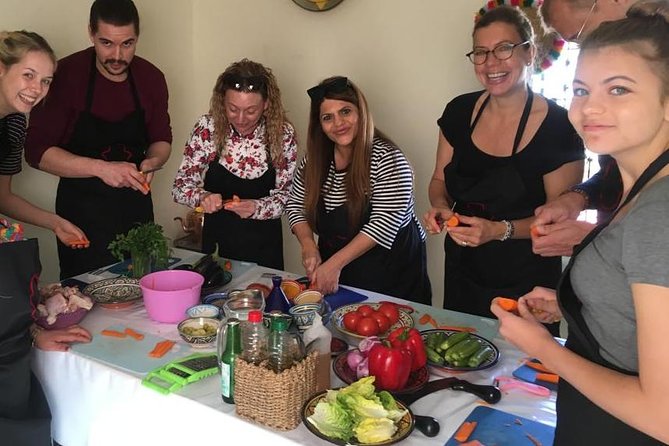
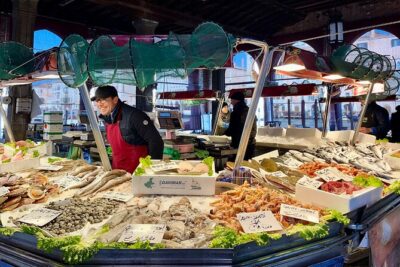
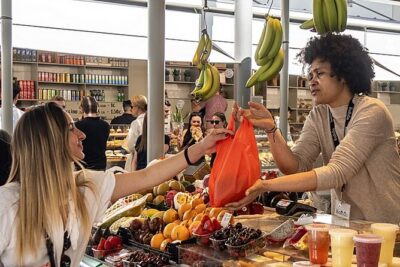
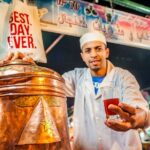
Before you cook, you head to a local market (souq) to buy ingredients away from the tourist-heavy strip. This is where the class earns its keep. Spices in particular aren’t just “things in jars”—you’ll learn how they’re chosen and why they matter in Moroccan cooking.
You’ll walk through the souk with Chef Khmisa and/or the team, buying what you need for the day’s menu. You’ll see spice stalls and local market life up close, which makes the later cooking feel less like following steps and more like understanding a system.
A tip: pay attention to texture and smell as you shop. Many Moroccan flavors come from how ingredients are treated—toasting spices, blending aromatics, and using herbs/oils in the right rhythm. When you taste later, those market choices will make sense.
Khmisa Workshops: Mint Tea and the Moroccan Kitchen Rhythm
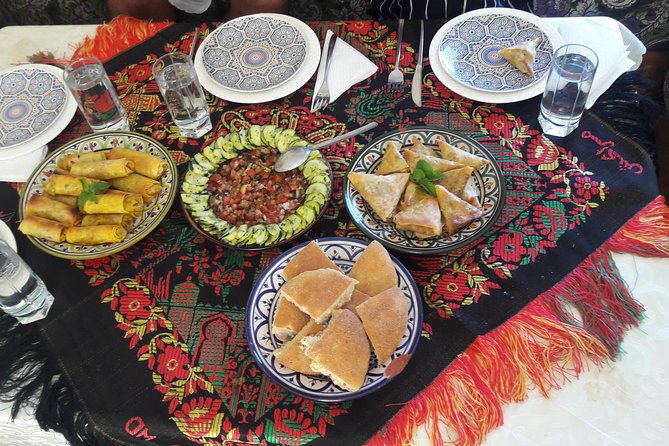
Once back at Khmisa’s place, you’re welcomed with traditional mint tea. This isn’t a token cup. The host walks you through the ritual making steps, and you get time to understand the tea as part of hospitality culture—something you’d recognize instantly when dining with Moroccan families.
The workshops are in a traditional Moroccan house in the heart of the Medina. That setting matters because it changes how the cooking feels. Instead of a sterile studio, you’re cooking in a real home environment, with stations set up for the group.
This is also the moment to talk openly about your food allergies and restrictions. The class is designed around adjusting the menu when needed, and you’ll get more from the cooking if your team already knows what to avoid.
What You’ll Cook: Starters, Tagines, and Dessert (Typical Menus)
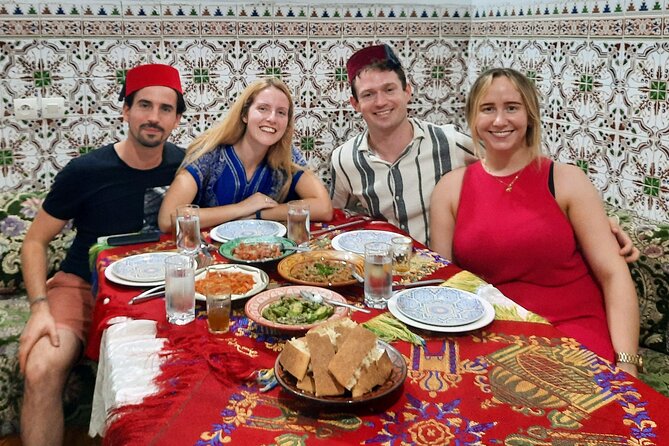
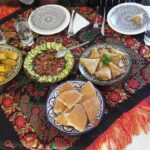
The menu structure is starter / main course / dessert, and you cook as a team. In many classes, the menu has included dishes like chicken tagine with lemon preserves and a vegetable tagine, plus multiple starters (some groups have reported preparing several appetizers). The pastry element may show up depending on the day, but you can expect that “sweet finish” moment.
Here’s the practical part: Moroccan cooking is often about layering flavors. Even when dishes sound simple on paper, the results come from careful seasoning and spice timing. You’ll be shown how to work with spices, oils, and herbs—not just what to add, but when.
For dessert, you’ll likely make something straightforward rather than a complicated patisserie project. That’s good for you. You’ll get the technique and the taste outcome without spending your whole class wrestling with pastry dough.
After cooking, you’ll have time to taste everything you made, as a shared meal. That matters because the class isn’t about producing “pretty food.” You’re building a meal you’ll actually eat while the lessons are still fresh.
Shared Class vs Private Sessions: How to Choose Your Format
This is a shared cooking session with a maximum of 15 travelers. That group size is a sweet spot. You get the social energy of cooking with others, but the hosts can still keep an eye on everyone’s cutting, mixing, and spice handling.
If you’re traveling as a couple, small family, or group that wants more one-on-one attention, the experience does offer private sessions on demand (you contact the provider directly). A private setup can be especially helpful if you want deeper guidance on substitutions for dietary restrictions.
You can also come individually, and the format still works. The hosts are used to mixed groups, and Kawtar assists with communication between you and Chef Khmisa—so you shouldn’t feel stuck if your French or Arabic is limited.
Getting the Most From Your Team Cooking
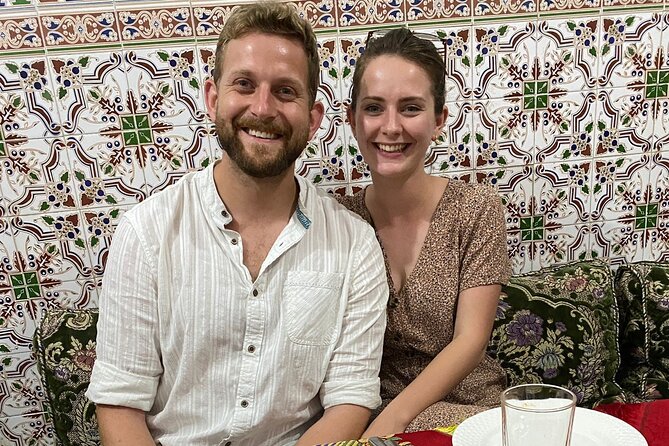
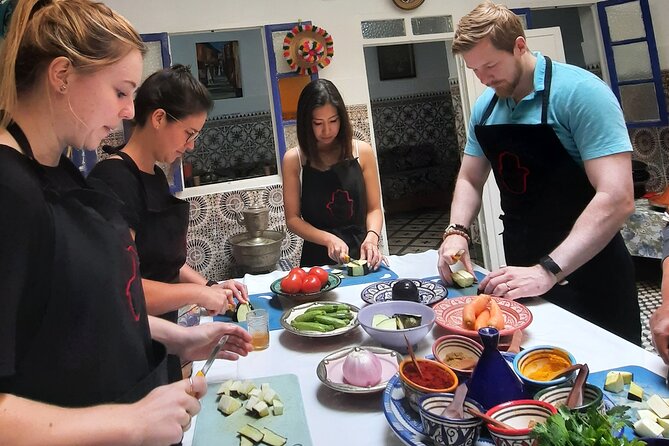
This class rewards active participation. Even though the kitchen has a host-led flow, you’re not sitting and watching while everyone else cooks. You’ll be part of the stations and the preparation, which is why many people leave feeling like they gained skills—not just a meal.
To make it click fast, do three things:
- Take notes on timing, not just ingredients. Moroccan dishes often depend on step order.
- Taste as you go, especially spice blends. It helps you understand what “right” feels like.
- Ask why the spice is used, not only how much. That’s where cooking mastery lives.
If your group includes kids, it’s often a friendly environment. One reason is that there are many hands-on tasks, and you’re working with guided stations rather than sending kids off to fend for themselves.
And yes—expect to move. You’ll walk to the market, return to the workshops, and then cook in a way that keeps your hands busy for the duration.
Vegetarian and Vegan Options Without Losing the Moroccan Flavor
Good news: vegetarian and vegan options are available. That’s not always true for cooking classes, and it makes a difference.
What to keep in mind: your menu may shift to work with what’s typical in Moroccan vegetarian dishes and how the chef balances flavors without animal-based ingredients. The important part is that you’re not just swapping one ingredient—you’re learning the seasoning approach that makes Moroccan food taste like Moroccan food.
If you have strict dietary needs, bring specifics. The best results come when allergies and restrictions are discussed before the souq shopping so the grocery choices match the cooking plan.
Price and Value: Is $39.39 a Good Deal?
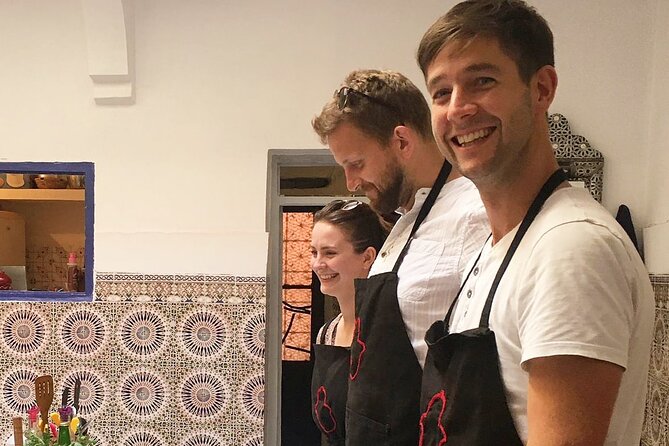
At $39.39 per person for about 3 hours, you’re paying for more than a meal. You’re paying for:
- a guided market ingredient run in the Medina,
- a cooking class led by Chef Khmisa (25 years in Moroccan cuisine and pastry, with hotel experience in Rabat and Marrakech),
- translation support from Kawtar, and
- lunch plus coffee and/or tea.
When cooking classes feel expensive, it’s usually because you leave with a plate of food and very little know-how. Here, the structure pushes you toward learning. You shop for groceries, cook as a team, and then eat the results right away.
The value is even clearer because the group is limited to 15 travelers max, so it’s not just a big factory meal. You’re more likely to get direct guidance, and you’ll spend your time cooking rather than waiting.
One more value note: this class gives you a story you can tell and skills you can repeat. If you can recreate tagine seasoning or your own version of Moroccan tea hospitality at home, that’s utility—not just entertainment.
Language and Hosting Style with Kawtar and Chef Khmisa
Kawtar plays a key role. She helps with communication between you and Chef Khmisa, and she’s also described as having formal hospitality and tourism education. Practically, that means questions get answered and steps make sense, even if you’re not speaking Moroccan Arabic fluently.
Chef Khmisa is the cooking engine here. With 25 years specializing in Moroccan cuisine and pastry, she brings both confidence and consistency to the technique. And because the hosts are running the day in a family and warm atmosphere, it doesn’t feel like you’re being tested—it feels like you’re being taught.
Also, since you’ll be working in a real house kitchen, you’ll likely notice how ingredients are handled and organized. That’s the kind of detail that helps at home, because you start thinking like a cook instead of only a diner.
Practical Tips for Your 3 Hours in Marrakech
A few things that will make your experience smoother:
- Comfortable shoes: you’ll be walking in the Medina and moving around the cooking area.
- Come with allergy details ready: the class asks you to discuss allergies and restrictions first.
- Bring a small notebook or your phone notes: you can capture spice blends and step order. Some people report that recipe follow-ups aren’t always reliable later.
- Arrive on time at Bab Doukkala: the start is your anchor point, and the day flows from there.
- Wear layers: Medina mornings/afternoons can shift, and kitchens can run warm once cooking gets going.
Since there’s no hotel pickup or drop-off, plan to reach Bab Doukkala Mosque on your own. That can be a plus if you like exploring at your pace, but it’s also a reason to plan your transit time carefully.
Should You Book Chef Khmisa’s Cooking Class? My Decision Guide
Book it if you want:
- a hands-on market + cooking experience in Marrakech’s Medina,
- a shared class where you actually participate (not just taste),
- the chance to learn Moroccan seasoning and spice technique, and
- a full meal—starter, main, dessert—with mint tea hospitality baked in.
Skip it or consider a different option if:
- you mainly want a quick food tasting without market shopping,
- you’re hoping for guaranteed written recipes sent after the fact (ask during the class instead), or
- you’re not comfortable walking around the Medina streets to reach the start point and souq.
For most people, this is one of the best ways to turn Marrakech from “things you saw” into “skills you learned.” You leave fed, you leave informed, and you leave with a clearer sense of how Moroccan flavors are built—one spice decision at a time.
FAQ
Where does the cooking class start?
The experience starts at Bab Doukkala Mosque (Mosquée Bab Doukkala), Marrakech 40000, Morocco.
How long is the experience?
It lasts about 3 hours.
Is hotel pickup and drop-off included?
No. Hotel pickup and drop-off are not included, and it ends back at the meeting point.
What’s included in the price?
The included items are lunch, a local French & English-speaking guide and Chef, and coffee and/or tea.
Does the class include a market visit?
Yes. You’ll go with the Chef to the Old Souk / local market to buy fresh ingredients before cooking.
Is the cooking class shared or private?
It’s a shared session. Private sessions are available on demand only, by contacting the provider directly.
Do they offer vegetarian or vegan menus?
Yes. Vegetarian and vegan options are available.
What group size should I expect?
There’s a maximum of 15 travelers.
What’s the cancellation policy?
You can cancel for a full refund up to 24 hours before the start time. If you cancel within 24 hours, the amount paid is not refunded.
If you tell me your travel dates and whether you need vegetarian, vegan, or have any allergies, I can suggest how to time it in your Marrakech schedule.