REVIEW · VERSAILLES
Versailles: Farmers Market & Royal Vegetable Garden Food Tour
Book on Viator →Operated by Maison Fleuret — The Baking School · Bookable on Viator
Royal food meets everyday market life. It’s a 3-hour walking food tour that connects Versailles’ daily shopping streets to the working site that once fed the palace. You start with warm brioche, sample seasonal fruit in the covered market, then move into charcuterie, cheese, and wine before finishing with a meal inside Le Potager du Roi.
Two things I especially like: you eat at multiple stops rather than just one big meal, and the garden finale turns the tastings into a real sense of place. One consideration is the pace: several tastings are timed to short stops (about 15 minutes each), so if you want long browsing, this is more “taste and learn” than “wander slowly.”
Small group, real food, great guides. With a max of 8 people and an English-friendly format (plus French and Spanish), it’s built for conversation, not a noisy cafeteria line.
In This Review
- Key points before you go
- A Versailles food route you’ll actually remember
- Where you meet and how the 3-hour timing feels
- Stop 1 on Rue de la Paroisse: le Cramique brioche and the church backdrop
- Stop 2 at Place du Marché Notre Dame: seasonal fruit in the covered market
- Stop 3: charcutier and bakery next door for cured meats and baguette
- Stop 4 at Place du Marché Notre Dame: the fromagerie platter you watch being made
- Stop 5: wine cellar selection, then the Royal Stables
- Stop 6 by Cathédrale Saint-Louis: pâtisseries, macarons, and a sweet cathedral pause
- Stop 7: Le Potager du Roi and the meal in the garden’s back corner
- What’s included (and why it changes the price math)
- Who this tour is best for (and when to skip it)
- Should you book Versailles: Farmers Market & Royal Vegetable Garden Food Tour?
Key points before you go
- Brioche + market fruit right at the start, with seasonal picks like strawberries, cherries, and figs when they’re in season
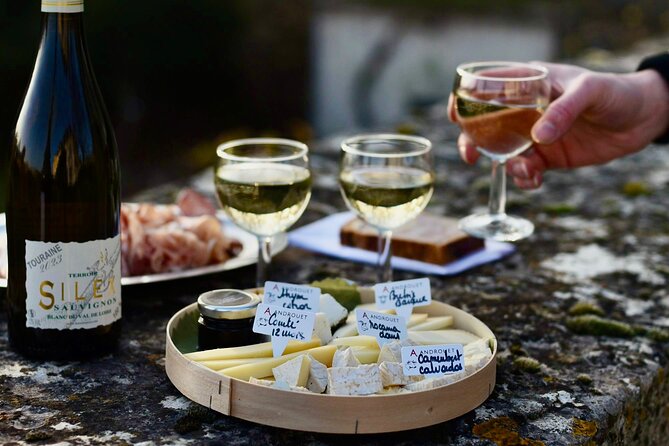
- Charcutier and bakery tasting with jambons, terrines de campagne, cured meats, and baguette
- Fromagerie stop with a cheese platter prepared as you watch, plus explanations of terroirs and styles
- Wine and food pairing tied to what you’re eating, with wine limited to 18+
- Secret-feeling garden table at Le Potager du Roi, served in a spot tucked away toward the back
A Versailles food route you’ll actually remember
Versailles can feel like two different worlds: the grand palace image, and the everyday town life around it. This tour stitches those worlds together through food, so the sights aren’t just background. Instead, every bite is tied to why it exists in Versailles at all.
I like that it doesn’t pretend you’re doing a history lecture. You’re tasting while you learn, and the guide links what’s on your plate to the area’s food culture—from market produce to the way the palace once relied on garden supply. And because the group is capped at 8, you’re more likely to ask questions instead of just nodding along.
The best part is the ending. Many Versailles tours stop at a famous landmark. This one keeps you moving to the working Royal Vegetable Garden, where you eat at a table in a calmer corner of the grounds. It’s where the whole tour theme clicks: food isn’t decoration here—it’s the point.
Where you meet and how the 3-hour timing feels
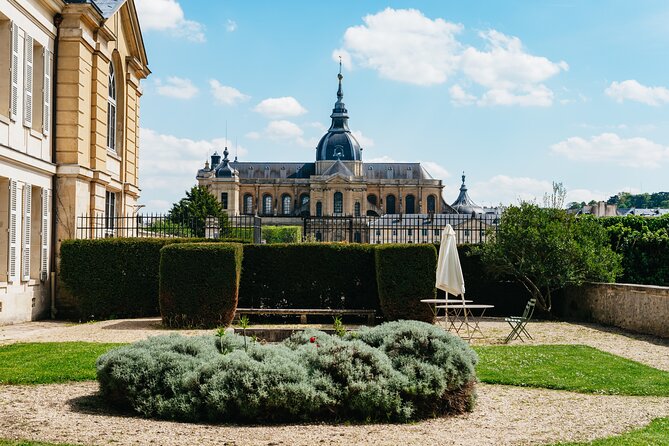
You start at 38 Rue de la Paroisse and finish at King’s Kitchen Garden, 10 Rue du Maréchal Joffre. The end point is about 10 minutes on foot from both Versailles Rive Gauche station and the Palace area, and your guide helps you figure out your way.
Plan on a walking tour through the market and nearby sights. Since it’s about 3 hours total, the schedule is intentionally tight. Most tastings land in short windows, so you’ll go from one flavor to the next without much downtime.
That timing can be a plus. It keeps things energetic, and it means you get a wide variety of foods rather than one or two stops done slowly. Just go in with the right mindset: this is a tasting itinerary, not a full-day sightseeing plan.
Stop 1 on Rue de la Paroisse: le Cramique brioche and the church backdrop
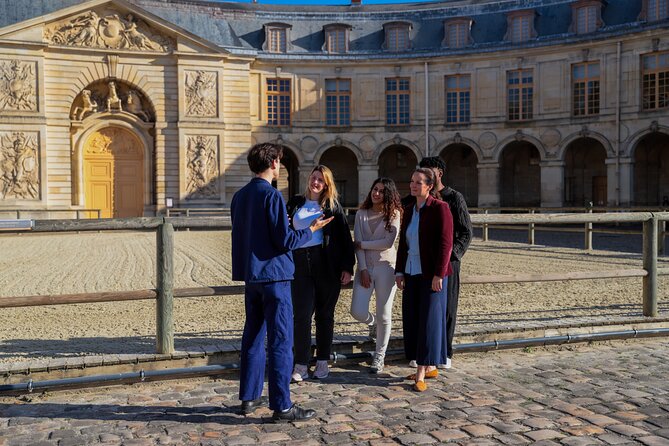
Your first stop is on Rue de la Paroisse, where you begin with le Cramique brioche. They give it to you warm, which is a simple detail that changes the whole mood. Fresh bread is an instant reset after travel nerves, and warm pastry is hard to fake.
You’ll also be admiring the oldest church in the city while you eat. Even if you don’t call yourself a church person, it helps you orient yourself fast. Versailles is orderly, but visually it’s dense. This early landmark anchor makes the rest of the route easier to follow.
Small drawback to consider: if you arrive hungry, great. If you arrive already full from breakfast, the tour’s next tastings will still stack up because the food is spread across the walk. You’ll want to treat this like your main meal.
Stop 2 at Place du Marché Notre Dame: seasonal fruit in the covered market
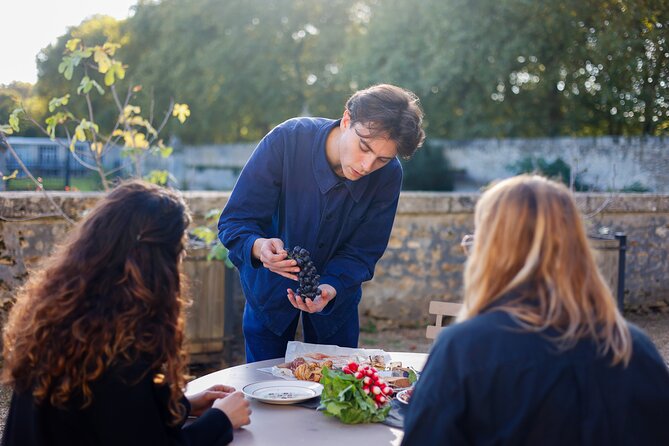
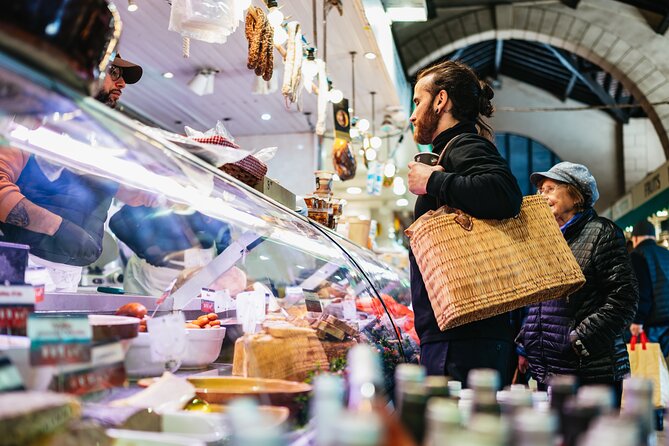
Next comes Place du Marché Notre Dame, where you step into a covered farmers market atmosphere. You start tasting seasonal fruits right away—think strawberries, cherries, and figs—with choices that shift based on what’s appropriate for the season.
I like market fruit tasting because it’s a quick lesson. You’re not just eating sugar; you’re learning what the season actually looks like. It also makes the later savory stops feel more grounded. You go from bright fruit flavors to salty charcuterie in a way that feels natural, not random.
This stop is also useful for photo timing and orientation. Covered markets are bright and structured, so you can get your bearings while you snack.
Stop 3: charcutier and bakery next door for cured meats and baguette
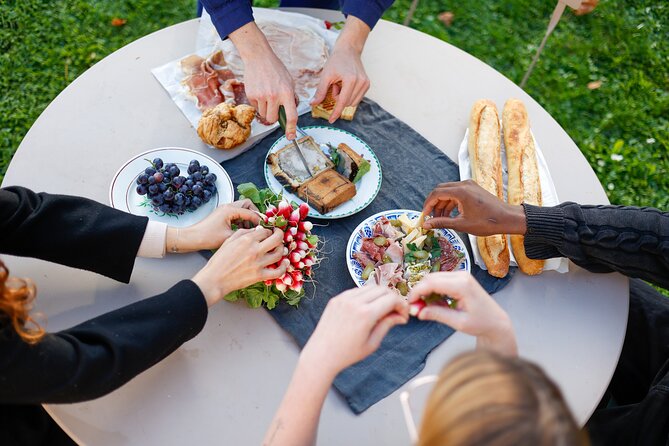
Now the tour turns savory in a straightforward way: you head to the charcutier and bakery next door for freshly sliced items. Expect cured meats and classics like jambons, terrines de campagne, and a baguette.
This is one of those stops where the guide matters. A good guide helps you notice texture and salt level, and points out why these styles belong in a market-to-table meal. The tasting is small enough to sample widely, but structured enough to feel intentional.
Practical tip: pace yourself across stops. The baguette and cured meats are satisfying, and the next stop brings you straight into cheese. If you eat everything at full speed, you might feel it later in the garden.
Stop 4 at Place du Marché Notre Dame: the fromagerie platter you watch being made
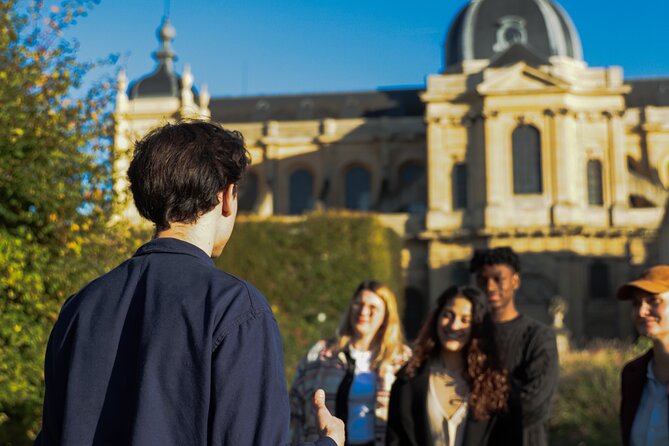
Then you go to a favorite fromagerie, where a cheese platter is prepared fresh. Watching it happen is a big part of the experience. It keeps you engaged, and it makes the tasting feel less like a grab-and-go souvenir.
Along the way, you’ll hear explanations about French cheeses and the idea of terroirs, meaning how place affects flavor. Even if you don’t obsess over cheese at home, the guide’s job is to connect taste to origin without turning it into a textbook.
This stop also sets up the pairing later. You’re tasting building blocks now—then wine (for those 18+) shows up as the conversation partner.
If you’re not a wine person, don’t stress. You’ll still be eating plenty, and you can focus on the cheese contrast by paying attention to salt, creaminess, and how the flavors evolve as you switch between cheeses.
Stop 5: wine cellar selection, then the Royal Stables
You finish exploring the market area, and you’ll pass by a wine cellar where you pick out a bottle. The idea is practical: you’re choosing the wine that you’ll drink with what you’ve already sampled, rather than getting a random bottle thrown into your hand.
After that, you head toward the Royal Stables. You’ll get to see them and learn about their history—again, not in a long lecture format, but as context that makes the food’s setting feel less imaginary.
This segment is a nice rhythm shift. After multiple tastings, it gives you a stretch of walking and sight time. It also helps you get ready for the sweet stop that’s coming up near the cathedral.
Stop 6 by Cathédrale Saint-Louis: pâtisseries, macarons, and a sweet cathedral pause
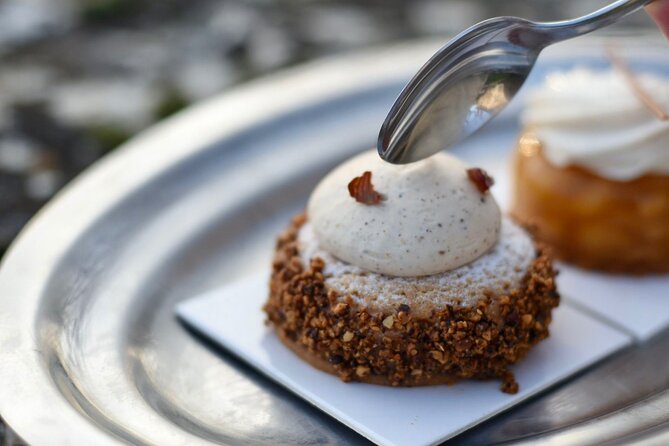
Now it gets sugary. You stop at a pastry shop for pâtisseries and macarons made by a pastry chef who used to be head of pastry at Le Ritz Paris. That’s the kind of culinary pedigree that shows up in details: texture, balance, and that clean finishing taste you only get from good butter and careful technique.
You’ll sit in front of Saint-Louis Cathedral while you enjoy the sweets. The setting matters here. It’s a calm moment in the middle of the tasting route, and it makes the tour feel less like eating on the move.
After this sweet tasting, you’ll be able to visit the cathedral. This is a great break for people who want more than just food talk, but don’t want to add a long museum detour.
One note to consider: if you’re trying to keep sugar levels under control, this is the step where you’ll feel it most. The tour’s structure is designed so it doesn’t overload you earlier, but it does still serve a proper pastry moment.
Stop 7: Le Potager du Roi and the meal in the garden’s back corner
Finally, you reach Le Potager du Roi—the working Royal Vegetable Garden. This is where the tour earns its reputation as a secret-feeling finale.
Created by Louis XIV’s botanist, the garden originally supplied the palace with fruits and vegetables for over a century. Today, it still operates as the National School of Horticulture, so you’re stepping into a living system, not a reenacted set piece.
You enter the garden area and settle for a longer meal time, about 45 minutes, where the tour provides a table tucked away toward the back of the garden. At that table, you eat with what you’ve been building all along: cheeses, charcuteries, your selected wine, and a freshly baked baguette.
This is the payoff for the whole route:
- The market taught you seasonality.
- The charcuterie and cheese taught you craft and choice.
- The garden ties it all together by showing where palace food came from.
The guided explanations here make a difference too. The garden isn’t just scenery—it’s part of how the palace worked, and you can feel that when your meal is literally served in the same grounds that once fed a monarchy.
If you’re a planner, here’s a useful way to think about it: this is the only portion where you eat without rushing. Everything before it is preparation; everything here is the reward.
What’s included (and why it changes the price math)
The price is $108.37 per person, and this includes all the food, bottled water, wine, and a guide who speaks English, French, and Spanish. There’s no private transportation included, but the tour ends close to the station and palace area, and the route is built for walking.
How is this value? You’re paying for an organized sequence of tastes, plus the access to multiple producers in one tight loop. Instead of buying one cheese plate and hoping it hits the right balance, you get a multi-stop menu: brioche, seasonal fruit, cured meats, cheese platter, pastries and macarons, then the garden meal with wine and baguette.
That structure matters because it reduces decision fatigue. You’re not trying to figure out which shop has the best terroir explanations, which bakery is best for baguette, or how to pair wine with what you just ate. The guide does the matching for you.
Big practical upside: water and wine are covered. Wine is only for 18+, so younger participants will need to plan around that, but everyone still has a full food experience.
If you’re the kind of traveler who likes to sample rather than commit to one big purchase, this tour tends to feel like a smart deal. If you prefer full meals at restaurants with lots of sit-down time, you’ll still get sitting at the garden, but the earlier stops are designed for tasting.
Who this tour is best for (and when to skip it)
This works best if you want:
- A focused food itinerary in Versailles that doesn’t require you to plan every stop
- A small group experience (max 8) with time for questions
- A meaningful ending at Le Potager du Roi rather than just passing by it
It’s also a good fit for couples, friends, and solo eaters who like guided pacing. And if you enjoy food details, this is the kind of tour where the guide can help you understand what you’re tasting and why.
When it might not be your best choice: if you want to spend most of your time on palace interiors or long sightseeing blocks, this won’t replace those plans. It’s intentionally a food tour, with timed tastings throughout.
Should you book Versailles: Farmers Market & Royal Vegetable Garden Food Tour?
If you want Versailles in a smaller, tastier package, I’d book it—especially for the garden finale. The meal in Le Potager du Roi, served in a quieter corner of the grounds, is the sort of experience that turns a food tour into a “remember this place” memory.
Before you click confirm, make two quick checks:
- Are you okay with short tasting stops rather than long shop time?
- If you care about wine, you’ll need to be 18+.
If those fit your style, this tour is an excellent way to eat your way through Versailles—market first, then the working Royal Vegetable Garden, with a guide who can connect the flavors to the place.