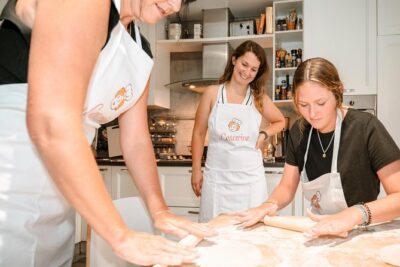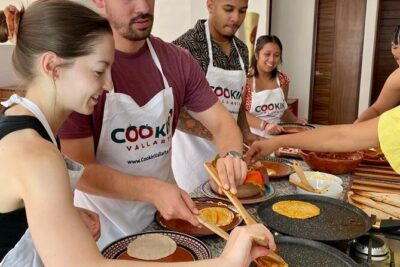
Coyoacán cooking turns groceries into stories. You start at Aura Casa Coyoacán with a welcome agua fresca, then head to Mercado de Coyoacán and end up cooking a full four-course meal with a professional chef. It’s taught in English and capped at eight people, so you’re not stuck watching from the side.
I love the hands-on pacing: you make hand-made tortillas and build dishes step by step, not just assemble plates. I also love the take-home value—digital recipes plus a four-course lunch with drinks (mezcal, craft beer, or wine) and a closing hot chocolate.
One possible drawback: you’ll do a fair amount of standing and walking. Come ready with closed-toe shoes and long sleeves so the market and kitchen feel manageable.
In This Review
- Quick take: why this class works in Mexico City
- Morning start in Coyoacán: agua fresca, history, and your market mission
- Mercado de Coyoacán halls: how the tour helps you buy better ingredients
- Chef-led kitchen time: what eight students means for hands-on learning
- Four-course cooking menu: quesadillas, red rice with plantain, mole rojo, flan
- Salsas, tortillas, and the mole choices you’ll actually remember
- Drinks and dessert pacing: mezcal, craft beer, wine, and hot chocolate
- Diet choices for mole rojo and handling allergies
- What to wear, how long it takes, and getting there at 9:30 am
- Price and value: why $155.36 can make sense in CDMX
- Should you book Aura Cocina Mexicana’s market + cooking class?
- FAQ
- What dishes will I cook and eat?
- Will this class be in English?
- Is the mole rojo made with chicken?
- What drinks are included with lunch?
- What happens during the market tour?
- Do I get recipes after the class?
- Can I cancel for a full refund, and can I bring a service animal?
Quick take: why this class works in Mexico City
- Eight students max means you can get real help while you cook.
- Mercado de Coyoacán tour gives context for ingredients, not just shopping time.
- Four-course menu includes quesadillas with salsa, red rice with fried plantain, mole rojo, and flan.
- Hands-on tortilla making plus cooking techniques you can repeat later.
- Included drinks and hot chocolate turn lunch into a full experience.
- Digital recipes help you recreate the meal back home.
Morning start in Coyoacán: agua fresca, history, and your market mission
This is a morning class that mixes food and culture in a practical way. You begin with a welcome agua fresca—fruit-based, included with the tour—while the chef frames what you’re about to cook and why Mexican cuisine is built the way it is. It’s not a lecture where you drift off; the goal is to get your brain ready for the kitchen.
From there, the tour includes a walk to Mercado de Coyoacán, which is close to the meeting point. The market portion is designed to help you understand the ingredients you’ll be using later, including how stalls are organized and what’s worth tasting as you go. It’s the kind of setup that makes your cooking class feel connected to real life, not like you got dropped in a studio kitchen.
The class runs about 4 hours 30 minutes, starting at 9:30 am, and it ends back where you started. If you like the feeling of a planned morning that turns into lunch (and not just a snack), this format fits.
You can also read our reviews of more tours and experiences in Mexico City.

Mercado de Coyoacán halls: how the tour helps you buy better ingredients
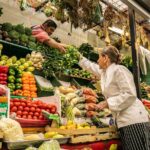
The market tour isn’t just you wandering. You get the market’s history and how it’s organized, then you walk through main areas so you can spot what each part is known for. That matters because Mexican cooking relies on ingredient choices—chiles, spices, tortillas, and fresh basics—not just recipes.
You also get tastings from selected market stands. That’s useful because it helps you calibrate flavor in your head before you cook. For example, when you later work with chiles for mole rojo, you’re less likely to treat it like a random sauce project. You’ll already have seen and smelled the components you’re working with.
There’s also a quieter value here: you’ll learn what to ask for and what to notice. Even if you’re not planning to “shop like a local” immediately, you’ll leave with a clearer sense of how to look at a market display and connect it to a dish.
Practical note: expect walking in the market and some movement between spaces. That’s why good footwear helps a lot.
Chef-led kitchen time: what eight students means for hands-on learning
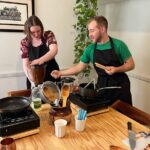
In most cooking classes, you either stir something once or you mostly observe. Here, the group is limited to eight, which changes the whole experience. You get more chances to handle ingredients, follow steps closely, and ask questions while the chef can still see what you’re doing.
The instruction is guided by a professional chef, and the class includes all needed ingredients. That removes a common stress point: you’re not spending your time worrying whether your kitchen at home has the right chile types or how to find a specific ingredient. Instead, the class focuses on technique and decisions—like how to balance chile flavors for the type of mole you want.
You’ll also get practical kitchen guidance: an apron is provided, but they’ll suggest closed shoes and long sleeves for protection. They also ask you to avoid scarves, long necklaces, and jewelry while cooking—smart safety rules when you’re working near heat and hands-on stations.
If you’re the type who likes to learn by doing, this is the right size and structure. If you’re hoping for a hands-off food show, you may find it more active than you expected.
Four-course cooking menu: quesadillas, red rice with plantain, mole rojo, flan
Your lunch menu is built around classic flavors, and each course teaches something you can actually use later.
First, quesadillas with salsa. You’ll work with quesadillas plus a red salsa made with molcajete-style sauce. This is a great introduction because salsa texture and chile depth are what make or break the whole bite. You’re not just copying a shape—you’re learning how flavor gets built.
Next, red rice with fried plantain. This pairing is a nice reminder that Mexican plates often mix savory and sweet elements. The rice gets its red color from traditional chile-spice ingredients, while the fried plantain adds contrast and a different kind of comfort.
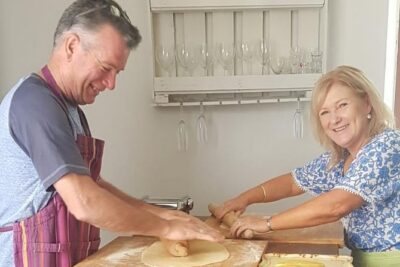
Then the tortilla part. You make hand-made tortillas, which is one of the best “wow” takeaways from any class. Even if your first batch isn’t perfect, the learning is real. You’ll understand texture, consistency, and why tortilla dough behaves the way it does.
Main course: red mole (mole rojo). This is the star dish in the menu. The mole rojo uses a mix of red-colored ingredients and dried chiles such as pasilla, guajillo, and ancho. It can include raisins and almonds or peanuts, which is the kind of detail that explains why mole tastes complex even when it’s “just sauce.”
Dessert: flan. You’ll finish with a creamy, caramel-topped Mexican custard dessert with a smooth texture and a hint of vanilla. It’s a fitting closer because it balances the heavier flavors from chile-based dishes.
After cooking, you eat the meal you prepared. Then you end with water-based hot chocolate and dessert as a final sweet moment. That pacing keeps the day from feeling like one long kitchen grind without reward.
Salsas, tortillas, and the mole choices you’ll actually remember
What you’re really paying for here is clarity. The class gives detailed explanations of recipes and ingredients so you know what each step is doing, not just what to do next. That shows up most clearly in the dishes people talk about most: salsa, tortillas, and mole.
With tortillas, the learning is tactile. You’ll see how dough consistency changes from the start of handling to the moment you cook them, and you’ll understand that tortilla-making isn’t about luck—it’s about feel.
With salsa, you’ll build a flavor profile you can recognize later. Red mole and red salsa share a family resemblance, but they’re not the same job. Your takeaway is how dried chiles and aromatics shift flavor as they’re blended, cooked, or combined.
Mole rojo is where the class becomes more than “follow the recipe.” The ingredient list includes multiple dried chile types—pasilla, guajillo, and ancho—so the chef can teach you how different chiles contribute different depth. Add in raisins plus nuts (almonds or peanuts), and you get sweet-meets-chile complexity. That combination is why mole tastes like it belongs at celebrations, even when you’re making it in a normal kitchen setting.
If you like learning a dish’s logic, this menu format is a win. You’re not just eating. You’re building taste memory.
Drinks and dessert pacing: mezcal, craft beer, wine, and hot chocolate
This tour treats lunch like an experience, not a checkpoint. Alcoholic drinks are included with the meal, and you can choose among artisanal mezcal, Mexican craft beer, or Mexican wine. You’ll want to pick what matches your comfort level with chile-heavy flavors; any of them can work with mole, but your personal preference matters.
The class also includes hot chocolate at the end. It’s listed as water-based, and it’s part of a deliberate sweet landing after the heavier dishes. That matters because mole and flan together can feel intense if you rush them. Here, the flow is cooking → lunch pairing → hot chocolate finish, which keeps the day from feeling like a food sprint.
One more thoughtful detail: the opening agua fresca is fruit-based and included. That’s a nice way to start without going straight into strong flavors or coffee energy. It sets a calmer tone that matches the morning pace.
Diet choices for mole rojo and handling allergies
Mole rojo is usually served with chicken pieces. The class notes other options too, including panela cheese or mushrooms—and you’re asked to indicate your selection. That’s a big deal if you want the mole experience without eating meat.
If you’re vegetarian or reducing certain ingredients, this is one of the easiest ways to control what ends up on your plate. You’re not hoping the chef improvises at the last minute—you have a menu choice built into the experience.
Allergies are worth mentioning to the team when you book. In one story from a past class, a guest had a sesame allergy and the instructor assured them it would be handled; it worked out with an allergy-free vegetarian meal. You should still treat this as a case example and make your needs clear, but it’s a good signal that the staff can think through ingredient constraints.
Bottom line: you’ll have options for mole rojo, and the better you communicate ahead of time, the smoother the day will feel.
What to wear, how long it takes, and getting there at 9:30 am
Plan for about 4 hours 30 minutes, starting at 9:30 am. The day moves from meeting point to market to kitchen and ends back at the starting location, so you’re not piecing together multiple transfers.
Since you’ll walk the market and then cook, dress for comfort and safety. An apron is provided. They’ll also suggest closed shoes and long sleeves, plus they ask you to avoid scarves, long necklaces, and jewelry in the kitchen. This is one of those “sounds obvious until you’re sweaty and juggling utensils” rules. Take it seriously.
Also note the experience is near public transportation. That’s handy in Mexico City, where you can’t always assume taxis are the fastest plan.
A final practical tip: come hungry. The menu is a full meal, not a tasting parade. You’ll leave fed—quesadillas, rice, mole, tortillas, and flan do not behave like small portions.
Price and value: why $155.36 can make sense in CDMX
At $155.36 per person for roughly 4.5 hours, you might wonder if it’s “worth it” versus a restaurant. The value here comes from three things you rarely get together:
First, you’re not paying just for food—you’re paying for professional chef instruction plus the ingredients. That means the class costs less than it would if you hired a chef privately and still had to source everything yourself.
Second, you get both a market tour and a full cooking session. A lot of culinary experiences split these. Here, you see the ingredients in their real environment and then cook with them in a structured way.
Third, you get a full meal with drinks: mezcal/craft beer/wine, plus hot chocolate. Even if you don’t drink alcohol, the pairing is included, which supports the overall pricing logic.
If the class is booked about 36 days in advance on average, that’s usually a sign of consistent demand. I’d treat that as your hint to reserve early, especially if you have a tight schedule in Mexico City.
Should you book Aura Cocina Mexicana’s market + cooking class?
I think you should book if you want a food-focused morning that teaches you more than “what to eat.” This works well when you care about technique: tortilla-making, salsa texture, and how mole rojo builds its flavor.
It also suits pairs and small groups because of the eight-student cap. If you’ve ever felt annoyed by cooking classes where you don’t get enough hands-on time, this one is designed to avoid that.
Choose it carefully if you hate walking or standing. Between the market and the kitchen stations, it’s an active 4.5 hours. Also, if you have a specific dietary need around mole (chicken vs cheese vs mushrooms), plan to communicate your preference ahead of time.
If you want one authentic, practical experience that leaves you with recipes you can recreate, this is a strong pick.
FAQ
What dishes will I cook and eat?
You’ll make quesadillas with salsa, red rice with fried plantain, hand-made tortillas, red mole (mole rojo), and flan. After cooking, you’ll have the lunch you prepared.
Will this class be in English?
Yes. The experience is offered in English, and you receive a mobile ticket.
Is the mole rojo made with chicken?
Mole rojo is usually served with chicken pieces. Other options are available, including panela cheese or mushrooms—just indicate your selection.
What drinks are included with lunch?
Alcoholic beverages included with lunch are artisanal mezcal, Mexican craft beer, or Mexican wine. The class also includes agua fresca at the start and hot chocolate at the end.
What happens during the market tour?
You’ll visit Mercado de Coyoacán on foot, learn about the market’s history and organization, walk through main halls, and taste from selected market stands.
Do I get recipes after the class?
Yes. You receive digital recipes you can use to recreate the meal at home.
Can I cancel for a full refund, and can I bring a service animal?
You can cancel for a full refund up to 24 hours before the experience’s start time. Service animals are allowed.