REVIEW · XIAN
Xi’an: Market Tour and Cooking Class with Local Family
Book on GetYourGuide →Operated by Shaanscape · Bookable on GetYourGuide
The noodles start with your hands. This Xi’an market-and-cooking experience is a real food day: you do local market shopping with Wen Qi, then learn hand-pulled Biang Biang noodles and pork dumplings in a family kitchen. I love the fact that it is practical, not performative. One consideration: you should be ready for walking and standing for the full 3 hours.
I also like the small-group vibe. Limited to 6 people, it stays friendly and you get enough attention to actually make the dishes, not just watch. After cooking, you sit down for your homemade meal with local tea, plus recipes to take home so you can recreate the flavors later.
If you want Xi’an food culture up close, this is a strong choice. It is taught in English, has no prior cooking experience requirement, and it is set up for people who enjoy hands-on learning more than museum-style touring.
In This Review
- Key takeaways before you go
- A Xi’an cooking class that starts in the market, not a restaurant
- Meeting Wen Qi at the front gate and getting into the rhythm
- Shopping for Xi’an ingredients with Wen Qi: what you notice and what you learn
- Biang Biang noodles: learning the hand-pulled technique
- Pork dumplings (jiaozi) in a home kitchen: the satisfying part
- Eating what you cooked: tea, conversation, and take-home recipes
- What the small group really changes (and why you’ll care)
- Price and value: what $70 buys in real learning time
- Who this experience is perfect for
- Who should think twice before booking
- Should you book this Xi’an market tour and cooking class?
- FAQ
- Where is the meeting point?
- How long is the experience?
- What dishes will I learn to make?
- Do I need cooking experience?
- Is the cooking class taught in English?
- What’s included in the price?
- Is it wheelchair accessible?
- What about dietary restrictions?
- How many people are in the group?
- Can I cancel for a full refund?
Key takeaways before you go
- Shop like a local with Wen Qi, picking out ingredients and learning what matters
- Make Biang Biang noodles by hand, with step-by-step guidance in a real home kitchen
- Learn pork dumplings (jiaozi) from scratch, not from a shortcut
- Cook and eat together as a small group, max 6 participants
- Leave with recipes, so the meal continues after you get back home
A Xi’an cooking class that starts in the market, not a restaurant
In Xi’an, food is not just what you order. It’s what you choose, what you smell in the spice stalls, and what you learn to do with your hands once you get back home. That is why this format works so well. You start with ingredients, then you turn around and cook them.
You’ll be walking, talking, and asking questions with Wen Qi as you shop. Then you shift into the kitchen portion, where the focus turns from taste to technique. The change of pace matters. By the time you sit down to eat, you understand what you put into the food and why.
One more thing I appreciate: this is not framed as a high-pressure cooking class. No cooking background is needed, so the learning curve stays realistic. You can concentrate on getting the core motions right and enjoying the process.
You can also read our reviews of more tours and experiences in Xian.
Meeting Wen Qi at the front gate and getting into the rhythm
You meet Wen Qi at the front gate of the government. From there, the day moves at a steady pace for about 3 hours total. Since the group is limited to 6, you’re not getting shuffled into a huge pack. That means less waiting, fewer “hold on, we’re counting people” moments, and more time focused on what you are doing.
Because it’s a home-kitchen setup, timing feels tighter than a public classroom. You’ll want to arrive on time so the market stop and cooking session don’t get rushed.
Also, plan for basic physical movement. The experience includes walking and standing. If you normally prefer to sit when possible, this might be harder than a longer tour with frequent rest breaks. Wear comfortable shoes.
Shopping for Xi’an ingredients with Wen Qi: what you notice and what you learn
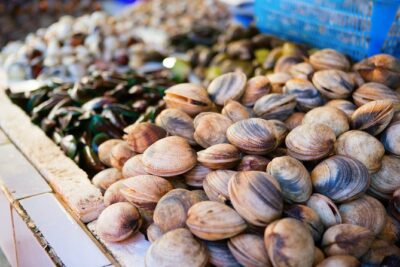
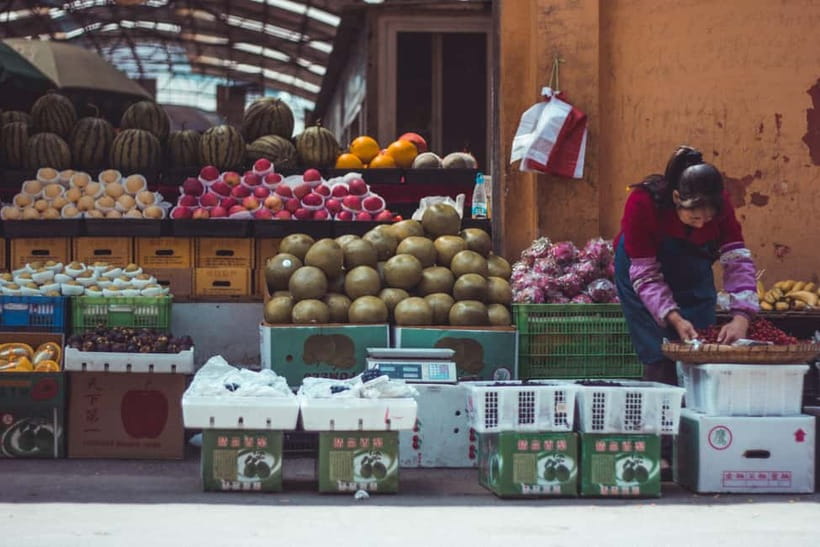
The market portion is where you start building a connection to the food. You’ll shop for items like spices, vegetables, and meats with a guide who knows what to look for. This part is not just sightseeing. It’s ingredient education in a real setting.
What I like about this segment is the practical angle. You’re learning how to select ingredients like a Xi’an local, not just picking things randomly for photo ops. You’ll get hands-on experience with how ingredients come together in the final dishes, and you’ll understand why some choices affect flavor more than you might expect.
If you have dietary restrictions, this is the time to flag them to your host in advance. The class encourages you to inform the host about restrictions, which is helpful since you’ll be working from real ingredients rather than a generic menu.
Biang Biang noodles: learning the hand-pulled technique
The headline skill here is making hand-pulled Biang Biang noodles. You do it in the family kitchen with guidance from your English-speaking instructor, Wen Qi, and her family.
This is one of those techniques where you do not fully understand the learning curve until you try it. The dough work is hands-on, and the hand-pulling method is the key. You’ll focus on getting the right feel and form as you work. The goal is not perfection on the first try. It is learning the process well enough that you leave knowing how the noodles are made, not just what they look like on a plate.
Why it’s worth your effort: these noodles are strongly tied to Xi’an identity. Knowing how they are made gives you a new way to recognize them when you see them elsewhere. Even if you never become a noodle expert at home, you’ll start noticing technique and texture.
Come hungry, because you’ll be tasting your way through the day, and then you’ll sit down for a full homemade meal at the end.
Pork dumplings (jiaozi) in a home kitchen: the satisfying part
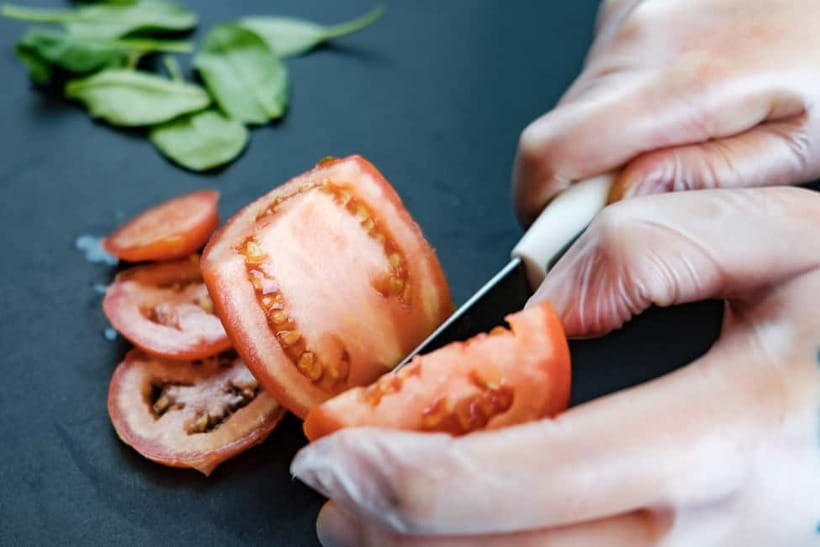
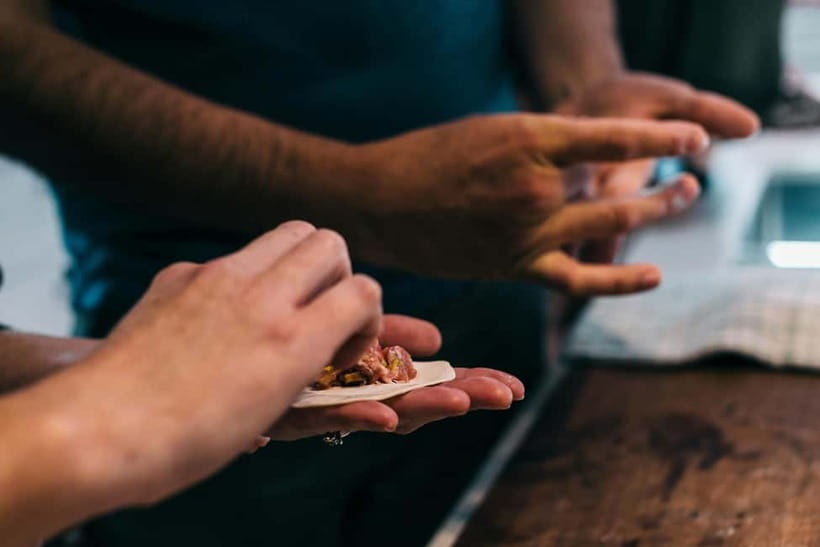
After the noodles, you’ll make pork dumplings (jiaozi) from scratch. This is another hands-on anchor activity. You’ll work through the dumpling process under your host’s instruction, using what you learned and the ingredients you selected earlier.
Dumplings are a good match for this style of class because they reward attention and repetition. Even if you’re clumsy at first, you can still contribute. The process helps you slow down and focus, and that makes the whole experience feel more grounded than a quick tasting tour.
Also, the home-kitchen setting matters. It is not a demo-only setup. You cook, then you eat what you made. That is one of the most dependable ways to ensure you actually learn something.
Eating what you cooked: tea, conversation, and take-home recipes
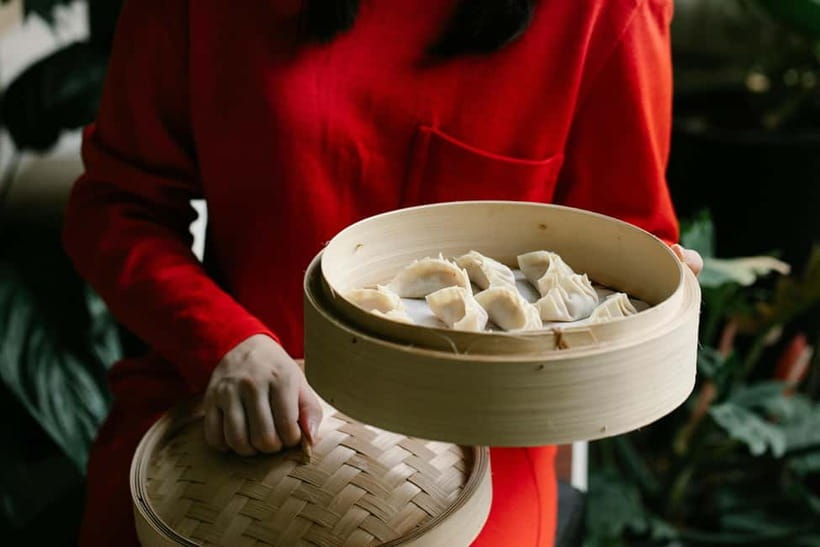
The finish is a meal you made with your own hands. After cooking Biang Biang noodles and pork dumplings, you sit down and enjoy your homemade feast. Local tea is included, and you’ll have lively conversation with the family.
This is where the experience clicks culturally. Food classes can sometimes feel like a skill workshop with a meal tacked on. Here, the meal feels like the point, with the cooking acting as the bridge. You’re not only learning to cook; you’re sharing a moment at someone’s table.
You also get recipes to take home. That makes a big difference if you want to repeat the experience later. A memory of a dish fades. A set of notes helps you recreate the flavors and techniques—especially useful for noodles and dumplings, where people often struggle to remember proportions and steps.
What the small group really changes (and why you’ll care)
Small group means you are not lost in the shuffle. With up to 6 participants, you are more likely to get direct help when something is tricky—especially with hands-on work like hand-pulled noodles and dumpling preparation.
It also changes the mood. This kind of class is better when it feels like a shared activity rather than a performance. In this setup, Wen Qi and her family can respond to questions, adjust guidance, and keep the pace comfortable.
If you like structured group tours, you’ll still get that. If you prefer independent travel, you may find this strikes a nice balance between personal attention and guided learning.
Price and value: what $70 buys in real learning time
At $70 per person for about 3 hours, you are paying for three things at once: guided market time, hands-on cooking instruction, and a full homemade meal with tea. You’re also getting recipes to take home, which stretches the value beyond the day itself.
The real value is not only the price. It is the format. You get ingredient selection plus cooking plus sitting down to eat in a home environment. For many food lovers, that combination is the difference between a fun activity and a memorable highlight.
If you are someone who enjoys learning techniques, this price makes more sense than a class that only teaches a single dish. Here, you learn two major Xi’an staples in one afternoon, and you do it with a local family.
Who this experience is perfect for
This works best for:
- Food lovers who want Xi’an staples with real hands-on instruction
- Travelers who enjoy markets as part of the story, not just as a backdrop
- Anyone who wants an English-friendly class without prior cooking experience
It is also a good fit if you like the idea of a small group cooking day. You’ll be cooking alongside others, learning the process, and then eating together.
Who should think twice before booking
There are a few situations where you might want to adjust expectations.
First, the class includes walking and standing. If you’re dealing with mobility limitations, you may want to consider whether the physical effort is comfortable for you, even though the experience is wheelchair accessible.
Second, it is not suitable for children under 6 years or for people over 95 years. If that applies to you or your travel partner, you’ll need a different option.
Finally, if you are the type who hates active participation and would rather watch and snack, you might find this too participatory. This is a cook-and-eat experience, not a sit-and-savor tour.
Should you book this Xi’an market tour and cooking class?
Yes, if you want a practical Xi’an food experience with a local family and you like doing things with your hands. This is the kind of class that teaches you more than one dish—it teaches you how people in Xi’an think about ingredients and technique.
I would book it if you’re:
- Visiting Xi’an for a short time and want a high-impact food highlight in 3 hours
- Comfortable with light movement and want guided learning rather than a passive meal
- Interested in learning Biang Biang noodles and pork dumplings, then taking recipes home
If you’d rather avoid hands-on cooking, or standing/walking is a problem, then look for a more seated alternative.
FAQ
Where is the meeting point?
You meet at the front gate of the government.
How long is the experience?
The experience runs for 3 hours.
What dishes will I learn to make?
You’ll learn hand-pulled Biang Biang noodles and pork dumplings (jiaozi).
Do I need cooking experience?
No prior cooking experience is needed.
Is the cooking class taught in English?
Yes. The instructor speaks English.
What’s included in the price?
The experience includes the market tour, cooking class, a homemade meal, local tea, and recipes to take home.
Is it wheelchair accessible?
Yes, it is wheelchair accessible.
What about dietary restrictions?
You should inform the host of any dietary restrictions in advance.
How many people are in the group?
The group is limited to 6 participants.
Can I cancel for a full refund?
Yes. You can cancel up to 24 hours in advance for a full refund.