REVIEW · XIAN
Half-Day Xi’an Biang Biang Noodles Cooking with a Market Visit
Book on Viator →Operated by Chilli Cool China · Bookable on Viator
Noodles start with spices. This half-day setup pairs a walk through Xi’an’s spice-filled stalls with a hands-on biang biang noodles lesson in a traditional courtyard home.
I especially like two things: the Muslim Quarter spice market ingredient hunt and the fact that you get all ingredients plus recipes and drinks. It’s a rare cooking class where you can focus on learning instead of shopping.
One drawback to consider: the feel can depend on the cooking space used that day, so if you expect a super studio-style setup with a fixed one-station-per-person setup, you may want to set expectations early.
In This Review
- Key things to know before you go
- Spice-market prep in Xi’an’s Muslim Quarter
- From Sajin Bridge to the market and back
- Learning biang biang noodles in a chef’s courtyard home
- What you’ll actually do: the noodle-making workflow
- Why the spice market matters (even if you love noodles)
- Included meal value: tea, beer, ingredients, recipes
- Timing, comfort, and small-group dynamics
- Potential drawbacks: what to expect about the cooking setup
- Who should book this biang biang noodle workshop
- Should you book the half-day Xi’an biang biang noodles class?
- FAQ
- How long is the half-day biang biang noodles cooking class?
- How much does it cost?
- Where is the meeting point?
- Is the Muslim Quarter part of the experience?
- What is included in the class?
- Are morning and afternoon sessions available?
- How big is the group?
- Is there a vegetarian option?
- Does the class run in bad weather?
- Can I cancel for a full refund?
Key things to know before you go
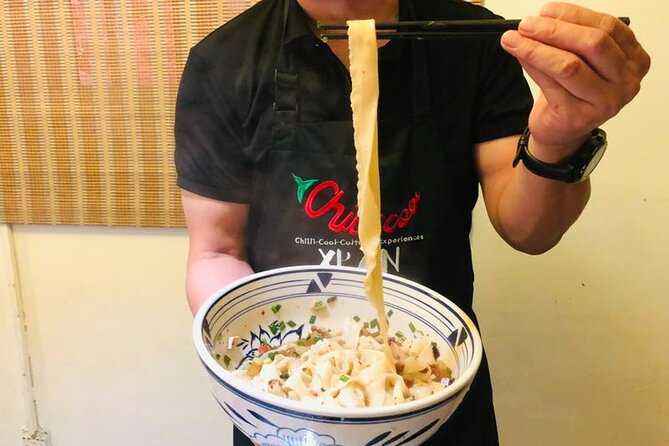
- Muslim Quarter as your first stop: you start with local food-and-spice energy before you touch the dough
- Small group size (max 15): better chances to ask questions and get feedback while cooking
- A spice-market ingredient hunt: you get guided challenges tied to the spices you’ll use later
- Hands-on biang biang technique: you learn how to make the noodles yourself, not just watch
- Tea plus beer (or other beverages): you eat what you make with included drinks
- Vegetarian option available: tell them at booking if you need it
Spice-market prep in Xi’an’s Muslim Quarter
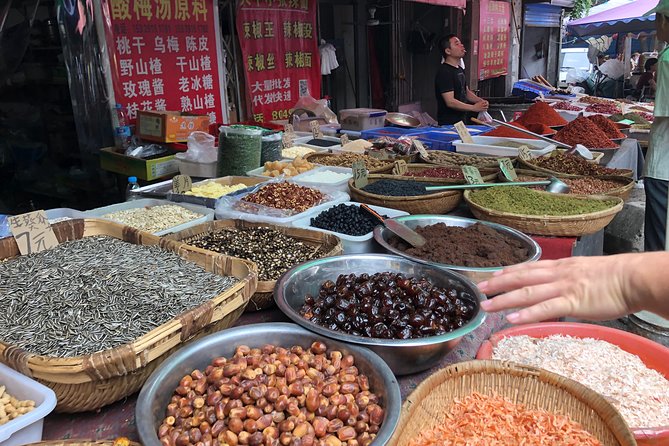
Xi’an is famous for noodles, but the best part here is how the story starts before the kitchen. You begin with a local spice market experience in the Muslim Quarter area, which sets the tone fast: smells, textures, and a lot of small details you usually miss when you just walk through a food street.
The spice market part isn’t random browsing. You’re guided through it with fun challenges that help you learn what different Chinese spices and ingredients are used for. That matters because biang biang noodles aren’t just about “making noodles.” They’re about building flavor around noodles—salt, aroma, heat, and the way spices show up in sauces and toppings.
You’ll also get tea during the workshop, and the way it’s described fits the local custom: treating friends and visitors with tea first. It’s a small thing, but it makes the class feel like you’re being hosted, not herded.
You can also read our reviews of more tours and experiences in Xian.
From Sajin Bridge to the market and back
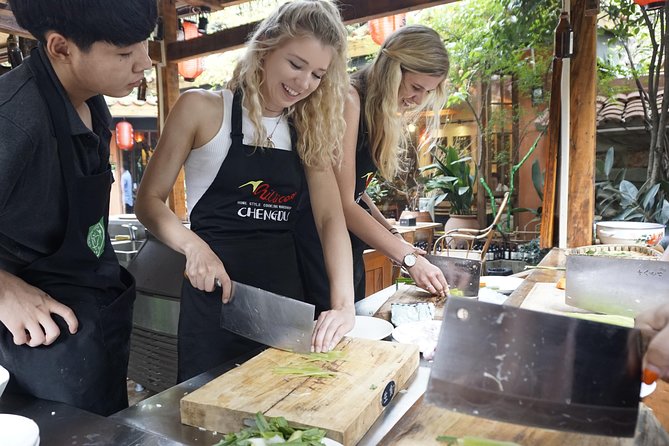
Logistically, this tour is straightforward. You meet at Sajin Bridge (Sa Jin Qiao, Lian Hu Qu, Xi’an) and the activity ends back at the meeting point. That’s helpful if you’re trying to plan the rest of your day without a lot of guesswork.
The class runs about 3 hours 30 minutes, and you can choose morning or afternoon sessions. That flexibility is a real plus in Xi’an, because weather and energy levels can swing. If you’re traveling with food cravings (and you probably are), the morning session can be nice for getting the market walk done while streets are still fresh.
The tour also runs in all weather conditions, but you should still dress for walking. Comfortable shoes are not optional here. You’ll be on your feet during the market portion, and you’ll want stable footing again when you’re doing hands-on cooking work.
Learning biang biang noodles in a chef’s courtyard home
After the market, you head to where the magic turns into dinner: a traditional Chinese chef’s home, described as a courtyard setting. This is one of the reasons this class feels more grounded than a cookie-cutter cooking tour.
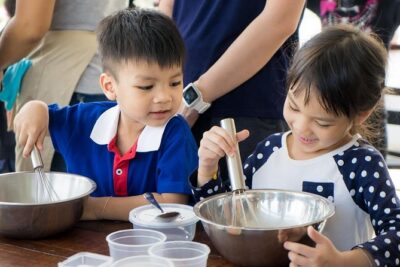
Small group size (up to 15 travelers) keeps the experience from feeling like a production line. You get more chances to clarify technique—especially useful if you’re aiming to recreate the noodles later at home.
Instructors can vary by session, but reviews mention teachers such as Fiona and Lily, and also Michael and Bruce. The useful takeaway for you: you’ll be working with cooks who know the spices and noodles well, and at least some instructors are noted for clear English and practical guidance. That helps a lot when you’re learning a dough-and-pulling skill that can’t be explained with vibes alone.
And yes, you do get to sit down with your creations later. You’ll eat what you make with beer or other beverages, plus included tea and water.
What you’ll actually do: the noodle-making workflow
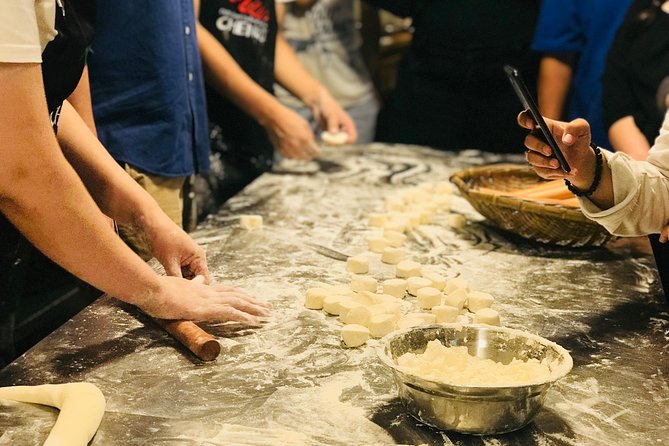
This is billed as a cooking class where you learn to make biang biang noodles yourself. Based on how it’s described, you should expect a guided process rather than only a demonstration.
Here’s the basic flow you can plan around:
- You’re shown ingredients and cooking basics tied to what you collected in the spice market
- You move into hands-on noodle-making steps under a professional chef’s guidance
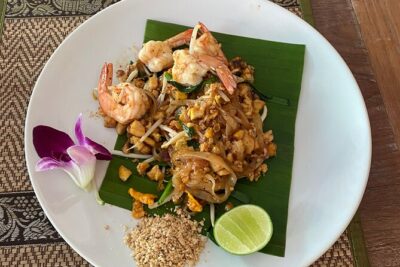
- You take your finished noodles to the table to enjoy them with included drinks
Several reviews point out that the workshop can cover more than just hands-on technique. You might also get some quick context on noodles in China while you cook. That’s valuable because it turns a skill lesson into a food story. When you understand what makes biang biang different—especially the texture and the way noodles behave—you’re more likely to succeed when you try again later.
Also, one review notes that the class starts from scratch. That’s the big difference between a class that’s mostly assembly and one that teaches real technique. If you’re the type who likes understanding, not just consuming, you’ll likely appreciate the full chain.
Why the spice market matters (even if you love noodles)
If you only care about noodles, you might be tempted to think the spice market is filler. I don’t. The market stop is where you learn what to look for when you cook later.
Biang biang noodles are the star, but the flavor system depends on spices and ingredient choices. When you see spices in their local context—how they’re grouped, named, and used—you get a better chance of reproducing flavors at home. You also learn that Chinese cooking flavor isn’t only about heat. It’s aroma, toasted notes, salty balance, and how ingredients show up in sauces.
This is also where you get your “aha” moments for sauces and seasoning. If you’re the kind of cook who reads recipes and still doesn’t get the point, this kind of market-to-kitchen connection helps your brain connect the dots.
Included meal value: tea, beer, ingredients, recipes
Let’s talk value, because $75 per person for a half-day can sound either reasonable or steep depending on what you get.
Here, the value is strong because multiple things are bundled:
- Ingredients for your cooking
- Recipes
- Tea, beer (or other beverages), and water
- A meal included as lunch or dinner depending on your schedule
- Food tasting during the process
From a practical standpoint, that means you’re not paying extra for pantry items or worrying about where you’ll eat afterward. You also don’t need to budget time for a grocery stop. You’ll arrive, cook, and eat.
Another detail I like: you’re given recipes. That turns the class into something you can use later. If you’re serious about trying biang biang at home, the recipe sheet is what keeps the memory from fading into “it tasted amazing” nostalgia.
Timing, comfort, and small-group dynamics
The whole experience is about 3–4 hours, and it’s structured enough that you can plan the rest of your day. The market part plus cooking plus meal doesn’t drag forever, and the small group helps keep things moving.
Because it’s only up to 15 travelers, you get a more personal learning vibe. That matters for technique classes, where the difference between okay noodles and good noodles can come down to a single adjustment. In a large group, you might never get that correction.
A few practical notes:
- Wear comfortable shoes. You’ll walk in the market and stand during parts of cooking.
- Dress for weather. It runs in all weather conditions, but you’ll still feel it.
- If you’re vegetarian, choose the vegetarian option when booking so the class can plan accordingly.
- Bring your appetite. Multiple reviews mention making lots of noodles, and you’re eating what you make.
Potential drawbacks: what to expect about the cooking setup
Most of the feedback is extremely positive, but one caution shows up: some people want a very hands-on, all-individual-stations style. One review criticized the setup as more like a demonstration in an apartment rather than a full hands-on kitchen experience.
So here’s my practical advice: if your dream class includes maximum individual work at your own station with lots of personal variation, ask the organizer ahead of time about how hands-on the format is and whether everyone gets a clear role at each step. The experience is described as learning to make the noodles yourself, but kitchens can vary by location and group size.
Also, since beer is included, keep that in mind for how you plan the rest of your day. If you don’t drink, stick with tea or water—those are also included.
Who should book this biang biang noodle workshop
This is a great fit if:
- You want a cooking class that teaches a real technique, not just a meal
- You like food markets and want to connect ingredients to what you cook
- You’re traveling with someone and want one shared activity that becomes dinner
- You want a smaller group experience with time for questions
It may be less ideal if:
- You’re only interested in eating biang biang and don’t care about learning
- You need a very rigid, classroom-style station setup
- You’re sensitive to spice aromas during the market portion (the experience includes spices and ingredient exploration)
Should you book the half-day Xi’an biang biang noodles class?
I’d book it if you like learning through food, and you want a practical skill you can use again. The big strengths are the market-to-noodles flow, the small-group vibe, and the fact that you get ingredients, recipes, tea, beer, and water all included. That combination makes it good value for a half-day activity.
Book it especially if you’ve tried hand-pulled noodles at home and felt stuck. The workshop format is built to correct that kind of frustration by showing the process, step by step, with a chef.
FAQ
How long is the half-day biang biang noodles cooking class?
It runs about 3 hours 30 minutes (approximately).
How much does it cost?
The price is $75.00 per person.
Where is the meeting point?
You start at Sajin Bridge (Sa Jin Qiao, Lian Hu Qu, Xi’an, Shanxi Sheng, China), and the tour ends back at the meeting point.
Is the Muslim Quarter part of the experience?
Yes. Muslim Quarter is listed as the first stop.
What is included in the class?
It includes food ingredients, recipes, food tasting, and beverages such as tea/beer and water. A lunch or dinner is also included based on your class schedule.
Are morning and afternoon sessions available?
Yes, you can choose either a morning or an afternoon session.
How big is the group?
The maximum group size is 15 travelers.
Is there a vegetarian option?
Yes. A vegetarian option is available if you advise at booking.
Does the class run in bad weather?
It operates in all weather conditions, and you should dress appropriately. If it is canceled due to poor weather, you’ll be offered a different date or a full refund.
Can I cancel for a full refund?
Yes. Free cancellation is available, and you can cancel up to 24 hours in advance of the experience start time for a full refund.