REVIEW · PARIS
Flea Market Secrets near Montmartre: A Paris Hunt for Treasures
Book on Viator →Bookable on Viator
Saint-Ouen is Paris’ treasure map. In just about 2 hours, you’ll be guided through three different parts of the giant flea-market area, so you can shop smarter instead of wandering lost. I like the small-group size (max 10), and I love how the local host steers the hunt based on what you want to see.
What makes this work is the pairing of planning and freedom. You’ll get a quick orientation to the huge market layout, then you move at a comfortable pace across multiple sections where the styles vary—from antique furniture and decorative art to vintage clothes and jewelry, plus 20th-century design. The guide in these tours has been described as art-focused and practical, with Daria named often for her ability to point people toward the right stalls without feeling rushed.
One drawback to plan for: two hours can feel short in a place this big, especially if you catch the flea-market bug and want to keep shopping after the tour ends.
In This Review
- Key Things I’d Plan Around
- Saint-Ouen: The Paris Flea-Market Side You Actually Want
- The 2-Hour Game Plan: What You Really Get For Your Time
- Market Stop 1: Marche Aux Puces de Saint-Ouen, Unpacked
- How Each Section Changes Your Shopping Strategy
- Antique furniture and décor: shop for character, not perfection
- Vintage fashion and jewelry: look for details you can verify
- 20th-century design: browse like you’re collecting a mood
- The Café Break: Small Pause, Big Value
- Price and Value: Why It’s Not Just You and Random Stalls
- Logistics That Actually Matter on the Ground
- Who This Works Best For (And Who Might Be Happier Wandering)
- Should You Book This Paris Flea Market Tour?
Key Things I’d Plan Around
- Max 10 people keeps the experience personal and manageable in a maze-like market.
- Three market sections in one tour saves you from wasting time guessing where to start.
- Local host guidance helps you target antiques, vintage fashion, jewelry, and design faster.
- Free market admission means your tour price mostly covers the host and the walking route.
- You may want more time after the guided portion to keep hunting on your own.
Saint-Ouen: The Paris Flea-Market Side You Actually Want
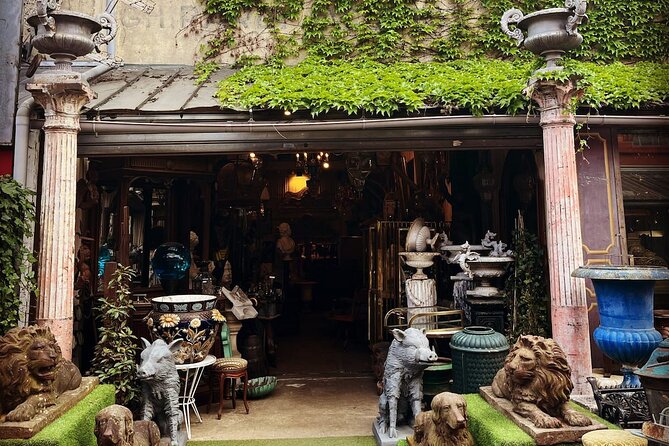
If you picture Paris as clean cafés and postcard streets, Saint-Ouen is a great reality check. This area feels like a city inside a city—lots of lanes, lots of stalls, and lots of objects with stories. Instead of viewing it as a single market, it’s really a cluster of market sections, which is why a guided loop pays off.
This tour leans into the best part of flea markets: you don’t just look, you dig. You’re there to find something specific (or at least something surprising) without getting overwhelmed by the sheer sprawl. And because it’s near Montmartre, it works as a fun “other side of Paris” add-on that still feels very local.
The host also helps you focus. When the guide starts by listening to your interests, you stop scanning everything at the same intensity. You begin scanning like an expert—furniture if that’s your thing, jewelry if that’s your thing, design if that’s your thing.
You can also read our reviews of more tours and experiences in Paris.


The 2-Hour Game Plan: What You Really Get For Your Time
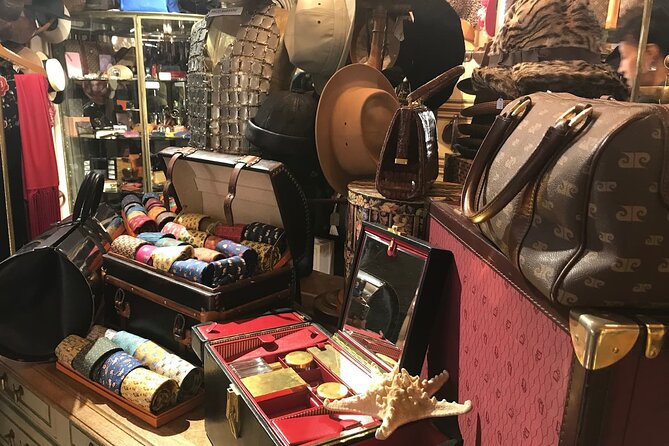
The tour runs about 2 hours and visits three different flea-market sections inside Marche aux Puces de Saint-Ouen. That matters because this area is huge, and most people who go alone end up doing the same loop: wandering until they’re tired, then buying whatever is closest.
Here, you get:
- a focused start at the meeting point,
- guidance to the right zones,
- time to browse at a human pace,
- a short café stop for a drink and a breather,
- then you finish back at the meeting spot.
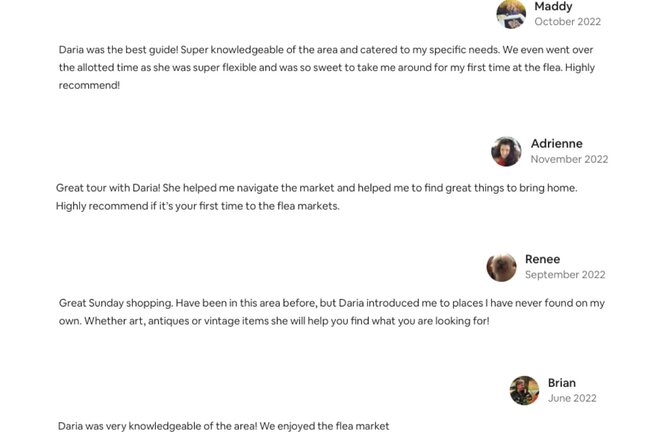
Small group size (max 10 people) also changes how the tour feels. The guide can answer questions, adjust the route, and keep people from drifting in different directions. In the feedback, Daria comes up repeatedly for doing exactly that: staying easygoing, giving people space to look, and still keeping the group moving through the important parts.
Market Stop 1: Marche Aux Puces de Saint-Ouen, Unpacked
Marche aux Puces de Saint-Ouen is described as a place with many separate flea markets under one roof—think several mini-markets, each with its own specialties. In this tour, you’re not trying to see all of it. You’re seeing enough to get the feel, then enough to shop with confidence.
The guide’s job here is orientation. You’ll learn how the area is organized and what types of treasures tend to show up where. That’s the difference between a fun walk and a treasure hunt that actually produces results.
Here’s what you can expect the tour to cover across its three sections:
- Antique furniture and decorative art: If you love character pieces for a home—tables, chairs, display-worthy objects—this is the zone to watch.
- Vintage clothes and jewelry: This is where people often start spotting wearable finds and small personal treasures.
- 20th-century design pieces: For mid-century-ish fans and design lovers, this section can feel like a browsing rabbit hole.
You might also see categories in the wild such as silver items, artwork, rare books, and quirky collectibles. Flea markets are like that: one stall can surprise you even when you think you know what you’re looking for.
How Each Section Changes Your Shopping Strategy
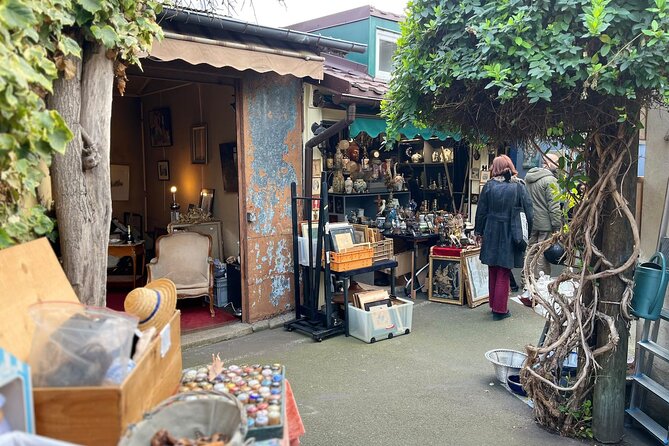
A flea market isn’t one shopping experience. It’s three different mindsets stacked together.
Antique furniture and décor: shop for character, not perfection
In the antique/decorative art zones, the objects tend to feel bigger and more statement-like. What I’d pay attention to is how the pieces look in real life: finish, condition, and how they’d actually fit in your space. Since the tour includes a structured path, you won’t just drift past the best stalls by accident.



Vintage fashion and jewelry: look for details you can verify
In the clothing and jewelry areas, you’ll want to focus on the small things: how items are labeled (if they are), how well they’re made, and what feels right when you hold it. The guide’s role is helpful here because you’re not just browsing—you’re learning where the better chances are.
Feedback from the experience also points to people finding items like silk scarves and vintage sunglasses. Even if you’re not chasing luxury labels, this section is where you’re most likely to find something wearable and easy to enjoy right away.
20th-century design: browse like you’re collecting a mood
In the design sections, the browsing rhythm is different. You might not be hunting one specific item. Instead, you’re building an eye for a style—forms, materials, and shapes from the last century. This part of the tour works well if you like your souvenirs with a story and a sense of period.
The Café Break: Small Pause, Big Value
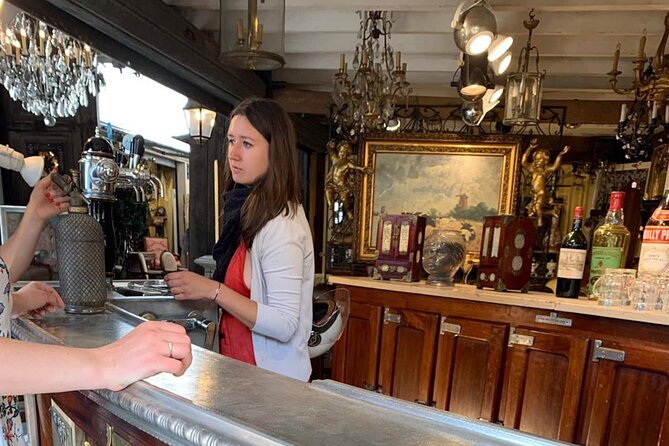
You’ll stop by a local café for a drink and a short rest. This isn’t a random extra. It’s a practical reset in the middle of a long browsing loop.
Why it matters:
- It gives you a moment to decide what you still want to pursue.
- It stops the tour from feeling like nonstop walking.
- It lets you regroup before the second and third sections.
Also, Daria is noted for giving food recommendations after the tour. That’s a small detail, but it can help if you want to turn the flea-market excitement into a full afternoon.
Price and Value: Why It’s Not Just You and Random Stalls
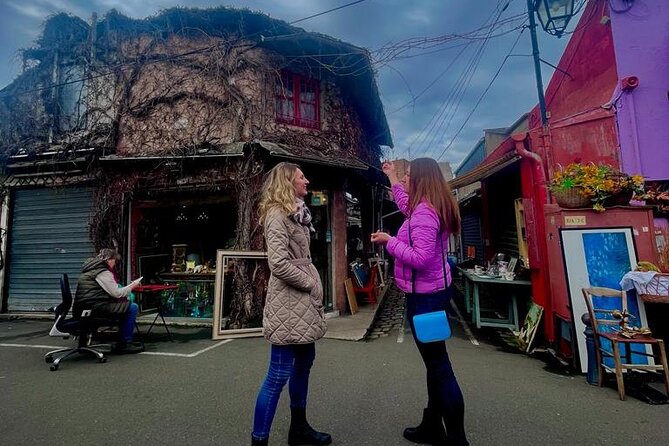
The price is $102.41 per person for about 2 hours, with all fees and taxes included. That’s not “cheap,” but it’s also not trying to be cheap. This price is paying for three things you don’t get solo:
- A local host from Paris
- A guided route across 3 flea-market sections
- Time saved from guesswork
The tour doesn’t charge you for market entry—the market admission is listed as free for the experience. So your money is mostly going to the guiding and time, not ticket fees.
Is it worth it? If you’re the type who likes vintage and antiques but doesn’t want to spend your limited Paris time playing map roulette, it usually is. The key question is simple: do you want to shop with direction, or do you want to wander and hope? This tour chooses direction.
One more thing: purchases are obviously on you. Souvenirs, including things like antique jewelry or home décor, are your own expense. The value is in helping you find better matches faster, not in giving you items.
Logistics That Actually Matter on the Ground

This tour meets at 77 Bd Ornano, 75018 Paris, and ends back at the meeting point. It’s near public transportation, which is important because Saint-Ouen can feel disconnected if you’re relying only on walking from far away.
Other practical notes:
- It’s offered in English.
- You get a mobile ticket.
- Service animals are allowed.
- Most people can participate.
- The group cap is 10 people, which keeps things from getting out of hand.
And yes, the area is a lot of walking. You should plan for that reality, even though the guided portion is only about two hours.
Who This Works Best For (And Who Might Be Happier Wandering)
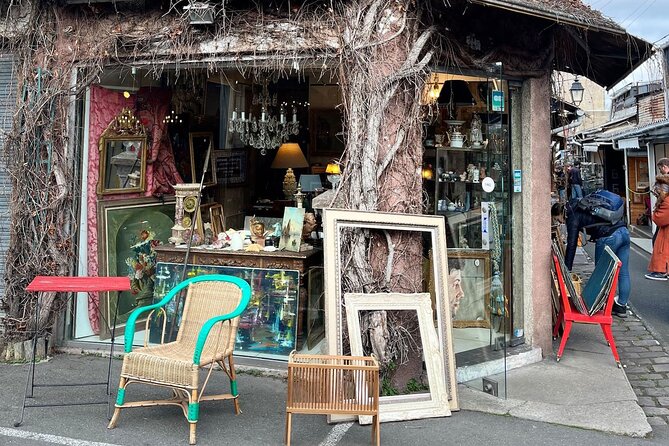
This is a strong fit if:
- you love vintage fashion, antique décor, or jewelry,
- you want to learn the market layout quickly,
- you’d rather shop with a plan than roam until you’re tired,
- you enjoy asking questions and getting seller-style insights.
It’s also good for people who want a “Paris that many tourists miss” vibe, without committing to a full day of searching with no structure.
It might not be ideal if:
- you already have a clear, detailed shopping list and enjoy independent wandering,
- you’re only interested in one narrow category and don’t want to move around,
- you hate walking even short distances.
The big shared truth: you’ll likely want extra time after the guided loop if you start finding things that feel right.
Should You Book This Paris Flea Market Tour?
If you want a guided treasure hunt at Marche aux Puces de Saint-Ouen that helps you see the right kinds of stalls quickly, I’d book it. The small group size, the visit to three different market sections, and the host’s role in helping you target what you like are the core reasons this works.
Book it especially if you’re thinking:
- I don’t want to get overwhelmed.
- I want to shop for home décor and vintage pieces without wandering blindly.
- I’d like recommendations on where to look next, then go back if something catches my eye.
If you’re the type who already knows exactly where you want to go and you enjoy long unsupervised wandering, you can probably DIY this area. But for most people, the guided start makes the difference between a fun walk and a haul you actually feel good about.